Table of Contents
Lemon Crush is a citrus-infused hybrid cannabis strain renowned for its balanced effects, uplifting cerebral high, and deep relaxation. With its zesty lemon aroma and potent therapeutic benefits, Lemon Crush has gained popularity among both medical and recreational cannabis users. This guide provides a thorough analysis of the Lemon Crush strain, including its genetic background, appearance, aroma, effects, medical benefits, recreational applications, and cultivation details.
1. Genetic Background
Lemon Crush is a hybrid strain with a balanced mix of Sativa and Indica genetics, typically 60% Sativa and 40% Indica. It is the result of crossbreeding the legendary Lemon Skunk with Purple Crush, producing a strain that combines citrusy terpenes with euphoric and relaxing effects.
- Lemon Skunk contributes uplifting, mood-enhancing effects and a pronounced lemon scent.
- Purple Crush adds potency and a soothing Indica relaxation, making Lemon Crush a well-rounded hybrid suitable for various uses.
The strain is known for its high THC content, which typically ranges between 18% and 24%, while its CBD levels remain low, usually under 1%.
2. Appearance, Aroma, and Flavor Profile
Appearance
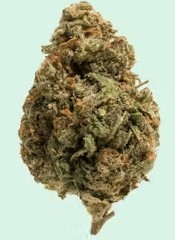
Lemon Crush is a visually striking strain with dense, resinous buds. Its vibrant green nugs are interspersed with deep orange pistils and occasional hints of purple due to its Purple Crush lineage. The strain is covered in a thick layer of crystalline trichomes, giving it a frosty appearance and signifying its potency.
Aroma
Lemon Crush features a strong citrus aroma, dominated by fresh lemon zest with undertones of sweet earthiness and pine. Some phenotypes may exhibit subtle hints of peppery spice and skunk, adding depth to its fragrance.
Flavor
When consumed, Lemon Crush delivers a smooth and flavorful experience. The taste profile mirrors its aroma, featuring a strong citrus-lemon dominance followed by hints of sweet honey, herbal undertones, and a slight diesel finish. The zesty and tangy notes make it a favorite among users who appreciate flavorful strains.
3. THC and CBD Content
- THC Levels: 18% – 24%
- CBD Levels: <1%
- Terpene Profile: Limonene, Myrcene, Caryophyllene, Pinene
The high THC content ensures that Lemon Crush delivers strong psychoactive effects, making it ideal for both medical and recreational purposes. The dominant terpene, Limonene, enhances the citrusy aroma while contributing to its mood-boosting and stress-relieving properties.
4. Medical Uses of Lemon Crush
Lemon Crush is a potent hybrid strain known for its therapeutic effects, making it highly valuable in medical cannabis research and patient treatment. Its balanced Sativa (60%) and Indica (40%) genetics, along with its high THC content (18-24%) and terpene-rich profile, contribute to a wide range of medical benefits. Below, we delve into the scientific mechanisms behind its medicinal properties, supported by cannabinoid research and clinical applications.

Pain Management and Anti-Inflammatory Properties
Scientific Basis:
- Lemon Crush contains high levels of THC and β-Caryophyllene, both of which act on the endocannabinoid system (ECS), particularly CB1 and CB2 receptors in the nervous system and immune cells.
- CB1 receptor activation: Reduces the perception of pain by modulating neurotransmitter release in the central nervous system.
- CB2 receptor activation: Lowers inflammation by reducing cytokine production in the immune system.
Medical Applications:
- Chronic Pain: Fibromyalgia, arthritis, and musculoskeletal pain are alleviated due to the strain’s ability to block pain signals and reduce inflammation.
- Neuropathic Pain: Conditions like sciatica, multiple sclerosis (MS), and diabetic neuropathy respond well to the pain-relieving effects of THC.
- Migraine and Headaches: THC and limonene reduce vascular inflammation, which is often responsible for migraines.
Mental Health Benefits: Anxiety, Depression, and PTSD
Scientific Basis:
- The Limonene terpene is known to have anxiolytic and antidepressant properties, enhancing serotonin and dopamine levels.
- THC interacts with CB1 receptors in the amygdala, the brain region responsible for fear processing, which explains its ability to reduce stress and anxiety.
- CBD (though low in Lemon Crush) can counteract THC-induced paranoia, making it safer for anxiety-prone users.
Medical Applications:
- Generalized Anxiety Disorder (GAD): Provides relaxation without excessive sedation.
- Post-Traumatic Stress Disorder (PTSD): Reduces flashbacks and nightmares by modulating the hippocampus’ response to traumatic memories.
- Major Depressive Disorder (MDD): Boosts serotonin production, improving mood and motivation.
- Obsessive-Compulsive Disorder (OCD): Reduces compulsive behavior by modulating dopamine pathways.
Sleep Disorders and Insomnia
Scientific Basis:
- The sedative effects of Lemon Crush are due to high myrcene content, which acts as a natural muscle relaxant.
- THC shortens sleep latency (time to fall asleep) and prolongs deep sleep cycles (slow-wave sleep), improving sleep quality.
- The Caryophyllene terpene modulates GABAergic activity, reducing overactive brain signals that contribute to insomnia.
Medical Applications:
- Chronic Insomnia: Helps patients fall asleep faster and improves sleep duration.
- Restless Leg Syndrome (RLS): Reduces nighttime movement and muscle spasms.
- Shift Work Sleep Disorder: Counteracts irregular sleep cycles caused by abnormal work schedules.
Appetite Stimulation and Gastrointestinal Disorders
Scientific Basis:
- THC activates CB1 receptors in the hypothalamus, increasing hunger by modulating ghrelin (hunger hormone) levels.
- Limonene and Myrcene help alleviate nausea by modulating serotonin receptors in the gut.
- THC slows intestinal motility, reducing cramping and diarrhea in conditions like IBS (Irritable Bowel Syndrome) and Crohn’s disease.
Medical Applications:
- Anorexia & Cachexia: Common in HIV/AIDS and cancer patients undergoing chemotherapy.
- Irritable Bowel Syndrome (IBS): Reduces abdominal pain and improves digestion.
- Gastroesophageal Reflux Disease (GERD): Limonene reduces acid reflux symptoms.
- Nausea and Vomiting: Beneficial for chemotherapy-induced nausea (CINV).
Neurological Disorders and Cognitive Function
Scientific Basis:
- Neuroprotective effects of THC & Caryophyllene: Protects neurons from oxidative stress and inflammation.
- Dopamine modulation: Helps in motor control and reduces involuntary tremors.
- Antioxidant properties of Limonene: May slow cognitive decline in neurodegenerative disorders.
Medical Applications:
- Multiple Sclerosis (MS): Reduces muscle stiffness, spasticity, and nerve pain.
- Parkinson’s Disease: Improves motor coordination and tremors by increasing dopamine activity.
- Alzheimer’s Disease: May help clear beta-amyloid plaques, which are implicated in memory loss.
- Epilepsy: Though Lemon Crush has low CBD, THC still provides anticonvulsant effects.
Anti-Cancer Properties
Scientific Basis:
- THC induces apoptosis (programmed cell death) in cancer cells by activating CB1 and CB2 receptors.
- Caryophyllene has cytotoxic effects, which help slow tumor growth.
- Limonene has anti-tumorigenic properties, reducing metastasis in some cancers.
Medical Applications:
- Pain relief & nausea management for chemotherapy patients.
- Potential anti-tumor effects in early research on breast, lung, and colorectal cancers.
Chronic Fatigue Syndrome (CFS) and Energy Levels
Scientific Basis:
- Dopamine stimulation from THC increases alertness and motivation.
- Limonene improves cognitive clarity, making it beneficial for brain fog.
- Sativa dominance ensures an uplifting, non-sedating effect, preventing excessive drowsiness.
Medical Applications:
- Chronic Fatigue Syndrome (CFS): Provides an energy boost and reduces brain fog.
- ADHD & Focus Disorders: Enhances cognitive function and prolongs attention span.
5. Recreational Uses of Lemon Crush
Energizing and Uplifting Effects
- Lemon Crush is ideal for daytime use, providing an energetic, creative, and social high.
- Users often report a burst of euphoria and motivation, making it a great choice for outdoor activities, exercise, and social gatherings.
Mood Enhancement and Relaxation
- The strain promotes happiness and relaxation, making it excellent for unwinding after a long day without feeling overly sedated.
- Many users find it helps with creative activities, such as writing, painting, or music composition.
Balanced High for Various Tolerance Levels
- While Lemon Crush is potent, its balanced genetics make it suitable for both novice and experienced users.
- It delivers a gradual onset with a euphoric peak followed by a smooth transition into relaxation.
6. Growing Lemon Crush Cannabis Strain
Cultivating Lemon Crush successfully requires a scientific approach to environmental control, genetics, nutrient management, and plant training techniques. Below, we explore the optimal methods for cultivating this strain, ensuring maximum potency, yield, and resin production.

Optimal Growing Conditions
Indoor vs. Outdoor Cultivation
- Indoor Cultivation: Preferred for controlled environments, ensuring stable temperature, humidity, and lighting conditions.
- Outdoor Cultivation: Suitable for regions with a Mediterranean climate (warm days, cool nights, and moderate humidity).
| Factor | Indoor Cultivation | Outdoor Cultivation |
|---|---|---|
| Temperature | 70-80°F (21-27°C) | 65-85°F (18-29°C) |
| Humidity | 40-50% flowering phase | 50-60% vegetative phase |
| Lighting | 18/6 (veg) → 12/12 (flower) | Full sunlight (10+ hours daily) |
| Yield | 400-500g/m² | 500-700g per plant |
| Flowering Time | 8-10 weeks | Late Sept – Early Oct |
Growth Stages and Nutrient Requirements
Lemon Crush requires a dynamic nutrient regimen across its four growth stages.
Seedling Stage (0-2 Weeks)
- Light: 18-24 hours of LED or CFL lighting
- Humidity: 65-70% (promotes root development)
- Temperature: 70-80°F (21-27°C)
- Nutrients: Minimal, start with 1/4 strength nitrogen (N) and phosphorus (P)
Vegetative Stage (3-6 Weeks)
- Light: 18 hours (optimal for growth)
- Temperature: 70-85°F (21-29°C)
- Humidity: 50-60%
- Nutrients:
- Nitrogen (N) rich fertilizers: Encourages leaf and branch growth.
- Phosphorus (P) and Potassium (K): Initiate root and structural development.
- Micronutrients: Magnesium (Mg), Zinc (Zn), Calcium (Ca) to support chlorophyll synthesis.
| Nutrient | Function |
|---|---|
| Nitrogen (N) | Leaf & stem growth |
| Phosphorus (P) | Root expansion |
| Potassium (K) | Disease resistance & bud growth |
| Calcium (Ca) | Cell wall strength |
| Magnesium (Mg) | Enhances photosynthesis |
- Training Techniques: Low-Stress Training (LST), Topping, and Screen of Green (ScrOG) are ideal for maximizing canopy exposure.
Flowering Stage (7-10 Weeks)
- Light Cycle: Shift to 12/12 (12 hours light / 12 hours dark)
- Temperature: 65-75°F (18-24°C) (to preserve terpenes)
- Humidity: Reduce to 40-50% to prevent bud rot.
- Nutrients:
- Increase Phosphorus (P) and Potassium (K) to promote bud development.
- Reduce Nitrogen (N) to prevent excess leafy growth.
- Add sulfur and terpene-boosting supplements to enhance aroma.
- Trichome Development: Check under 60-100x magnification to determine harvest timing (Cloudy trichomes = peak THC).
Harvest and Curing
- Harvest Timing: When 60-70% of pistils darken and trichomes turn cloudy.
- Drying Process:
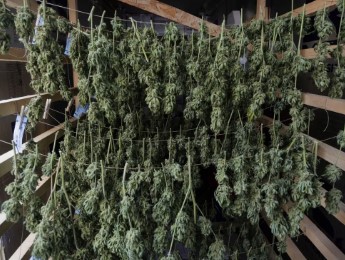
- Hang buds in 60-70°F, 50% humidity for 7-14 days.
- Ensure airflow to prevent mold formation.
- Curing Process:
- Store buds in glass jars at 60-65% RH.
- Burp jars daily for 2 weeks to enhance flavor and potency.
Advanced Cultivation Techniques
Hydroponics vs. Soil Cultivation
- Hydroponics:
- Faster growth (20-30% increase in yield).
- Requires pH (5.5-6.5) and EC (1.8-2.2) monitoring.
- Ideal for maximizing terpene expression.
- Soil Cultivation:
- Organic soil enhances flavor and aroma.
- Requires aerated substrates (Coco coir, Perlite, Vermiculite).
CO₂ Enrichment
- Ideal CO₂ Levels: 1200-1500 PPM during flowering enhances bud density.
- Implementation: Sealed grow rooms with CO₂ supplementation improve THC and resin production.
Pest and Disease Management
- Common Pests: Spider mites, aphids, whiteflies.
- Prevention:
- Use Neem oil, predatory insects (ladybugs), and organic pesticides.
- Maintain proper air circulation.
- Common Diseases: Powdery mildew, bud rot.
- Reduce humidity and avoid overwatering.
Final Yield Optimization
| Factor | Optimal Condition |
|---|---|
| pH Level | 6.0-6.5 (soil) / 5.5-6.5 (hydroponics) |
| Temperature | 70-80°F (21-27°C) |
| Humidity | 40-50% (flowering) |
| Light Intensity | 600-1000 µmol/m²/s |
| CO₂ Levels | 1200-1500 PPM |
| Air Circulation | Oscillating fans, exhaust systems |
7. Potential Side Effects
While Lemon Crush provides numerous health benefits, it is essential to consider potential side effects, particularly for sensitive users.
| Side Effect | Scientific Explanation |
|---|---|
| Dry Mouth & Eyes | THC reduces saliva production, causing temporary dryness. |
| Dizziness & Lightheadedness | THC-induced vasodilation lowers blood pressure. |
| Paranoia & Anxiety (High Doses) | Excessive THC can overstimulate CB1 receptors in the amygdala, triggering anxiety. |
| THC Sensitivity | Low-tolerance users may experience mild disorientation or confusion. |
| Memory Impairment (Short-Term) | THC temporarily affects hippocampal function, impacting recall. |
Precautions:
- Start with a low dose and increase gradually.
- Avoid combining with alcohol to prevent excessive sedation.
- Patients with anxiety disorders should opt for strains with balanced CBD levels to counteract THC’s overstimulation.
8. Conclusion
Lemon Crush is a versatile and well-balanced hybrid strain that offers invigorating cerebral effects combined with soothing relaxation. Its citrusy aroma, potent THC levels, and broad therapeutic applications make it an excellent choice for both medical and recreational users. Whether you seek pain relief, mood enhancement, or an energetic boost, Lemon Crush stands out as a strain that delivers exceptional quality and benefits.
Best Used For:
- Medical: Chronic pain, stress, anxiety, fatigue, appetite loss
- Recreational: Daytime activities, socialization, creative projects
With its robust genetic lineage, potent effects, and delightful citrus flavor, Lemon Crush continues to be a favorite among cannabis enthusiasts worldwide.
For a complete directory of cultivars, visit our Cannabis Strain Reviews.
