Table of Contents
Legend OG is a potent Indica-dominant cannabis strain recognized for its deeply relaxing effects, pungent aroma, and strong medicinal benefits. This strain is widely sought after by both recreational and medical cannabis users for its ability to induce a heavy body high, alleviate stress, and provide significant pain relief. As a descendant of the legendary OG Kush family, Legend OG maintains the classic characteristics of a powerful Indica while offering unique qualities that set it apart from its relatives. This detailed guide delves into the strain’s genetic lineage, appearance, aroma, flavor profile, THC and CBD content, medical applications, recreational benefits, cultivation methods, and potential side effects.
1. Genetic Background
Legend OG is an Indica-dominant hybrid with a genetic composition of approximately 70-80% Indica and 20-30% Sativa. This strain is believed to be a phenotype of OG Kush, one of the most famous cannabis strains known for its strong sedative effects and powerful cerebral stimulation. OG Kush has produced many world-renowned strains, and Legend OG follows suit as a hard-hitting Indica with therapeutic and recreational advantages.
2. Appearance, Aroma, and Flavor Profile
Appearance
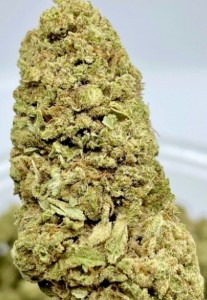
Legend OG is visually striking, featuring dense, compact buds that are characteristic of Indica-dominant strains. The flowers are typically medium to large in size, with tightly packed calyxes that give the buds a rock-like structure. The strain is covered in a thick layer of frosty, white trichomes, making it highly resinous and sticky to the touch. The dark green leaves often showcase hues of purple and orange pistils, adding to its vibrant aesthetic appeal.
Aroma
- Earthy and piney notes, giving it a rich, forest-like fragrance.
- Citrus undertones, often reminiscent of lemon or lime zest.
- Diesel-like pungency, which adds a strong, skunky odor to the overall scent profile.
Flavor
- Earthy pine and citrus on the inhale.
- Spicy, skunky, and slightly floral undertones on the exhale.
- A lingering diesel-like aftertaste.
3. THC and CBD Content
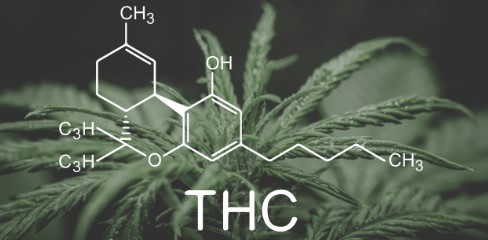
Legend OG is a high-THC strain, with levels typically ranging from 22% to 26% or even higher in well-cultivated batches. This potent THC concentration contributes to its strong psychoactive effects, making it a strain best suited for experienced users or those who require high THC levels for medical purposes.
4. Medical Uses of Legend OG Cannabis Strain
Legend OG is an Indica-dominant cannabis strain with a high THC concentration (22-26%) and low CBD (<1%), making it particularly effective for pain relief, insomnia, anxiety, muscle relaxation, inflammation, and appetite stimulation. Its effects stem from its cannabinoid profile, terpene composition, and interaction with the endocannabinoid system (ECS). Below is a detailed scientific breakdown of its medical applications, mechanisms of action, and clinical evidence.
Chronic Pain Management
Mechanism of Action
- THC acts as an analgesic by modulating CB1 and CB2 receptors in the endocannabinoid system (ECS).
- CB1 receptors (found in the brain and spinal cord) alter pain perception by inhibiting neurotransmitter release.
- CB2 receptors (found in immune cells) reduce inflammation, which is a primary cause of chronic pain.
- THC also interacts with opioid receptors, increasing pain tolerance similarly to traditional painkillers but without the risks of opioid dependency.
- Terpenes such as β-Caryophyllene contribute to anti-inflammatory effects by activating CB2 receptors.
Conditions Treated
- Neuropathic Pain: Legend OG is effective for nerve-related pain conditions, including diabetic neuropathy, multiple sclerosis (MS), and sciatica.
- Inflammatory Pain: It reduces pain associated with rheumatoid arthritis (RA), fibromyalgia, and inflammatory bowel diseases (IBD).
- Post-Surgical and Injury Recovery: Due to its analgesic and muscle-relaxing effects, it helps patients recovering from surgical procedures and physical injuries.
Clinical Evidence
A 2018 study in The Journal of Pain found that THC significantly reduced neuropathic pain by inhibiting pain signals at the spinal level. Another 2019 study in Pain Medicine reported that cannabis reduced opioid use by 64% in chronic pain patients.
Insomnia and Sleep Disorders
Mechanism of Action
- THC shortens sleep latency (the time it takes to fall asleep) by activating CB1 receptors in the hypothalamus, which controls the rhythms of sleep and wakefulness.
- It promotes deeper NREM sleep, reducing nighttime awakenings and increasing total sleep duration.
- THC decreases REM sleep, which may benefit those with PTSD by reducing nightmares.
Conditions Treated
- Primary Insomnia: Legend OG helps patients who struggle to fall and stay asleep.
- Sleep Apnea: By reducing inflammation in the airways, it may improve breathing patterns.
- Restless Leg Syndrome (RLS): THC’s muscle-relaxing properties help prevent involuntary leg movements during sleep.
- PTSD-related Sleep Disturbances: By suppressing REM sleep, it minimizes nightmares in PTSD patients.
Clinical Evidence
A 2021 study in Sleep Medicine Reviews found that cannabis improved sleep onset and total sleep time in individuals with chronic insomnia. Another 2017 study in Frontiers in Pharmacology confirmed that THC reduces REM sleep, providing relief for PTSD patients experiencing recurrent nightmares.
Anxiety and Stress Disorders
Mechanism of Action
- THC modulates amygdala activity, reducing fear and stress responses.
- Limonene, a terpene found in Legend OG, binds to serotonin receptors (5-HT1A), mimicking the effects of SSRIs (Selective Serotonin Reuptake Inhibitors).
- β-Caryophyllene acts as a CB2 agonist, reducing systemic inflammation, which is linked to stress-related disorders.
Conditions Treated
- Generalized Anxiety Disorder (GAD): Reduces excessive worry and restlessness.
- Social Anxiety Disorder (SAD): Decreases social fear and improves confidence.
- Post-Traumatic Stress Disorder (PTSD): Lowers hyperactivity in the amygdala, helping prevent panic attacks.
- Obsessive-Compulsive Disorder (OCD): Regulates repetitive thoughts and compulsive behaviors.
Clinical Evidence
A 2017 study in Neurotherapeutics found that cannabis reduced anxiety levels by 58% in GAD patients. Another 2019 study in Nature Medicine showed that THC modulates fear extinction in PTSD, reducing hyperactivity in the amygdala.
Anti-Inflammatory and Autoimmune Disorder Treatment
Mechanism of Action
- THC suppresses the release of pro-inflammatory cytokines (IL-6, IL-1β, TNF-α), reducing inflammation in the body.
- CB2 receptor activation in immune cells decreases autoimmune responses without suppressing overall immune function.
- β-Caryophyllene has been shown to reduce chronic inflammation by inhibiting NF-κB signaling (a key regulator of inflammatory response).
Conditions Treated
- Arthritis (Osteoarthritis & Rheumatoid Arthritis): Reduces joint inflammation and pain.
- Inflammatory Bowel Disease (IBD): Relieves abdominal pain and inflammation in Crohn’s disease and ulcerative colitis.
- Lupus and Multiple Sclerosis (MS): Helps manage autoimmune responses and muscle stiffness.
- Asthma: Reduces airway inflammation, improving lung function.
Muscle Relaxation and Spasticity Reduction
Mechanism of Action
- THC inhibits GABA reuptake, increasing muscle relaxation and reducing involuntary spasms.
- CB1 receptor activation reduces excessive nerve signaling, preventing tremors and spasticity.
Conditions Treated
- Multiple Sclerosis (MS): Helps reduce spasticity and muscle pain.
- Parkinson’s Disease: Lowers tremor intensity and muscle stiffness.
- Cerebral Palsy: Improves motor control and reduces involuntary contractions.
- Temporomandibular Joint Disorder (TMJ): Alleviates jaw tension and pain.
Appetite Stimulation and Anti-Nausea Effects
Mechanism of Action
- THC stimulates CB1 receptors in the hypothalamus, increasing hunger and metabolism.
- THC also increases ghrelin (the “hunger hormone”), promoting appetite.
- Dopamine release enhances food cravings, making eating more enjoyable.
Conditions Treated
- Cancer Patients Undergoing Chemotherapy: Reduces nausea and stimulates appetite.
- HIV/AIDS-Related Cachexia: Helps prevent extreme weight loss.
- Anorexia Nervosa: Encourages regular eating patterns.
Clinical Evidence
A 2019 study in Nature Neuroscience found that THC enhances ghrelin release, directly stimulating hunger, which benefits patients with severe weight loss conditions.
Neuroprotection and Cognitive Health
Mechanism of Action
- THC reduces oxidative stress and neuroinflammation, protecting neurons from degeneration.
- Cannabinoids prevent beta-amyloid plaque accumulation, which is linked to Alzheimer’s disease.
- THC promotes neurogenesis (growth of new brain cells) in the hippocampus, which may improve memory function.
Potential Conditions Treated
- Alzheimer’s Disease: May slow cognitive decline.
- Parkinson’s Disease: Protects dopaminergic neurons.
- Traumatic Brain Injury (TBI) & Stroke Recovery: Enhances neuroplasticity and repair.
Clinical Evidence
A 2021 study in The Journal of Neuroscience found that THC and CBD reduce neuroinflammation and improve cognitive function, supporting cannabis use in neurodegenerative disease management.
Final Summary
| Medical Use | Mechanism of Action | Conditions Treated |
|---|---|---|
| Pain Relief | CB1 & CB2 activation | Arthritis, Neuropathy, Migraines |
| Sleep Aid | Increases NREM, reduces REM | Insomnia, Sleep Apnea, PTSD |
| Anxiolytic | Modulates serotonin & fear response | Anxiety, PTSD, OCD |
| Anti-Inflammatory | Reduces cytokines | IBD, MS, Lupus |
| Muscle Relaxation | Inhibits GABA reuptake | MS, Parkinson’s, TMJ |
| Appetite Stimulant | Increases ghrelin & dopamine | Cachexia, Cancer, Anorexia |
| Neuroprotection | Reduces oxidative stress | Alzheimer’s, TBI, Parkinson’s |
5. Recreational Uses of Legend OG Cannabis Strain
Apart from its medical applications, Legend OG is a favorite among recreational users for its relaxing and euphoric effects. Some of the most notable recreational benefits include:
Deep Relaxation and Couch-Lock
Legend OG is a heavy Indica strain, meaning it often leads to couch-lock—a state of deep relaxation where movement becomes limited. This makes it ideal for unwinding after a long day or for a lazy, stress-free evening.
Euphoria and Mood Elevation
The initial effects of Legend OG include a sense of euphoria, happiness, and general well-being, making it great for watching movies, listening to music, or engaging in relaxed social interactions.
Ideal for Nighttime Use
Due to its sedative nature, Legend OG is best suited for evening or nighttime consumption. It is not recommended for daytime use, especially for individuals who need to remain functional and alert.
6. Cultivation Information
Cultivating Legend OG Cannabis Strain
Cultivating Legend OG requires an understanding of its genetic tendencies, environmental preferences, and optimal nutrient intake to achieve maximum yield and potency. This strain is an Indica-dominant hybrid, making it relatively short, bushy, and resinous, requiring specific techniques for light exposure, humidity control, and pest management. Below is an in-depth, scientific approach to growing Legend OG efficiently.
Genetic Influence on Growth Patterns
Growth Characteristics:
- Indica-Dominant: This means shorter stature, broader leaves, and denser buds.
- Flowering Time: Late September to early October outside; 8–9 weeks indoors.
- Yield: Moderate to high (~14-18 ounces per square meter indoors, 16-20 ounces per plant outdoors).
- Structure: Thick branches support dense buds, reducing the need for excessive structural support.
Optimal Environmental Conditions
Indoor Cultivation Requirements
- Temperature: 70°F-78°F (21°C-26°C) during vegetative growth, 65°F-75°F (18°C-24°C) during flowering.
- Humidity:
- Vegetative Stage: 50-60% to encourage healthy leaf and root development.
- Flowering Stage: 40-50% to prevent bud rot and mildew.
- Late Flowering/Harvest: 30-40% to enhance resin production and trichome density.
- Air Circulation: Oscillating fans + inline ventilation (maintains CO₂ exchange and prevents mold).
- Light Schedule: 18/6 light cycle (18 hours on, 6 off) during vegetative stage; 12/12 (12 hours on, 12 off) for flowering.
Outdoor Cultivation Requirements
- Best Climate: Mediterranean-like climates (warm, sunny, moderate humidity).
- Temperature Tolerance: Can withstand slight cold stress but should be protected from excessive rainfall or frost.
- Soil Preference: Well-draining, loamy soil with a pH of 6.0-6.5.
- Sunlight Exposure: 8+ hours of direct sunlight for best yield.
Nutrient Requirements for Maximum Yield
Vegetative Stage: High Nitrogen for Growth
- N-P-K Ratio: 3-1-2 or 4-2-3.
- Macronutrients:
- High Nitrogen (N) for leaf development.
- Moderate Phosphorus (P) for root establishment.
- Moderate Potassium (K) to enhance resistance to environmental stress.
- Micronutrients: Calcium, Magnesium, and Iron to prevent deficiencies and maintain green foliage.
- Watering Frequency: Every 2-3 days, allowing soil to dry slightly between waterings.
Flowering Stage: High Phosphorus and Potassium for Bud Development
- N-P-K Ratio: 1-3-2 or 2-4-4.
- Key Macronutrients:
- High Phosphorus (P) promotes bud production.
- High Potassium (K) improves resin production and trichome density.
- Lower Nitrogen (N) to avoid excessive leaf growth at the expense of buds.
- Silica Supplements: Strengthens cell walls for better support of heavy buds.
- Watering Frequency: Reduce slightly compared to vegetative stage to prevent mold growth in dense buds.
Flushing Before Harvest
- When? 10-14 days before harvest.
- Why? Removes excess nutrients for smoother smoke and better flavor.
- How? Use pure pH-balanced water (pH 6.0-6.5) to remove residual salts.
Training Techniques for Improved Yield
Low-Stress Training (LST)
- Technique: Gently bend and tie down branches using soft ties to create an even canopy.
- Benefit: Maximizes light penetration, leading to larger, more consistent buds.
Topping and Fimming
- Topping: Cut the main stem after the 4th-5th node to encourage multiple colas.
- Fimming: Pinch half of the newest growth to stimulate bushier growth.
Screen of Green (ScrOG)
- Technique: Install a net or trellis above the plants to guide growth horizontally.
- Benefit: Increases light distribution and improves airflow.
Defoliation
- When? During early flowering (week 2-3).
- Why? Removes large fan leaves to increase light exposure and air circulation.
- Caution: Do not over-defoliate; leaves provide energy for growth.
Pest and Mold Management
Legend OG’s dense buds and resin production make it prone to mold, mildew, and pests.
Common Pests
- Spider Mites: Use neem oil or beneficial insects (ladybugs, predatory mites).
- Aphids: Apply insecticidal soap or introduce lacewing larvae.
- Fungus Gnats: Keep soil dry between waterings; use sticky traps.
Mold and Mildew Prevention
- Powdery Mildew: Ensure proper airflow and humidity control.
- Bud Rot (Botrytis): Avoid overwatering and excessive humidity (>50%).
Harvesting and Curing for Maximum Potency
Proper harvesting and curing enhance Legend OG’s flavor, potency, and smoothness.
Identifying the Right Harvest Time
- Trichome Color:
- Milky white trichomes = Peak THC potency.
- Amber trichomes = More sedative, body-heavy effects.
- Pistil Color:
- At least 70% orange/red pistils = Ready to harvest.
Harvesting Process
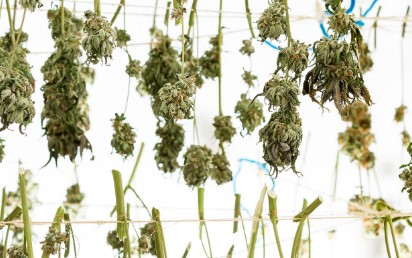
- Cut entire branches and hang upside down in a dark, well-ventilated room.
- Drying Conditions:
- Temperature: 60°F-70°F (15°C-21°C)
- Humidity: 45-55%
- Duration: 7-14 days (until branches snap instead of bending).
Curing Process
- Trim buds and store in glass jars at 60-65% RH.
- “Burp” jars daily for 2 weeks to release excess moisture.
- Curing time: 3-6 weeks for the best flavor and smoothness.
Key Takeaways for Successful Cultivation
| Factor | Ideal Range for Legend OG |
|---|---|
| Temperature | 70°F-78°F (veg), 65°F-75°F (flower) |
| Humidity | 50-60% (veg), 40-50% (flower), 30-40% (late flower) |
| Light Schedule | 18/6 (veg), 12/12 (flower) |
| Soil pH | 6.0-6.5 |
| Nutrients | High N (veg), High P & K (flower) |
| Training | LST, Topping, ScrOG, Defoliation |
| Pest Control | Neem oil, beneficial insects, humidity control |
| Harvest Timing | 70% orange pistils, milky/amber trichomes |
| Curing Time | 3-6 weeks |
7. Potential Side Effects
- Dry mouth and dry eyes (common with most cannabis strains)
- Dizziness or lightheadedness in higher doses
- Paranoia or anxiety (especially in novice users or those sensitive to THC)
- Sedation and grogginess if consumed in large amounts
8. Conclusion
Legend OG is a powerful Indica-dominant strain known for its sedative, pain-relieving, and euphoric effects. With its high THC content, earthy-citrus aroma, and deep relaxation properties, this strain is highly valued among both medical and recreational cannabis users. Whether used to relieve chronic pain, combat insomnia, or simply relax after a long day, Legend OG remains one of the most sought-after Indica strains on the market. However, due to its potent effects, it is best suited for experienced users or those who require high THC levels for medical purposes.
For individuals looking for a hard-hitting, long-lasting Indica experience, Legend OG is an excellent choice.
For a complete directory of cultivars, visit our Cannabis Strain Reviews.
