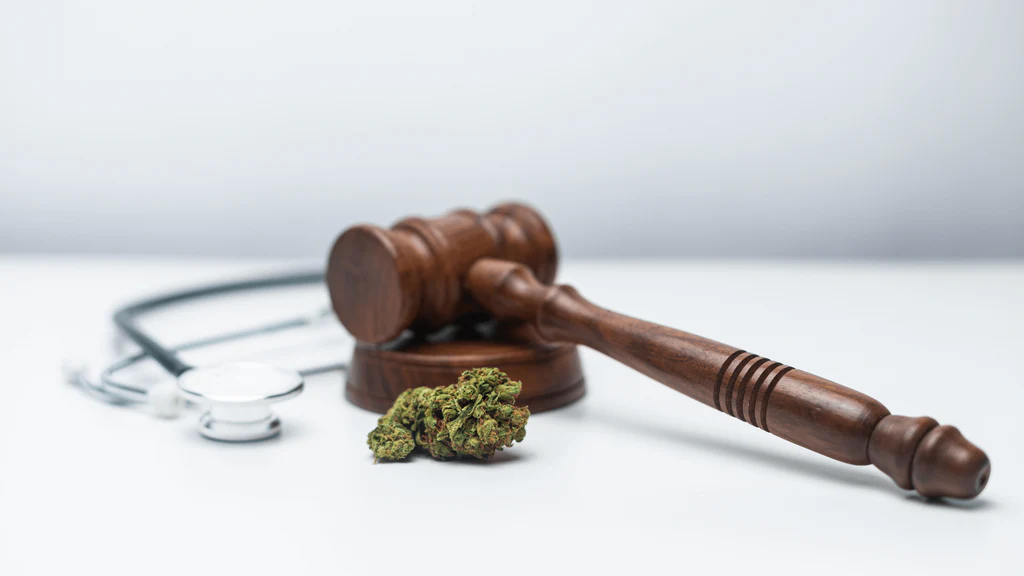
Legal and Regulatory Considerations in Medical Cannabis Cultivation
The growing industry of medical cannabis cultivation is governed by a number of jurisdiction-specific legal and regulatory requirements. With its rise in medical use, understanding the framework surrounding its growth, distribution, and use is crucial for ensuring compliance and producing high-quality cannabis for patients. This comprehensive exploration delves into the legal landscape governing medical cannabis cultivation, focusing on cultivation laws, licensing processes, quality control measures, and restrictions aimed at preventing misuse, while excluding recreational use and consumption methods.
1. Introduction to Medical Cannabis Cultivation
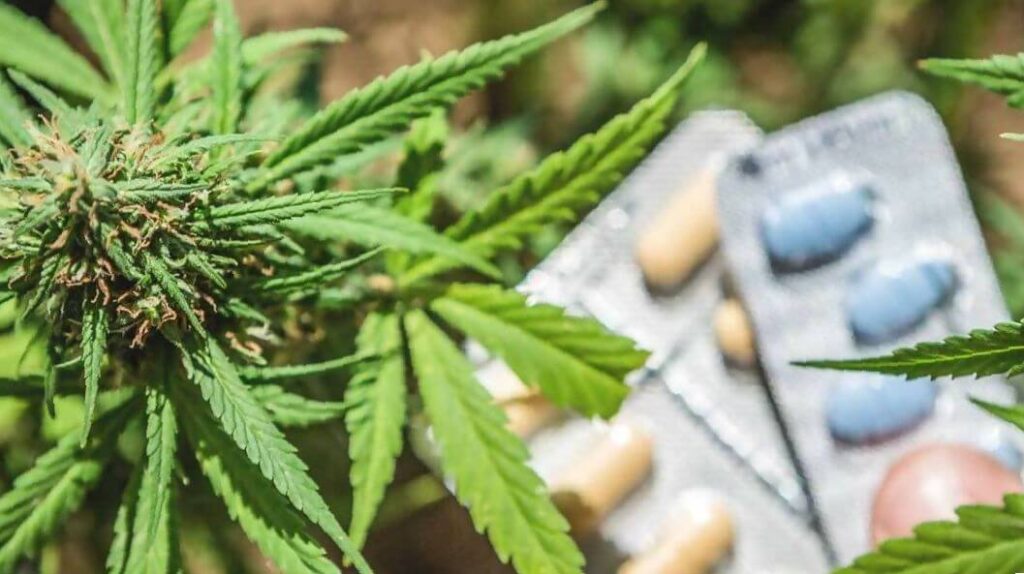
The cannabis plant is the source of medicinal cannabis, which has gained popularity for its therapeutic qualities. It can provide relief from a variety of medical ailments, including anxiety, chronic pain, epilepsy, and symptoms associated with cancer. As demand increases, legal cultivation has become a focal point for regulatory bodies worldwide to ensure that cannabis is grown in a safe, secure, and standardized manner that meets medical requirements.
While the legal status of medical cannabis varies globally, countries and regions with established frameworks often focus on stringent control of cultivation practices to prevent illegal distribution and ensure patient safety. These frameworks regulate who can grow cannabis, under what conditions, and how it is distributed for medical use.
2. International Legal Frameworks for Medical Cannabis Cultivation
2.1 United Nations Conventions
Internationally, the cultivation of cannabis for any use, including medical, is influenced by treaties such as the 1961 Single Convention on Narcotic Drugs. Cannabis is categorized as a Schedule I substance under this treaty, which means it is governed by tight regulations. However, the Convention allows countries to cultivate cannabis for medical and scientific purposes, provided there is proper regulation to prevent misuse.
Several countries have made amendments to their national laws to allow for medical cannabis cultivation, in line with international obligations. These nations must set up government oversight organizations to supervise the production, extraction, and distribution of cannabis for medical use.
2.2 European Union
In Europe, medical cannabis cultivation regulations differ by country, though all must comply with EU regulations on medicinal products. EU members must ensure that the cultivation and use of cannabis follow pharmaceutical standards, particularly the Good Manufacturing Practice (GMP) guidelines. These standards dictate the cultivation process to ensure that cannabis meets medical-grade quality, free of contaminants and accurately labeled for therapeutic use.
3. National Regulations Governing Medical Cannabis Cultivation
3.1 United States
In the United States, cannabis regulation is complex due to the conflict between federal and state laws. Federally, cannabis remains illegal under the Controlled Substances Act (CSA), but numerous states have passed laws allowing the cultivation of cannabis for medical use.
3.1.1 State-Level Regulations
Each state that permits medical cannabis cultivation has established its own regulations, often requiring growers to obtain specific licenses. For example, California’s Medical Marijuana Regulation and Safety Act (MMRSA) outlines the licensing and operational requirements for medical cannabis cultivators, including security measures, environmental sustainability, and compliance with local laws.
3.1.2 Licensing Process
The process of obtaining a license varies from state to state, but generally involves a detailed application, background checks, proof of adequate growing facilities, and adherence to quality standards. States like Oregon and Colorado have particularly stringent environmental controls to ensure that cannabis cultivation does not negatively impact local ecosystems.
3.2 Canada
Canada legalized medical cannabis cultivation under the Access to Cannabis for Medical Purposes Regulations (ACMPR), now replaced by the Cannabis Act. Licensed producers (LPs) are regulated by Health Canada, which ensures that cultivation practices meet pharmaceutical-grade standards. Growers must apply for a license and comply with strict regulations regarding security, record-keeping, and product testing to ensure patient safety.
Under the Cannabis Act, Canada allows for both small-scale personal cultivation by medical patients and large-scale commercial cultivation. However, all cultivators must adhere to GMP standards and have their products tested for potency, pesticides, and other contaminants before distribution.
3.3 Australia
Australia’s medical cannabis framework is governed by the Narcotic Drugs Act 1967 and Therapeutic Goods Administration (TGA), which strictly control the cultivation and use of cannabis for medical purposes. The cultivation of medical cannabis requires a license, which can only be granted to applicants who demonstrate that their operations will not contribute to the illicit drug market.
The TGA ensures that cannabis is grown under pharmaceutical conditions, often requiring growers to meet Good Agricultural and Collection Practice (GACP) and GMP standards. Environmental controls, security measures, and regular inspections are part of the licensing process to ensure legal compliance.
4. Licensing and Compliance in Medical Cannabis Cultivation
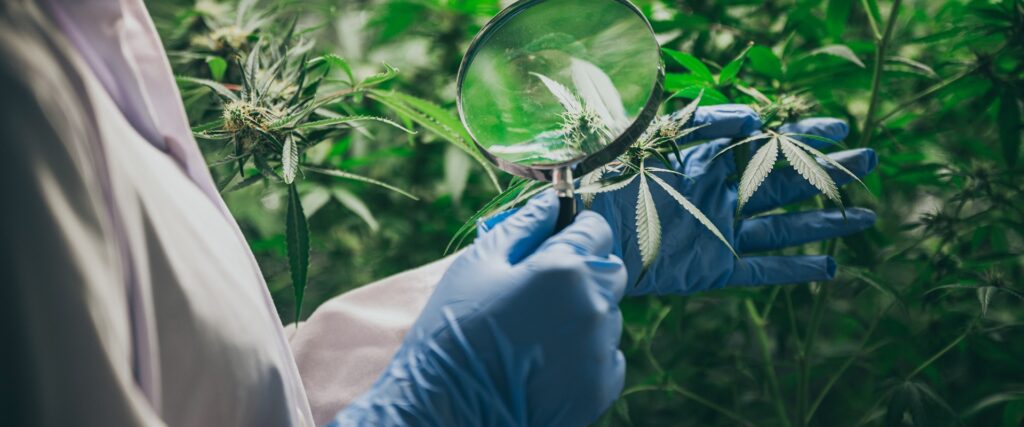
4.1 Types of Licenses
Most countries and regions that permit the cultivation of medical cannabis require cultivators to obtain specific licenses. These licenses may include:
- Cultivation Licenses: Permitting the growth of cannabis for medical purposes, typically under strict environmental and security regulations.
- Processing Licenses: Allowing the conversion of raw cannabis into medical products like oils, tinctures, and edibles.
- Distribution Licenses: Enabling the sale or transfer of medical cannabis products to authorized dispensaries or pharmacies.
4.2 Application Process
The application process for a medical cannabis cultivation license typically involves several steps:
- Submission of Application: The grower must submit a detailed application, often requiring proof of ownership or lease of the growing facility, a comprehensive security plan, and a description of cultivation methods.
- Background Checks: Applicants may undergo extensive background checks to ensure they have no criminal history that could suggest a likelihood of misuse.
- Security Plan: Most regulations require a robust security plan, including surveillance, restricted access, and inventory tracking, to prevent theft or diversion into the illegal market.
- Environmental Compliance: Growers may need to demonstrate adherence to environmental protection laws, such as water conservation practices, energy-efficient lighting, and the safe disposal of waste products.
5. Quality Control and Product Testing
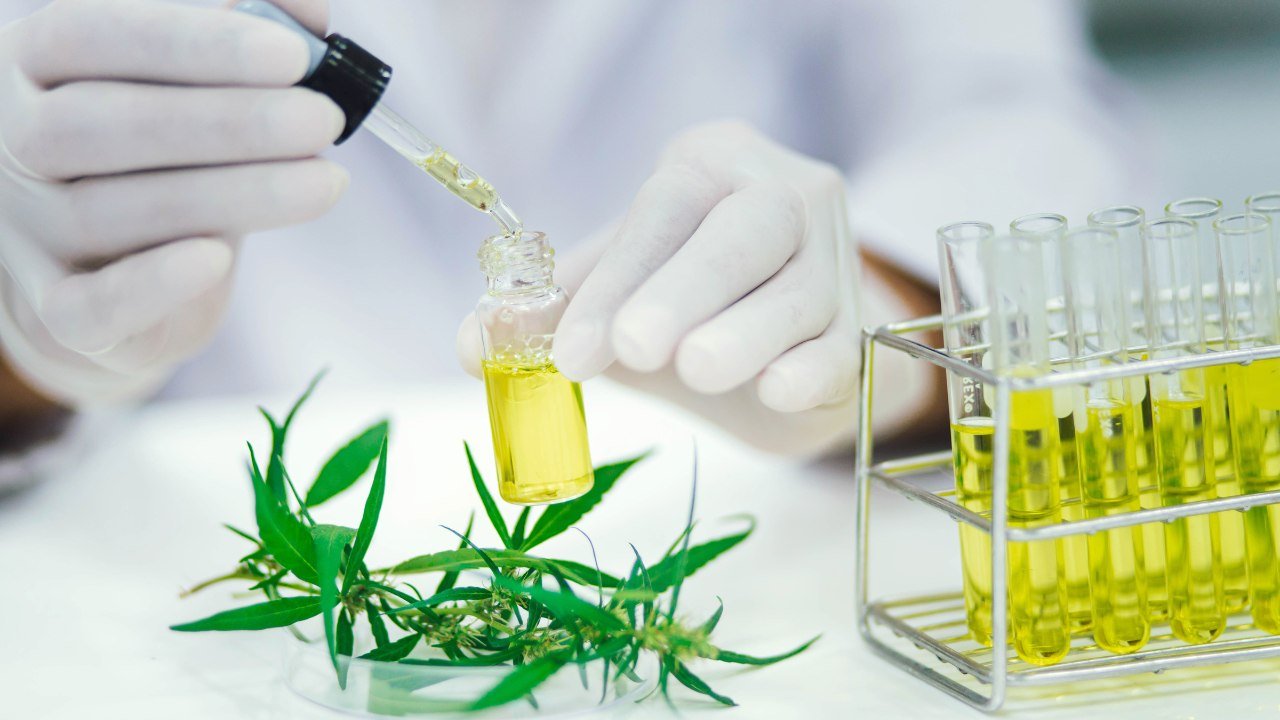
Quality control is a critical component of medical cannabis cultivation, ensuring that products meet the standards required for medical use.
5.1 Good Agricultural and Collection Practices (GACP)
Growers of medical cannabis are often required to follow GACP guidelines, which are designed to ensure that medicinal plants are cultivated in a way that preserves their medicinal properties. These practices include proper soil management, pest control, and harvesting methods that prevent contamination and degradation of the cannabis plant’s active compounds.
5.2 Good Manufacturing Practice (GMP)
Once harvested, medical cannabis must be processed in accordance with GMP standards, which regulate the manufacture of medical products. GMP guidelines ensure that medical cannabis products are consistent in quality, free from contaminants, and properly labeled with information on cannabinoid content.
5.3 Mandatory Testing
In most regions, medical cannabis products must be tested for:
- Cannabinoid Content: Testing for levels of THC, CBD, and other cannabinoids to ensure accurate dosing.
- Pesticides: Ensuring that no harmful chemicals are present that could pose a risk to patients.
- Microbial Contaminants: Screening for bacteria, mold, and fungi that could cause infections or other health issues.
- Heavy Metals: Checking for the presence of heavy metals like lead or mercury, which can be dangerous for patients, especially those with compromised immune systems.
These tests are typically conducted by third-party laboratories, and products that fail to meet the required standards cannot be sold for medical use.
6. Security and Diversion Prevention
Preventing the diversion of medical cannabis into the illicit market is a key concern for regulatory bodies. As a result, medical cannabis cultivation operations must implement strict security measures.
6.1 Facility Security
Cultivation facilities are often required to have robust security systems, including:
- Video Surveillance: Continuous monitoring of all areas where cannabis is grown, processed, or stored.
- Access Control: Restricted access to sensitive areas, often requiring biometric or keycard entry systems.
- Inventory Tracking: Detailed records of cannabis plants and products at every stage of the cultivation process, ensuring that no product is diverted or lost.
6.2 Transport Security
When cannabis products are transported from cultivation facilities to processing plants or dispensaries, strict security measures must be in place. This may include:
- Armored Transport: In some regions, cannabis products must be transported in armored vehicles with security personnel.
- GPS Tracking: Real-time tracking of cannabis shipments to prevent theft or diversion during transport.
- Chain of Custody Documentation: Detailed records of who has handled the cannabis at every step of the supply chain, from cultivation to distribution.
7. Environmental and Sustainability Considerations
Medical cannabis cultivation can have significant environmental impacts if not properly managed. Regulatory frameworks often include provisions aimed at reducing the environmental footprint of cannabis cultivation.
7.1 Water Usage
Cannabis is a water-intensive crop, and overuse of water resources can strain local ecosystems. Many regions require cannabis cultivators to implement water conservation measures, such as:
- Drip Irrigation: A more effective way to hydrate plants directly, cutting down on runoff and evaporation.
- Rainwater Harvesting: Collecting and using rainwater for irrigation, reducing reliance on municipal water supplies.
- Water Recycling: Reusing water within the cultivation facility to minimize waste.
7.2 Energy Consumption
Indoor cannabis cultivation often requires significant energy for lighting, temperature control, and ventilation. Regulatory bodies may impose energy efficiency requirements, such as:
- LED Lighting: Using energy-efficient LED lights instead of high-pressure sodium (HPS) lamps, which consume more electricity.
- Renewable Energy: Encouraging or requiring the use of renewable energy sources, such as solar or wind power, to reduce the carbon footprint of cultivation operations.
7.3 Waste Management
The disposal of cannabis plant waste, including stems, leaves, and unused portions of the plant, must be handled carefully to prevent contamination or diversion. Some regions require cultivators to implement waste management plans that include:
- Composting: Turning plant waste into compost for use in future cultivation cycles.
- Secure Destruction: Ensuring that cannabis waste is rendered unusable, often through grinding and mixing with other materials.
8. Ethical Considerations in Medical Cannabis Cultivation
The cultivation of medical cannabis presents ethical challenges, particularly concerning patient access and equitable distribution.
8.1 Access for Patients
One of the primary ethical considerations in medical cannabis cultivation is ensuring that patients who need cannabis for medical purposes can access it. Regulatory frameworks must balance the need for security and quality control with ensuring that medical cannabis is affordable and available to those who need it.
8.2 Social Equity in Cannabis Licensing
In some regions, there is growing recognition of the need for social equity in the licensing of cannabis cultivation operations. This involves giving people from communities that have been disproportionately impacted by the war on drugs the chance to work in the legal cannabis sector.
Restrictions on Using Cannabis in the Medical Field as a Last Resort
In many regions, the use of cannabis as a medical treatment is often viewed as a last resort option, only considered after traditional therapies have proven ineffective or caused significant side effects. The restrictions typically include:
- Prescription Only After Conventional Treatments Fail: Doctors are generally required to prescribe cannabis only after patients have tried and failed other approved medications. This ensures cannabis is not the first line of treatment.
- Strict Monitoring of THC Levels: Many countries impose limits on THC content in medical cannabis to prevent psychoactive effects. Medical professionals must closely monitor THC levels in prescribed cannabis to ensure it meets legal and therapeutic guidelines, particularly for vulnerable patients.
- Specialist Approval: In some jurisdictions, only specialists, such as neurologists or oncologists, are allowed to prescribe cannabis. This ensures that cannabis is used in cases where specialized knowledge is required to manage the patient’s condition safely.
- Medical Justification Documentation: Physicians must provide detailed medical justification for using cannabis as a treatment, including documenting the patient’s condition and history of treatment failures. This is to prevent unnecessary or inappropriate use.
- Periodic Review and Reevaluation: Ongoing use of medical cannabis may require periodic reviews to assess its effectiveness and safety for the patient, ensuring that its use remains appropriate and necessary.
- Government and Health Authority Oversight: Some countries mandate reporting to health authorities or require government approval for each individual prescription, ensuring that cannabis use is tightly regulated.
Conclusion
Medical cannabis cultivation and its integration into healthcare systems worldwide is a complex and highly regulated process. The laws and restrictions surrounding its use emphasize patient safety, ethical cultivation practices, and quality control, ensuring that medical cannabis meets the high standards required for therapeutic purposes. Throughout this exploration, several critical aspects have been highlighted, from international frameworks and national regulations to the licensing processes, security measures, and restrictions on the use of cannabis as a last resort in medical treatment.
1. Legal and Regulatory Frameworks
Globally, the cultivation of medical cannabis operates under a patchwork of international and national regulations, reflecting varying levels of acceptance and control. The United Nations Single Convention on Narcotic Drugs provides a broad framework for the regulation of cannabis, classifying it as a Schedule I substance while allowing for its use in medical and scientific settings under strict controls. Many nations, including those in the European Union, United States, Canada, and Australia, have developed legal structures to allow for the cultivation and use of cannabis for medical purposes, ensuring it adheres to standards akin to pharmaceutical production.
In these jurisdictions, medical cannabis cultivators must comply with stringent licensing and regulatory processes that govern everything from the type of cannabis that can be grown to the security measures needed to prevent diversion into the illegal market. Cultivators are required to meet high standards of Good Manufacturing Practice (GMP) and Good Agricultural and Collection Practices (GACP), ensuring that their products are of the highest quality for patient use.
2. Licensing and Compliance
Medical cannabis cultivation is controlled through a rigorous licensing process that varies from country to country but generally involves detailed applications, background checks, and compliance with environmental and security protocols. In the United States, for example, each state that has legalized medical cannabis imposes its own set of rules for cultivation, distribution, and security. Canada’s approach, governed by Health Canada, also demands stringent quality control and frequent inspections to ensure compliance with the Cannabis Act.
Licenses can vary, including cultivation, processing, and distribution licenses, all requiring adherence to local laws and standards. Each country or state ensures that its regulations align with international standards, while also addressing its specific concerns about public safety, patient care, and environmental sustainability.
3. Quality Control and Product Testing
A key aspect of medical cannabis cultivation is ensuring the quality control of the product, particularly as cannabis is intended for patients with serious medical conditions. Testing is conducted to ensure the potency and purity of cannabis, with mandatory checks for cannabinoid content, pesticides, microbial contaminants, and heavy metals. This process ensures that medical cannabis products meet therapeutic standards and are free from harmful substances that could negatively impact patient health.
4. Security Measures and Preventing Diversion
To prevent diversion into the illicit market, medical cannabis cultivators are required to implement robust security measures. These include video surveillance, restricted access, GPS tracking of shipments, and stringent inventory controls. By ensuring that every step of the cultivation and distribution process is closely monitored, regulatory bodies aim to prevent the misuse of cannabis intended for medical purposes.
5. Environmental and Ethical Considerations
Medical cannabis cultivation can have significant environmental impacts, prompting the need for sustainability practices such as water conservation, energy-efficient lighting, and waste management. In addition to these environmental concerns, ethical considerations around access to medical cannabis have become increasingly important. Ensuring that patients who need cannabis for medical reasons can access it, while also providing opportunities for marginalized communities to participate in the legal cannabis industry, are ongoing discussions in the regulatory space.
6. Restrictions on Cannabis Use as a Last Resort
One of the most critical restrictions in the medical field is the use of cannabis as a last resort. Medical cannabis is often considered only after conventional treatments have failed, ensuring that it is not used indiscriminately. To mitigate potential risks, physicians must carefully monitor THC levels, provide detailed medical justifications, and ensure that patients are reevaluated periodically to assess the ongoing necessity of cannabis treatment. In some cases, only specialists are authorized to prescribe medical cannabis, ensuring that its use is tightly controlled.
7. Final Thoughts
As the medical cannabis industry continues to grow, the legal and regulatory frameworks governing its cultivation will evolve in tandem. Governments around the world are recognizing the potential of cannabis as a therapeutic option while maintaining a cautious approach to ensure that it is used safely, ethically, and responsibly. The future of medical cannabis cultivation lies in balancing accessibility for patients with the need for rigorous regulation to prevent misuse and ensure quality.
Medical cannabis cultivation involves a delicate interplay of legal compliance, ethical responsibility, and medical efficacy. By adhering to the stringent regulations discussed, cultivators and healthcare professionals can contribute to an industry that not only meets medical needs but does so in a way that is sustainable, secure, and beneficial to society at large.
