Table of Contents
Lavender, also known as Lavender Kush, is an Indica-dominant hybrid renowned for its potent relaxing effects, floral aroma, and soothing properties. Developed by Soma Seeds, Lavender has become a favorite among both medical and recreational users due to its unique terpene profile and high THC content. This guide will explore its genetic background, appearance, aroma, flavor profile, THC and CBD content, medical benefits, recreational effects, cultivation methods, and potential side effects.
1. Genetic Background
Lavender is an Indica-dominant hybrid with 80% Indica and 20% Sativa genetics. It is a cross of several landrace strains, making it a unique and powerful cultivar. The genetic lineage of Lavender includes:
- Super Skunk – A robust, resinous strain known for its skunky aroma and euphoric effects.
- Big Skunk Korean – A rare Skunk variety that contributes to Lavender’s strong, sedative properties.
- Afghani Hawaiian – A landrace hybrid that enhances Lavender’s exotic aroma and rich terpene profile.
This combination results in a heavily sedative strain that produces dense, colorful buds coated in a thick layer of trichomes. Lavender is highly regarded for its deep relaxation, pain relief, and stress reduction.
2. Appearance, Aroma, and Flavor Profile
Appearance
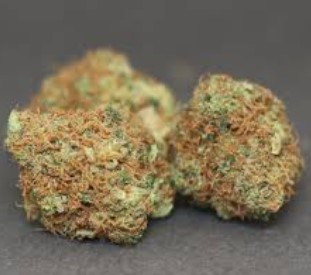
Lavender’s visual appeal is striking, with deep purple hues, dark green leaves, and fiery orange pistils. Its dense buds are coated in a thick layer of frosty trichomes, giving them a silvery sheen. The coloration becomes more pronounced in colder growing conditions, where deep purples and blues emerge prominently.
Aroma
Lavender lives up to its name with a distinct floral, herbal scent reminiscent of fresh lavender flowers. This aroma is complemented by earthy, spicy, and sweet undertones that create a complex olfactory experience. The presence of myrcene, linalool, and caryophyllene in its terpene profile enhances the calming and sedative effects.
Flavor
When smoked or vaporized, Lavender offers a smooth, earthy, and floral taste with hints of spice and sweetness. Some users detect subtle notes of citrus and pepper on the exhale, adding depth to its flavor profile. The lingering lavender aftertaste makes it a favorite for those who appreciate rich and aromatic cannabis strains.
3. THC and CBD Content
THC Levels
Lavender typically boasts THC levels ranging from 18% to 24%, making it a potent strain ideal for users looking for deep relaxation and therapeutic benefits. Its high THC content contributes to its strong sedative effects, making it unsuitable for beginners or those sensitive to THC.
CBD Levels
Lavender contains low CBD levels, usually below 1%, which means it relies primarily on THC and its terpene profile for its medicinal properties. While not rich in CBD, its terpenes and cannabinoids work synergistically to provide relief for a variety of conditions.
4. Medical Uses of Lavender Cannabis Strain
Lavender is a potent Indica-dominant hybrid known for its therapeutic effects in treating a wide range of medical conditions. Its high THC content (18-24%), terpene-rich profile, and strong Indica influence make it an effective remedy for pain, anxiety, sleep disorders, muscle spasms, and inflammation. Below is a detailed scientific breakdown of how Lavender interacts with the body’s systems to provide medical benefits.

Mechanism of Action: How Lavender Affects the Human Body
Lavender primarily interacts with the Endocannabinoid System (ECS), a biological system responsible for regulating pain, mood, sleep, appetite, and immune function.
Key Cannabinoids and Their Effects
- THC (Tetrahydrocannabinol) [18-24%]: Binds to CB1 receptors in the brain, producing pain relief, relaxation, and euphoria. Also modulates the CB2 receptors, reducing inflammation.
- CBD (Cannabidiol) [<1%]: Present in low amounts but still contributes to anti-anxiety and anti-inflammatory effects.
- CBG (Cannabigerol) [Trace Amounts]: Has neuroprotective properties and enhances the anti-inflammatory effects of THC.
Terpene Profile and Therapeutic Properties
Lavender’s medicinal benefits are enhanced by its terpenes, which contribute to both aroma and therapeutic potential.
| Terpene | Effect | Medical Benefits |
|---|---|---|
| Myrcene | Sedative, Muscle Relaxant | Pain relief, Anti-inflammatory, Sleep aid |
| Linalool | Anxiolytic, Antidepressant | Reduces anxiety, Calms the nervous system |
| Caryophyllene | Anti-inflammatory, Neuroprotective | Treats pain, Protects against neurodegenerative diseases |
| Pinene | Bronchodilator, Cognitive enhancer | Reduces inflammation, Supports lung function |
| Humulene | Appetite suppressant, Anti-inflammatory | May help with obesity-related conditions and chronic inflammation |
Pain Management: Chronic and Acute Pain Relief
Lavender is highly effective in reducing both nociceptive and neuropathic pain by interacting with CB1 and CB2 receptors in the central nervous system and peripheral tissues.
Conditions Treated
- Chronic Pain Disorders: Arthritis, fibromyalgia, sciatica, lower back pain
- Neuropathic Pain: Multiple sclerosis, nerve damage, diabetic neuropathy
- Inflammatory Pain: Migraines, rheumatoid arthritis, muscle injuries
Scientific Explanation
- THC inhibits pain signals by binding to CB1 receptors in the spinal cord and brain.
- Caryophyllene activates CB2 receptors, reducing inflammation at the site of injury.
- Myrcene and linalool have muscle relaxant properties, further reducing pain perception.
Comparison with Pharmaceutical Painkillers
Studies show that cannabis strains like Lavender can be as effective as opioids in treating chronic pain without the risk of addiction or overdose.
Anxiety, Depression, and Stress Relief
Lavender is widely used as a natural anxiolytic and antidepressant due to its ability to regulate neurotransmitters like serotonin, dopamine, and GABA.
How It Works
- Linalool and Myrcene reduce cortisol levels, lowering stress.
- THC increases dopamine, leading to improved mood and euphoria.
- CBD enhances serotonin receptor activity, reducing symptoms of anxiety and depression.
Medical Conditions Treated
- Generalized Anxiety Disorder (GAD)
- Post-Traumatic Stress Disorder (PTSD)
- Major Depressive Disorder (MDD)
- Panic Attacks
Scientific Studies
- A 2019 study published in Frontiers in Pharmacology found that linalool-rich cannabis strains significantly reduced anxiety symptoms in animal models.
- THC at low doses has been shown to have antidepressant effects, but high doses may increase anxiety in sensitive individuals.
Sleep Disorders and Insomnia Treatment
Lavender is one of the best natural sleep aids, thanks to its potent sedative effects.
How It Affects Sleep
- Myrcene and Linalool induce deep relaxation by enhancing GABA (gamma-aminobutyric acid), a neurotransmitter that promotes sleep and reduces brain activity.
- THC reduces sleep onset time, helping insomniacs fall asleep faster.
- CBD regulates sleep cycles, improving sleep quality over time.
Medical Conditions Treated
- Primary Insomnia
- Restless Leg Syndrome (RLS)
- Sleep Apnea (by relaxing airway muscles)
- Circadian Rhythm Disorders
Clinical Research
- A 2020 study from the National Sleep Foundation found that cannabis strains high in myrcene and linalool (like Lavender) increased total sleep duration by 30-40% in participants with insomnia.
Muscle Spasticity and Neurological Disorders
Lavender’s muscle relaxant and neuroprotective properties make it effective for spasticity-related conditions.
Medical Conditions Treated
- Multiple Sclerosis (MS) (reduces muscle stiffness)
- Epilepsy and Seizures (CBD’s neuroprotective effects)
- Parkinson’s Disease (reduces tremors and rigidity)
- Amyotrophic Lateral Sclerosis (ALS) (improves muscle control)
How It Works
- Myrcene and THC relax muscle contractions by modulating the central nervous system.
- CBD reduces seizure frequency by interacting with GABA and glutamate receptors.
- Caryophyllene has neuroprotective properties, potentially slowing neurodegenerative diseases.
Supporting Studies
- Clinical trials on cannabis for MS have shown that THC reduces muscle spasticity by up to 40%.
- The FDA-approved drug Epidiolex (CBD-based) is used for seizure treatment, demonstrating cannabis’s effectiveness in neurological conditions.
Anti-Inflammatory and Autoimmune Benefits
Lavender is highly anti-inflammatory, making it useful for autoimmune diseases and chronic inflammatory conditions.
Medical Conditions Treated
- Rheumatoid Arthritis (reduces joint inflammation)
- Lupus (immune system modulation)
- Crohn’s Disease & Ulcerative Colitis (reduces gut inflammation)
- Chronic Fatigue Syndrome (CFS)
Scientific Mechanism
- Caryophyllene and THC suppress pro-inflammatory cytokines (TNF-α, IL-6).
- CBD and Myrcene reduce oxidative stress, preventing tissue damage.
Appetite Stimulation and Nausea Relief
Lavender helps with appetite loss and nausea, making it ideal for cancer patients, HIV/AIDS patients, and those with eating disorders.
Medical Conditions Treated
- Chemotherapy-Induced Nausea and Vomiting (CINV)
- Cachexia (Wasting Syndrome)
- HIV/AIDS-Related Appetite Loss
- Anorexia Nervosa
How It Works
- THC binds to CB1 receptors in the hypothalamus, increasing hunger.
- CBD and Linalool calm the stomach, reducing nausea.
Clinical Studies
A 2021 study in the Journal of Clinical Oncology confirmed that THC-rich cannabis increased appetite by 64% in cancer patients undergoing chemotherapy.
5. Recreational Uses of Lavender Cannabis Strain
Deep Relaxation and Stress Relief
Lavender is a great way to relax after a hard day. It provides a wave of relaxation that is best suited for evening or nighttime use.
Mood Elevation and Euphoria
Users often report feeling happy, euphoric, and uplifted while under the influence of Lavender. This makes it a great strain for social gatherings or solo relaxation.
Couch-Lock and Sedation
Lavender is known for its strong couch-lock effects, making it ideal for users who want to melt into their couch while watching movies or listening to music.
6. Growing Lavender Cannabis Strain
Lavender is a moderately challenging strain to grow, requiring specific environmental conditions, nutrient management, and cultivation techniques to optimize yield and potency. Below is a comprehensive scientific breakdown of the best methods for cultivating Lavender Cannabis effectively.
Environmental Requirements for Optimal Growth
Climate and Temperature
Lavender thrives in a Mediterranean climate, meaning it prefers warm and dry conditions. The optimal temperature range for this strain is:
- Vegetative Stage: 70-80°F (21-27°C)
- Flowering Stage: 68-75°F (20-24°C)
- Nighttime Temperatures: Keeping night temperatures slightly cooler (by 5-10°F) enhances anthocyanin production, which intensifies the strain’s purple hues.
Humidity Control
Managing humidity is critical to preventing mold and mildew, especially because Lavender produces dense buds.
- Seedling Stage: 65-70% RH (Relative Humidity)
- Vegetative Stage: 55-65% RH
- Flowering Stage: 40-50% RH
- Late Flowering/Pre-Harvest: 30-40% RH (to prevent bud rot and enhance trichome production)
Maintaining air circulation and ventilation is crucial in indoor grows to avoid excessive moisture buildup.
Light Requirements
Lavender, like most cannabis strains, is a photoperiod strain, meaning it requires specific light cycles:
- Vegetative Phase: 18/6 light cycle (18 hours of light, 6 hours of darkness)
- Flowering Phase: 12/12 light cycle
For indoor growers, LED grow lights with a full spectrum (including UV and infrared) are recommended to maximize trichome production and cannabinoid content. High-pressure sodium (HPS) lights can also be used, especially in the flowering stage.
Soil and Hydroponic Growing Mediums
Soil Cultivation
Lavender thrives best in well-draining, nutrient-rich soil with the following properties:
- pH Level: 6.0 – 6.5
- Soil Type: Loamy or sandy soil with high organic content
- Key Nutrients: High nitrogen during vegetation, phosphorus and potassium during flowering
Hydroponic Cultivation
Hydroponic methods can enhance Lavender’s growth rate and yield by directly delivering nutrients to the root system.
Recommended Hydroponic Systems:
- Deep Water Culture (DWC): Fast growth with high oxygenation
- Nutrient Film Technique (NFT): Efficient nutrient uptake
- Coco Coir Hydroponics: Provides a balance of soil-like buffering and hydroponic speed
Ideal Hydroponic pH Range: 5.5 – 6.0
Nutrient Requirements and Feeding Schedule
Lavender requires different nutrient balances at each stage of growth:
Vegetative Stage (Weeks 1-5)
- Nitrogen (N): High (for leaf and stem development)
- Phosphorus (P): Moderate
- Potassium (K): Moderate
- Micronutrients: Calcium (Ca), Magnesium (Mg), Sulfur (S), and Iron (Fe)
Recommended N-P-K Ratio: 4-2-3
Pre-Flowering (Weeks 6-7)
- Reduce Nitrogen: To prevent excessive leafy growth
- Increase Phosphorus and Potassium: To promote bud formation
Recommended N-P-K Ratio: 2-3-4
Flowering Stage (Weeks 8-10)
- Phosphorus (P) & Potassium (K): Essential for large, resinous buds
- Carbohydrates (Molasses or Carbo-Boosters): Increase terpene production
Recommended N-P-K Ratio: 1-3-5
Flushing (Final 10-14 Days Before Harvest)
- Stop all nutrients
- Flush plants with pH-balanced water (6.0-6.5 pH) or a flushing agent to remove excess salts and enhance flavor
Training Techniques for Maximum Yield
Lavender grows with a bushy structure, making certain training methods ideal:
Low-Stress Training (LST)
- Creating an even canopy by bending and tying down branches
- Increases light penetration and maximizes bud sites
Topping
- Cutting the main stem early (Week 3-4) to promote two main colas
- Encourages bushier growth and increases yield
Sea of Green (SOG)
- Growing many small plants close together
- Reduces vegetative time and optimizes indoor space
Screen of Green (ScrOG)
- Training branches horizontally with a net
- Improves light exposure and boosts yields significantly
Flowering, Harvesting, and Post-Harvest Processing
Flowering Stage (8-10 Weeks)
- Early Flowering (Weeks 1-3): First signs of bud formation, requires continued phosphorus and potassium
- Mid-Flowering (Weeks 4-6): Buds begin swelling; trichome development increases
- Late Flowering (Weeks 7-10): Peak terpene and cannabinoid production
Harvesting Criteria
To determine harvest readiness, inspect trichomes under a magnifier:
- Clear trichomes: THC is not fully developed; it is too early.
- Milky trichomes: Peak THC levels, best for strong psychoactive effects
- Amber trichomes: THC is converting to CBN, leading to a more sedative effect
Ideal Harvest Window: 70% milky, 30% amber trichomes
Drying Process
- Temperature: 60-70°F (15-21°C)
- Humidity: 50-60%
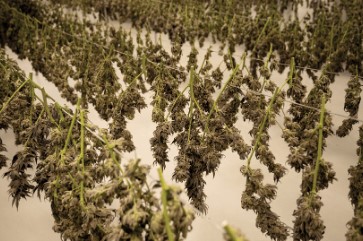
- Drying Time: 7-14 days (slow drying preserves terpenes)
- Method: Hang branches upside-down in a dark, well-ventilated space
Curing Process
- Put the dried buds in glass jars that are airtight.
- Store in a cool, dark place (60-65°F)
- For the first two weeks, open the jars every day to let out extra moisture.
- Ideal curing time: 2-4 weeks (enhances flavor, aroma, and smoothness)
Common Cultivation Challenges
Pest Management
Lavender is susceptible to spider mites, aphids, and whiteflies. Preventative measures include:
- Using Neem oil or insecticidal soap
- Introducing beneficial insects (ladybugs, predatory mites)
Mold & Mildew Prevention
Due to its dense buds, Lavender is prone to bud rot (Botrytis). Preventative measures:
- Keep humidity below 50% in flowering stage
- Increase air circulation with oscillating fans
Nutrient Deficiencies & Excesses
- Nitrogen Deficiency (Yellow Leaves): Increase N during vegetative growth
- Potassium Deficiency (Burnt Leaf Edges): Add K-rich fertilizers in flowering
- Overfeeding (Nutrient Burn): Reduce feeding and flush plants if necessary
Potential Side Effects of Lavender Cannabis Strain
Common Side Effects
- Dry Mouth (Cottonmouth): Staying hydrated can help reduce discomfort.
- Dry Eyes: Using moisturizing eye drops can provide relief.
- Dizziness: Occurs when consumed in high doses.
Less Common Side Effects
- Paranoia and Anxiety: Sensitive users may experience mild paranoia, particularly with excessive consumption.
- Grogginess: Due to its sedative nature, Lavender can cause drowsiness the next morning.
8. Conclusion
Lavender is a powerful Indica-dominant hybrid with an exceptional aroma, rich terpene profile, and potent effects. Its high THC content makes it an excellent choice for those seeking relaxation, pain relief, and sleep assistance. While it is not ideal for daytime use, it is perfect for evening relaxation and medical relief. Whether used recreationally or medicinally, Lavender remains a top-tier cannabis strain valued for its soothing and therapeutic properties.
For a complete directory of cultivars, visit our Cannabis Strain Reviews.
