Table of Contents
Larry OG, also known as “Lemon Larry” or “Larry OG Kush,” is a hybrid cannabis strain that has gained popularity among both recreational users and medical cannabis patients for its versatile effects, potent cannabinoid profile, and distinct flavor. This document provides a detailed exploration of Larry OG, including its origins, genetics, physical characteristics, terpene profile, cannabinoid content, medical applications, recreational uses, and scientific insights into its effects and benefits.
Origins and Genetics
Larry OG is a hybrid strain that originated from the famous OG Kush lineage, which has its roots in the Southern California cannabis scene. Specifically, Larry OG is a cross between OG Kush and SFV OG (San Fernando Valley OG). Both parent strains are renowned for their potent effects and robust profiles, making Larry OG a standout in the OG family.
OG Kush is one of the most iconic cannabis strains, known for its balanced effects, earthy and citrus flavors, and high THC content. SFV OG, on the other hand, contributes a unique lemony aroma and slightly uplifting effects. The combination of these two parent strains gives Larry OG a distinctive genetic profile that blends relaxation with subtle euphoria.
Physical Characteristics
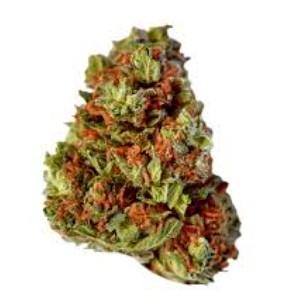
Larry OG plants typically exhibit the following physical traits:
- Appearance: The buds are dense, compact, and often cone-shaped. They are light green in color with orange pistils weaving through the flower.
- Trichomes: Larry OG is heavily coated with a thick layer of frosty trichomes, which contribute to its high resin production and potency.
- Size: The plant has medium-sized buds that are sticky to the touch, indicating a high concentration of cannabinoids and terpenes.
Terpene Profile
The unique aroma and flavor of Larry OG are largely attributed to its terpene profile. The dominant terpenes in Larry OG include:
- Limonene: This terpene gives Larry OG its signature citrus and lemon aroma. Limonene is also known for its mood-enhancing and stress-relieving properties.
- Myrcene: Myrcene provides earthy and musky notes, which contribute to the strain’s relaxing and sedative effects.
- Caryophyllene: Caryophyllene adds a spicy, peppery undertone to the flavor and is known for its anti-inflammatory properties.
- Pinene: This terpene adds a hint of pine aroma and can help promote alertness and focus.
Cannabinoid Content
Larry OG is primarily known for its high THC content, which typically ranges between 18% and 24%. Some phenotypes may reach even higher levels of THC. The strain usually contains low levels of CBD (less than 1%), but its effects are enhanced by the entourage effect, where cannabinoids and terpenes work together synergistically.
Flavor and Aroma
Larry OG’s flavor profile is a delightful combination of citrus, pine, and earthy undertones. Users often describe the taste as a mix of lemon zest and sweet, herbal notes. The aroma is similarly refreshing, with a pungent citrus scent that’s complemented by earthy and spicy hints.
Effects and Benefits
Larry OG is widely regarded for its balanced effects, which combine the cerebral uplift of a sativa with the physical relaxation of an indica. Here is a breakdown of its effects and uses:
Recreational Uses

- Relaxation: Larry OG provides a calming body high that makes it ideal for unwinding after a long day. It’s perfect for social gatherings or solo relaxation sessions.
- Euphoria: Users often experience a wave of happiness and mild euphoria, which can enhance mood and reduce feelings of stress.
- Creativity: While primarily relaxing, Larry OG has mild cerebral effects that can stimulate creative thinking in low to moderate doses.
- Flavor Enjoyment: Recreational users who appreciate complex flavors often choose Larry OG for its delightful citrus and earthy taste.
- Evening Use: Due to its relaxing properties, Larry OG is typically consumed in the evening or late afternoon.
Medical Applications
Larry OG is highly regarded in the medical cannabis community for its therapeutic potential. Here are some of its medical uses:
- Pain Management: The strain’s high THC content and anti-inflammatory terpenes like caryophyllene make it effective for alleviating chronic pain, migraines, and muscle spasms.
- Stress Relief: Limonene’s mood-enhancing properties, combined with the strain’s euphoric effects, help reduce stress and anxiety levels.
- Insomnia: The relaxing body high of Larry OG makes it a popular choice for patients struggling with sleep disorders or insomnia.
- Appetite Stimulation: Larry OG’s ability to stimulate appetite can be beneficial for patients undergoing treatments like chemotherapy or those with conditions like anorexia.
- Depression: Its uplifting effects can help improve mood and alleviate symptoms of depression.
- Nausea: Larry OG is sometimes used to reduce nausea, especially in patients undergoing treatments that affect the gastrointestinal system.
Scientific Insights
The effects and benefits of Larry OG can be attributed to its unique chemical composition, which creates a synergistic interaction known as the entourage effect. Here are some scientific insights into its components:
- THC: The primary psychoactive compound in Larry OG, THC interacts with the endocannabinoid system’s CB1 receptors, producing its characteristic euphoric and relaxing effects. THC also plays a key role in pain relief, appetite stimulation, and mood enhancement.
- Terpenes: Terpenes like limonene and myrcene modulate the effects of THC. For example, limonene enhances mood and provides stress relief, while myrcene contributes to sedation and relaxation.
- Entourage Effect: The combination of cannabinoids and terpenes amplifies the strain’s therapeutic potential. This interplay can enhance pain relief, reduce inflammation, and promote a sense of well-being.
- Neuroprotective Properties: Emerging research suggests that THC and certain terpenes may have neuroprotective properties, making Larry OG a potential candidate for managing neurodegenerative disorders like Alzheimer’s and Parkinson’s disease.
Potential Side Effects
While Larry OG is generally well-tolerated, it can cause some side effects, especially in inexperienced users or those who consume high doses. Common side effects include:
- Dry Mouth: Also known as cottonmouth, this is a common side effect of most cannabis strains.
- Dry Eyes: Users may experience mild eye dryness or irritation.
- Dizziness: High doses can sometimes cause dizziness or lightheadedness.
- Paranoia: In rare cases, individuals sensitive to THC may experience heightened anxiety or paranoia.
- Sedation: Overconsumption may lead to excessive sedation, making it difficult to stay awake or alert.
Cultivation Information
1. Genetic Expression and Phenotype Selection
- Genotype and Phenotype: Larry OG, as a hybrid, expresses traits from both OG Kush and SFV OG. By cultivating multiple seeds, growers can identify phenotypes with desirable traits such as higher resin production, faster flowering times, or specific terpene profiles.
- Environmental Influence: Factors such as temperature, light spectrum, and nutrients affect how the genotype expresses itself, meaning careful environmental control is key for consistency.
2. Optimal Growth Environment
- Temperature and Humidity: Maintaining a temperature range of 70–80°F (21–26°C) during the vegetative stage and slightly cooler temperatures (65–75°F or 18–24°C) during flowering promotes healthy growth. Humidity should be kept around 40–50% during flowering to avoid mold issues.
- Lighting: Larry OG thrives under high-intensity lighting, such as LED or HPS grow lights, which provide a full spectrum that mimics sunlight.18 hours of on and 6 hours of off light during the vegetative stage and 12 hours on/12 hours off during flowering triggers proper growth stages.
3. Soil and Growing Mediums
- Soil: A well-aerated, nutrient-rich soil with organic matter supports Larry OG’s root development. Amendments like perlite and coco coir enhance drainage and oxygenation.
- Hydroponics and Aeroponics: These methods can optimize nutrient delivery, leading to faster growth and larger yields. Hydroponic systems allow for precise control over nutrient levels, while aeroponics further enhances oxygen availability to the roots.
4. Nutrient Requirements
- Nitrogen (N): During the vegetative stage, Larry OG requires higher nitrogen levels to support vigorous leaf and stem growth.
- Phosphorus (P) and Potassium (K): During flowering, the plant’s need for phosphorus and potassium increases to improve resin synthesis and bud development.
- Micronutrients: Calcium, magnesium, and iron are critical for metabolic functions and overall plant health.
- pH Balance: The pH of the growing medium should be between 6.0–6.5 for soil and 5.5–6.0 for hydroponic setups to ensure nutrient uptake.
5. Training Techniques
- Low-Stress Training (LST): This involves bending and tying branches to increase light exposure and airflow, which can enhance bud production.
- Topping and FIMing: These high-stress techniques involve cutting the main stem or growth tips to encourage lateral growth and improve canopy structure.
- Defoliation: Removing excess leaves can improve light penetration and airflow, reducing the risk of mold and pests.
6. Pest and Disease Management
- Integrated Pest Management (IPM): Preventative measures such as introducing beneficial insects (e.g., ladybugs or predatory mites) can control pests like spider mites and aphids.
- Fungicides: Organic fungicides like neem oil or sulfur sprays can prevent mold and mildew.
- Disease-Resistant Practices: Maintaining clean tools, avoiding overwatering, and ensuring proper air circulation help prevent root rot and other fungal issues.
7. Flowering and Harvesting
- Flowering Stage: Larry OG flowers in 8–10 weeks. Trichome development and terpene production peak during this stage, with buds becoming dense and resinous.
- Harvest Timing: The optimal time to harvest is when the trichomes are mostly milky white with some amber hues, indicating maximum cannabinoid potency and terpene preservation.
- Drying and Curing: Proper drying (50–60% humidity, 60–70°F) and curing (in airtight jars with occasional burping) enhance the flavor, potency, and smoothness of the final product.
8. Environmental Science
- CO2 Enrichment: Supplementing CO2 levels in the grow space to around 1,200–1,500 ppm during the vegetative and flowering stages can significantly enhance growth rates and yields.
- Air Circulation: Proper ventilation and the use of oscillating fans ensure consistent airflow, reducing heat stress and preventing the buildup of humidity, which can lead to mold and mildew.
9. Cloning and Propagation
- Cloning: Taking cuttings from a healthy mother plant allows growers to maintain genetic consistency and desirable traits.
- Tissue Culture: An advanced propagation method where plant cells are cultured in a sterile environment. This can eliminate pathogens and preserve rare genetics.
10. Data Monitoring and Automation
- Sensors: Environmental sensors can monitor temperature, humidity, CO2, and light levels to ensure optimal growing conditions.
- Automated Systems: Irrigation, lighting, and nutrient delivery systems controlled by timers or apps help maintain consistency and reduce labor.
Methods of Ingestion
Larry OG can be consumed in several forms, each affecting the onset, intensity, and duration of effects. Here’s an overview of the most common methods:
1. Smoking
- Description: Smoking involves inhaling combusted flower through a joint, pipe, or bong.
- Onset: Effects are typically felt within 1–3 minutes due to rapid absorption of THC through the alveoli in the lungs.
- Duration: Effects generally last 2–3 hours but may taper off gradually.
- Bioavailability: Smoking provides a bioavailability of approximately 25–30% (the percentage of THC entering the bloodstream).
- Considerations: Smoking may produce harsher effects on the lungs due to combustion byproducts (e.g., tar and carbon monoxide).
2. Vaporization
- Description: Vaporizing heats cannabis to a temperature where cannabinoids and terpenes vaporize without combusting the plant material.
- Onset: Effects occur within 1–5 minutes, similar to smoking.
- Duration: Effects last around 2–4 hours but may feel slightly less intense than smoking.
- Bioavailability: Vaporization offers slightly higher bioavailability, around 30–40%.
- Considerations: Vaporizing preserves terpenes and is considered healthier than smoking due to the absence of harmful combustion byproducts.
3. Edibles

- Description: Edibles include any cannabis-infused food or drink, such as gummies, baked goods, or beverages.
- Onset: Effects take 30–90 minutes to manifest because THC is metabolized in the liver. Delta-9-THC is converted to 11-hydroxy-THC, a more potent metabolite.
- Duration: Effects can last 6–8 hours or longer, depending on the dose and individual metabolism.
- Bioavailability: Bioavailability is typically lower than inhalation, around 4–20%, due to first-pass metabolism.
- Considerations: Edibles are more potent and long-lasting but harder to dose accurately. This can lead to overconsumption if users are impatient during the delayed onset.
4. Sublingual (Tinctures or Sprays)
- Description: Cannabis tinctures or sprays are administered under the tongue, allowing cannabinoids to absorb through the sublingual gland.
- Onset: Effects are felt within 15–30 minutes due to direct absorption into the bloodstream.
- Duration: Effects last 4–6 hours, offering a middle ground between inhalation and edibles.
- Bioavailability: Sublingual administration provides moderate bioavailability of around 13–19%.
- Considerations: Sublingual methods are discreet, easy to dose, and ideal for users seeking faster relief without smoking or vaping.
5. Topicals
- Description: Creams, balms, or patches containing cannabis are applied topically.
- Onset: Effects typically begin within 15–30 minutes for localized relief.
- Duration: Effects can last 4–8 hours, depending on the product and application.
- Bioavailability: Cannabinoids in topicals generally do not enter the bloodstream unless they are transdermal (e.g., patches).
- Considerations: Topicals are ideal for localized pain or inflammation and do not produce psychoactive effects unless formulated for transdermal absorption.
6. Dabbing
- Description: Dabbing involves inhaling vaporized cannabis concentrates (e.g., wax, shatter, or live resin) using a dab rig or electronic vaporizer.
- Onset: Effects are nearly instantaneous, typically within seconds to 2 minutes.
- Duration: Effects last around 1–3 hours, shorter than other methods.
- Bioavailability: Dabbing has the highest bioavailability, around 50–80%, due to the high concentration of THC in concentrates.
- Considerations: Dabbing provides intense effects, suitable for experienced users, but may cause respiratory irritation.
7. Capsules and Pills
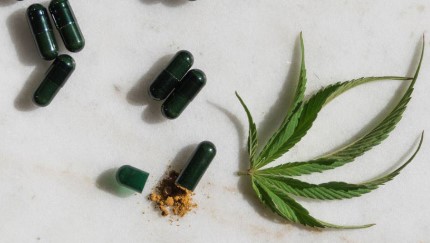
- Description: Cannabis oil or extract is encapsulated for oral consumption.
- Onset: Effects occur within 30–90 minutes, similar to edibles.
- Duration: The effects may linger for at least 6 to 8 hours.
- Bioavailability: Similar to edibles, around 4–20%.
- Considerations: Capsules offer precise dosing but have delayed onset due to digestion.
Onset and Duration by Method
| Method | Onset Time | Peak Effects | Duration |
|---|---|---|---|
| Smoking | 1–3 minutes | 15–30 minutes | 2–3 hours |
| Vaporization | 1–5 minutes | 15–30 minutes | 2–4 hours |
| Edibles | 30–90 minutes | 1–2 hours after onset | 6–8 hours |
| Sublingual | 15–30 minutes | 30–60 minutes | 4–6 hours |
| Topicals | 15–30 minutes | Localized relief (steady) | 4–8 hours |
| Dabbing | Seconds–2 minutes | 10–20 minutes | 1–3 hours |
| Capsules | 30–90 minutes | 1–2 hours after onset | 6–8 hours |
Factors Influencing Onset and Duration
- Metabolism: Individual metabolic rates significantly impact how quickly THC is processed and how long effects last. Faster metabolisms result in quicker onset and shorter durations.
- Body Composition: THC attaches to fat cells because it is lipophilic. Individuals with higher body fat may experience prolonged effects as THC is slowly released from fat stores.
- Tolerance: Regular cannabis users may have a higher tolerance, resulting in delayed onset and shorter duration of effects.
- Dosage: Higher doses generally lead to longer durations of effects, though the onset time may not significantly change.
- Consumption Timing: Taking cannabis on an empty stomach (for edibles or capsules) results in faster onset compared to consuming it after a meal.
Scientific Mechanisms Behind Onset and Duration
- Absorption: Inhalation methods bypass the digestive system and liver, allowing cannabinoids to rapidly enter the bloodstream through the lungs. Edibles, however, must undergo digestion and first-pass metabolism in the liver, slowing onset but creating a more potent metabolite (11-hydroxy-THC).
- Receptor Binding: THC binds to CB1 receptors in the brain, triggering psychoactive effects. The duration of effects depends on how long THC remains active in the endocannabinoid system before being metabolized.
- Metabolism: Liver enzymes, particularly cytochrome P450, break down THC into metabolites. 11-hydroxy-THC is more potent and has a longer half-life, contributing to the prolonged effects of edibles.
- Distribution: After absorption, THC is distributed throughout the body. It concentrates in fatty tissues, which can extend the duration of effects as THC is slowly released.
- Elimination: THC is eliminated from the body through urine and feces, with a half-life of approximately 1–2 days for occasional users and longer for frequent users.
Consumer Feedback
Larry OG is highly regarded by consumers for its versatility and consistent effects. Common feedback includes:
- Recreational Users: Many users appreciate the strain’s ability to relax the body without completely sedating the mind, making it suitable for various activities.
- Medical Patients: Patients often praise Larry OG for its effectiveness in managing pain, stress, and insomnia. Its balanced effects make it a go-to strain for a wide range of medical conditions.
- Flavor Enthusiasts: The citrus-forward flavor profile is frequently highlighted as one of the strain’s standout features.
Comparison to Other Strains
Larry OG is often compared to other OG strains, such as Tahoe OG, Skywalker OG, and SFV OG. Here’s how it stands out:
- Tahoe OG: While both strains are relaxing, Tahoe OG leans more towards sedation, making Larry OG a better option for daytime use.
- Skywalker OG: Skywalker OG is more indica-dominant and is often used for sleep, whereas Larry OG offers a more balanced hybrid experience.
- SFV OG: As one of its parent strains, SFV OG shares Larry OG’s citrus notes but has a slightly more uplifting and sativa-like effect.
Final Thoughts
Larry OG is a well-rounded cannabis strain that offers a blend of relaxation, euphoria, and therapeutic benefits. Its high THC content, unique flavor profile, and balanced effects make it a popular option for both medical patients and recreational consumers. Whether you’re looking to unwind after a long day, manage chronic pain, or enjoy a flavorful cannabis experience, Larry OG has something to offer. With its strong genetic lineage and versatile applications, it’s no surprise that Larry OG remains a favorite in the cannabis community.
For a complete directory of cultivars, visit our Cannabis Strain Reviews.
