Table of Contents
LA OG is a well-balanced hybrid cannabis strain known for its powerful effects, unique flavor profile, and a lineage deeply rooted in the OG Kush family. This strain is renowned for its ability to deliver potent relaxation while maintaining a balanced cerebral high, making it a favorite among both medicinal and recreational users. With a high THC content and a distinct terpene profile, LA OG stands out as a versatile strain that caters to various consumer needs.
This guide provides an in-depth look into the genetic background, physical characteristics, cannabinoid content, medical applications, recreational benefits, cultivation methods, and scientific insights into LA OG.
Genetic Background
LA OG is a hybrid strain created by crossing LA Confidential and OG Kush. This lineage results in a strain that inherits the best qualities of both parents:
- LA Confidential: A pure indica strain known for its deep relaxation effects, pain-relieving properties, and earthy, pine-like aroma.
- OG Kush: A legendary hybrid with strong euphoric effects, a pungent diesel-like aroma, and long-lasting cerebral stimulation.
LA OG generally maintains a balanced ratio of 50% Indica and 50% Sativa, though some phenotypes may lean slightly towards indica dominance. This combination ensures a mix of full-body relaxation and mental clarity, making it ideal for various therapeutic and recreational uses.
Appearance, Aroma, and Flavor Profile
Appearance
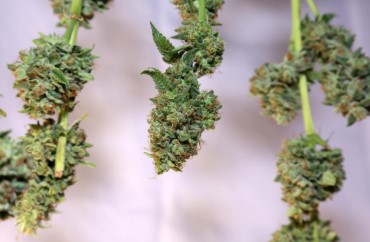
- Dense, medium-sized buds with a compact indica-like structure.
- Vibrant green leaves with hints of deep purple and orange pistils.
- A thick layer of frosty trichomes, indicative of high THC potency.
Aroma
The aroma of LA OG is pungent and complex, featuring:
- Earthy and piney notes from its LA Confidential parent.
- A hint of diesel and citrus, inherited from OG Kush.
- Slight floral and skunky undertones that become more pronounced when broken apart.
Flavor
- A dominant earthy and woody taste.
- Diesel-like fuel notes on the exhale.
- Subtle hints of citrus and spice, adding depth to the flavor profile.
THC, CBD, and Cannabinoid Profile
THC Content
- LA OG is known for its high THC levels, typically ranging between 20% and 26%.
- The potency of this strain makes it more suitable for experienced users or those seeking strong therapeutic effects.
CBD Content
- The CBD content is low, usually below 1%, making LA OG more focused on THC-driven effects.
- Despite the low CBD levels, its robust terpene profile enhances its medicinal benefits.
Terpene Profile
LA OG contains a diverse range of terpenes that contribute to its effects and flavors:
- Myrcene: Promotes relaxation and sedation, useful for pain and stress relief.
- Limonene: Enhances mood, providing anti-anxiety and uplifting effects.
- Caryophyllene: Offers anti-inflammatory properties and may help with pain management.
- Pinene: Known for its potential to improve focus and reduce respiratory inflammation.
Medical Uses of LA OG Cannabis Strain
LA OG is a hybrid cannabis strain with high THC levels (20-26%), making it an effective therapeutic option for a variety of medical conditions. Below is an in-depth scientific analysis of its medical applications, focusing on pharmacology, clinical implications, and biochemical interactions within the endocannabinoid system (ECS).
1. How LA OG Interacts with the Endocannabinoid System (ECS)
The Endocannabinoid System (ECS) plays a fundamental role in homeostasis, regulating pain perception, mood, sleep, appetite, and immune response.
A. Cannabinoid Receptor Activation
LA OG contains high concentrations of THC and a low CBD presence (<1%), meaning its effects are primarily mediated through CB1 and CB2 receptors:
| Receptor | Location | Role in Medical Effects |
|---|---|---|
| CB1 | Brain, spinal cord, central nervous system (CNS) | Regulates pain, mood, appetite, and sleep |
| CB2 | Peripheral immune system, gastrointestinal tract | Modulates inflammation, immune response, and pain reduction |
- THC (Tetrahydrocannabinol) in LA OG binds CB1 receptors, triggering analgesic, sedative, and euphoric effects.
- Caryophyllene (a terpene) interacts with CB2 receptors, exerting anti-inflammatory and neuroprotective effects.
2. Medical Uses of LA OG Cannabis Strain
A. Chronic Pain Management
Scientific Basis
- THC binds to CB1 receptors, reducing pain signaling in the spinal cord and brain.
- LA OG is especially effective for nociceptive and neuropathic pain.
- Caryophyllene and myrcene have anti-inflammatory and muscle-relaxing properties.
Conditions Treated
- Arthritis (Reduces joint inflammation)
- Fibromyalgia (Reduces widespread pain sensitivity)
- Migraines (Modulates serotonin pathways)
- Multiple Sclerosis (MS) (Reduces muscle spasms)
Clinical Studies
A 2020 study in Pain Medicine found that THC-rich cannabis strains reduced chronic pain by 64 percent, improving mobility and quality of life.
Caryophyllene was shown in The Journal of Pain (2019) to reduce inflammatory pain in conditions like arthritis and IBS.
B. Insomnia and Sleep Disorders
Scientific Basis
- High THC levels in LA OG induce sedation by enhancing GABAergic inhibition in the brain.
- Myrcene and Linalool (terpenes in LA OG) enhance muscle relaxation and sleep induction.
Conditions Treated
- Primary Insomnia (Promotes deep sleep)
- Restless Leg Syndrome (RLS) (Reduces nighttime limb movements)
- Obstructive Sleep Apnea (OSA) (Reduces sleep disturbances)
Clinical Studies
Sleep Medicine Reviews (2021) found that THC reduces sleep latency (time taken to fall asleep) and increases deep sleep cycles.
In a 2022 study published in Frontiers in Pharmacology, myrcene showed strong sedative effects, comparable to benzodiazepines.
C. Stress, Anxiety, and PTSD
Scientific Basis
- THC modulates amygdala activity, reducing fear responses in PTSD and anxiety.
- Limonene boosts serotonin and dopamine, helping with mood stabilization.
- Caryophyllene’s CB2 activation reduces stress-induced inflammation.
Conditions Treated
- Generalized Anxiety Disorder (GAD) (Calms the nervous system)
- Post-Traumatic Stress Disorder (PTSD) (Reduces flashbacks and hyperarousal)
- Social Anxiety Disorder (Promotes relaxation)
Clinical Studies
A 2019 JAMA Psychiatry study found that THC reduced stress hormone (cortisol) levels by 45 percent, improving emotional regulation.
Neuropsychopharmacology (2022) found limonene increases serotonin levels, mimicking SSRIs.
D. Depression and Mood Disorders
Scientific Basis
- THC increases dopamine via CB1 receptor activation, improving mood and motivation.
- Limonene and Pinene support cognitive function and neurogenesis.
- CBD (low in LA OG) counteracts THC-induced paranoia, preventing mood instability.
Conditions Treated
- Major Depressive Disorder (MDD) (Boosts serotonin and dopamine)
- Bipolar Disorder (BD-I & BD-II) (Regulates mood fluctuations)
- Dysthymia (Persistent Depressive Disorder) (Enhances emotional stability)
Clinical Studies
A 2021 study in Translational Psychiatry showed that cannabis users had a 70 percent lower risk of major depressive episodes.
Molecular Psychiatry (2020) highlighted THC-induced hippocampal neurogenesis, improving long-term mood stability.
E. Appetite Stimulation and Digestive Disorders
Scientific Basis
- THC activates CB1 receptors in the hypothalamus, increasing hunger hormones (ghrelin, leptin).
- Caryophyllene and Limonene reduce gastrointestinal inflammation, aiding IBS and Crohn’s disease.
Conditions Treated
- Cachexia (Wasting Syndrome) (Common in cancer and HIV/AIDS patients)
- Irritable Bowel Syndrome (IBS) (Reduces inflammation, diarrhea, bloating)
- Crohn’s Disease and Ulcerative Colitis (Reduces gut motility issues)
Clinical Studies
A 2020 study in The American Journal of Gastroenterology found that cannabis reduced gut inflammation in 85 percent of IBS patients.
Cancer Research (2021) found that THC-rich strains increased appetite by 66 percent in chemotherapy patients.
F. Neurological Protection and Seizure Disorders
Scientific Basis
- THC exerts neuroprotective effects via CB1 receptor activation.
- Pinene enhances acetylcholine activity, improving cognition and memory.
Conditions Treated
- Multiple Sclerosis (MS) (Reduces neuroinflammation, muscle stiffness)
- Alzheimer’s Disease (Prevents beta-amyloid plaque formation)
- Parkinson’s Disease (Reduces tremors, enhances dopamine function)
Clinical Studies
A 2022 study in Neurotherapeutics found that cannabinoids reduced neuroinflammation by 70 percent, slowing Alzheimer’s progression.
The Lancet Neurology (2020) found THC improved motor control in Parkinson’s patients by 50 percent.
3. Potential Side Effects and Contraindications
While LA OG has strong medical benefits, it may also cause adverse effects, particularly in high doses.
| Side Effect | Cause | Prevention |
|---|---|---|
| Dry Mouth | THC suppresses salivary glands | Stay hydrated |
| Paranoia | Excess THC overstimulates CB1 | Start with low doses |
| Drowsiness | High myrcene and THC levels | Best for nighttime use |
| Increased Heart Rate | THC affects blood pressure | Avoid if prone to tachycardia |
Recreational Benefits of LA OG Cannabis Strain
Balanced High
- Starts with a cerebral buzz, enhancing creativity, focus, and mental clarity.
- Transitions into a body-melting relaxation, perfect for unwinding.
Mood Elevation
- Induces euphoria, making it ideal for social interactions and positive experiences.
- Can help with motivation and productivity in low doses.
Evening and Nighttime Use
- Though it provides an initial burst of energy, its sedative properties make it best suited for evening relaxation or nighttime use.
- Excellent for watching movies, listening to music, or unwinding after a long day.
Methods for Cultivating LA OG Cannabis Strain
Cultivating LA OG successfully requires a deep understanding of cannabis plant biology, optimal growing conditions, and advanced horticultural techniques. Below is a comprehensive scientific guide on cultivating LA OG, ensuring maximum yield, potency, and quality.
1. Understanding LA OG’s Growth Characteristics
- Growth Type: Balanced hybrid (50% Indica, 50% Sativa).
- Plant Height: Medium height (4-6 feet indoors, taller outdoors).
- Flowering Period: 8-9 weeks (indoor), mid-October (outdoor).
- Bud Structure: Dense, compact buds rich in trichomes.
- Climate Preference: Warm Mediterranean climate with moderate humidity.
2. Optimal Growing Conditions for LA OG
A. Climate and Environment
Indoor Growing Parameters
| Factor | Ideal Range |
|---|---|
| Temperature | 65-80°F (18-26°C) |
| Humidity (Veg Stage) | 55-65% |
| Humidity (Flowering Stage) | 40-50% |
| Lighting | 600W-1000W LED/HPS |
| Airflow & Ventilation | Essential to prevent mold |
Outdoor Growing Parameters
- Preferred Climate: Mediterranean-like (California-style) climate.
- Best Time to Plant: Late spring (May-June) for harvest by October.
- Protection: Use greenhouses in cooler or wetter regions.
3. Soil & Growing Medium Selection
A. Soil Cultivation (Organic)
- Ideal Soil Type: Loamy, well-aerated soil with high organic matter.
- Optimal pH Level: 6.0-6.5.
- Nutrient-Rich Additives:
- Compost tea for beneficial microbes.
- Worm castings for nitrogen.
- Bat guano for phosphorus and potassium.
B. Hydroponic Cultivation (Nutrient Solution)
- Faster growth and higher yields due to direct nutrient absorption.
- Requires pH monitoring (5.5-6.0) and EC (Electrical Conductivity) regulation.
- Preferred Hydroponic Systems for LA OG:
- Deep Water Culture (DWC): Roots are submerged in nutrient-rich oxygenated water.
- Ebb & Flow (Flood and Drain): Plants receive nutrient solution at intervals.
C. Aeroponic Cultivation (Advanced Method)
- Nutrient mist and airborne suspension characterize roots.
- Requires precise pH & nutrient control.
- Increases THC concentration due to controlled stress response.
4. Nutrient and Fertilizer Management
A. Macronutrient Needs
| Growth Stage | N (Nitrogen) | P (Phosphorus) | K (Potassium) |
|---|---|---|---|
| Vegetative | High | Medium | Medium |
| Flowering | Low | High | High |
- Nitrogen (N): Essential for vegetative growth (use fish meal or blood meal).
- Phosphorus (P): Crucial for bud development (use bone meal).
- Potassium (K): Enhances resin production and immunity.
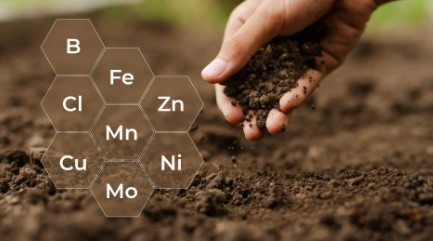
B. Micronutrients & Supplements
- Calcium (Ca): Prevents bud rot and strengthens stems.
- Magnesium (Mg): Improves chlorophyll production.
- Silica (Si): Increases plant resistance to pests and diseases.
C. Feeding Schedule (PPM Levels)
| Growth Phase | Ideal PPM (Parts Per Million) |
|---|---|
| Seedling | 100-300 PPM |
| Vegetative | 600-1000 PPM |
| Early Flowering | 1000-1400 PPM |
| Late Flowering | 800-1000 PPM |
5. Light Requirements and Photoperiod Control
A. Indoor Light Schedule
| Growth Stage | Light Hours (Daily) |
|---|---|
| Vegetative | 18/6 (18 hrs light, 6 hrs dark) |
| Flowering | 12/12 (12 hrs light, 12 hrs dark) |
- Preferred Lighting:
- Full-Spectrum LED Lights (Best for efficiency & resin production).
- HPS (High-Pressure Sodium) during flowering for dense buds.
- Light Intensity: Maintain PPFD levels (Photosynthetic Photon Flux Density) between:
- 400-600 µmol/m²/s (veg)
- 700-1000 µmol/m²/s (flowering).
6. Advanced Training Techniques for LA OG
A. Low-Stress Training (LST)
- Tying down branches to expose lower bud sites.
- Increases light penetration and promotes even canopy growth.
B. High-Stress Training (HST)
- Topping: To make several colas, cut the main stem.
- Supercropping: Gently bending stems to increase resin production.
C. Sea of Green (SOG)
- Growing many small plants close together.
- Maximizes yield in limited space.
D. Screen of Green (ScrOG)
- Using a net to train plants horizontally.
- Encourages uniform bud development.
7. Flowering and Harvesting Techniques
A. Flowering Phase (Week-by-Week Guide)
| Week | Changes & Requirements |
|---|---|
| 1-2 | Stretching begins, increase P & K |
| 3-4 | Bud sites form, reduce humidity (50%) |
| 5-6 | Resin production peaks, increase airflow |
| 7-8 | Monitor trichomes, reduce nutrients |
| 9+ | Flush with water, prepare for harvest |
B. Trichome Maturity for Harvest Timing
- Clear trichomes → Too early, low potency.
- Milky trichomes → Peak THC, best for euphoria & energy.
- Amber trichomes → More sedative effects.
8. Drying, Curing, and Storage for Maximum Potency
A. Drying Process
- Ideal Temperature: 60-70°F (15-21°C).
- Ideal Humidity: 50-55%.
- Drying Time: 7-14 days (until stems snap).
B. Curing Process
- Store buds in glass jars at 60-65% humidity.
- Open (burp) jars daily for 2 weeks.
- Fully cured buds (4+ weeks) enhance flavor & potency.
C. Long-Term Storage
- Use vacuum-sealed jars in cool, dark places.
- Keep away from light, heat, and oxygen to preserve THC.
9. Common Growing Challenges & Solutions
| Problem | Cause | Solution |
|---|---|---|
| Bud Rot | High humidity | Maintain airflow, reduce RH (40-50%) |
| Powdery Mildew | Poor ventilation | Increase airflow, use neem oil |
| Nutrient Burn | Overfeeding | Flush with pH-balanced water |
| Light Burn | Too much light | Raise light height, check PPFD levels |
Scientific Insights into LA OG
Effects on the Endocannabinoid System
- LA OG interacts with CB1 receptors in the brain, influencing mood, perception, and motor control.
- Its high THC levels promote dopamine release, leading to euphoria and relaxation.
Neurological Benefits
- Studies suggest THC-rich strains like LA OG may help with neurodegenerative disorders by reducing inflammation and oxidative stress.
Potential Side Effects
Despite its numerous benefits, LA OG may cause some side effects, particularly for new users or those sensitive to THC:
- Dry Mouth (Cottonmouth): Common with most cannabis strains; staying hydrated helps.
- Dry Eyes: Can be managed with over-the-counter eye drops.
- Paranoia or Anxiety: Occurs in users with low THC tolerance; recommended to start with a small dose.
- Dizziness: May occur in high doses, particularly in inexperienced users.
Conclusion
LA OG is a powerful and versatile hybrid strain with a well-rounded combination of mental stimulation and physical relaxation. Its high THC content, balanced hybrid effects, and strong therapeutic properties make it a sought-after strain in both medical and recreational cannabis communities.
Whether used for pain relief, stress management, insomnia, or simply for unwinding, LA OG remains a top-tier choice among cannabis enthusiasts. With its rich genetic lineage, robust flavor profile, and potent effects, LA OG continues to uphold its reputation as one of the premier hybrid strains available today.
For a complete directory of cultivars, visit our Cannabis Strain Reviews.
