Table of Contents
L.A. Sunshine is a premium hybrid cannabis strain that has garnered significant attention for its robust effects, complex flavor profile, and versatile applications. This strain is celebrated for its balanced genetic lineage, which combines sativa and indica characteristics, making it an attractive option for both recreational and medical cannabis users. Below, we provide a detailed exploration of the strain, including its origins, chemical composition, effects, medical and recreational uses, cultivation specifics, and scientific insights.
Origins and Genetics
The hybrid strain L.A. Sunshine has a complicated genetic heritage. It is believed to be the result of crossing Chemdawg with Sunset Sherbet, two highly acclaimed strains known for their potent effects and unique terpene profiles. Chemdawg contributes a strong cerebral euphoria and diesel-like aroma, while Sunset Sherbet adds a sweet, creamy flavor and calming physical effects.
This hybrid leans slightly toward the sativa spectrum, with a typical sativa-to-indica ratio of approximately 60:40. Its balanced genetic profile makes it ideal for those seeking both mental stimulation and physical relaxation.
Appearance, Aroma, and Flavor
Appearance
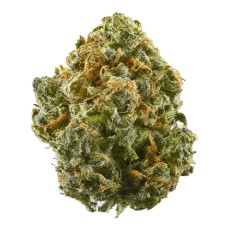
L.A. Sunshine is visually striking, with dense, medium-sized buds that exhibit a vibrant green hue accented by bright orange pistils. A thick layer of frosty trichomes coats the buds, giving them a sticky texture and a shimmering appearance.
Aroma
The strain’s aroma is a complex blend of sweet and earthy notes, punctuated by hints of citrus, pine, and a subtle diesel undertone. This unique combination makes it an appealing choice for users who appreciate nuanced and layered scents.
Flavor
When consumed, L.A. Sunshine offers a similarly multifaceted flavor profile. The inhale delivers a burst of citrus and sweet berry, while the exhale leaves a creamy, slightly spicy aftertaste. These characteristics make it a favorite among cannabis connoisseurs.
Chemical Composition
Cannabinoids
- THC Content: L.A. Sunshine typically boasts a THC concentration ranging between 22% and 28%, making it a potent strain suitable for experienced users. Novices are advised to start with lower doses.
- CBD Content: The strain generally contains less than 1% CBD, which means its effects are mainly due to its high THC content.
Terpenes
Terpenes play a significant role in defining L.A. Sunshine’s aroma, flavor, and therapeutic effects. The dominant terpenes include:
- Limonene: Contributes to the citrusy aroma and provides uplifting, mood-enhancing effects.
- Myrcene: Offers earthy, musky notes and promotes relaxation.
- Caryophyllene: Adds a spicy, peppery flavor and has anti-inflammatory properties.
- Pinene: Enhances focus and counteracts some of the sedative effects of myrcene.
Effects and User Experience
Onset and Duration
L.A. Sunshine provides a fast-acting high, with users typically feeling its effects within minutes of consumption. The high is long-lasting, often persisting for 2 to 4 hours depending on the dosage and individual tolerance.
Cognitive Effects
The initial onset is characterized by an uplifting cerebral euphoria that enhances mood, boosts creativity, and sharpens focus. Many users report a heightened sense of awareness and mental clarity, making it ideal for artistic endeavors or problem-solving tasks.
Physical Effects
As the high progresses, the strain’s indica properties become more pronounced, inducing a sense of physical relaxation without causing sedation. This balance makes L.A. Sunshine suitable for daytime use, as it does not typically result in couch-lock unless consumed in very high doses.
Medical Uses
L.A. Sunshine has a wide range of therapeutic applications, thanks to its balanced effects and rich chemical profile. Below, we outline its specific medical benefits:
Mental Health
- Anxiety and Stress: The strain’s uplifting and calming effects can help alleviate symptoms of anxiety and chronic stress. The limonene terpene, in particular, has been shown to reduce cortisol levels, promoting relaxation.
- Depression: The euphoric and mood-enhancing properties of L.A. Sunshine make it a popular choice for individuals dealing with mild to moderate depression.
- PTSD: By inducing a sense of calm and reducing intrusive thoughts, this strain may help those with post-traumatic stress disorder find relief.
Physical Health
- Pain Management: The high THC content and anti-inflammatory properties of caryophyllene make L.A. Sunshine effective for managing chronic pain, including conditions such as arthritis, fibromyalgia, and migraines.
- Muscle Spasms: The relaxing physical effects can help reduce muscle tension and spasms, providing relief treating ailments such as Parkinson’s disease and multiple sclerosis.
- Nausea and Appetite Stimulation: This strain’s ability to combat nausea and stimulate appetite makes it advantageous for those receiving chemotherapy or those afflicted with anorexia or cachexia.
Neurological Conditions
- ADHD: The focus-enhancing effects of pinene and THC may help individuals with attention deficit hyperactivity disorder (ADHD) improve concentration and task completion.
- Epilepsy: Although L.A. Sunshine is not high in CBD, some anecdotal evidence suggests that its relaxing properties may complement other treatments for seizure disorders.
Recreational Uses
L.A. Sunshine is equally prized in the recreational cannabis community for its versatility and enjoyable effects. Common recreational applications include:
- Social Settings: The uplifting and mood-enhancing properties make it ideal for social gatherings, helping users feel more talkative and engaged.
- Creative Endeavors: Artists, writers, and musicians often turn to this strain for its ability to spark creativity and inspire innovative thinking.
- Outdoor Activities: The energizing cerebral effects can enhance experiences like hiking, gardening, or exploring nature.
- Relaxation: For those seeking a balance of mental stimulation and physical relaxation, L.A. Sunshine is a perfect choice for unwinding after a long day.
Cultivation Information
Optimal Growing Conditions
Climate
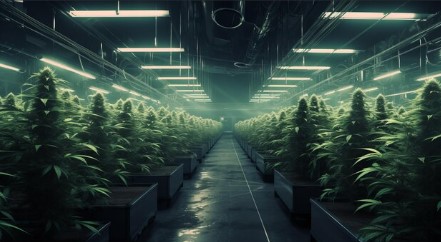
- Preferred Environment: L.A. Sunshine thrives in a Mediterranean-like climate, with consistent temperatures between 70°F and 80°F during the vegetative and flowering stages. Extreme fluctuations in temperature can stress the plant, reducing yield and potency.
- Humidity Levels: During the vegetative stage, keep relative humidity (RH) between 55-70% to encourage healthy leaf development. During flowering, reduce RH to 40-50% to prevent mold and mildew formation on the dense, resinous buds.
Light Requirements
- Light Spectrum: Use full-spectrum grow lights that provide blue light (400–500 nm) for vegetative growth and red light (620–750 nm) during flowering. This mimics the natural photoperiod shift in outdoor growing conditions.
- Photoperiod: If grown indoors, L.A. Sunshine requires:
- Vegetative Phase: 18 hours of light and 6 hours of darkness.
- Flowering Phase: Shift to 12 hours of light and 12 hours of darkness to trigger flowering.
Air Circulation and CO₂ Levels
- Proper air circulation prevents heat stress and strengthens stems. To keep the air flowing, use oscillating fans.
- Enriched CO₂ levels (1000–1500 ppm) can significantly increase growth rates and final yields, especially when combined with high-intensity lighting.
Soil vs. Hydroponics
Soil Cultivation
- Soil Composition: Use well-aerated soil with a mix of organic materials like coco coir, compost, and perlite to enhance drainage and nutrient retention.
- pH Levels: Maintain a soil pH of 6.0-6.5 for optimal nutrient uptake.
- Nutrient Needs: L.A. Sunshine requires a balanced blend of macronutrients (nitrogen, phosphorus, potassium) and micronutrients (calcium, magnesium, iron). During the vegetative stage, prioritize nitrogen-rich fertilizers. During flowering, shift to phosphorus- and potassium-rich feeds to promote bud development.
Hydroponic Systems
Hydroponic methods, such as deep water culture (DWC) or drip irrigation, are excellent for maximizing L.A. Sunshine’s growth potential.
- Nutrient Solution: Monitor and adjust the electrical conductivity (EC) and pH levels regularly. The ideal pH range for hydroponics is 5.5-6.0.
- Root Oxygenation: Ensure the roots receive adequate oxygen using air pumps or oxygen diffusers in the water reservoir.
Nutrient Management
Vegetative Stage
- Nutrient Ratio: High nitrogen (N), moderate phosphorus (P), low potassium (K).
- Example: A nutrient formula with an NPK ratio of 3:1:2.
- Supplements: Add calcium (Ca) and magnesium (Mg) to support cell wall development and chlorophyll production.
Flowering Stage
- Nutrient Ratio: Low nitrogen (N), high phosphorus (P), high potassium (K).
- Example: Use a bloom formula with an NPK ratio of 1:3:4.
- Enhancements: Incorporate sulfur for terpene production and silica for stronger stems.
Training Techniques
- Low-Stress Training (LST):
- Bend and tie down branches to create an even canopy, ensuring all buds receive equal light exposure.
- This improves airflow and increases yields.
- Topping and Fimming:
- Topping entails trimming the main stem to promote the growth of several colas on the plant.
- Fimming (pinching the stem tip) is a less aggressive method to achieve similar results, with less stress on the plant.
- Screen of Green (ScrOG):
- Use a horizontal net to guide the plant’s growth, maximizing light penetration and optimizing space in indoor grows.
Pest and Disease Management
Common Pests
- Spider Mites: Thrive in high temperatures and low humidity. Combat them with predatory mites like Phytoseiulus persimilis or neem oil sprays.
- Aphids: Use insecticidal soaps or introduce ladybugs as natural predators.
- Fungus Gnats: Ensure proper drainage and use sticky traps to catch adults.
Diseases
- Powdery Mildew: Prevent by maintaining proper airflow and low humidity. Treat with potassium bicarbonate sprays.
- Bud Rot (Botrytis): Avoid overwatering and ensure buds are dry. Inspect plants regularly during flowering.
Harvesting and Curing
Harvest Timing
- L.A. Sunshine’s trichomes provide visual cues for harvest readiness:
- Clear Trichomes: Too early.
- Milky Trichomes: Peak potency.
- Amber Trichomes: More sedative effects.
Drying Process
- Hang buds upside down in a dark room with a temperature of 60-70°F and RH of 50-60% for 7-10 days. This ensures gradual moisture loss and preserves terpenes.
Curing
- Transfer dried buds into airtight glass jars. For the first week, open the jars every day to let out extra moisture (also known as “burping”). Maintain RH at 58-62% using humidity packs. Cure for at least 2-4 weeks to enhance flavor and potency.
Scientific Insights
Pharmacology
- THC and CB1 Receptors: The high THC content of L.A. Sunshine binds primarily to CB1 receptors in the brain, leading to the strain’s psychoactive effects.
- Terpenes and Synergy: The entourage effect—a synergistic interaction between cannabinoids and terpenes—enhances the strain’s therapeutic efficacy.
Studies
- Anxiolytic Effects: Research on limonene and myrcene suggests that these terpenes can significantly reduce anxiety levels, supporting anecdotal claims about the strain’s calming effects.
- Neuroprotection: Preliminary studies indicate that THC and caryophyllene may have neuroprotective properties, offering potential benefits for ailments such as Parkinson’s disease and Alzheimer’s.
- Pain Management: The anti-inflammatory properties of caryophyllene have been well-documented, aligning with the strain’s reported efficacy in managing chronic pain.
Methods of Ingestion, Onset, Duration, and Effects of L.A. Sunshine Cannabis
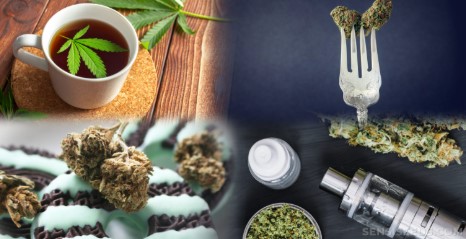
Here’s a structured and detailed explanation of the various methods of ingestion for L.A. Sunshine, along with their onset, duration, and scientific details.
1. Smoking
Overview
- The process of smoking is burning the dried flower and breathing in the smoke. It is one of the most traditional consumption methods.
Onset and Duration
- Onset: 1-5 minutes, as cannabinoids rapidly enter the bloodstream via the lungs.
- Peak Effects: 10-30 minutes after smoking.
- Duration: Effects last for 2-4 hours on average.
Advantages
- Fast onset allows precise dosage control.
- Easy to consume without specialized equipment.
Disadvantages
- Hazardous byproducts, such as carbon monoxide and tar, are produced during combustion.
- Can irritate the lungs.
2. Vaping
Overview
- Vaporizing heats the flower or concentrate to release cannabinoids and terpenes as vapor without combustion.
Onset and Duration
- Onset: 1-5 minutes, similar to smoking.
- Peak Effects: 15-30 minutes after use.
- Duration: Effects last for 2-4 hours.
Advantages
- Produces fewer harmful byproducts than smoking.
- Better preservation of flavor and terpenes.
Disadvantages
- Calls for a vaporizer, which can be costly.
- Dependent on device functionality (e.g., battery).
3. Edibles
Overview
- Products made from food or drink that contain cannabis extracts are called edibles.
Onset and Duration
- Onset: 30 minutes to 2 hours, due to digestion and liver metabolism.
- Peak Effects: 2-4 hours after ingestion.
- Duration: Effects last 6-8 hours or longer.
Mechanism
- THC is converted into 11-hydroxy-THC in the liver, a more potent and long-lasting metabolite.
Advantages
- Long-lasting effects make them ideal for medical use.
- Discreet and easy to consume.
Disadvantages
- Inadvertent overconsumption may result from delayed commencement.
- Harder to predict effects for inexperienced users.
4. Sublingual (Tinctures and Oils)
Overview
- Products that are sublingual are positioned beneath the tongue so that mucosal membranes can absorb them.
Onset and Duration
- Onset: 15-30 minutes, as cannabinoids bypass digestion and enter the bloodstream directly.
- Peak Effects: 30-60 minutes after use.
- Duration: Effects last for 4-6 hours.
Advantages
- Faster onset than edibles.
- Precise and controlled dosing.
Disadvantages
- May have an unpleasant taste.
- Requires consistent dosing for accuracy.
5. Topicals
Overview
- Topicals include creams, balms, and patches applied to the skin for localized effects.
Onset and Duration
- Topical Creams/Balms: 15-30 minutes for effects.
- Transdermal Patches: Systemic effects may take 30 minutes to 1 hour.
- Duration: Localized relief lasts 2-4 hours; patches may provide effects for 6-12 hours.
Advantages
- Non-psychoactive (for most topicals) and ideal for localized pain or inflammation.
- Easy to use.
Disadvantages
- Limited to surface-level effects unless using transdermal patches.
6. Dabbing (Concentrates)
Overview
- Dabbing involves heating cannabis concentrates (e.g., wax, shatter) and inhaling the vapor.
Onset and Duration
- Onset: <1 minute, as cannabinoids are quickly absorbed through the lungs.
- Peak Effects: Felt within 15 minutes.
- Duration: Lasts 2-4 hours, depending on dose.
Advantages
- Extremely potent and fast-acting.
- Requires a small amount of product for significant effects.
Disadvantages
- High potency may overwhelm new users.
- Specialized equipment (dab rigs, e-nails) is required.
7. Capsules and Pills
Overview
- Capsules and pills contain pre-measured cannabis oil or extract.
Onset and Duration
- Onset: 30 minutes to 2 hours, as they follow the digestive pathway.
- Peak Effects: Experienced within 2-4 hours.
- Duration: Lasts 6-8 hours, sometimes longer.
Advantages
- Precise dosing ensures consistency.
- Discreet and convenient for medical or professional use.
Disadvantages
- Delayed onset makes it harder to gauge the effects.
- Lack of customization compared to tinctures or vaping.
Comparative Overview
| Method | Onset | Peak Effects | Duration | Key Characteristics |
|---|---|---|---|---|
| Smoking | 1-5 minutes | 10-30 minutes | 2-4 hours | Quick and traditional but involves combustion. |
| Vaping | 1-5 minutes | 15-30 minutes | 2-4 hours | Healthier than smoking, preserves terpenes. |
| Edibles | 30-120 minutes | 2-4 hours | 6-8 hours | Long-lasting, delayed onset. |
| Sublingual | 15-30 minutes | 30-60 minutes | 4-6 hours | Fast, precise dosing without inhalation. |
| Topicals | 15-30 minutes | N/A (localized) | 2-4 hours | Great for localized relief, no high. |
| Dabbing | <1 minute | 15 minutes | 2-4 hours | Potent and fast-acting, requires expertise. |
| Capsules/Pills | 30-120 minutes | 2-4 hours | 6-8 hours | Precise, long-lasting, convenient. |
Potential Side Effects
While L.A. Sunshine is generally well-tolerated, some users may experience side effects, particularly when consuming high doses. These include:
- Dry Mouth and Eyes: Common side effects of cannabis use.
- Paranoia or Anxiety: May occur in individuals sensitive to THC or prone to anxiety disorders.
- Dizziness: Occasionally reported, especially by novice users or those with low tolerance.
To minimize adverse effects, users should start with a low dose and gradually increase as needed.
Conclusion
L.A. Sunshine is a versatile and well-rounded cannabis strain that offers a wide range of benefits for both medical and recreational users. Its balanced effects, unique flavor profile, and therapeutic potential make it a standout choice in the cannabis community. Whether you’re seeking relief from chronic pain, a boost in creativity, or simply a way to unwind, L.A. Sunshine delivers a comprehensive and enjoyable experience. As research into cannabis continues to evolve, strains like L.A. Sunshine exemplify the plant’s potential to enhance quality of life.
For a complete directory of cultivars, visit our Cannabis Strain Reviews.
