Table of Contents
Kushberry is a highly potent, well-balanced Indica-dominant hybrid cannabis strain renowned for its unique combination of relaxing effects, citrusy and berry-like aroma, and therapeutic benefits. A cross between OG Kush and Blueberry, Kushberry boasts a rich genetic lineage that contributes to its powerful sedative properties, making it an excellent choice for both medicinal and recreational users. With a high THC concentration ranging between 18% and 22%, this strain is particularly beneficial for those seeking deep relaxation, pain relief, and relief from insomnia.
This guide provides an in-depth look at Kushberry’s genetic makeup, appearance, aroma, flavor profile, cannabinoid composition, terpenes, medical benefits, recreational effects, and cultivation requirements.
1. Genetic Background
Kushberry is a hybrid strain derived from two legendary cannabis strains:
- OG Kush – A classic, world-renowned Indica-dominant strain known for its euphoric and deeply relaxing effects.
- Blueberry – A famous Indica strain celebrated for its sweet berry aroma and soothing, long-lasting body high.
The combination of these two parent strains results in a 70% Indica / 30% Sativa hybrid that retains the best characteristics of both lineages. While the OG Kush genetics provide strong euphoric effects, Blueberry contributes a distinct fruity flavor and full-body relaxation. This synergy makes Kushberry an excellent option for stress relief, chronic pain management, and relaxation.
2. Appearance, Aroma, and Flavor Profile
Appearance
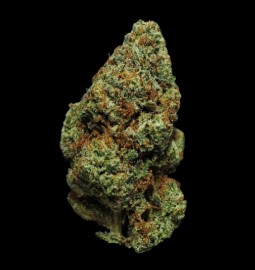
Kushberry plants exhibit characteristics of both Indica and hybrid strains. The plant structure is compact and bushy, with thick, broad leaves and dense, resin-coated buds. The nugs are medium to large-sized, often with deep green hues interspersed with shades of purple and orange pistils. The heavy trichome coverage gives the buds a frosty appearance, indicative of their high THC content.
Aroma
The aroma of Kushberry is a delightful fusion of its parent strains, offering a sweet and earthy scent with strong blueberry and citrus undertones. The dominant terpenes, including myrcene, limonene, and caryophyllene, contribute to its fragrant profile, making it a pleasantly pungent strain that appeals to cannabis connoisseurs.
Flavor
Kushberry provides a smooth and flavorful smoking or vaping experience. The taste is a blend of:
- Sweet blueberry and citrus notes from its Blueberry parent
- Hints of pine and earthy musk from the OG Kush lineage
- Subtle spice and herbal undertones that add depth to its flavor
3. Cannabinoid and Terpene Profile
THC and CBD Content
- THC levels: 18% – 22%
- CBD levels: Less than 1%
- CBG and other minor cannabinoids: 0.5% – 1%
The high THC concentration is responsible for its strong psychoactive effects, while the low CBD levels make it more suited for recreational use rather than direct CBD therapy.
Terpenes and Their Effects
Kushberry has a diverse terpene profile, contributing to its flavor, aroma, and effects:
- Myrcene: Promotes relaxation and sedation, enhances Kushberry’s ability to combat stress and insomnia.
- Limonene: Adds a citrusy aroma and provides uplifting and anti-anxiety effects.
- Caryophyllene: Known for its anti-inflammatory and pain-relieving properties, beneficial for chronic pain sufferers.
- Linalool: Provides a floral, slightly spicy scent and contributes to Kushberry’s calming, anti-anxiety effects.
4. Medical Uses of Kushberry Cannabis Strain
Kushberry is a potent Indica-dominant hybrid (70% Indica, 30% Sativa) with high THC levels (18-22%) and a diverse terpene profile. These characteristics contribute to its powerful therapeutic effects, making it valuable in the treatment of various neurological, psychological, and physiological conditions. Below is a scientifically detailed breakdown of its medical applications.

Mechanism of Action: How Kushberry Affects the Body
The therapeutic effects of Kushberry stem from its ability to interact with the Endocannabinoid System (ECS), a biological system involved in pain regulation, mood stabilization, appetite control, and sleep cycles.
Key Components Influencing Medical Benefits
- THC (Δ9-tetrahydrocannabinol, 18-22%)
- Mechanism: Binds to CB1 receptors in the central nervous system, altering neurotransmitter release (dopamine, serotonin, and GABA).
- Effects: Reduces pain, nausea, and anxiety, induces euphoria, and promotes relaxation and sleep.
- CBD (Cannabidiol, <1%)
- Mechanism: Modulates CB1 and CB2 receptors indirectly and enhances anandamide levels, a natural endocannabinoid.
- Effects: Provides anti-inflammatory, anti-anxiety, and neuroprotective benefits.
- Terpene Contributions:
- Myrcene: Sedative and muscle relaxant properties.
- Limonene: Elevates mood and relieves stress.
- Caryophyllene: Anti-inflammatory and analgesic effects.
- Linalool: Calming and anti-epileptic properties.
Pain Management and Anti-Inflammatory Effects
Chronic Pain Relief
- Conditions Treated:
- Neuropathic pain (nerve damage, sciatica, multiple sclerosis)
- Inflammatory pain (arthritis, fibromyalgia, chronic back pain)
- Post-surgical and injury-related pain
- Mechanism of Action:
- THC activates CB1 receptors, blocking pain signals in the brain and spinal cord.
- Caryophyllene interacts with CB2 receptors, reducing inflammation at the cellular level.
- Synergistic effect between THC, CBD, and terpenes enhances analgesia (“Entourage Effect”).
Muscle Spasms and Spasticity
- Conditions Treated:
- Multiple sclerosis (MS)
- Parkinson’s disease
- Spinal cord injuries
- Scientific Basis:
- Myrcene acts as a muscle relaxant by increasing GABA transmission, reducing involuntary muscle contractions.
- THC reduces nerve hyperactivity, alleviating spasticity and tremors.
3. Anxiety, Stress, and Mood Disorders
Anxiolytic and Stress-Reducing Effects
- Conditions Treated:
- Generalized Anxiety Disorder (GAD)
- Post-Traumatic Stress Disorder (PTSD)
- Social Anxiety Disorder (SAD)
- Mechanism of Action:
- Limonene increases serotonin levels, improving mood and reducing stress.
- THC interacts with CB1 receptors, reducing overactivity in the amygdala (fear-processing center of the brain).
- Linalool modulates the GABAergic system, producing calming effects similar to benzodiazepines.
Antidepressant Potential
- Conditions Treated:
- Major Depressive Disorder (MDD)
- Bipolar disorder (during depressive episodes)
- Scientific Basis:
- THC enhances dopamine release, creating euphoria and motivation.
- CBD has neuroprotective effects, reducing oxidative stress linked to depression.
Sleep Disorders and Insomnia Relief
Sedative Effects and Sleep Induction
- Conditions Treated:
- Chronic insomnia
- REM Sleep Behavior Disorder (RBD)
- Circadian rhythm disorders
- Mechanism of Action:
- Myrcene acts as a natural sedative, prolonging sleep duration.
- THC reduces REM sleep, beneficial for PTSD patients with nightmares.
- CBD improves sleep architecture, enhancing deep sleep phases.
Scientific Research Support:
- A 2017 study in the Journal of Clinical Sleep Medicine found that cannabis use decreases sleep latency (time to fall asleep) and reduces nighttime awakenings.
- THC-dominant strains like Kushberry were particularly effective in short-term sleep improvement.
Nausea, Appetite Stimulation, and Gastrointestinal Disorders
Anti-Nausea and Vomiting Effects
- Conditions Treated:
- Chemotherapy-induced nausea and vomiting (CINV)
- Gastroesophageal reflux disease (GERD)
- Irritable Bowel Syndrome (IBS)
- Mechanism of Action:
- THC activates CB1 receptors in the brainstem, inhibiting nausea and vomiting reflexes.
- Limonene aids digestion and reduces stomach acid overproduction.
Appetite Stimulation
- Conditions Treated:
- Cancer-related weight loss (cachexia)
- HIV/AIDS wasting syndrome
- Anorexia and other eating disorders
- Scientific Basis:
- THC enhances ghrelin release, the hormone responsible for hunger.
- CBD modulates digestive inflammation, improving nutrient absorption.
Neuroprotective and Anti-Seizure Properties
Neuroprotective Effects for Neurodegenerative Diseases
- Conditions Treated:
- Alzheimer’s Disease
- Parkinson’s Disease
- Multiple Sclerosis (MS)
- Mechanism of Action:
- CBD reduces amyloid plaque accumulation, preventing neuronal damage.
- THC acts as an antioxidant, protecting brain cells from oxidative stress.
- Caryophyllene’s anti-inflammatory effects slow neurodegenerative progression.
Anti-Seizure Effects for Epilepsy
- Conditions Treated:
- Dravet Syndrome
- Lennox-Gastaut Syndrome (LGS)
- Scientific Basis:
- CBD and linalool regulate neuronal excitability, reducing seizure frequency.
- A 2018 study published in The New England Journal of Medicine showed that cannabis-derived compounds significantly reduce seizure severity in epilepsy patients.
Anti-Inflammatory and Autoimmune Disease Applications
Reduction of Inflammatory Responses
- Conditions Treated:
- Rheumatoid arthritis (RA)
- Crohn’s disease
- Lupus and other autoimmune diseases
- Mechanism of Action:
- CB2 receptor activation by caryophyllene suppresses cytokine release, reducing inflammation.
- THC inhibits overactive immune responses, decreasing autoimmune-related damage.
Scientific Support:
A 2019 study in the journal “Pain” found that cannabis significantly reduces inflammation and pain perception in RA patients.eneficial for individuals undergoing treatments such as chemotherapy or those with eating disorders. It also helps with nausea relief, making it useful for patients with conditions like Crohn’s disease and gastrointestinal disorders.
5. Recreational Effects of Kushberry
Apart from its medical benefits, Kushberry is popular among recreational cannabis users for its euphoric, relaxing, and sedating effects. Below is a breakdown of its recreational uses.
Relaxation and Stress Reduction
Kushberry induces a strong body high that makes it an ideal strain for unwinding after a stressful day. It creates a sensation of physical and mental relaxation, making it perfect for evening or nighttime use.
Mood Elevation and Euphoria
While Kushberry is heavily Indica-leaning, it also provides a sense of mental euphoria, which helps elevate mood and promote happiness. This makes it suitable for social settings or creative activities.
Sedation and “Couch-Lock” Effects
Higher doses of Kushberry can induce a strong sedative effect, leading to couch-lock. It is not recommended for users looking to stay active or productive, as it induces deep relaxation and sleepiness.
Kushberry Cultivation Methods
Cultivating Kushberry cannabis strain requires a scientific approach to ensure optimal growth, potency, and yield. Below is a detailed breakdown of cultivation methods, covering genetics, environmental conditions, nutrient requirements, growth techniques, pest control, harvesting, and post-harvest processing.
Genetic Considerations for Cultivation
Kushberry is a hybrid strain (70% Indica, 30% Sativa), combining genetics from OG Kush and Blueberry. Understanding its genetics is crucial for optimizing growth conditions.
Growth Traits Derived from Parent Strains
- OG Kush Genetics: Contributes high THC potency, dense buds, and resistance to pests but is sensitive to overfeeding.
- Blueberry Genetics: Adds fruity aroma, purple coloration, and compact growth, but makes it more susceptible to mold in humid environments.
Growth Structure
- Height: Short to medium (3-5 feet indoor, 5-7 feet outdoor).
- Leaf Structure: Broad leaves (typical Indica trait) with deep green hues and some purpling in colder climates.
- Bud Density: Very dense and resin-coated, requiring good airflow to prevent mold.
- Flowering Time: 8-9 weeks indoors; late October harvest outdoors.
2. Environmental Conditions for Optimal Growth
To maximize yield and potency, Kushberry requires specific environmental conditions.
Indoor Cultivation Conditions
Growing Kushberry indoors allows for better control of environmental factors.
| Parameter | Ideal Range |
|---|---|
| Temperature | 68-78°F (20-26°C) daytime, 60-70°F (16-21°C) nighttime |
| Humidity (Vegetative Stage) | 55-65% |
| Humidity (Flowering Stage) | 40-50% (to prevent mold/mildew) |
| Light Requirements | High-intensity LED or HPS (600W-1000W) |
| Light Cycle (Veg) | 18/6 (18 hours light, 6 hours dark) |
| Light Cycle (Flowering) | 12/12 (12 hours light, 12 hours dark) |
| Airflow & Ventilation | Carbon filters, oscillating fans, and exhaust systems recommended |
| pH Level (Soil) | 6.0 – 6.5 |
| pH Level (Hydroponics) | 5.5 – 6.0 |
Outdoor Cultivation Conditions
Kushberry thrives in a Mediterranean-like climate, meaning warm temperatures, moderate humidity, and abundant sunlight.
| Factor | Optimal Conditions |
|---|---|
| Climate | Warm, semi-humid, Mediterranean |
| Temperature | 65-80°F (18-27°C) |
| Humidity Control | Use mulch to retain soil moisture |
| Soil Type | Loamy, well-draining soil with organic matter |
| pH Level | 6.2 – 6.8 |
| Sunlight Exposure | 6-8 hours of direct sunlight per day |
| Harvest Time | Late October (Northern Hemisphere), Late April (Southern Hemisphere) |
3. Nutrient and Feeding Requirements
Kushberry has specific nutrient needs at different growth stages.
Macronutrients & Micronutrients Needed
- Nitrogen (N): Vital for the development of leaves and stems during vegetative growth.
- Phosphorus (P): Required in flowering for bud development and resin production.
- Potassium (K): Helps with overall plant health, disease resistance, and terpene production.
- Calcium & Magnesium: Supports strong cell walls and chlorophyll production.
- Sulfur & Iron: Improves flavor and potency.
Feeding Schedule by Growth Stage
| Stage | N-P-K Ratio | Additional Nutrients |
|---|---|---|
| Seedling (0-2 weeks) | 2-1-2 | Humic acids, mycorrhizae for root health |
| Vegetative (3-6 weeks) | 3-1-2 | Silica for strong stems |
| Pre-Flowering (Week 7-8) | 1-2-2 | Boost phosphorus and potassium |
| Flowering (Week 9-14) | 0-3-3 | Extra calcium and magnesium |
| Flush Before Harvest (Week 15-16) | 0-0-0 | Stop nutrients and use only water |
Note: Overfeeding can cause nutrient burn, visible as yellowing leaf tips.
4. Training Techniques for Higher Yields
Kushberry responds well to growth training methods that increase yields, improve light penetration, and maximize bud production.
Low-Stress Training (LST)
- Involves gently bending branches and tying them down to encourage horizontal growth.
- Improves light exposure and airflow, reducing mold risk.
Topping & Fimming
- Topping: Cutting off the top of the main stem to create multiple colas instead of one.\n- Fimming: Cutting part of the top growth to encourage bushier growth.
Screen of Green (ScrOG)
- Uses a mesh screen to spread out the plant canopy, allowing even light distribution and higher yields.
Defoliation
- Removing excess fan leaves improves air circulation and reduces humidity-related issues.
5. Pest and Disease Control
Kushberry is resistant to pests and mold, but preventive measures should still be taken.
Common Pests & Control Methods
| Pest | Symptoms | Solution |
|---|---|---|
| Spider Mites | Webbing on leaves | Neem oil, ladybugs |
| Aphids | Yellowing leaves, sticky residue | Insecticidal soap, predatory insects |
| Whiteflies | Tiny white insects under leaves | Sticky traps, neem oil |
Common Diseases & Control Methods
| Disease | Symptoms | Solution |
|---|---|---|
| Powdery Mildew | White powder on leaves | Improve ventilation, use fungicides |
| Root Rot | Wilting, yellow leaves | Improve drainage, avoid overwatering |
6. Harvesting, Drying, and Curing
Signs of Readiness for Harvest
- Trichome Color:
- Clear = Not ready
- Milky white = Maximum THC potency
- Amber = More sedative effects
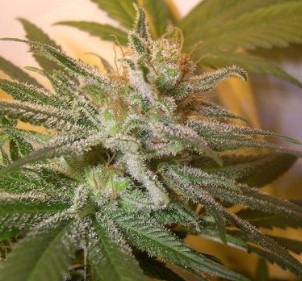
- Pistil Color:
- White hairs = Immature
- Orange/brown hairs = Ready to harvest
Drying Process
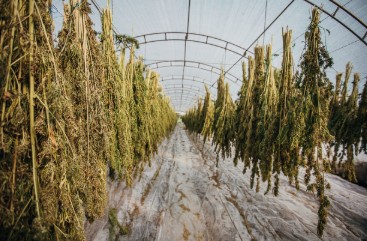
- Hang buds upside down in a dark, well-ventilated room at 60-70°F (15-21°C), 50-55% humidity for 7-10 days.
- Ensure air circulation to prevent mold.
Curing Process
- Store dried buds in glass jars, opening daily for burping (releasing moisture).
- Cure for 2-4 weeks to enhance potency, smoothness, and flavor.
7. Potential Side Effects
Like most potent cannabis strains, Kushberry may cause some adverse effects, including:
- Dry mouth (cottonmouth)
- Dry eyes
- Dizziness (at high doses)
- Mild paranoia or anxiety (especially in novice users or when overconsumed)
Conclusion
Kushberry is a potent Indica-dominant hybrid with a diverse range of medical and recreational benefits. It is particularly well-suited for those seeking relaxation, pain relief, and stress reduction. Its fruity, citrusy aroma and smooth smoking experience make it a favorite among cannabis enthusiasts. Whether used medicinally or recreationally, Kushberry delivers a powerful, enjoyable experience.
For a complete directory of cultivars, visit our Cannabis Strain Reviews.
