Table of Contents
Kush XL is a premium cannabis strain renowned for its balanced hybrid nature, potent effects, and robust terpene profile. As a descendant of the iconic Kush lineage, Kush XL embodies the best characteristics of its genetic ancestors while offering a unique experience tailored for both recreational and medicinal users. This strain is celebrated for its moderate-to-high THC levels and a profile that bridges the gap between uplifting euphoria and profound relaxation.
Genetic Lineage
Kush XL is a hybrid strain, with a genetic makeup leaning slightly towards Indica dominance. Its lineage can be traced back to two foundational strains:
- Hindu Kush: A pure Indica strain originating from the mountainous regions of Afghanistan and Pakistan. Known for its earthy and woody aroma, Hindu Kush provides a calming and relaxing effect, forming the backbone of Kush XL’s sedative properties.
- OG Kush: A legendary hybrid strain famous for its balanced cerebral stimulation and body relaxation. OG Kush contributes to Kush XL’s euphoric and mood-enhancing effects.
Through careful breeding, Kush XL inherits the resilience and potency of these parent strains, resulting in a well-rounded cultivar suitable for a range of uses.
Appearance, Aroma, and Flavor
Appearance
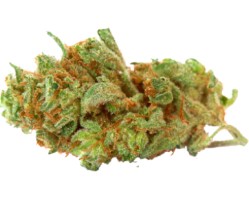
Kush XL plants exhibit medium-sized, dense buds with a characteristic forest green coloration. These buds are often adorned with deep orange pistils and a generous coating of frosty trichomes, which indicate its high cannabinoid content. The leaves are broad, and the overall structure is bushy, a common trait of Indica-dominant hybrids.
Aroma
The terpene profile of Kush XL gives it a rich and complex aroma. Upon opening a jar, users are greeted with notes of pine, earthiness, and a subtle hint of citrus. There’s also an underlying spiciness, reminiscent of its Hindu Kush lineage.
Flavor
The flavor profile of Kush XL mirrors its aroma. The inhale is smooth, with dominant flavors of pine and herbal undertones. On the exhale, users often detect hints of lemon and spice, leaving a pleasant aftertaste.
Terpene Profile
Terpenes are aromatic compounds that contribute to the scent, flavor, and therapeutic properties of cannabis. Kush XL’s terpene profile includes:
- Myrcene: The most abundant terpene in Kush XL, contributing to its earthy and musky aroma. Myrcene is known for its sedative effects and is often associated with relaxation and sleep support.
- Limonene: Responsible for the citrusy notes in Kush XL, limonene is known for its mood-enhancing and stress-relieving properties.
- Caryophyllene: A spicy terpene with potential anti-inflammatory and analgesic effects. Caryophyllene also interacts with CB2 receptors, making it unique among terpenes.
- Pinene: Adding a hint of pine to the flavor and aroma, pinene is believed to improve focus and counteract short-term memory issues caused by THC.
Cannabinoid Content
Kush XL is known for its moderate-to-high THC levels, typically ranging from 18% to 24%. This potency makes it suitable for experienced users, though beginners may also enjoy it in lower doses. CBD levels are typically low, often under 1%, but the presence of other cannabinoids like CBG and CBC enhances the overall entourage effect.
Medical Uses
Kush XL is highly sought after in the medical cannabis community for its versatility and efficacy in addressing various conditions. Below is a detailed breakdown of its medical applications:

Chronic Pain Management
The high THC content, combined with the anti-inflammatory properties of caryophyllene and myrcene, makes Kush XL effective for managing chronic pain conditions such as:
- Arthritis
- Fibromyalgia
- Migraines
- Neuropathy
Stress and Anxiety Relief
Limonene and pinene contribute to the strain’s ability to reduce stress and anxiety. Its balanced effects provide a calming sensation without inducing lethargy, making it suitable for daytime or evening use.
Insomnia
For those struggling with sleep disorders, Kush XL’s Indica-dominant nature and high myrcene content promote relaxation and drowsiness. This makes it an excellent choice for nighttime use to improve sleep onset and quality.
Appetite Stimulation
THC’s interaction with the endocannabinoid system’s CB1 receptors can significantly enhance appetite. Kush XL is often recommended for patients undergoing chemotherapy or those with conditions like anorexia or cachexia.
Mood Disorders
Kush XL’s euphoric and uplifting effects make it beneficial for individuals dealing with mood disorders such as depression and PTSD. The strain’s ability to balance mood without causing overstimulation is particularly advantageous.
Muscle Spasms and Cramps
The anti-inflammatory and muscle-relaxing properties of Kush XL make it effective for conditions involving muscle spasms, such as multiple sclerosis or menstrual cramps.
Recreational Uses
For recreational users, Kush XL offers a versatile experience that can suit various occasions. Here are its primary recreational benefits:
Social Relaxation
Kush XL’s balanced effects make it an excellent strain for social settings. The initial cerebral euphoria encourages conversation and creativity, while the subsequent body relaxation keeps the vibe mellow and enjoyable.
Creative Pursuits
The uplifting and focus-enhancing properties of Kush XL make it a favorite among artists, writers, and other creatives. It provides just the right amount of stimulation to inspire without overwhelming.
Physical Relaxation
Whether you’re unwinding after a long day or enjoying a lazy weekend, Kush XL’s body-calming effects can help you relax and recharge. It’s also ideal for activities like yoga or meditation.
Outdoor Adventures
Despite its Indica dominance, Kush XL’s balanced nature means it won’t leave users couch-locked. This makes it a great choice for light outdoor activities like hiking, picnics, or beach days.
Potential Side Effects
Like all cannabis strains, Kush XL has potential side effects, which are generally mild and manageable:
- Dry Mouth and Eyes: Common with most cannabis strains, staying hydrated and using eye drops can alleviate these symptoms.
- Dizziness: High doses may cause dizziness, especially for novice users. Increase the dosage gradually as necessary after starting low.
- Paranoia or Anxiety: Rare, but can occur in sensitive individuals or those prone to anxiety. Consuming in moderation can help mitigate this risk.
Cultivation Information
Kush XL is a relatively easy strain to cultivate, making it suitable for both novice and experienced growers. Here are some important aspects about cultivation:
1. Propagation Techniques
- Seed Germination: For Kush XL, seeds are germinated under controlled conditions, typically using moist paper towels or direct planting in a growing medium. The goal is to provide an optimal environment (70–80°F) with sufficient moisture to stimulate sprouting within 2–5 days.
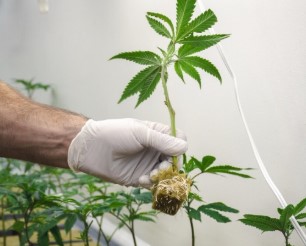
- Cloning: Growers often use clones from mother plants to maintain genetic consistency. Cloning ensures the same terpene and cannabinoid profiles as the parent Kush XL plant.
2. Growing Medium
The choice of growing medium plays a crucial role in nutrient absorption and plant health:
- Soil: Organic, nutrient-rich soil is commonly used for Kush XL, as it enhances terpene production and provides a natural buffer for pH levels.
- Hydroponics: Advanced growers use hydroponic systems for faster growth and higher yields. Kush XL thrives in systems like deep water culture (DWC) or drip irrigation, where nutrients are delivered directly to the roots.
- Coco Coir: This is an alternative to soil, offering excellent water retention and aeration, which supports healthy root development.
3. Light Management
Kush XL requires specific light cycles and intensities at each growth stage:
- Vegetative Stage: 18–20 hours of light per day using LED or HID grow lights. Blue light spectrums (400–500 nm) are ideal during this stage to encourage bushy growth and strong stems.
- Flowering Stage: Transition to 12 hours of light and 12 hours of darkness. Red light spectrums (620–700 nm) promote bud development, trichome production, and resin density.
- Lighting Technology: LED lights are preferred for Kush XL due to their energy efficiency, low heat output, and the ability to adjust light spectrums.
4. Temperature and Humidity Control
Maintaining the ideal temperature and humidity is crucial for Kush XL:
- Vegetative Stage: 70–85°F with 60–70% humidity to promote vigorous growth.
- Flowering Stage: 65–80°F with 40–50% humidity to prevent mold and mildew while encouraging resin production.
- Nighttime Temperature: A slight temperature drop at night (5–10°F) mimics natural conditions and enhances terpene profiles.
Growers often use environmental control systems, including HVAC units and humidifiers, to regulate these parameters.
5. Nutrient Regimens
Kush XL requires a carefully tailored nutrient schedule:
- Vegetative Stage: High nitrogen (N) levels with moderate amounts of phosphorus (P) and potassium (K). Micronutrients like calcium, magnesium, and iron are essential to prevent deficiencies.
- Flowering Stage: Reduce nitrogen and increase phosphorus and potassium to support bud formation and terpene synthesis.
- pH Levels: The pH of the growing medium is kept between 6.0 and 6.5 in soil, or 5.5 to 6.0 in hydroponic systems, to optimize nutrient uptake.
6. Pruning and Training Techniques
Scientific cultivation of Kush XL includes pruning and training to enhance yields:
- Topping: Cutting the main stem encourages lateral growth, resulting in more bud sites.
- Low-Stress Training (LST): Gently bending and tying down branches ensures even light distribution, boosting photosynthesis and yields.
- Defoliation: Removing excess fan leaves improves airflow and light penetration, reducing the risk of mold and increasing bud density.
7. Pest and Disease Management
Integrated Pest Management (IPM) strategies are used to protect Kush XL plants:
- Biological Controls: Beneficial insects like ladybugs and predatory mites control pests like spider mites and aphids.
- Organic Pesticides: Neem oil and insecticidal soaps are applied sparingly to prevent infestations.
- Fungal Control: Silica supplements strengthen plant cell walls, making them more resistant to powdery mildew and mold.
8. Advanced Techniques
- CO2 Enrichment: Increasing CO2 levels to 1000–1500 ppm during the vegetative and early flowering stages accelerates photosynthesis and promotes faster growth.
- UV-B Light Exposure: Limited UV-B exposure during the late flowering stage enhances trichome production and boosts THC content.
- Flushing: Two weeks before harvest, growers flush the growing medium with pure water to remove residual nutrients, improving the flavor and aroma of the buds.
9. Harvesting and Post-Harvest Techniques
- Harvest Timing: Kush XL is harvested when 70–90% of the trichomes transition from clear to cloudy/milky, indicating peak THC levels.
- Drying: Buds are dried slowly in a dark room at 60°F and 50% humidity to preserve terpenes and cannabinoids.
- Curing: Curing is done in airtight jars, which are opened daily to release moisture (burping). This process enhances the aroma, flavor, and potency of the final product.
10. Innovations in Cultivation
Genetic Research: Scientists are exploring Kush XL genetic markers to identify traits like pest resistance and cannabinoid production, enabling the development of optimized phenotypes.
Automated Systems: Smart sensors and IoT devices monitor and adjust environmental conditions, ensuring precision cultivation.
Scientific Insights
Mechanism of Action
The primary psychoactive compound in Kush XL, THC, binds to CB1 receptors in the brain’s endocannabinoid system. This interaction produces euphoria, pain relief, and relaxation. The presence of terpenes like myrcene and limonene enhances these effects through the entourage effect, where cannabinoids and terpenes work synergistically to produce therapeutic benefits.
Methods of Ingestion

1. Inhalation (Smoking or Vaping)
Inhalation is one of the most popular methods due to its rapid onset and ease of use.
- Smoking: Combusting Kush XL in a joint, pipe, or bong allows cannabinoids and terpenes to be absorbed through the lungs.
- Onset: 1–3 minutes after inhalation.
- Duration: Effects last 1.5 to 3 hours.
- Bioavailability: Approximately 10–30%, as some THC and other cannabinoids are lost during combustion.
- Vaping: Using a vaporizer heats Kush XL to a temperature that releases cannabinoids and terpenes without combustion, preserving more active compounds.
- Onset: 1–3 minutes, similar to smoking.
- Duration: 1.5 to 3 hours.
- Bioavailability: Higher than smoking, up to 56%, since there’s no loss from combustion.
Scientific Insights:
- Inhalation delivers cannabinoids directly to the bloodstream via the alveoli in the lungs, bypassing the digestive system and liver metabolism. This ensures rapid delivery and a stronger, more immediate high.
2. Oral Consumption (Edibles and Capsules)
Oral ingestion is a favored method for long-lasting effects, particularly for medical users.
- Edibles: Kush XL-infused edibles (e.g., brownies, gummies) are metabolized by the liver. The more potent metabolite 11-hydroxy-THC is produced from THC.
- Onset: 30 minutes to 2 hours, depending on metabolism and stomach contents.
- Duration: 4–8 hours, with some residual effects lasting up to 12 hours.
- Bioavailability: 4–20%, as a significant portion of cannabinoids is metabolized before entering the bloodstream.
- Capsules: Cannabis oil in pre-measured capsules offers precise dosing and is metabolized similarly to edibles.
- Onset: 30–90 minutes.
- Duration: 6–8 hours.
- Bioavailability: Comparable to edibles, around 4–20%.
Scientific Insights:
- The liver’s conversion of THC into 11-hydroxy-THC is the reason for the longer and more intense high associated with edibles compared to inhalation. This metabolite has higher lipid solubility, allowing it to cross the blood-brain barrier more efficiently.
3. Sublingual (Tinctures and Sprays)
Sublingual ingestion involves placing Kush XL extracts under the tongue for absorption through mucosal membranes.
- Tinctures: Drops are held under the tongue for 30–60 seconds before swallowing.
- Onset: 15–30 minutes.
- Duration: 2–6 hours.
- Bioavailability: 12–35%, as cannabinoids bypass the digestive tract and enter the bloodstream directly.
- Sprays: Similar to tinctures, but delivered as a fine mist.
- Onset: 15–30 minutes.
- Duration: 2–6 hours.
- Bioavailability: Slightly higher than tinctures due to finer dispersion.
Scientific Insights:
- Sublingual methods avoid first-pass metabolism in the liver, allowing for faster and more efficient absorption compared to oral ingestion.
4. Topical Application
Topical cannabis products infused with Kush XL (e.g., balms, creams) are used for localized relief without psychoactive effects.
- Onset: 15–30 minutes after application.
- Duration: 2–4 hours.
- Bioavailability: Variable; cannabinoids primarily interact with CB2 receptors in the skin, providing localized anti-inflammatory and analgesic effects.
- Transdermal Patches: These deliver cannabinoids through the skin and into the bloodstream, offering systemic effects.
- Onset: 30–60 minutes.
- Duration: 6–12 hours.
- Bioavailability: Higher than standard topicals, as cannabinoids bypass the skin barrier.
Scientific Insights:
- Topicals and transdermal patches target localized CB2 receptors without affecting CB1 receptors in the brain, making them ideal for pain and inflammation without intoxication.
5. Dabbing (Concentrates)
Dabbing involves vaporizing concentrated forms of Kush XL, such as wax, shatter, or rosin, using a dab rig or e-nail.
- Onset: Almost immediate (30 seconds to 2 minutes).
- Duration: 2–4 hours.
- Bioavailability: Extremely high, often exceeding 60%, as concentrates are highly potent and inhaled directly.
Scientific Insights:
- Dabbing delivers a concentrated dose of THC and terpenes, making it suitable for experienced users seeking immediate and intense effects. However, the high potency increases the risk of overconsumption and side effects.
Duration and Onset of Effects by Method
| Ingestion Method | Onset | Peak Effects | Duration | Bioavailability |
|---|---|---|---|---|
| Smoking | 1–3 minutes | 15–30 minutes | 1.5–3 hours | 10–30% |
| Vaping | 1–3 minutes | 15–30 minutes | 1.5–3 hours | Up to 56% |
| Edibles | 30 minutes–2 hours | 2–4 hours | 4–8 hours | 4–20% |
| Sublingual | 15–30 minutes | 30–60 minutes | 2–6 hours | 12–35% |
| Topical | 15–30 minutes | N/A (localized relief) | 2–4 hours | Variable |
| Dabbing | 30 seconds–2 minutes | 5–15 minutes | 2–4 hours | 60%+ |
Factors Affecting Onset and Duration
- Metabolism: Faster metabolisms lead to quicker onset but shorter durations, particularly with edibles.
- Tolerance: Regular users may experience delayed onset and reduced effects.
- Dosage: Higher doses prolong both the onset and duration of effects.
- Body Composition: THC binds to fat cells, so individuals with higher body fat may store cannabinoids longer, prolonging effects.
- Method of Consumption: As discussed, inhalation has the quickest onset, while edibles provide the longest duration.
Scientific Recommendations for Usage
- Medical Users: Sublingual and topical methods are ideal for precise dosing and localized relief without psychoactive effects.
- Recreational Users: Inhalation methods like vaping or smoking offer the fastest and most controllable experience.
- Low Tolerance Individuals: Start with sublingual tinctures or low-dose edibles to avoid overconsumption.
Pharmacological Properties
- Analgesic: Kush XL’s cannabinoids interact with pain pathways to reduce discomfort.
- Anti-inflammatory: Caryophyllene’s unique ability to bind to CB2 receptors helps modulate inflammation.
- Anxiolytic: Limonene’s ability to influence serotonin and dopamine pathways contributes to its mood-enhancing properties.
Research and Studies
- A 2020 study published in the Journal of Cannabis Research highlighted the effectiveness of myrcene-dominant strains, like Kush XL, in managing chronic pain and insomnia.
- Another study in Frontiers in Pharmacology (2019) emphasized the importance of the entourage effect, showcasing how terpenes and cannabinoids together enhance therapeutic outcomes.
Conclusion
Kush XL is a versatile cannabis strain that caters to both medical and recreational users. With its balanced effects, rich terpene profile, and robust cannabinoid content, it’s no surprise that Kush XL has become a favorite among cannabis enthusiasts. Whether you’re seeking relief from chronic pain, stress, or insomnia, or simply looking for a strain to enhance your social or creative endeavors, Kush XL offers a well-rounded experience that’s hard to beat.
By understanding its genetic lineage, terpene profile, and potential applications, users can make informed decisions about incorporating Kush XL into their cannabis regimen. As research into cannabis continues to evolve, strains like Kush XL exemplify the therapeutic potential of this remarkable plant.
For a complete directory of cultivars, visit our Cannabis Strain Reviews.
