Table of Contents
Kobain Kush is a premium Indica-dominant cannabis strain known for its potent effects, smooth flavor, and therapeutic benefits. It boasts a well-balanced genetic lineage, blending relaxing and euphoric effects with a unique terpene profile. This guide explores the genetic makeup, appearance, aroma, THC/CBD levels, medical applications, recreational benefits, potential side effects, and optimal cultivation techniques of Kobain Kush.
Genetic Background
Kobain Kush is an Indica-dominant hybrid, typically composed of 70-80% Indica and 20-30% Sativa genetics. This strain is derived from Pre-98 Bubba Kush and White Lotus, resulting in a potent cannabis variety that offers the best of both parent strains.
- Pre-98 Bubba Kush: A classic, powerful Indica known for its deep relaxation and sedative effects.
- White Lotus: A hybrid strain that enhances potency, flavor, and resin production.
With its strong Indica lineage, Kobain Kush produces dense, trichome-covered buds and has an earthy, musky aroma with hints of citrus and spice.
Appearance, Aroma, and Flavor Profile
Appearance
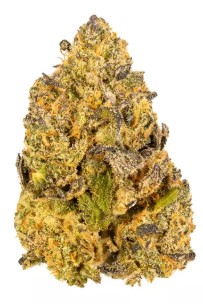
Kobain Kush plants have a short and bushy structure, characteristic of Indica strains. The buds are compact, dense, and covered in a thick layer of frosty trichomes. The color palette includes deep green leaves with occasional hues of purple or blue, accentuated by bright orange pistils.
Aroma
Kobain Kush has a complex and pungent aroma, blending earthy and spicy notes with subtle citrus undertones. The scent profile is dominated by:
- Earthy and Woody – Common in Kush strains, with a deep, musky foundation.
- Spice and Pepper – A sharp, slightly pungent kick that adds complexity.
- Citrus and Lemon – A mild yet refreshing hint that balances the overall aroma.
Flavor
When smoked or vaporized, Kobain Kush delivers a smooth, rich, and layered flavor profile, characterized by:
- Sweet and Woody Undertones – A well-balanced mix of earthy Kush flavors with a slightly sweet exhale.
- Citrus and Pine Hints – Adding a fresh, zesty twist to the overall taste.
- Creamy and Spicy Aftertaste – Leaving a lasting impression on the palate.
THC and CBD Content
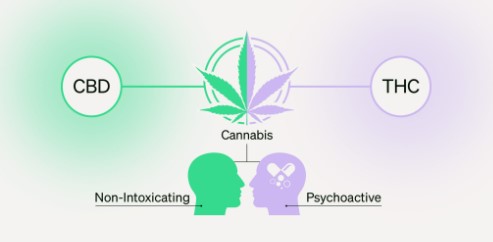
- THC Levels: Kobain Kush is a high-THC strain, typically ranging between 18-24% THC. This makes it a potent choice for users seeking strong psychoactive effects and medicinal benefits.
- CBD Levels: The CBD content is relatively low, usually below 1%, meaning its therapeutic effects come primarily from THC and other cannabinoids rather than CBD.
Medical Uses of Kobain Kush
Kobain Kush, an Indica-dominant hybrid (70-80% Indica, 20-30% Sativa), is highly valued for its potent therapeutic effects. Its high THC content (18-24%) and low CBD (<1%) make it a powerful strain for pain relief, insomnia, anxiety, and other medical conditions. This scientific analysis explores the mechanisms, pharmacology, and therapeutic applications of Kobain Kush.

The Endocannabinoid System (ECS) and Kobain Kush
Kobain Kush interacts with the endocannabinoid system (ECS), a critical regulatory system in the body that influences pain, mood, sleep, and immune response.
Key Components of ECS Affected by Kobain Kush:
- CB1 Receptors (Brain & Central Nervous System)
- THC binds to CB1 receptors, causing euphoria, sedation, and analgesic effects.
- Regulates pain perception, stress response, and sleep cycles.
- CB2 Receptors (Immune System & Peripheral Tissues)
- Modulates inflammation, immune response, and chronic pain relief.
- Involved in autoimmune disorders and neuroprotection.
- Endogenous Cannabinoids Affected:
- Anandamide (“Bliss Molecule”): THC mimics its effects, reducing pain and promoting relaxation.
- 2-AG (2-Arachidonoylglycerol): Plays a role in immune response and anti-inflammatory activity.
Pain Management & Analgesic Properties
Scientific Mechanism of Pain Relief
- THC in Kobain Kush activates CB1 receptors, altering pain perception in the spinal cord and brain.
- Inhibition of neurotransmitters like glutamate and substance P leads to reduced pain sensation.
- Modulation of opioid receptors (mu and delta-opioid receptors) enhances natural pain relief.
Conditions Treated:
- Neuropathic Pain (Nerve Damage)
- Helps with sciatica, multiple sclerosis, diabetic neuropathy.
- Reduces nerve inflammation and hyperexcitability.
- Chronic Pain Conditions
- Fibromyalgia, arthritis, lower back pain.
- Muscle spasms and inflammatory pain disorders.
- Migraine and Headaches
- Inhibits CGRP (calcitonin gene-related peptide), a key migraine trigger.
- Reduces vascular inflammation in brain arteries.
Sleep Disorders & Insomnia Treatment
How Kobain Kush Induces Sleep
- THC modulates the sleep-wake cycle by increasing melatonin production.
- Increases NREM deep sleep, which is crucial for restorative sleep.
- Lowers REM sleep, reducing nightmares in PTSD patients.
Conditions Benefiting from Kobain Kush’s Sedative Properties:
- Primary Insomnia: Promotes faster sleep onset & deeper sleep cycles.
- Sleep Apnea: Reduces airway resistance and inflammation.
- Restless Leg Syndrome (RLS): Relieves involuntary leg movement.
- PTSD-related Nightmares: Suppresses REM sleep disturbances.
Anxiety, Stress, and Mood Disorders
Mechanism of Anxiolytic Effects
- THC activates CB1 receptors in the amygdala, reducing stress response.
- Modulates serotonin (5-HT1A receptors), mimicking the effects of SSRIs (Selective Serotonin Reuptake Inhibitors).
- Dopamine release induces euphoria and mood stabilization.
Conditions Treated:
- Generalized Anxiety Disorder (GAD)
- Reduces excessive worry and muscle tension.
- Enhances emotional resilience.
- Post-Traumatic Stress Disorder (PTSD)
- Reduces hyperarousal, intrusive thoughts, and emotional dysregulation.
- THC suppresses excessive activity in the amygdala, the fear-processing center of the brain.
- Social Anxiety Disorder (SAD)
- Improves confidence and reduces social inhibition.
- Depression & Bipolar Disorder
- Increases serotonin and dopamine activity.
- Reduces lethargy and lack of motivation.
Anti-Inflammatory & Autoimmune Disease Benefits
Mechanism of Action
- Inhibits COX-2 enzyme, similar to NSAIDs like ibuprofen.
- Activates CB2 receptors, reducing cytokine overproduction (prevents excessive inflammation).
- Suppresses microglial activation in the brain, protecting against neuroinflammation.
Conditions Treated:
- Rheumatoid Arthritis (RA) – Reduces joint inflammation & stiffness.
- Inflammatory Bowel Disease (IBD, Crohn’s, Ulcerative Colitis) – Suppresses intestinal inflammation & pain.
- Multiple Sclerosis (MS) – Relieves spasticity, neuropathic pain, and muscle tremors.
Appetite Stimulation & Nausea Relief
How Kobain Kush Enhances Appetite
- THC interacts with CB1 receptors in the hypothalamus, increasing the release of ghrelin, the “hunger hormone.”
- Suppresses nausea by affecting 5-HT3 serotonin receptors.
Medical Applications:
- Cancer & Chemotherapy-Induced Nausea (CINV)
- Reduces nausea & vomiting by blocking serotonin release.
- Increases appetite in cancer patients undergoing chemotherapy.
- HIV/AIDS-Related Cachexia
- Helps prevent muscle wasting and weight loss.
- Eating Disorders (Anorexia Nervosa, ARFID)
- Restores natural hunger cues.
Neurological Disorders & Neuroprotection
Scientific Evidence of Neuroprotective Properties
- THC acts as an antioxidant, reducing oxidative stress on neurons.
- Reduces excitotoxicity by inhibiting excessive glutamate release.
- Modulates dopamine production, benefiting Parkinson’s disease and schizophrenia.
Conditions Benefiting from Kobain Kush:
- Parkinson’s Disease: Reduces tremors, rigidity, and bradykinesia.
- Alzheimer’s Disease: Protects brain cells from beta-amyloid plaque buildup.
- Epilepsy & Seizure Disorders: Modulates GABA and glutamate levels, reducing seizure frequency.
- Traumatic Brain Injury (TBI): Prevents neuronal damage and promotes recovery.
Cancer & Anti-Tumor Properties
Scientific Basis for Anti-Cancer Effects
- THC induces apoptosis (programmed cancer cell death) by activating CB1 and CB2 receptors.
- Prevents angiogenesis (formation of new blood vessels in tumors).
- Reduces metastasis by inhibiting the migration of cancer cells.
Cancers Studied in Cannabis Research:
- Glioblastoma (Brain Cancer) – Inhibits tumor growth in preclinical studies.
- Breast Cancer & Prostate Cancer – Suppresses cancer cell proliferation.
- Lung Cancer – Reduces tumor progression in animal models.
Recreational Uses of Kobain Kush
Kobain Kush is popular among recreational users due to its well-rounded effects. The strain offers a balanced combination of relaxation, euphoria, and sensory enhancement.
Relaxation and Stress Relief
- Best suited for evening or nighttime use due to its sedative effects.
- Perfect for winding down after a long day or enhancing a relaxing activity.
Mood Enhancement
- Induces a feeling of happiness, tranquility, and mild euphoria.
- Ideal for social gatherings, music appreciation, or creative activities.
Body High and Couch-Lock Experience
- Provides a deep body high, often leading to couch-lock.
- Best for low-energy activities like watching movies, listening to music, or meditating.
Cultivating Kobain Kush
Cultivating Kobain Kush requires scientific precision, environmental control, and advanced techniques to ensure optimal growth, cannabinoid production, and yield quality. Below, we explore the most effective and scientifically backed methods of growing Kobain Kush, covering everything from genetic optimization to harvesting and curing.
Understanding Kobain Kush’s Genetic & Growth Characteristics
Genetic Profile
Kobain Kush is an Indica-dominant hybrid (70-80% Indica, 20-30% Sativa), which influences its growth pattern and environmental requirements. The genetic lineage (Pre-98 Bubba Kush × White Lotus) results in: Short, bushy structure with wide fan leaves.
Dense, resinous buds with a thick layer of trichomes.
Flowering period: 8-9 weeks.
Yield: Moderate to high, depending on cultivation techniques.
Resistance: Moderate resistance to pests and mold but requires proper humidity control.
Optimal Cultivation Methods
To maximize potency and yield, cultivation requires specific environmental conditions, nutrient management, and training techniques.
Environmental Requirements for Maximum Yield
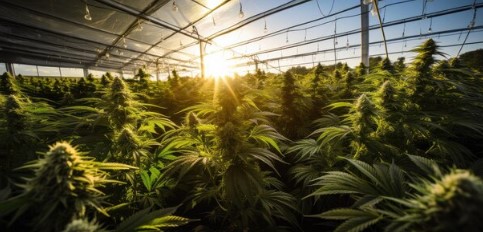
Kobain Kush thrives under controlled environmental conditions. Here’s a scientific breakdown of its ideal growing conditions:
A. Temperature & Humidity
- Seedling Stage (Weeks 1-2)
- Temperature: 72-78°F (22-26°C)
- Humidity: 65-70% (Prevents dehydration and supports early root growth)
- Vegetative Stage (Weeks 3-6)
- Temperature: 70-80°F (21-27°C)
- Humidity: 50-60% (Prevents mold while allowing proper transpiration)
- Flowering Stage (Weeks 7-9)
- Temperature: 65-75°F (18-24°C) (Encourages trichome development)
- Humidity: 40-50% (Prevents mold in dense buds)
- Late Flowering & Harvest (Weeks 9-10)
- Temperature: 60-70°F (16-21°C)
- Humidity: 35-45% (Enhances terpene preservation)
B. Light Requirements
- Indoor Cultivation:
- Vegetative Stage: 18-6 light cycle (18 hours light, 6 hours dark)
- Flowering Stage: 12-12 cycle (12 hours light, 12 hours dark)
- Best Lights: Full-spectrum LED or HPS lights (600W-1000W)
- Light Intensity: 600-900 PPFD (Photosynthetic Photon Flux Density)
- Outdoor Cultivation:
- Requires 8-10 hours of direct sunlight daily.
- Best suited for a Mediterranean or temperate climate.
- Plant in late spring to harvest in early October.
Nutrient & Soil Management
A. Soil pH and Medium
- Ideal Soil pH: 6.0 – 6.5 (slightly acidic)
- Best Soil Type: Loamy, well-aerated, and nutrient-rich.
- Hydroponic pH Range: 5.5 – 6.2.
Preferred Growing Mediums:
- Organic Soil (Compost-enriched with mycorrhizae for enhanced root absorption).
- Coco Coir (Ensures better aeration and nutrient uptake).
- Hydroponics (Fast growth, higher yield, requires pH & nutrient monitoring).
B. Macronutrient Requirements
| Growth Stage | Nitrogen (N) | Phosphorus (P) | Potassium (K) |
|---|---|---|---|
| Seedling | Low | Medium | Medium |
| Vegetative | High | Medium | Medium |
| Flowering | Low | High | High |
- Vegetative Phase (Weeks 3-6): High Nitrogen (N) for leafy growth (NPK ratio 3-1-2).
- Early Flowering (Weeks 6-7): Higher Phosphorus (P) & Potassium (K) for bud formation (NPK 1-3-2).
- Late Flowering (Weeks 8-10): Increased Potassium (K) for terpene and cannabinoid production (NPK 0-3-4).
C. Micronutrient & Supplementation
- Calcium (Ca) & Magnesium (Mg): Essential for cell development and resin production.
- Silica (Si): Strengthens plant cell walls, improving disease resistance.
- Mycorrhizal Fungi & Beneficial Bacteria: Enhances nutrient absorption and root efficiency.
Advanced Cultivation Techniques for Maximum Yield
A. Training Techniques
- Low-Stress Training (LST): Gently bending branches increases light exposure.
- Maximizes bud sites for higher yield.
- Screen of Green (ScrOG): Uses a net or screen to train plant growth.
- Ensures even canopy development and better light penetration.
- Topping & FIMing: Cutting the main stem promotes multiple colas.
- Increases horizontal growth, improving bud production.
- Defoliation: Airflow is enhanced by removing extra fan leaves.
- Reduces risk of mold and pests.
- Sea of Green (SOG): Grows multiple small plants close together.
- Optimizes indoor yield per square meter.
Flowering & Harvesting
A. Flowering Indicators
- Week 6-7: Buds start forming, trichomes begin developing.
- Week 8-9: Pistils darken, resin production increases.
- Week 9-10: Trichomes change from clear to milky white, indicating peak THC levels.
B. Harvesting Based on Trichome Maturity
- Milky Trichomes: Peak THC potency (best for recreational use).
- Amber Trichomes: More sedative, couch-lock effects (best for medical users).
- 50:50 Milky-Amber: Balanced euphoria and relaxation.
C. Drying & Curing Process
- Drying:
- Hang buds upside down in 60-70°F (15-21°C), 50% humidity for 7-10 days.
- To avoid mold, make sure there is adequate air movement.
- Curing:
- Store buds in glass jars at 58-62% humidity.
- Open jars daily for first 2 weeks to release moisture.
- Cure for 3-6 weeks to enhance potency, flavor, and smoothness.
Pest & Disease Management
Common Pests
- Spider Mites, Aphids, Thrips: Controlled using neem oil & beneficial insects (ladybugs).
- Fungus Gnats: Prevented by drying topsoil & using sticky traps.
Common Diseases
- Powdery Mildew & Bud Rot: Avoided by keeping humidity under 50% during flowering.
- Root Rot: Prevented with proper drainage & airflow.
Potential Side Effects
While Kobain Kush is generally well-tolerated, some users may experience:
- Dry Mouth & Dry Eyes: Common side effects mitigated by hydration and eye drops.
- Dizziness & Lightheadedness: Can occur with high doses, especially in new users.
- Paranoia or Anxiety: Possible in THC-sensitive individuals or if consumed in excess.
Conclusion
Kobain Kush is a potent Indica-dominant hybrid, valued for its powerful relaxation, therapeutic benefits, and unique flavor profile. Its high THC content makes it an excellent choice for pain relief, sleep support, and stress reduction, while recreational users appreciate its euphoric and tranquil effects. Whether cultivated for personal use or commercial production, Kobain Kush remains a highly sought-after strain in the cannabis community.
Key Takeaways:
- Genetics: Pre-98 Bubba Kush x White Lotus
- THC Content: 18-24%
- CBD Content: <1%
- Effects: Relaxing, sedative, euphoric
- Medical Uses: Pain relief, insomnia, anxiety, muscle spasms
- Best For: Evening use, stress relief, sleep disorders
- Growing Difficulty: Intermediate
- Flowering Time: 8-9 weeks
Kobain Kush continues to be a top-tier Indica strain for both medical and recreational users. Its combination of powerful effects, medicinal benefits, and enjoyable flavor ensures it remains a staple in the cannabis world.
For a complete directory of cultivars, visit our Cannabis Strain Reviews.
