
Know Your Buds: How to Identify Medical Strain Types
Medical cannabis has become an important treatment option for many patients across the world. Different cannabis strains offer a variety of therapeutic benefits, making it crucial for patients and healthcare providers to understand how to identify and select the appropriate strain for specific medical conditions. This guide aims to provide a comprehensive overview of the different medical cannabis strains, emphasizing their medical use, characteristics, and how to identify them.
Understanding Cannabis Strain Types
Cannabis strains are generally categorized into three main types: Indica, Sativa, and Hybrid. Each type has distinct characteristics and effects, which can influence their suitability for various medical conditions.
Indica Strains
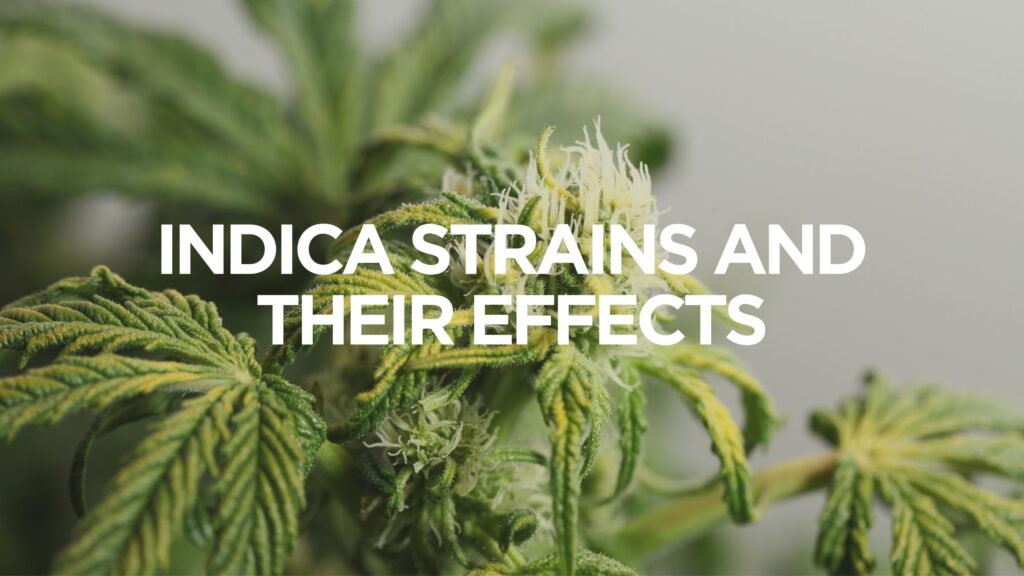
Most indica strains are recognized for their calming and sedative qualities. These strains are often recommended for conditions that benefit from relaxation and pain relief.
Characteristics of Indica Strains
- Appearance: Typically, indica plants have broad leaves and are short and bushy.
- Effects: Indica strains provide a body-centric effect, which can help with pain relief, muscle relaxation, and sleep.
- Aroma and Flavor: Indica strains often have earthy, skunky, and sweet aromas and flavors.
Medical Uses of Indica Strains
Indica strains are frequently used to treat ailments like:
- Chronic Pain: The sedative effects help alleviate pain by relaxing muscles and reducing inflammation.
- Insomnia: Indica’s relaxing properties can aid in promoting sleep and improving sleep quality.
- Anxiety and Stress: The calming effects can reduce anxiety and stress, providing a sense of tranquility.
- Muscle Spasms: The muscle-relaxing properties help reduce spasms and cramps.
Sativa Strains

It is well known that sativa strains provide an energetic and uplifting impact. These strains are often recommended for conditions that benefit from increased focus, energy, and mood enhancement.
Characteristics of Sativa Strains
- Appearance: Sativa plants are typically tall and thin with narrow leaves.
- Effects: Sativa strains provide a cerebral, uplifting effect that can enhance creativity, focus, and energy.
- Aroma and Flavor: Sativa strains often have fruity, citrusy, and spicy aromas and flavors.
Medical Uses of Sativa Strains
Sativa strains are frequently used to treat illnesses like:
- Depression: The uplifting effects can help improve mood and alleviate symptoms of depression.
- Fatigue: The stimulating qualities help fight weariness and boost attentiveness.
- ADHD: The focus-enhancing effects can aid in improving concentration and reducing hyperactivity.
- Chronic Pain: Sativa strains can provide pain relief while allowing patients to remain active and functional.
Hybrid Strains

Combinations of Sativa and Indica strains are known as hybrid strains. They are bred to provide a balanced effect, offering the best of both worlds.
Characteristics of Hybrid Strains
- Appearance: Hybrid plants can vary in appearance, depending on the dominant strain.
- Effects: The effects of hybrid strains can range from relaxing to energizing, depending on the specific blend of Indica and Sativa genetics.
- Aroma and Flavor: Hybrid strains can have a diverse range of aromas and flavors, influenced by their parent strains.
Medical Uses of Hybrid Strains
Hybrid strains are commonly used to treat a wide range of conditions, including:
- Chronic Pain: The balanced effects can provide effective pain relief without excessive sedation.
- Anxiety and Depression: Hybrid strains can help manage mood disorders by offering a combination of calming and uplifting effects.
- PTSD: The balanced effects can aid in managing symptoms of PTSD, such as anxiety, depression, and sleep disturbances.
- Nausea and Appetite Loss: Hybrid strains can stimulate appetite and reduce nausea, making them useful for patients undergoing chemotherapy or suffering from eating disorders.
Identifying Medical Cannabis Strains
To effectively identify medical cannabis strains, it’s important to consider several factors, including cannabinoid and terpene profiles, specific medical benefits, and strain genetics.
Cannabinoid Profiles
The components in cannabis that are active and interact with the body’s endocannabinoid system are called cannabinoids. Cannabidiol (CBD) and tetrahydrocannabinol (THC) are the two main types of cannabinoids.
THC-Dominant Strains
- Characteristics: THC-dominant strains have high levels of THC and low levels of CBD.
- Medical Uses: These strains are effective for pain relief, muscle spasms, nausea, and appetite stimulation.
- Side Effects: High levels of THC can cause psychoactive effects, such as euphoria and altered perception.
CBD-Dominant Strains
- Characteristics: CBD-dominant strains have high levels of CBD and low levels of THC.
- Medical Uses: These strains are effective for anxiety, epilepsy, inflammation, and pain relief without the psychoactive effects.
- Side Effects: In general, CBD has few adverse effects and is well tolerated.
Balanced THC/CBD Strains
- Characteristics: Balanced strains have similar levels of THC and CBD.
- Medical Uses: These strains provide a balanced effect, making them suitable for a wide range of conditions, including pain, anxiety, and inflammation.
- Side Effects: The balanced cannabinoid profile can reduce the psychoactive effects of THC while enhancing the therapeutic benefits.
Terpene Profiles
Terpenes are flavor- and aroma-enhancing aromatic chemicals present in cannabis. They also have therapeutic effects and can influence the overall experience of a strain.
Common Terpenes and Their Effects
- Myrcene: Found in mangoes, hops, and lemongrass. It has sedative and muscle-relaxing effects, making it useful for pain relief and sleep.
- Limonene: Found in citrus fruits. It has uplifting and anti-anxiety effects, making it useful for mood enhancement and stress relief.
- Pinene: Found in pine needles and rosemary. It has anti-inflammatory and bronchodilator effects, making it useful for asthma and respiratory conditions.
- Linalool: Found in lavender. It has calming and anti-anxiety effects, making it useful for stress and sleep disorders.
- Caryophyllene: Found in black pepper and cloves. It has anti-inflammatory and pain-relieving effects, making it useful for chronic pain and inflammation.
Strain Genetics
Understanding the genetic background of a strain can help identify its potential effects and medical benefits. Here are some popular medical cannabis strains and their characteristics:
High-CBD Strains
- Charlotte’s Web: Known for its high CBD content and low THC levels, Charlotte’s Web is effective for treating epilepsy, anxiety, and inflammation without causing psychoactive effects.
- ACDC: With a CBD to THC ratio of 20:1, ACDC is ideal for managing pain, anxiety, and epilepsy.
- Harlequin: This balanced strain has a 5:2 ratio of CBD to THC, making it effective for pain relief, anxiety, and inflammation.
High-THC Strains
- Girl Scout Cookies (GSC): Known for its high THC content and potent effects, GSC is effective for chronic pain, nausea, and appetite stimulation.
- Blue Dream: Blue Dream is a well-liked hybrid strain that has a balanced impact and works well for depression, nausea, and pain treatment.
- OG Kush: With its high THC levels, OG Kush is effective for pain relief, stress, and insomnia.
Balanced THC/CBD Strains
- Cannatonic: With a balanced THC to CBD ratio, Cannatonic is effective for pain relief, muscle spasms, and anxiety without causing strong psychoactive effects.
- Sour Tsunami: Known for its balanced cannabinoid profile, Sour Tsunami is effective for pain relief, inflammation, and anxiety.
- Pennywise: With a 1:1 ratio of THC to CBD, Pennywise is effective for pain relief, anxiety, and inflammation.
Selecting the Right Strain for Your Medical Condition
Choosing the right strain for your medical condition involves considering the specific symptoms you are trying to treat, the desired effects, and any potential side effects.
Pain Management
For chronic pain, strains with high THC content, such as Girl Scout Cookies and OG Kush, are often recommended due to their potent pain-relieving effects. For those seeking pain relief without psychoactive effects, high-CBD strains like Charlotte’s Web and ACDC are ideal.
Anxiety and Stress
To manage anxiety and stress, strains with high CBD content and calming terpenes like myrcene and linalool are beneficial. Harlequin and Cannatonic are excellent choices due to their balanced cannabinoid profiles. Sativa strains like Sour Diesel and Jack Herer can also be effective for anxiety relief due to their uplifting effects.
Insomnia
For insomnia, Indica strains with sedative effects, such as Granddaddy Purple and Northern Lights, are recommended. These strains can promote relaxation and improve sleep quality.
Depression
To alleviate depression, Sativa strains with uplifting effects, such as Blue Dream and Green Crack, can be beneficial. These strains can enhance mood and provide energy, helping to combat depressive symptoms.
Epilepsy
For epilepsy, high-CBD strains like Charlotte’s Web and ACDC are often recommended due to their anticonvulsant properties. These strains can reduce the frequency and severity of seizures without causing psychoactive effects.
Inflammation
To manage inflammation, strains with high CBD content and anti-inflammatory terpenes like caryophyllene are ideal. Harlequin and Sour Tsunami are effective choices due to their balanced cannabinoid profiles and anti-inflammatory effects.
Appetite Stimulation
For appetite stimulation, high-THC strains like Girl Scout Cookies and Blue Dream are recommended. These strains can increase appetite and reduce nausea, making them useful for patients undergoing chemotherapy or suffering from eating disorders.
Muscle Spasms
To reduce muscle spasms, strains with muscle-relaxing effects, such as Cannatonic and Harlequin, are effective choices. Indica strains like Northern Lights can also be beneficial due to their sedative properties.
Regulatory Framework and Restrictions
Legal Status and Prescription Guidelines
The legal status of medical cannabis varies significantly across countries and even within regions of the same country. Here are some general principles that guide its use:
- Prescription as a Last Resort: Medical cannabis is often prescribed only after other conventional treatments have failed. This is to ensure that patients have tried all other options before turning to cannabis, which can have psychoactive effects and other side effects.
- Strict Regulations: In many jurisdictions, medical cannabis is highly regulated. Physicians must adhere to strict guidelines when prescribing it, often requiring special certification or registration to prescribe cannabis.
- Qualifying Conditions: Only certain medical conditions qualify for treatment with medical cannabis. These typically include chronic pain, epilepsy, multiple sclerosis, and chemotherapy-induced nausea, among others.
- Dosage Control: Physicians must carefully determine the appropriate dosage and form of cannabis (e.g., oils, tinctures, capsules) to minimize potential side effects, particularly the psychoactive effects of THC.
Monitoring and Controlling THC Levels
To mitigate the psychoactive effects of THC and ensure patient safety, monitoring and controlling THC levels in medical cannabis products is essential.
THC and CBD Ratio
- High-CBD, Low-THC Products: For patients who need the therapeutic benefits of cannabis without the psychoactive effects, products with high CBD and low THC are preferred. CBD (cannabidiol) is non-psychoactive and can counteract the psychoactive effects of THC.
- Balanced THC/CBD Products: In some cases, a balanced ratio of THC to CBD is used to provide a synergistic effect, enhancing the therapeutic benefits while minimizing psychoactive effects.
Standardized Products and Lab Testing
- Standardization: Medical cannabis products must be standardized to ensure consistent and predictable THC levels. This involves precise cultivation, extraction, and manufacturing processes.
- Lab Testing: Thorough laboratory testing should be performed on all medical cannabis products to confirm their cannabinoid content and guarantee that they adhere to quality and safety regulations. In addition to heavy metals and pesticides, this testing looks for THC and CBD levels.
Patient Monitoring and Follow-Up
Ongoing patient monitoring and follow-up are critical to ensure the safe and effective use of medical cannabis.
Initial Assessment
- Comprehensive Evaluation: Before prescribing medical cannabis, a thorough patient assessment is conducted. Examining the patient’s past medical records, prescription drugs, and current therapies are all part of this.
- Risk Assessment: Physicians assess the potential risks and benefits of medical cannabis for each patient, considering factors like age, mental health status, and potential for substance abuse.
Treatment Plan and Follow-Up
- Individualized Treatment Plan: A personalized treatment plan is developed, specifying the type of cannabis product, dosage, and administration method. This strategy is customized to meet the unique needs and condition of the patient.
- Regular Follow-Up: Patients are regularly monitored to assess the effectiveness of the treatment and any side effects. Follow-up consultations give the opportunity to modify the treatment plan as necessary.
Education and Support
- Patient Education: Educating patients about the potential effects of medical cannabis, including psychoactive effects, is crucial. Patients should be made aware of what to expect and how to take their medication properly.
- Support Services: Providing access to support services, such as counseling and patient support groups, can help patients manage their treatment and address any concerns or side effects.
Practical Considerations in Medical Cannabis Use
Forms of Medical Cannabis
Various forms of medical cannabis are available, each with its own set of advantages and considerations for use:
- Oils and Tinctures: These can be taken sublingually, or under the tongue, for rapid absorption, and dosing is simple and accurate.
- Capsules and Edibles: These provide a discrete and convenient way to consume cannabis, with longer-lasting effects compared to inhalation.
- Topicals: These are applied directly to the skin and are used for localized pain and inflammation without causing psychoactive effects.
Considerations for Special Populations
Certain populations require special consideration when using medical cannabis:
Pediatric Patients
- Strict Monitoring: Pediatric use of medical cannabis, particularly CBD-dominant products, is sometimes considered for severe conditions like epilepsy. Strict monitoring and dosing guidelines are essential.
- Parental Consent and Supervision: Parental consent and close supervision are required, with careful attention to the child’s response and potential side effects.
Elderly Patients
- Lower Dosages: Elderly patients are often started on lower dosages due to potential increased sensitivity to THC and other cannabinoids.
- Interaction with Medications: Careful consideration of potential drug interactions is necessary, as elderly patients are often on multiple medications.
Patients with Mental Health Conditions
- Caution with THC: Patients with a history of mental health conditions, such as anxiety or psychosis, may need to avoid high-THC products due to the risk of exacerbating symptoms.
- Focus on CBD: High-CBD products are generally preferred for their anxiolytic and antipsychotic properties.
Conclusion
The utilization of medical cannabis is an evolving field that offers significant promise for treating a variety of conditions where conventional therapies may fall short. Selecting the right strain of medical cannabis is essential to maximize therapeutic effects and reduce side effects. This comprehensive guide has outlined the key aspects of identifying and utilizing medical cannabis strains, emphasizing the importance of understanding strain types, cannabinoid profiles, and terpenes.
Importance of Strain Identification
The categorization of cannabis strains into Indica, Sativa, and Hybrid is fundamental to selecting the right strain for specific medical conditions. Indica strains are typically used for their sedative properties, making them suitable for conditions like chronic pain, insomnia, and anxiety. Sativa strains are known for their uplifting effects, which can be beneficial for treating depression, fatigue, and ADHD. Hybrid strains offer a balanced effect, providing versatile treatment options for a range of conditions.
Cannabinoid and Terpene Profiles
Understanding the cannabinoid profile, particularly the balance between THC and CBD, is essential in minimizing psychoactive effects while maximizing therapeutic benefits. High-CBD strains are preferred for their non-psychoactive properties, making them ideal for conditions such as epilepsy, anxiety, and inflammation. The role of terpenes, aromatic compounds that influence the aroma, flavor, and therapeutic effects of cannabis, is also critical. Specific terpenes can enhance the effectiveness of cannabis in treating conditions like pain, anxiety, and inflammation.
Regulatory Considerations
The medical use of cannabis is tightly regulated to ensure patient safety. Medical cannabis is often considered a treatment of last resort, prescribed only after other treatments have failed. Strict regulations govern the prescription, dosage, and administration of medical cannabis. Standardization and rigorous lab testing of cannabis products are crucial to ensure consistency and safety, particularly in monitoring THC levels to prevent unwanted psychoactive effects.
Patient-Centered Approach
A patient-centered approach involves thorough initial assessments, individualized treatment plans, and regular follow-up. Education and support are vital components, empowering patients to use medical cannabis safely and effectively. Special considerations are necessary for vulnerable populations such as pediatric and elderly patients, ensuring that treatment is tailored to their specific needs.
Practical Applications
Various forms of medical cannabis, including oils, tinctures, capsules, edibles, topicals, and vaporizers, offer different advantages and considerations. Selecting the appropriate form depends on the patient’s condition, preferences, and lifestyle. By considering all these factors, healthcare providers can develop comprehensive treatment plans that integrate medical cannabis effectively.
Future Directions
Continued research into the therapeutic potential of cannabis will expand our understanding and refine its use in clinical practice. As new insights emerge, the ability to tailor treatments to individual patient needs will improve, enhancing the efficacy and safety of medical cannabis.
In conclusion, the responsible use of medical cannabis requires a deep understanding of its properties, careful regulation, patient education, and ongoing support. By adhering to these principles, medical cannabis can provide significant therapeutic benefits, offering a valuable option for patients with conditions that are resistant to traditional treatments. Medical cannabis has the potential to significantly impact modern medicine by offering relief and enhancing patient quality of life to a large number of patients when used with consideration and knowledge.
