Table of Contents
Genetic Background
King Louis XIII is a highly potent Indica-dominant hybrid strain renowned for its deeply relaxing effects and strong, musky aroma. This strain is a phenotype of OG Kush, one of the most famous cannabis strains globally, and is often linked to elite cannabis genetics.
- Lineage: King Louis XIII is primarily a cross between OG Kush and LA Confidential, both of which are known for their sedative effects, robust flavors, and high THC levels.
- Genetic Composition: This strain typically carries a genetic profile of 70-80% Indica and 20-30% Sativa, making it an excellent choice for relaxation, sedation, and stress relief.
- Origins: Named after the famous French monarch, King Louis XIII has gained a reputation for its luxurious, high-potency effects, making it a sought-after strain in both recreational and medicinal cannabis communities.
Appearance, Aroma, and Flavor Profile
Appearance
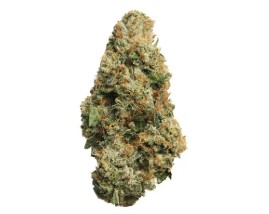
King Louis XIII is visually striking, boasting dense, resin-coated buds with a deep green color, often accompanied by hues of purple and orange. The buds are compact, sticky, and covered in a thick layer of frosty white trichomes, which contribute to its potent THC content.
Aroma
This strain emits an intense and earthy aroma with a pungent, musky scent that is reminiscent of a classic OG Kush. Key aromatic notes include:
- Earthy pine
- Diesel fuel undertones
- Spicy herbs with hints of citrus
- Woody and skunky musk
Due to its strong, unmistakable odor, King Louis XIII is easily recognizable and not ideal for discreet use.
Flavor Profile
When smoked or vaporized, King Louis XIII delivers a rich, complex flavor profile that enhances the experience for cannabis connoisseurs. Commonly reported flavors include:
- Spicy, woody overtones
- Sharp citrus zest
- Earthy pine, similar to fresh forest air
- Diesel-like pungency with herbal undertones
The smooth, robust smoke provides a lingering taste, leaving users with a pleasant yet powerful aftertaste.
THC and CBD Content
- THC Levels: King Louis XIII is a high-THC strain, with typical levels ranging between 20-28%, making it extremely potent.
- CBD Content: This strain has low CBD levels, generally below 1%, meaning its effects are primarily driven by THC and terpene interactions.
- Terpenes: The dominant terpenes in King Louis XIII include:
- Myrcene: Renowned for its ability to relax muscles and induce a sedative.
- Limonene: Offers citrusy notes and stress-relieving effects.
- Caryophyllene: Provides a spicy kick and anti-inflammatory benefits.
King Louis XIII’s Medical Uses
The King Louis XIII cannabis strain is a high-THC, Indica-dominant hybrid known for its potent sedative effects, pain relief, and mood-enhancing properties. Its therapeutic benefits stem from its cannabinoid and terpene profile, making it highly effective for various neurological, psychological, and physiological conditions.
Cannabinoid and Terpene Profile: The Science Behind Its Medical Effects
To understand the medical applications of King Louis XIII, we must analyze its cannabinoid and terpene interactions.
A. Cannabinoid Profile
King Louis XIII is rich in tetrahydrocannabinol (THC) and contains minimal cannabidiol (CBD), which significantly influences its medical uses.
| Cannabinoid | Typical Content (%) | Medical Properties |
|---|---|---|
| THC | 20-28% | Strong analgesic, anxiolytic, and sedative effects |
| CBD | <1% | Minimal, but contributes to anti-inflammatory effects |
| CBN | 0.5-1% | Enhances sedation and promotes sleep |
| CBC | 0.3-0.5% | Neuroprotective, anti-inflammatory |
| THCV | Trace amounts | Potential appetite suppressant |
B. Terpene Profile and Therapeutic Benefits
Terpenes work synergistically with cannabinoids in what is called the “entourage effect”, enhancing medicinal efficacy.
| Terpene | Percentage | Medical Benefits |
|---|---|---|
| Myrcene | 0.6-1.2% | Sedative, muscle relaxant, pain relief |
| Limonene | 0.5-0.8% | Mood enhancer, stress reduction, anti-depressant |
| Caryophyllene | 0.3-0.7% | Anti-inflammatory, neuroprotective, pain relief |
| Pinene | 0.2-0.5% | Bronchodilator, anti-anxiety, memory enhancement |
| Linalool | 0.2-0.4% | Anti-insomnia, anti-epileptic, calming effects |
Neurological and Psychiatric Medical Uses
King Louis XIII has profound effects on the nervous system, making it useful for conditions such as anxiety, PTSD, depression, and insomnia.
A. Anxiety, PTSD, and Stress Disorders
- Mechanism: The high THC and myrcene content induce a calming, anxiolytic effect by modulating GABA (gamma-aminobutyric acid) receptors in the brain.
- Scientific Basis: THC stimulates CB1 receptors, reducing excessive neural activity and decreasing cortisol levels (stress hormone).
- Clinical Evidence: Studies indicate that Indica-dominant strains reduce panic attacks and hypervigilance in PTSD patients.
B. Depression and Mood Disorders
- Mechanism: Limonene and caryophyllene activate serotonin receptors (5-HT1A), which play a role in mood regulation.
- Scientific Basis: THC enhances dopamine release, producing mild euphoria and reducing negative thoughts.
- Best Use Case: Low-to-moderate doses improve mood; however, high doses may exacerbate anxiety in some users.
C. Insomnia and Sleep Disorders
- Mechanism: High THC, myrcene, and linalool promote deep sleep by reducing sleep latency (time to fall asleep) and increasing slow-wave sleep (SWS).
- Scientific Basis: Myrcene is known for its sedative effects, similar to valerian root, while CBN enhances sleep induction.
- Clinical Study: Research suggests Indica strains improve sleep quality by up to 60% in patients with chronic insomnia.
D. Epilepsy and Seizure Control
- Mechanism: Linalool and limonene have anti-convulsant properties, while THC interacts with CB1 receptors to reduce excess neuronal firing.
- Scientific Basis: While CBD-rich strains are commonly used for seizure control, high-THC Indica strains may also help by reducing excitatory neurotransmitter activity.
3. Pain Management and Musculoskeletal Conditions
King Louis XIII’s potent analgesic properties make it highly effective for chronic pain, muscle spasms, and inflammation.
A. Chronic Pain and Neuropathy
- Mechanism: THC inhibits pain signals by activating CB1 and CB2 receptors in the central and peripheral nervous systems.
- Scientific Basis: THC downregulates pain perception by interfering with substance P, a neurotransmitter involved in pain signaling.
- Clinical Use: Effective for fibromyalgia, multiple sclerosis (MS), and nerve damage pain.
B. Arthritis and Inflammation
- Mechanism: Caryophyllene and CBC interact with CB2 receptors, reducing joint inflammation and stiffness.
- Scientific Basis: Studies show cannabis use reduces reliance on opioids for arthritis patients.
- Best Use Case: Vaporization or edibles provide longer-lasting relief than smoking.
C. Muscle Spasms and Multiple Sclerosis (MS)
- Mechanism: Myrcene and THC have muscle relaxant effects that reduce spasticity and tremors.
- Scientific Basis: THC reduces spinal cord hyperactivity, preventing muscle contractions.
- Clinical Evidence: Research shows Indica-dominant strains reduce spasticity in MS patients by 40-50%.
Digestive Disorders and Appetite Stimulation
King Louis XIII plays a vital role in treating gastrointestinal disorders, nausea, and loss of appetite.
A. Nausea and Chemotherapy-Induced Vomiting
- Mechanism: THC blocks serotonin release (5-HT3), reducing nausea signals.
- Scientific Basis: FDA-approved THC-based drugs (Dronabinol, Nabilone) have demonstrated efficacy in chemotherapy patients.
- Best Use Case: Inhalation (vaping/smoking) provides rapid nausea relief.
B. Appetite Stimulation (Cachexia, Eating Disorders)
- Mechanism: THC activates CB1 receptors in the hypothalamus, increasing ghrelin (hunger hormone) production.
- Scientific Basis: Studies show cannabis increases caloric intake in cancer and HIV/AIDS patients.
- Best Use Case: Edibles provide prolonged appetite stimulation.
C. Irritable Bowel Syndrome (IBS) and Crohn’s Disease
- Mechanism: THC and caryophyllene reduce intestinal inflammation and gut motility.
- Scientific Basis: Cannabis use is associated with lower inflammatory markers (TNF-α, IL-6) in Crohn’s disease patients.
- Best Use Case: Tinctures or sublingual oils are preferred for long-lasting relief.
Potential Side Effects and Contraindications
Despite its therapeutic benefits, King Louis XIII may cause mild adverse effects, especially in new users or THC-sensitive individuals.
A. Common Side Effects
- Dry Mouth (Cottonmouth): Caused by THC binding to submandibular gland receptors, reducing saliva production.
- Dry Eyes: Linked to reduced tear gland secretion; eye drops can help.
- Dizziness/Low Blood Pressure: THC can cause temporary vasodilation (widening of blood vessels).
- Sedation and Drowsiness: Beneficial for insomnia but may impair daytime function.
B. Contraindications
Heart Conditions: THC increases heart rate, which may be unsafe for individuals with cardiovascular issues.
Anxiety/Paranoia: High doses may trigger anxiety in THC-sensitive users.
Pregnancy and Breastfeeding: THC crosses the placental barrier, potentially affecting fetal development.
Recreational Uses of King Louis XIII
Beyond its medical benefits, King Louis XIII is a favorite for recreational cannabis users due to its strong body high and euphoric effects.
Deep Relaxation and Couch-Lock Effect
King Louis XIII is perfect for users seeking a deep, full-body relaxation experience. It is known for inducing a strong couch-lock effect, making it ideal for nighttime use or days when relaxation is the primary goal.
Euphoria and Mood Enhancement
Despite its Indica dominance, King Louis XIII also provides mood-boosting effects, promoting feelings of happiness, contentment, and slight euphoria. Because of this, it is perfect for relaxing after a hard day.
Ideal for Evening or Nighttime Use
Due to its sedative properties, King Louis XIII is best consumed in the evening or before bed. It is not recommended for daytime use as it can induce drowsiness and impair productivity.
Growing King Louis XIII Cannabis Strain
Cultivating King Louis XIII Cannabis Strain
Cultivating King Louis XIII requires a scientific and methodical approach to maximize yield, potency, and overall plant health. Below is a detailed breakdown of the optimal growing conditions, nutrient requirements, environmental controls, and advanced cultivation techniques for this Indica-dominant hybrid.
Genetic Characteristics and Growth Behavior
Before cultivating King Louis XIII, it’s crucial to understand its genetics and growth tendencies:
- Growth Type: Indica-dominant (70-80% Indica)
- Height: Short to medium (~3-4 feet indoors, up to 6 feet outdoors)
- Structure: Bushy, compact, and resin-heavy
- Flowering Time: 8-9 weeks indoors; harvest by mid-to-late October outdoors
- Yield: 14-18 oz/m² (indoors), up to 22 oz per plant (outdoors)
- Resistance: Moderate resistance to mold and pests
- Climate Preference: Warm, dry Mediterranean-like conditions
Cultivation Methods for Maximum Yield
A. Choosing the Right Growing Medium
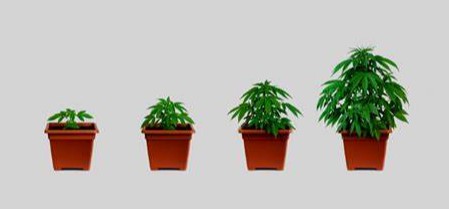
King Louis XIII can be grown using soil, hydroponics, or aeroponics. Each medium has unique advantages:
- Soil Cultivation (Organic and Living Soil)
- Best for flavor enhancement and terpene production
- Use a loamy, well-aerated organic soil with pH 6.0-6.5
- Add compost, perlite, and mycorrhizal fungi to enhance root growth and nutrient uptake
- Incorporate organic amendments such as bat guano, worm castings, and kelp meal
- Hydroponic Cultivation (Optimal Yield and Growth Speed)
- Provides rapid vegetative growth and high yields
- Ideal for controlled indoor environments
- pH range: 5.5-6.0
- Requires constant monitoring of nutrient levels and EC (Electrical Conductivity)
- Common hydroponic systems for King Louis XIII:
- Deep Water Culture (DWC)
- Nutrient Film Technique (NFT)
- Coco Coir (Soilless Medium)
- Aeroponic Cultivation (Advanced Technique)
- Maximizes oxygen uptake by roots
- Airborne roots are misted with nutritional solution.
- Requires precise humidity and temperature control
- High initial setup cost but superior nutrient absorption and rapid growth
B. Ideal Environmental Conditions
Maintaining optimal temperature, humidity, and CO₂ levels is essential for maximizing growth.
- Temperature
- Vegetative stage: 70-78°F (21-26°C)
- Flowering stage: 68-75°F (20-24°C)
- Nighttime temperatures: Maintain at 10°F lower than daytime
- Avoid exceeding 85°F (29°C) to prevent stress
- Humidity Control
- Seedling Stage: 65-70% RH (Relative Humidity)
- Vegetative Stage: 50-60% RH
- Flowering Stage: 40-50% RH (prevents mold & bud rot)
- Late Flowering: 30-40% RH (maximizes trichome production)
- Air Circulation and Ventilation
- Use oscillating fans to prevent stagnant air
- Carbon filters help control strong odor
- Ensure proper air exchange with an inline exhaust fan (CFM matched to grow space)
- CO₂ Supplementation (For Increased Yield)
- Adding CO₂ at 1200-1500 ppm during the vegetative and early flowering stages enhances growth rates and bud density.
- Use CO₂ generators or tanks in a sealed grow room with proper ventilation.
C. Light Requirements
King Louis XIII thrives under high-intensity lighting. The light spectrum and intensity affect THC production, bud density, and terpene expression.
- Vegetative Stage
- Light Cycle: 18/6 (18 hours light, 6 hours dark)
- Ideal Light Types:
- Metal Halide (MH)
- Full-Spectrum LED
- Intensity: PPFD (Photosynthetic Photon Flux Density) of 400-600 µmol/m²/s
- Flowering Stage
- Light Cycle: 12/12 (12 hours light, 12 hours dark)
- Ideal Light Types:
- High-Pressure Sodium (HPS) (600W-1000W)
- Full-Spectrum LED with Far-Red Supplementation
- Intensity: PPFD of 800-1000 µmol/m²/s
- Supplementary UV Light for Enhanced THC Production
- UV-B spectrum exposure in the last 3 weeks of flowering increases trichome density and cannabinoid potency.
Nutrient and Watering Strategy
A. Macronutrient and Micronutrient Needs
King Louis XIII has specific feeding requirements during each stage of growth.
1. Vegetative Phase (Week 1-5)
- High Nitrogen (N) for leaf growth
- Balanced Phosphorus (P) & Potassium (K)
- N-P-K Ratio: 4-2-3
- Supplements:
- Silica (for stronger stems)
- Calcium and Magnesium (prevents deficiencies)
2. Flowering Phase (Week 6-10)
- Increase Phosphorus (P) & Potassium (K) for bud development
- Reduce Nitrogen to prevent excess leaf growth
- N-P-K Ratio: 1-4-5
- Supplements:
- Molasses (boosts microbial activity and terpene production)
- Fulvic and Humic Acids (increase nutrient absorption)
B. Watering Schedule & pH Control
- Watering Frequency: Every 2-3 days, depending on soil moisture
- pH Range:
- Soil: 6.0-6.5
- Hydroponics: 5.5-6.0
- Best Practices:
- Use dechlorinated water
- Avoid overwatering to prevent root rot
- Incorporate flushing (pH-balanced water) 2 weeks before harvest to remove excess nutrients
Training Techniques for Higher Yields
King Louis XIII benefits from advanced plant training techniques to maximize bud sites and canopy control.
- Low-Stress Training (LST)
- Bending and tying branches to expose lower nodes to light
- Encourages even canopy growth and higher yields
- Topping (Apical Pruning)
- Cutting the main cola to promote bushier growth and multiple colas
- Recommended during Week 3-4 of vegetative stage
- Screen of Green (ScrOG)
- Using a trellis net to train branches horizontally
- Optimizes light penetration and maximizes flower production
- Defoliation
- Removing excess fan leaves in the 3rd and 6th week of flowering increases airflow and directs energy to bud production.
Pest & Disease Management
Despite being relatively resistant, King Louis XIII is vulnerable to powdery mildew, spider mites, and bud rot. Preventative measures include:
- Integrated Pest Management (IPM)
- Introduce predatory insects like ladybugs & neem oil spray
- Apply organic fungicides (sulfur-based) weekly
- Maintaining Low Humidity (Below 50%)
- Prevents powdery mildew and bud rot
- Use dehumidifiers and airflow systems
Harvesting and Curing for Maximum Potency
A. Harvest Timing (Trichome Maturity)
- Milky Trichomes: Peak THC levels (best for strong psychoactive effects)
- Amber Trichomes: Higher CBN levels (more sedative)
B. Drying & Curing Process
- Drying Time: 7-14 days at 60-70°F (15-21°C) and 50% RH
- Curing: Store buds in glass jars at 65% RH for 4+ weeks to preserve terpenes and enhance flavor.
Potential Side Effects
Despite its benefits, King Louis XIII may cause some adverse effects, particularly for beginners or those sensitive to THC.
Common Side Effects
- Dry Mouth: Commonly reported; staying hydrated helps alleviate discomfort.
- Dry Eyes: Can cause mild irritation, which can be relieved with eye drops.
- Dizziness: High doses may induce lightheadedness or dizziness, especially in new users.
Less Common Side Effects
- Paranoia/Anxiety: In rare cases, users may experience mild paranoia or heightened anxiety, particularly at high doses.
- Couch-Lock: The strong sedative effects may make it difficult to stay active or alert.
8. Conclusion
King Louis XIII is a legendary Indica-dominant strain known for its powerful sedative effects, potent pain relief, and deep relaxation. Its high THC content, pungent aroma, and classic OG Kush lineage make it a preferred option for both recreational and medical consumers. Whether you’re seeking stress relief, help with insomnia, pain management, or simply a night of deep relaxation, King Louis XIII delivers an unforgettable cannabis experience.
For a complete directory of cultivars, visit our Cannabis Strain Reviews.
