Table of Contents
King Kong is a powerful, well-balanced hybrid cannabis strain known for its strong effects, unique aroma, and extensive medicinal benefits. This strain has gained popularity due to its high THC content, rapid onset of effects, and ability to provide relaxation, pain relief, and euphoria. Named after the legendary giant gorilla, King Kong is recognized for its towering potency and ability to deliver a knockout punch. This guide delves deep into the genetics, appearance, aroma, flavor profile, THC/CBD content, medical and recreational uses, and growing techniques of the King Kong cannabis strain.
Genetic Background
King Kong is a hybrid strain with a balanced genetic lineage, combining both Indica and Sativa traits. It is derived from the cross of Ed Rosenthal Super Bud (ERSB) and an unnamed hybrid strain. The result is a strain that exhibits both the uplifting, cerebral effects of Sativa and the deeply relaxing body high of Indica.
- Parent Strains: Ed Rosenthal Super Bud (ERSB) x Unknown Hybrid
- Dominance: Indica-dominant hybrid (60% Indica / 40% Sativa)
- THC Content: 18% – 22%
- CBD Content: <1%
This balanced combination makes King Kong a versatile strain, suitable for both recreational and medicinal users. The high THC content contributes to its strong effects, while its Indica dominance makes it ideal for relaxation and pain relief.
Appearance, Aroma, and Flavor Profile
Appearance
King Kong cannabis plants produce dense, chunky buds covered in a thick layer of resinous trichomes. The buds are typically bright green with hints of orange pistils interwoven throughout. The resin production is heavy, making it a suitable strain for extraction purposes. The structure of the buds is compact and sticky to the touch, indicating the strain’s potency and rich cannabinoid profile.
Aroma
The scent of King Kong is earthy, skunky, and pungent, with strong undertones of diesel and pine. Upon breaking the buds, additional notes of citrus and spice emerge, adding complexity to its aromatic profile. The strain’s skunky nature makes it quite noticeable, so discretion may be necessary when consuming it in public settings.
Flavor
The flavor of King Kong is rich and complex, offering a mix of earthy, sweet, and piney tastes. Users commonly describe it as having:
- A dominant earthy taste upon inhale
- Spice and citrus notes on the exhale
- A smooth, slightly sweet aftertaste that lingers
The strain provides a full-bodied, satisfying smoking experience that appeals to cannabis connoisseurs.
THC and CBD Content
THC Levels
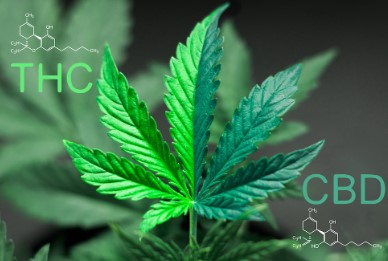
King Kong typically contains 18% to 22% THC, making it a potent strain suited for users with moderate to high tolerance levels. Its effects can be intense, particularly for beginners, and should be approached with caution.
CBD Levels
With CBD levels below 1%, King Kong is not primarily known for its CBD-related therapeutic effects. However, its high THC content contributes to significant medical benefits, particularly for pain relief, insomnia, and stress management.
Medical Uses of King Kong Cannabis Strain
King Kong is a hybrid cannabis strain (60% Indica / 40% Sativa) known for its high THC content (18-22%) and powerful therapeutic properties. It exhibits a balanced combination of euphoric cerebral stimulation and deep physical relaxation, for those who utilize medical cannabis, it is a flexible strain. This section explores the scientific basis behind King Kong’s medical applications, including its effects on pain, neurological conditions, mental health disorders, and other therapeutic benefits.

Mechanism of Action: How King Kong Affects the Body
The medical efficacy of King Kong is derived from its interactions with the endocannabinoid system (ECS), a complex cell-signaling network that regulates various physiological processes.
A. Interaction with the Endocannabinoid System
- The ECS consists of CB1 and CB2 receptors located throughout the central nervous system (CNS), peripheral nervous system (PNS), and immune system.
- THC (tetrahydrocannabinol): The dominant cannabinoid in King Kong, binds primarily to CB1 receptors, exerting psychoactive effects, pain relief, and muscle relaxation.
- CBD (cannabidiol) Content: Although King Kong has low CBD levels (<1%), the entourage effect from terpenes enhances its medicinal benefits.
Pain Management: Analgesic and Anti-Inflammatory Effects
A. Chronic Pain Relief
- THC in King Kong modulates nociceptive pain perception via CB1 receptor activation in the brain and spinal cord.
- Studies suggest that THC-rich strains significantly reduce neuropathic and inflammatory pain by inhibiting pro-inflammatory cytokines and increasing endogenous opioid production.
- Medical Applications:
- Arthritis and Joint Pain: Reduces inflammation and discomfort.
- Fibromyalgia: Helps with widespread musculoskeletal pain.
- Migraine Relief: Modulates serotonin and CGRP (calcitonin gene-related peptide), key players in migraine pathology.
B. Anti-Inflammatory Properties
- King Kong reduces prostaglandin and cytokine activity, similar to NSAIDs but without gastric side effects.
- Conditions Treated:
- Rheumatoid Arthritis (RA): Inhibits overactive immune response.
- Irritable Bowel Syndrome (IBS) & Crohn’s Disease: Regulates gut inflammation.
- Muscle Spasms and Multiple Sclerosis (MS): Eases muscle rigidity and nerve pain.
Neurological and Mental Health Applications
King Kong’s psychoactive and anxiolytic properties make it effective for managing various neurological and psychiatric disorders.
A. Anxiety and Stress Reduction
- King Kong’s terpene profile (myrcene, caryophyllene, limonene) contributes to anxiolytic effects, reducing cortisol (stress hormone) levels.
- Conditions Treated:
- Generalized Anxiety Disorder (GAD) – Induces relaxation without cognitive impairment.
- Post-Traumatic Stress Disorder (PTSD) – Reduces hyperarousal and nightmares by modulating amygdala hyperactivity.
- Obsessive-Compulsive Disorder (OCD) – Improves serotonin regulation and neural plasticity.
B. Depression and Mood Disorders
- Mechanism: Increases dopamine and serotonin levels, mimicking the effect of SSRIs (Selective Serotonin Reuptake Inhibitors).
- Medical Applications:
- Major Depressive Disorder (MDD): Enhances motivation and reduces negative thought patterns.
- Bipolar Disorder (BD): Helps with depressive phases but should be used cautiously to avoid triggering manic episodes.
Sleep Disorders: King Kong as a Natural Sleep Aid
King Kong’s Indica-leaning effects make it an excellent sleep aid for those suffering from insomnia and sleep disturbances.
A. Mechanism of Sleep Induction
- THC reduces sleep latency by binding to CB1 receptors in the hypothalamus, promoting GABAergic inhibition of wakefulness-promoting neurons.
- Myrcene and Linalool (terpenes) contribute to sedation, muscle relaxation, and REM sleep regulation.
- Medical Applications:
- Insomnia: Improves sleep onset and duration.
- Sleep Apnea: Reduces airway inflammation and promotes stable breathing.
- Restless Leg Syndrome (RLS): Alleviates involuntary muscle movements.
Neurological Disorders and Neuroprotection
King Kong’s neuroprotective effects may benefit patients with neurodegenerative diseases.
A. Parkinson’s Disease and Huntington’s Disease
- THC and beta-caryophyllene in King Kong activate CB2 receptors, reducing neuroinflammation.
- Improves dopamine signaling, potentially reducing tremors, muscle rigidity, and bradykinesia.
B. Alzheimer’s Disease and Dementia
- THC has been shown to reduce beta-amyloid plaque accumulation, a hallmark of Alzheimer’s.
- Medical Applications:
- Slows cognitive decline.
- Reduces agitation and aggression in dementia patients.
C. Epilepsy and Seizure Disorders
- Though CBD is the primary anticonvulsant cannabinoid, King Kong’s THC and myrcene content may aid in reducing seizure frequency, particularly in THC-responsive epilepsy cases.
Appetite Stimulation and Gastrointestinal Disorders
King Kong’s orexigenic (appetite-stimulating) effects make it beneficial for patients with cachexia (wasting syndrome) and digestive disorders.
A. Appetite Stimulation
- THC binds to CB1 receptors in the hypothalamus, increasing ghrelin (hunger hormone) levels.
- Medical Applications:
- Cancer patients undergoing chemotherapy.
- HIV/AIDS-related wasting syndrome.
- Anorexia and other eating disorders.
B. Nausea and Vomiting Relief
- THC suppresses the vomiting reflex by interacting with the dorsal vagal complex in the brainstem.
- Medical Applications:
- Chemotherapy-induced nausea and vomiting (CINV).
- Hyperemesis Gravidarum (Severe morning sickness).
- Gastroesophageal reflux disease (GERD).
Cancer Treatment Support: Anti-Tumor and Chemotherapy Relief
Emerging research suggests THC may have anti-cancer properties in addition to managing cancer treatment side effects.
A. Potential Anti-Tumor Effects
- THC induces apoptosis (programmed cell death) in some cancer cells via CB1/CB2 receptor activation.
- Inhibits angiogenesis (formation of new blood vessels), limiting tumor growth.
- Medical Research (Preclinical Studies):
- Glioblastoma (brain cancer): Reduction in tumor cell viability.
- Breast and prostate cancer: Possible inhibition of metastasis.
B. Symptom Management for Cancer Patients
- Reduces chemotherapy-induced nausea, vomiting, and neuropathy.
- Enhances mood and appetite during cancer treatment.
Potential Risks and Considerations
While King Kong has numerous medical applications, certain populations should exercise caution.
A. Contraindications
- Psychotic Disorders: THC may exacerbate schizophrenia symptoms.
- Cardiovascular Disease: Can increase heart rate temporarily, posing risks for individuals with hypertension.
- Pregnancy and Breastfeeding: Potential effects on fetal brain development.
B. Common Side Effects
| Side Effect | Cause | Management |
|---|---|---|
| Dry Mouth | THC reducing saliva production | Hydration |
| Dry Eyes | Cannabinoid-induced fluid imbalance | Eye drops |
| Dizziness | Blood pressure fluctuations | Low-dose consumption |
| Anxiety/Paranoia | High THC levels | Lower dosage, choose terpene-rich strains with limonene & myrcene |
Recreational Uses of King Kong Cannabis Strain
Beyond its medical applications, King Kong is a popular recreational strain due to its potent and enjoyable effects.
Relaxation and Stress Relief
Recreational users appreciate King Kong for its intense relaxation and ability to melt away stress. It is an excellent choice for unwinding after a long day.
Euphoria and Mood Elevation
King Kong produces a happy and euphoric high, making it suitable for social settings and creative activities. It can promote laughter, positive interactions, and a cheerful mindset.
Couch-Lock and Sedation
At higher doses, King Kong can lead to heavy sedation and couch-lock, making it a great strain for movie nights, chilling at home, or preparing for a deep sleep.
Ideal for Evening or Nighttime Use
Due to its strong sedative properties, King Kong is best enjoyed in the evening or at night. It is not recommended for daytime use, as it may cause drowsiness and reduce productivity.
Growing King Kong Cannabis Strain
Cultivation of King Kong Cannabis Strain
Cultivating King Kong cannabis requires a precise understanding of environmental control, nutrient management, training techniques, and flowering strategies to maximize yield and potency. Below is an in-depth, science-backed cultivation guide, covering optimal growing conditions, plant physiology, and advanced techniques used in modern cannabis cultivation.
Optimal Growing Conditions for King Kong Cannabis
King Kong is a hybrid strain that can be grown indoors, outdoors, or in greenhouse environments. To achieve maximum yield and cannabinoid production, cultivators must optimize several environmental factors.

A. Climate and Temperature Control
- Ideal Temperature Range:
- Vegetative Stage: 70–85°F (21–29°C)
- Flowering Stage: 65–80°F (18–27°C)
- Late Flowering (Ripening Phase): Slight temperature drop at night to 60–70°F (15–21°C) to enhance terpene production.
- Temperature Stress Considerations:
- High temperatures above 90°F (32°C) reduce photosynthesis efficiency and can cause heat stress or terpene degradation.
- Low temperatures below 60°F (15°C) can slow growth and induce purple pigmentation in leaves (caused by anthocyanin accumulation).
B. Humidity and Airflow Management
- Vegetative Stage: 60-70% RH (Relative Humidity) to encourage vigorous growth.
- Flowering Stage: 40-50% RH to prevent mold and mildew formation.
- Late Flowering (Week 6-9): Reduce to 30-40% RH to increase resin production.
- Airflow Requirements:
- Oscillating fans to promote CO₂ exchange and prevent stagnant air.
- Carbon filters to reduce strong odors.
- Exhaust ventilation with inline fans to maintain negative pressure and regulate temperature/humidity.
Soil vs. Hydroponics: Best Medium for King Kong Cultivation
King Kong can be grown in soil-based or hydroponic systems, each offering unique benefits.
A. Soil Cultivation (Organic Growing)
- Best Soil Type:
- Loamy, well-draining soil with a pH range of 6.0-6.8.
- Rich in organic matter (worm castings, compost, perlite for aeration).
- Beneficial mycorrhizal fungi and rhizobacteria help nutrient uptake.
- Organic Feeding:
- Nitrogen (N) in vegetative stage for leaf development.
- Phosphorus (P) & Potassium (K) in flowering for bud growth.
- Supplements like molasses, fish meal, and bat guano enhance terpene expression.
B. Hydroponic Cultivation (Soilless Medium)
- Common Systems Used:
- Deep Water Culture (DWC): In an oxygenated nutrition solution, roots are suspended.
- Ebb & Flow: Periodic flooding of the root zone with nutrients.
- Coco Coir Medium: Improves aeration and root oxygenation.
- Hydroponic Advantages:
- Faster growth rate due to direct nutrient uptake.
- pH stability is crucial (5.5–6.2 optimal range).
- EC (electrical conductivity) monitoring ensures precise nutrient delivery.
Nutrient Management and Feeding Schedule
King Kong cannabis requires different nutrients at each stage of growth.
A. Nutrient Requirements by Growth Phase
| Growth Stage | Key Nutrients | Recommended N-P-K Ratio |
|---|---|---|
| Seedling (0-2 weeks) | Light nitrogen (N), root stimulants | 1-1-1 |
| Vegetative (3-6 weeks) | High nitrogen (N), calcium (Ca), magnesium (Mg) | 3-1-2 |
| Pre-Flowering (Week 6-8) | Increased phosphorus (P), potassium (K) | 2-2-4 |
| Flowering (Week 8-12) | High phosphorus (P), potassium (K), sulfur (S) | 1-3-4 |
| Late Flowering (Ripening) | Reduce nitrogen, boost potassium (K) | 0-2-4 |
B. Supplements & Enhancers
- Silica (Si): Strengthens cell walls and improves pest resistance.
- Amino Acids & Enzymes: Promote root zone health.
- Fulvic & Humic Acid: Enhance nutrient uptake and chelation.
- CO₂ Enrichment (Indoor Cultivation): Boosts photosynthesis rate if PPM levels are maintained at 1200-1500 PPM.
Training Techniques to Maximize Yield
Training techniques are crucial to optimize light penetration and increase bud sites.
A. Low-Stress Training (LST)
- Creating an equal canopy requires carefully bending and tying down branches.
- Encourages more colas (bud sites) for increased yield.
- Avoids plant stress compared to high-stress methods.
B. High-Stress Training (HST)
- Topping: Cutting the apical meristem to create multiple dominant colas.
- Supercropping: Gently bending stems to increase lateral growth.
- Defoliation: removing extra leaves to increase ventilation and light penetration.
C. Sea of Green (SOG) & Screen of Green (ScrOG)
- SOG (Sea of Green):
- Growing many small plants close together to maximize canopy space.
- Shorter vegetative phase (~3 weeks).
- ScrOG (Screen of Green):
- Trellis netting to guide plant growth horizontally.
- Even canopy ensures equal light exposure and maximizes bud formation.
Flowering Phase & Harvesting Techniques
King Kong has a flowering period of 7-9 weeks, with peak resin production occurring around week 6-7.
A. Identifying Optimal Harvest Time
- Trichome Inspection:
- Clear Trichomes: Not ready, THC still developing.
- Milky White Trichomes: Peak potency, best for a balanced high.
- Amber Trichomes: THC degrading to CBN, more sedative effects.\n
- Pistil Method:
- White pistils = too early.
- 60-70% orange-brown pistils = ideal harvest window.
B. Harvesting & Drying
- Ideal Harvest Conditions: 60-70°F (15-21°C) with 50% humidity.
- Drying Process:
- Hang buds upside down for 7-10 days in a dark, ventilated space.
- Maintain slow drying to preserve terpenes and cannabinoids.
- Curing:
- Place dried buds in glass jars, burping daily for 2-4 weeks.
- Curing improves flavor, potency, and smoothness.
Common Growing Challenges & Solutions
| Problem | Cause | Solution |
|---|---|---|
| Nutrient Burn | Excess feeding | Reduce nutrients, flush with pH-balanced water |
| Powdery Mildew | High humidity, poor airflow | Improve ventilation, use sulfur spray |
| Pest Infestation (Spider Mites, Aphids) | Weak plant defenses | Neem oil, beneficial insects (ladybugs, predatory mites) |
| Light Burn | Too close to LED/HPS lights | Adjust light distance, maintain 18-24 inches from canopy |
| Root Rot | Overwatering, poor drainage | Use aerated soil, apply beneficial fungi |
Side Effects of King Kong Cannabis Strain
Like all cannabis strains, King Kong comes with potential side effects, particularly at higher doses:
- Dry Mouth (Cottonmouth) – Common, can be managed with hydration.
- Dry Eyes – Using lubricating eye drops can help.
- Dizziness & Lightheadedness – Especially in novice users.
- Paranoia or Anxiety – Can occur in individuals sensitive to THC.
Conclusion
King Kong is a powerful hybrid cannabis strain offering a balanced mix of euphoria, relaxation, and medical relief. With its potent effects, rich aroma, and easy cultivation, it remains a favorite among cannabis enthusiasts. Whether used for pain relief, stress reduction, or recreational enjoyment, King Kong delivers an experience worthy of its legendary name.
For a complete directory of cultivars, visit our Cannabis Strain Reviews.
