Table of Contents
Killer Queen is a popular hybrid cannabis strain that has captivated the attention of enthusiasts for its unique blend of effects, distinct aroma, and versatile applications. Bred by combining two iconic strains—G13 and Cinderella 99—this strain carries a legacy of potency and flavor that appeals to both recreational and medical cannabis users. This detailed document explores the origins, genetics, characteristics, medical and recreational uses, and scientific aspects of Killer Queen, aiming to provide a holistic understanding of its impact on users.
Genetics and Origins
Killer Queen was created by Brothers Grimm Seeds, a breeder renowned for developing highly sought-after strains. By crossing G13, an indica-dominant strain shrouded in government-conspiracy lore, with Cinderella 99, a sativa-dominant strain known for its uplifting effects, Killer Queen achieves a near-perfect balance of indica and sativa characteristics. The strain typically leans slightly toward the sativa side, with a ratio of approximately 60% sativa to 40% indica.
Parent Strains Overview:
- G13: This strain is a legendary indica known for its potent relaxation effects and earthy, piney aroma. It contributes to Killer Queen’s sedative qualities and rich terpene profile.
- Cinderella 99 (C99): A sativa with tropical flavors and euphoric effects, C99 adds an energetic and uplifting dimension to Killer Queen, enhancing its recreational and creative potential.
Appearance, Aroma, and Flavor
Killer Queen is visually striking, with dense, medium-sized buds that are often lime green in color. These buds appear frosty due to the thick layer of trichomes that adorns them. The pistils are bright orange, providing a stark contrast against the green backdrop.
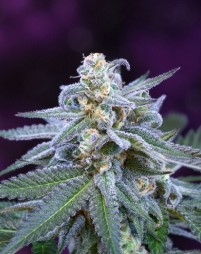
Aroma: The aromatic profile of Killer Queen is a delightful combination of sweet, fruity, and earthy notes. It has a strong initial scent of pineapple and citrus, with subtle undertones of skunk and spice. When the buds are broken apart, a rich, pungent smell becomes more apparent, hinting at its G13 lineage.
Flavor: When smoked or vaped, Killer Queen delivers a complex flavor profile. Users often report tasting tropical fruit, particularly pineapple, along with hints of earthy herbs and a slight spiciness. The smoke is typically smooth, making it a pleasant experience for both novice and experienced consumers.
Potency and Cannabinoid Profile
Killer Queen is known for its moderate to high THC levels, which typically range between 18% and 25%, depending on the cultivation and phenotype. Its CBD content is minimal, usually below 1%, which contributes to its strong psychoactive effects.
Terpene Profile: The strain’s unique effects and flavors can be attributed to its diverse terpene profile, which commonly includes:
- Myrcene: Adds to the relaxing and sedative effects while contributing earthy, herbal notes.
- Limonene: Provides uplifting and mood-enhancing effects along with citrusy aromas.
- Caryophyllene: Known for its anti-inflammatory properties, it adds a spicy kick to the flavor.
- Pinene: Enhances focus and brings a fresh pine aroma.
Recreational Uses
Killer Queen is a versatile strain that caters to a wide range of recreational users. Its balanced sativa-indica profile makes it suitable for various activities, from socializing to creative pursuits.
Uplifting and Energizing Effects: The sativa dominance in Killer Queen provides an initial cerebral high that is both energizing and euphoric. Users often report feeling more focused, motivated, and creatively inspired. This makes it a great choice for daytime use, particularly for activities like painting, writing, or brainstorming.
Relaxation and Stress Relief: As the high progresses, the indica properties come into play, offering a calming and soothing body sensation. This makes it ideal for unwinding after a long day or enjoying a quiet evening at home.
Social Settings: The balanced effects of Killer Queen make it a popular choice for social gatherings. It can enhance mood, promote laughter, and encourage engaging conversations without causing overwhelming sedation.
Creative Endeavors: Artists, musicians, and writers often gravitate toward Killer Queen for its ability to stimulate imagination and enhance focus. The strain’s cerebral effects can help users think outside the box and overcome creative blocks.
Medical Applications
Killer Queen has a wide range of medical uses due to its diverse effects. Patients dealing with physical and psychological conditions often find relief with this strain. Below are the primary medical applications:
1. Stress and Anxiety Relief: The uplifting and mood-enhancing effects of Killer Queen make it an excellent option for managing stress, anxiety, and depression. The limonene terpene plays a significant role in promoting a sense of calm and well-being.
2. Pain Management: Thanks to its moderate levels of myrcene and caryophyllene, Killer Queen is effective in alleviating chronic pain, muscle spasms, and headaches. The combination of physical relaxation and mental clarity allows patients to go about their day with reduced discomfort.
3. Appetite Stimulation: Like many strains with G13 lineage, Killer Queen can induce hunger, making it beneficial for patients experiencing appetite loss due to conditions like chemotherapy or eating disorders.
4. Fatigue and Lack of Focus: The energizing effects of the strain make it a good option for combating fatigue and enhancing concentration. Patients with conditions such as ADHD may benefit from its focus-enhancing properties.
5. Insomnia Relief: Although not as sedative as some indica strains, Killer Queen’s body relaxation effects can help users who struggle with mild insomnia or difficulty falling asleep.
6. Mood Disorders: The euphoria and mental clarity provided by Killer Queen are beneficial for individuals with mood disorders such as bipolar disorder or seasonal affective disorder (SAD). It helps elevate mood without causing excessive lethargy.
Scientific Insights
The therapeutic potential of Killer Queen is rooted in its chemical composition, which influences its effects on the body and mind. Understanding the science behind its properties can provide deeper insight into its medical and recreational value.
1. THC and CB1/CB2 Receptors: The high THC content in Killer Queen interacts with the endocannabinoid system (ECS), primarily targeting CB1 receptors in the brain. This interaction is responsible for the strain’s psychoactive effects, including euphoria, heightened sensory perception, and mood enhancement. Additionally, THC’s interaction with CB2 receptors in peripheral tissues contributes to its anti-inflammatory and analgesic properties.
2. Role of Terpenes: Terpenes not only shape the strain’s aroma and flavor but also modulate its effects through the “entourage effect.” For example:
- Myrcene enhances the absorption of cannabinoids, amplifying their effects.
- Limonene’s mood-enhancing properties complement THC’s euphoria.
- These buds appear frosty due to the thick layer of trichomes that adorns them.
3. Potential for Neuroprotection: Emerging research suggests that THC and other cannabinoids may have neuroprotective properties. This could make Killer Queen a candidate for managing conditions like Alzheimer’s disease, Parkinson’s disease, or multiple sclerosis, though more research is needed.
4. Anti-Inflammatory and Antioxidant Effects: The combination of cannabinoids and terpenes in Killer Queen contributes to its anti-inflammatory and antioxidant properties. This makes it useful for managing chronic inflammatory conditions such as arthritis or Crohn’s disease.
5. Personalized Medicine: As cannabis research advances, strains like Killer Queen can be tailored to individual needs through precise cultivation and extraction methods. This allows patients to benefit from specific cannabinoid and terpene profiles that address their unique symptoms.
Cultivation Information
Killer Queen is a relatively easy strain to cultivate, making it a favorite among both novice and experienced growers. It thrives in both indoor and outdoor environments and typically has a flowering time of 8 to 10 weeks.
1. Optimal Growing Environment

Killer Queen thrives in both indoor and outdoor settings, but maintaining specific environmental conditions can significantly impact its growth quality and cannabinoid content. Here’s what the science suggests:
- Light Intensity and Spectrum:
- Full-spectrum LED or high-pressure sodium (HPS) lights are recommended indoors to simulate sunlight.
- Studies show blue light during the vegetative stage promotes compact, robust growth, while red light in the flowering stage enhances bud size and cannabinoid production.
- Temperature: Ideal temperatures are between 70\u00b0F and 80\u00b0F. Stress from heat or cold can slow photosynthesis and reduce yield.
- Humidity Levels:
- Vegetative Stage: Maintain higher humidity levels, around 55–65%, to support rapid growth.
- Flowering Stage: Reduce humidity to 40–50% to prevent mold and mildew, especially due to Killer Queen’s dense buds.
2. Soil vs. Hydroponics
- Soil Cultivation:
- Organic soil enriched with nutrients like nitrogen, phosphorus, and potassium supports a natural terpene profile.
- Microbial activity in soil enhances nutrient uptake and promotes terpene synthesis.
- Hydroponics:
- Many growers use hydroponic systems for Killer Queen to accelerate growth and maximize yields.
- Nutrients are directly delivered to the roots, ensuring precise control of feeding schedules.
- Hydroponics can increase THC levels by optimizing root oxygenation.
3. Nutrient Management
- During the vegetative stage, high levels of nitrogen are essential for foliage development.
- The flowering stage demands increased phosphorus and potassium for bud production and resin formation.
- Using supplements like magnesium and calcium prevents deficiencies, ensuring healthy plant development.
- Organic feeding methods (e.g., using bat guano, fish meal, or seaweed extract) can enhance terpene concentration, improving aroma and flavor.
4. Terpene Maximization
The terpenes in Killer Queen, such as myrcene, limonene, and caryophyllene, contribute significantly to its therapeutic effects. Scientific strategies for boosting terpene production include:
- UV-B Light Exposure:
- Studies indicate that UV-B light during the flowering phase can increase trichome production, leading to higher terpene and cannabinoid levels.
- Controlled Stress:
- Techniques like low-stress training (LST) and defoliation promote better light penetration, triggering more resin production.
- Minimal drought stress toward the end of flowering can also enhance terpene synthesis without harming the plant.
5. pH Control
- Maintaining the correct pH is crucial for nutrient uptake:
- In soil: Aim for a pH of 6.0–7.0.
- In hydroponics: Keep the pH between 5.5–6.5.
- Imbalances in pH can lead to nutrient lockout, stunting growth and reducing yield.
6. CO2 Enrichment
Enriching the growing environment with carbon dioxide (CO2) can significantly boost Killer Queen’s yield:
- Studies show that raising CO2 levels to 1200–1500 ppm during the flowering stage increases photosynthesis and biomass production.
- Proper ventilation is essential to prevent overheating and ensure CO2 is evenly distributed.
7. Training Techniques
- Topping: Cutting the main stem encourages lateral growth, resulting in a bushier plant with multiple colas.
- Low-Stress Training (LST): Bending and tying down branches improve light distribution and airflow, reducing the risk of mold.
- Screen of Green (SCROG): Using a screen to train plants horizontally maximizes space and exposes more bud sites to light, enhancing yield.
8. Pest and Disease Management
- Common pests affecting Killer Queen include spider mites, aphids, and whiteflies. Preventive measures include:
- Using neem oil or insecticidal soaps.
- Introducing predatory mites and ladybugs, two useful insects.
- Diseases such as powdery mildew and root rot can be avoided by maintaining proper airflow, humidity, and drainage.
9. Post-Harvest Techniques
- Drying: Cure buds at a temperature of 60–70\u00b0F with a humidity level of 50–60% to preserve cannabinoids and terpenes.
- Curing: Store dried buds in airtight containers, “burping” them daily for the first week to improve flavor and potency while releasing moisture.
Cultivation Methods
By implementing these scientifically-backed cultivation techniques, growers can optimize Killer Queen’s traits:
- Higher THC and terpene levels.
- Increased yield per plant.
- Improved resistance to pests and diseases.
- Enhanced flavor and aroma profiles for a better consumer experience.
Methods of Ingestion

1. Smoking
- Description: This is the most traditional method of cannabis consumption. Users grind the buds and smoke them using joints, pipes, or bongs.
- Mechanism: Smoking delivers cannabinoids (like THC) directly to the lungs, where they are absorbed into the bloodstream almost instantly.
- Onset: Within 1–3 minutes, as cannabinoids bypass the digestive system and travel straight to the brain.
- Duration: The effects typically last 1.5–3 hours, depending on tolerance and dosage.
- Key Insights for Killer Queen: Smoking Killer Queen is popular for its immediate cerebral high and uplifting effects. This method is ideal for users seeking quick relief from stress, fatigue, or creative blocks.
2. Vaping
- Description: Vaping involves heating cannabis flower or concentrates to a temperature that vaporizes cannabinoids and terpenes without combustion.
- Mechanism: Similar to smoking, cannabinoids are inhaled and absorbed through the lungs, but without harmful byproducts of combustion (e.g., tar or carcinogens).
- Onset: Rapid onset, typically within 1–5 minutes.
- Duration: Effects last 2–4 hours, slightly longer than smoking due to more efficient absorption.
- Key Insights for Killer Queen: Vaping preserves terpenes like myrcene and limonene, allowing users to fully experience the strain’s tropical and spicy flavors. This method is favored by those looking for a smoother, healthier alternative to smoking.
3. Edibles
- Description: Edibles include any food or beverage infused with Killer Queen extracts, such as THC oils or butter.
- Mechanism: Cannabinoids are processed by the liver after ingestion, converting THC into 11-hydroxy-THC, a more potent psychoactive compound.
- Onset: Slower, ranging from 30 minutes to 2 hours, as the cannabinoids must pass through the digestive system.
- Duration: Effects can last 4–8 hours, with a gradual comedown.
- Key Insights for Killer Queen: Edibles provide a body-focused high due to the metabolic conversion of THC, making them suitable for prolonged pain relief, relaxation, or insomnia management. The delayed onset means careful dosing is crucial to avoid overconsumption.
4. Sublinguals (Tinctures and Oils)
- Description: Sublingual products are placed under the tongue for absorption through mucous membranes.
- Mechanism: Cannabinoids bypass the digestive system and enter the bloodstream directly via the sublingual artery.
- Onset: Faster than edibles, typically 15–30 minutes.
- Duration: Effects last 3–5 hours, with a steady and controlled experience.
- Key Insights for Killer Queen: Sublingual ingestion provides precision dosing and avoids the variability of digestion. It’s an excellent choice for medical users seeking balanced effects, such as pain relief and mental clarity.
5. Topicals
- Description: Topicals include creams, balms, and transdermal patches infused with cannabis extracts.
- Mechanism: Cannabinoids interact with CB2 receptors in the skin without entering the bloodstream, producing localized effects.
- Onset: Immediate to 15 minutes, depending on the product.
- Duration: Effects can last 2–6 hours.
- Key Insights for Killer Queen: Topicals are ideal for users seeking relief from localized pain, inflammation, or skin conditions. They are non-psychoactive unless specifically formulated for transdermal delivery (which may introduce THC into the bloodstream).
6. Dabbing (Concentrates)
- Description: This method involves vaporizing concentrated forms of Killer Queen, such as wax, shatter, or live resin, on a heated surface.
- Mechanism: Like vaping, cannabinoids are rapidly absorbed through the lungs.
- Onset: Immediate, typically within 30 seconds to 2 minutes.
- Duration: Effects last 1–3 hours, depending on the dose and user tolerance.
- Key Insights for Killer Queen: Dabbing provides an intense and fast-acting high due to the high THC concentration in concentrates. It’s suitable for experienced users seeking potent effects.
Onset and Duration: Factors Influencing Experience
The onset and duration of Killer Queen’s effects depend on the ingestion method, dosage, and user-specific factors (like metabolism, tolerance, and body weight). Below is a breakdown of these influences:
Factors Influencing Onset:
- Delivery Method: Inhalation methods (smoking, vaping) act faster than ingestion (edibles, sublinguals) due to bypassing the digestive system.
- Metabolism: A user’s metabolic rate affects how quickly cannabinoids are absorbed and processed, particularly for edibles.
- Cannabinoid Concentration: Higher THC levels lead to faster and more pronounced psychoactive effects.
- Terpenes: Myrcene, a terpene abundant in Killer Queen, may enhance cannabinoid absorption, resulting in quicker onset.
Factors Influencing Duration:
- Dose: Larger doses, especially in edibles, lead to prolonged effects as the body takes longer to metabolize cannabinoids.
- Method: Edibles and sublinguals have longer-lasting effects compared to smoking or vaping.
- Tolerance: Frequent users may experience shorter durations due to desensitization of CB1 receptors.
- Fat Content in Diet: Consuming edibles alongside dietary fats enhances cannabinoid absorption, potentially extending duration.
Scientific Mechanisms: Interaction with the Endocannabinoid System (ECS)
1. Onset Times and the ECS
The ECS is a network of receptors (CB1 and CB2), enzymes, and endocannabinoids that regulate various physiological processes. Killer Queen’s cannabinoids and terpenes interact with these receptors to produce effects:
- CB1 Receptors: Found in the brain and central nervous system, they mediate Killer Queen’s psychoactive effects (euphoria, mood enhancement, creativity).
- CB2 Receptors: Located in the immune system and peripheral tissues, they contribute to anti-inflammatory and pain-relieving properties.
2. Role of the Liver (Edibles)
When Killer Queen is ingested as an edible, THC is metabolized by the liver into 11-hydroxy-THC. This compound is:
- More potent than THC, leading to a stronger and longer-lasting experience.
- Capable of crossing the blood-brain barrier more efficiently, contributing to the “couch-lock” sensation some users report.
3. Terpene Influence
Terpenes in Killer Queen modify the onset and duration through the “entourage effect”:
- Myrcene: Known for its sedative effects, it enhances THC’s psychoactivity, potentially leading to faster onset.
- Limonene: Promotes mood elevation and counters the sedative effects of myrcene, balancing the strain’s experience.
- Caryophyllene: Offers pain relief through its interaction with CB2 receptors without adding to the psychoactivity.
Optimizing Ingestion for Desired Effects
Depending on the user’s goals, different ingestion methods and dosing strategies may be preferred:
For Immediate Relief:
- Best Method: Smoking or vaping.
- Why: Quick onset makes these methods ideal for acute conditions like sudden anxiety, pain, or nausea.
For Prolonged Effects:
- Best Method: Edibles or sublinguals.
- Why: These methods offer extended relief, making them suitable for chronic pain, insomnia, or appetite stimulation.
For Precision Dosing:
- Best Method: Sublingual tinctures.
- Why: They allow users to control their dose accurately and avoid the variability of edibles.
Potential Side Effects
Like all cannabis strains, Killer Queen may cause side effects, especially when consumed in large quantities. Common side effects include:
- Dry Mouth: Stay hydrated to mitigate this common issue.
- Dry Eyes: Use lubricating eye drops if needed.
- Paranoia or Anxiety: High doses may trigger anxiety or paranoia in sensitive users; start with a low dose to gauge tolerance.
- Dizziness: This is more likely to occur in novice users or those with low THC tolerance.
Conclusion
Killer Queen is a well-rounded cannabis strain that offers a harmonious blend of sativa and indica effects. Its rich genetic lineage, distinctive aroma, and diverse applications make it a standout choice for both recreational and medical users. Whether you’re seeking creative inspiration, relief from chronic pain, or simply a flavorful and enjoyable cannabis experience, Killer Queen delivers on all fronts. As research on cannabis continues to evolve, this strain’s unique profile is likely to remain a favorite among consumers and patients alike.
For a complete directory of cultivars, visit our Cannabis Strain Reviews.
