Table of Contents
Killer Grape is a hybrid cannabis strain that has gained significant attention among enthusiasts for its unique combination of effects, flavors, and therapeutic potential. Known for its balanced genetic lineage and distinct profile, Killer Grape offers a captivating experience for both recreational and medical users. This document provides an in-depth exploration of the strain’s genetics, cannabinoid and terpene profile, specific medical and recreational uses, and scientific information.
Genetic Lineage and Background
Killer Grape is a hybrid strain resulting from the crossbreeding of two prominent parent strains: Killer Queen and Querkle. Each parent contributes specific characteristics that define Killer Grape’s unique profile:
- Killer Queen: A potent hybrid strain known for its cerebral stimulation and uplifting effects. It contributes to the euphoric and energizing qualities of Killer Grape.
- Querkle: A highly indica-dominant strain recognized for its deep relaxation and grape-like flavor profile. Querkle imparts the soothing and sedative properties that balance Killer Grape’s overall effects.
The result is a strain with a roughly 60:40 indica-to-sativa ratio, making it slightly indica-dominant but retaining enough sativa characteristics for a versatile experience.
Appearance, Aroma, and Flavor Profile
Appearance:
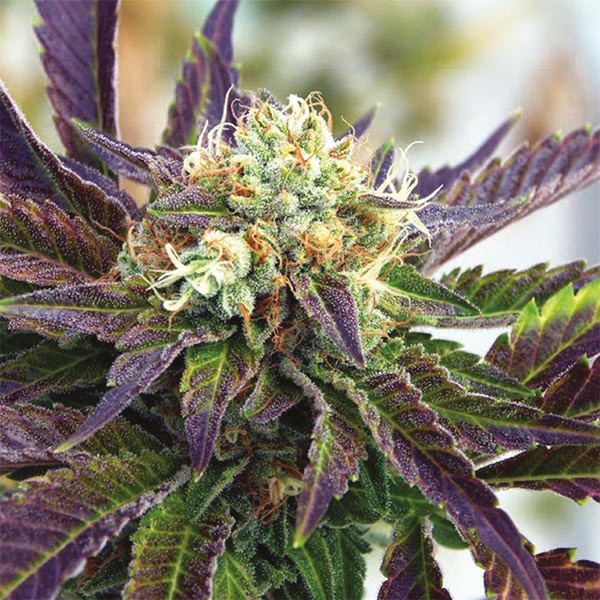
Killer Grape produces dense, resinous buds with a vibrant color palette. The flowers are typically deep green with rich purple undertones, accentuated by bright orange pistils and a thick layer of trichomes that give the buds a frosty appearance.
Aroma:
The strain’s aroma is a combination of sweet, fruity notes and earthy undertones. When users break the buds, they frequently notice:
- Grape and berry scents with hints of citrus.
- Subtle skunky and herbal aromas.
Flavor:
The flavor profile closely mirrors the aroma, with pronounced grape and berry flavors dominating the palate. On the exhale, users may notice a creamy, slightly spicy aftertaste.
Cannabinoid Profile
Killer Grape’s cannabinoid content contributes to its diverse range of effects. While the exact percentages can vary depending on cultivation methods, typical values include:
- THC: 18-24% – A moderately high THC level that offers potent psychoactive effects.
- CBD: <1% – Minimal CBD content, making it more suited for recreational use and specific medical applications.
- CBG: 0.5-1% – Known for its anti-inflammatory and neuroprotective properties.
The high THC content ensures a powerful experience, while minor cannabinoids like CBG provide additional therapeutic benefits.
Terpene Profile
Terpenes are essential in defining Killer Grape’s aroma, flavor, and effects. The dominant terpenes include:
- Myrcene:
- Effects: Sedative, relaxing.
- Found in: Mango, thyme.
- Contribution: Enhances the strain’s calming and body-soothing properties.
- Limonene:
- Effects: Uplifting, stress-relieving.
- Found in: Citrus fruits.
- Contribution: Adds a citrusy tang and contributes to mood enhancement.
- Caryophyllene:
- Effects: Anti-inflammatory, pain-relieving.
- Found in: Black pepper, cloves.
- Contribution: Provides spicy undertones and interacts with CB2 receptors for therapeutic effects.
- Pinene:
- Effects: Focus-enhancing, anti-inflammatory.
- Found in: Pine needles, rosemary.
- Contribution: Improves alertness and counteracts some of the sedative effects.
- Linalool:
- Effects: Calming, anxiety-reducing.
- Found in: Lavender.
- Contribution: Amplifies the strain’s relaxing and anti-anxiety properties.
Recreational Uses
Killer Grape is a versatile strain that appeals to recreational users due to its balanced effects. The experience often unfolds in three distinct phases:
- Initial Uplift:
- The sativa influence provides an initial wave of euphoria and mental clarity. Users often report a surge of creativity and sociability, making it suitable for daytime use in moderate doses.
- Mild Energy Boost:
- A subtle energy boost helps users stay engaged and focused, making it an excellent choice for creative projects, outdoor activities, or social gatherings.
- Relaxing Wind-Down:
- As the effects progress, the indica properties dominate, leading to deep relaxation and a sense of tranquility. This phase is ideal for unwinding after a long day.
Activities:
- Artistic endeavors: Painting, writing, or music.
- Social events: Enhances conversations and lightens the mood.
- Outdoor adventures: Provides a balanced experience for hiking or casual sports.
- Relaxation: Perfect for a movie night or enjoying a calming evening.
Medical Uses
Killer Grape’s therapeutic properties stem from its balanced cannabinoid and terpene profile. Its effects can address a wide range of medical conditions, including:
- Chronic Pain Relief:
- Cannabinoids and terpenes: THC and caryophyllene work synergistically to reduce pain.
- Applications: Effective for conditions such as arthritis, fibromyalgia, and migraines.
- Anxiety and Stress Management:
- Mechanism: Limonene and linalool provide mood-enhancing and calming effects, while myrcene induces relaxation.
- Ideal for: Generalized anxiety disorder, social anxiety, and situational stress.
- Insomnia:
- Contribution: The indica-dominant effects, coupled with myrcene, promote deep sleep.
- Use: Best consumed in the evening to combat sleep disorders.
- Appetite Stimulation:
- Mechanism: THC’s interaction with the endocannabinoid system stimulates hunger.
- Applications: Useful for individuals undergoing chemotherapy or those with appetite loss due to medical conditions.
- Inflammation:
- Key components: Caryophyllene and pinene exhibit strong anti-inflammatory properties.
- Applications: Beneficial for inflammatory conditions such as Crohn’s disease and multiple sclerosis.
- Mood Disorders:
- Effects: The uplifting and euphoric onset can alleviate symptoms of depression and mood swings.
- Nausea:
- Mechanism: THC’s antiemetic properties help reduce nausea, particularly in chemotherapy patients.
Scientific Insights
Cannabinoid Interaction with the Endocannabinoid System (ECS):
- Killer Grape’s high THC content binds to CB1 receptors in the brain, leading to psychoactive effects including pain alleviation and pleasure.
- Caryophyllene, a unique terpene, interacts with CB2 receptors, contributing to anti-inflammatory and pain-relieving properties.
Terpene Synergy:
The entourage effect suggests that Killer Grape’s cannabinoids and terpenes work together to enhance therapeutic benefits. For instance:
- Myrcene and THC: Amplify sedation and relaxation.
- Limonene and CBD: Reduce anxiety and elevate mood.
Potential Neuroprotective Effects:
Preliminary studies on cannabis-derived compounds indicate potential neuroprotective properties. Killer Grape’s minor cannabinoids, such as CBG, may help mitigate neurodegenerative conditions like Alzheimer’s disease and Parkinson’s disease.
Cultivation Information
1. Environmental Requirements

- Temperature Range:
Killer Grape thrives in a Mediterranean-like climate, with temperatures between 70-85°F (21-29°C). Fluctuations outside this range can stunt growth or reduce potency. - Humidity Control:
During the vegetative stage, the plant prefers 50-70% relative humidity (RH). In the flowering phase, 40-50% RH is ideal to prevent mold and mildew, especially given the dense, resinous buds that are prone to moisture retention. - CO2 Supplementation:
Adding carbon dioxide (CO2) during the flowering stage can boost yields by enhancing photosynthesis. Concentrations around 1000-1200 ppm have shown optimal results for cannabis strains.
2. Soil or Growing Medium
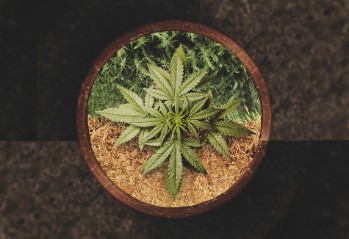
Killer Grape can adapt to various growing mediums, but each comes with its scientific benefits:
- Soil:
- A well-aerated, loamy soil with a pH range of 6.0-6.5 supports nutrient absorption.
- Enrich the soil with organic matter, such as compost or worm castings, for better microbial activity and sustained nutrition release.
- Hydroponics:
- Popular for indoor setups, hydroponic systems like Deep Water Culture (DWC) or Ebb and Flow allow precise control over nutrients.
- Hydroponics accelerates growth, but regular monitoring of the EC (Electrical Conductivity) and pH levels (5.5-6.0) is critical.
- Coco Coir:
- This medium offers excellent aeration and water retention. Pair with a calcium-magnesium supplement to address coco’s tendency to bind these nutrients.
3. Light Requirements
Killer Grape requires specific light cycles depending on the growth stage:
- Seedling Stage:
- Use low-intensity light (200-400 PPFD) for 18-24 hours a day to promote germination and prevent photoinhibition.
- Vegetative Stage:
- Maintain a 18/6 light cycle (18 hours of light, 6 hours of darkness). LED grow lights with an intensity of 400-600 PPFD are recommended for efficient growth.
- Flowering Stage:
- Switch to a 12/12 light cycle (12 hours of light, 12 hours of darkness). Increase light intensity to 600-900 PPFD to maximize bud production.
- Red spectrum light (660 nm) during this phase promotes flowering, while blue light (400-500 nm) enhances bud density.
4. Nutrient Management
Killer Grape requires varying nutrient profiles depending on its growth stage:
- Macronutrients:
- Nitrogen (N): High levels during the vegetative phase for robust leaf and stem growth.
- Phosphorus (P): Essential during the flowering phase for bud development.
- Potassium (K): Important throughout the plant’s lifecycle for overall health and disease resistance.
- Micronutrients:
Elements like calcium (Ca), magnesium (Mg), iron (Fe), zinc (Zn), and manganese (Mn) play crucial roles in enzymatic reactions and structural support. - Organic vs. Synthetic Fertilizers:
- Organic fertilizers (e.g., bat guano, fish emulsion) enrich microbial life in the soil, fostering long-term growth.
- Synthetic options provide fast-acting nutrition but require careful dosing to prevent nutrient burn.
- Flushing:
Two weeks before harvest, flushing the plants with plain water or a flushing agent removes residual salts and improves flavor.
5. Advanced Cultivation Techniques
Scientific advancements have enabled growers to optimize Killer Grape yields and potency:
- Low-Stress Training (LST):
- Gently bending branches to spread the canopy increases light penetration and airflow.
- Encourages more bud sites without stressing the plant.
- High-Stress Training (HST):
- Techniques like topping (cutting the main stem) or super cropping (slightly damaging branches) redirect energy to lateral growth, leading to higher yields.
- Screen of Green (ScrOG):
- A screen placed above the plants guides branches horizontally, maximizing light exposure and bud production in indoor setups.
- Defoliation:
- Removing excess fan leaves improves airflow and prevents energy wastage on non-essential parts of the plant.
- Autoflowers vs. Photoperiods:
- While Killer Grape is typically a photoperiod strain, breeding it with autoflower genetics can create versions that flower automatically without light cycle changes.
6. Integrated Pest Management (IPM)
Killer Grape susceptibility to pests and diseases can be managed with an IPM strategy:
- Common Pests:
- Spider mites, aphids, and whiteflies are the most frequent culprits.
- Biological controls, such as ladybugs or predatory mites, effectively reduce pest populations.
- Preventative Measures:
- Regularly inspect plants for signs of infestation (e.g., yellowing leaves, webbing).
- Use neem oil or insecticidal soaps for early-stage pest control.
- Fungal Issues:
- Dense buds increase the risk of powdery mildew and bud rot.
- Maintain proper ventilation and avoid overwatering to mitigate these risks.
7. Harvesting and Curing
The final steps in cultivation greatly influence the flavor, potency, and smoothness of Killer Grape:
- Harvest Timing:
- Use a microscope or magnifying glass to keep an eye on trichomes.
- For optimal effects:
- Clear trichomes = underdeveloped.
- Cloudy trichomes = peak THC levels.
- Amber trichomes = more sedative, CBN-heavy effects. Drying
- Use a microscope or magnifying glass to keep an eye on trichomes.
- Drying:
- Hang buds upside down in a dark, well-ventilated room at 60-70°F (15-21°C) and 50-60% RH for 7-10 days.
- Curing:
- For the first two weeks, open the airtight glass jars containing the dried buds every day to allow excess moisture to escape (a process known as “burping”).
- Continue curing for 2-6 weeks to enhance terpene profiles and reduce harshness.
8. Scientific Research on Optimization
Recent studies have highlighted advanced techniques to further enhance cannabis cultivation:
- LED Light Spectrum Research:
Studies indicate that supplementing UV-B light during the flowering stage can boost THC production by up to 30%. - Microbial Inoculants:
Adding beneficial microbes like mycorrhizal fungi improves nutrient uptake, root health, and plant resilience. - Precision Irrigation:
Sensors measuring soil moisture and plant water needs prevent overwatering or drought stress, optimizing plant performance.
Methods of Ingestion
Killer Grape can be ingested in various ways, each method offering different bioavailability, onset times, and duration of effects. A summary of the most popular techniques is provided below:

1. Smoking
- Method: Combusting the dried cannabis flower and inhaling the smoke through a joint, pipe, or bong.
- Onset: Rapid, within 1-5 minutes after the first inhalation.
- Duration: Effects typically last for 1-3 hours, depending on the dose and individual tolerance.
- Bioavailability: Approximately 20-30% of THC and other cannabinoids are absorbed into the bloodstream.
- Key Considerations:
- Provides an immediate, full-spectrum experience, as all cannabinoids and terpenes are inhaled.
- Combustion can release harmful byproducts, such as tar and carbon monoxide.
2. Vaporization (Vaping)
- Method: Heating the cannabis flower or concentrate to a temperature where cannabinoids and terpenes vaporize but do not combust.
- Onset: Similar to smoking, effects begin within 1-5 minutes after inhalation.
- Duration: Effects last for 1-3 hours, comparable to smoking.
- Bioavailability: Higher than smoking, around 30-50%, as no cannabinoids are lost to combustion.
- Advantages:
- Produces cleaner inhalation with fewer harmful byproducts.
- Preserves more terpenes, enhancing flavor and therapeutic benefits.
- Temperature Control: Optimal vaporization temperature for Killer Grape:
- 315°F (157°C): Myrcene vaporizes, enhancing relaxation.
- 355°F (179°C): THC is fully activated.
- 430°F (221°C): Caryophyllene vaporizes, adding anti-inflammatory benefits.
3. Edibles
- Method: Infusing Killer Grape cannabinoids into foods, beverages, or gummies, which are then ingested.
- Onset: Delayed, taking 30-120 minutes for effects to kick in due to digestion and first-pass metabolism in the liver.
- Duration: Long-lasting, effects can persist for 6-12 hours.
- Bioavailability: Approximately 4-20%, as much of the THC is metabolized into 11-hydroxy-THC, a potent metabolite.
- Advantages:
- Discreet and odorless.
- Longer-lasting effects are ideal for chronic conditions like pain or insomnia.
- Key Considerations:
- Dosing precision is critical; start with a low dose (e.g., 2.5-5 mg THC) to avoid overconsumption.
- Killer Grape’s high THC levels make it potent, so inexperienced users should proceed with caution.
4. Sublingual (Tinctures and Oils)
- Method: Administering cannabis oil or tinctures under the tongue, where it is absorbed directly into the bloodstream through sublingual capillaries.
- Onset: Quick, within 15-30 minutes, as it bypasses digestion.
- Duration: Effects last for 4-6 hours.
- Bioavailability: Approximately 15-35%, higher than edibles but lower than smoking or vaping.
- Advantages:
- Precise dosing with dropper bottles.
- No inhalation is required, making it a healthier option.
- Ideal for medical use due to rapid onset and sustained effects.
5. Topicals
- Method: Applying transdermal patches, balms, or lotions containing cannabis directly onto the skin.
- Onset: Localized relief within 15-30 minutes (transdermal patches can take longer but deliver cannabinoids into the bloodstream).
- Duration: Effects can last for 2-6 hours for topical creams and up to 12 hours for transdermal patches.
- Bioavailability: Minimal systemic absorption with regular topicals; transdermal patches provide systemic delivery of cannabinoids.
- Use Cases:
- Ideal for localized pain, inflammation, and skin conditions.
- Non-psychoactive unless using transdermal patches with THC.
6. Dabbing (Concentrates)
- Method: Heating concentrated forms of cannabis (e.g., wax, shatter, or live resin) on a hot surface and inhaling the vapor.
- Onset: Immediate, within 1-3 minutes.
- Duration: Shorter than smoking or vaping, typically 1-2 hours.
- Bioavailability: Extremely high, reaching 50-80%, due to the concentration of cannabinoids.
- Key Considerations:
- Produces an intense and fast-acting high, making it suitable for experienced users.
- Killer Grape concentrates preserve terpenes, delivering a potent flavor and aroma profile.
7. Capsules and Pills
- Method: Ingesting pre-measured cannabis capsules containing Killer Grape THC or CBD extract.
- Onset: Delayed, similar to edibles, taking 30-120 minutes.
- Duration: Long-lasting, up to 8-12 hours.
- Bioavailability: Comparable to edibles, around 4-20%.
- Advantages:
- Precise and convenient dosing.
- Odorless and discreet.
- Suitable for medical users needing long-term relief.
Onset and Duration of Effects
The onset and duration of Killer Grape’s effects depend on the chosen method of ingestion and individual biological factors. Here’s a quick reference table:
| Method | Onset | Duration | Bioavailability |
|---|---|---|---|
| Smoking | 1-5 minutes | 1-3 hours | 20-30% |
| Vaping | 1-5 minutes | 1-3 hours | 30-50% |
| Edibles | 30-120 minutes | 6-12 hours | 4-20% |
| Sublingual | 15-30 minutes | 4-6 hours | 15-35% |
| Topicals | 15-30 minutes | 2-6 hours | Minimal (localized) |
| Dabbing | 1-3 minutes | 1-2 hours | 50-80% |
| Capsules/Pills | 30-120 minutes | 8-12 hours | 4-20% |
Factors Affecting Onset and Duration
Several factors influence how quickly and how long Killer Grape effects last:
- Tolerance:
- Regular users may require higher doses for the same effects due to desensitization of cannabinoid receptors.
- Metabolism:
- Faster metabolisms process THC and other cannabinoids quicker, reducing the duration of effects.
- Edibles: People with slower metabolisms may experience delayed but prolonged effects.
- Body Fat Content:
- THC attaches to fat cells because it is lipophilic. Individuals with higher body fat may store THC longer, slightly extending the duration of effects.
- Dosage:
- Higher doses result in stronger and longer-lasting effects, though they increase the risk of side effects (e.g., paranoia or drowsiness).
- Strain-Specific Potency:
- Killer Grape high THC levels (18-24%) make its effects pronounced, particularly for novice users.
- Delivery Method Efficiency:
- Methods like dabbing or vaping provide rapid effects but may wear off sooner than slower-acting methods like edibles.
Potential Side Effects
While Killer Grape is generally well-tolerated, some users may experience side effects, especially at higher doses:
- Dry Mouth and Eyes:
- Common with most cannabis strains; staying hydrated helps alleviate these symptoms.
- Dizziness or Lightheadedness:
- More likely in novice users or those sensitive to THC.
- Paranoia or Anxiety:
- Can occur at high doses due to the potent psychoactive effects of THC.
- Sedation:
- The indica dominance can lead to excessive drowsiness if consumed in large amounts.
Conclusion
Killer Grape is a multifaceted cannabis strain that offers a harmonious blend of recreational enjoyment and medical relief. Its balanced effects make it suitable for a wide range of users, while its therapeutic properties address various physical and mental health conditions. The strain’s appealing aroma, flavor, and visual characteristics further enhance its desirability.
For those seeking a versatile hybrid that caters to both mind and body, Killer Grape stands out as a compelling choice. Whether you’re a medical patient in need of relief or a recreational user looking for a balanced high, this strain delivers on all fronts.
For a complete directory of cultivars, visit our Cannabis Strain Reviews.
