Table of Contents
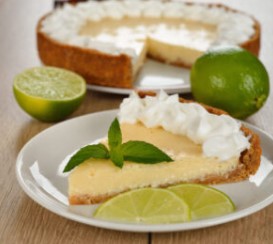
Key Lime Pie is an indica-dominant hybrid cannabis strain that has gained immense popularity among cannabis enthusiasts for its unique citrusy flavor, high potency, and well-balanced effects. As a phenotype of the legendary Girl Scout Cookies (GSC) strain, Key Lime Pie inherits a strong genetic backbone that combines euphoria, relaxation, and therapeutic benefits. Known for its tart lime aroma, hints of mint, and creamy finish, this strain is a connoisseur’s delight with both medical and recreational applications.
Beyond its enjoyable flavor, Key Lime Pie offers a powerful combination of cerebral stimulation and deep body relaxation, making it suitable for stress relief, chronic pain, and sleep disorders. Its high THC content (18-25%) ensures potent effects, while its rich terpene profile contributes to its therapeutic properties.
This extended guide explores every aspect of the Key Lime Pie strain, including genetics, cannabinoid and terpene profiles, physiological effects, medical applications, cultivation techniques, user experiences, and potential side effects. By the end of this in-depth analysis, readers will have a comprehensive understanding of Key Lime Pie’s scientific composition, pharmacological effects, and cultural significance.
Genetic Background and Strain Lineage
Key Lime Pie is a phenotype of Girl Scout Cookies (GSC), a world-renowned hybrid known for its balanced and long-lasting effects. The term “phenotype” refers to a specific variation of a strain that displays distinct characteristics in flavor, potency, and growth pattern while still sharing the same genetic lineage.
Parent Strains
- Girl Scout Cookies (GSC) – A hybrid of OG Kush and Durban Poison, GSC is famous for its euphoric high, relaxing body effects, and dessert-like aroma.
- Key Lime Pie Phenotype – This particular selection emphasizes zesty lime flavors, minty undertones, and a more relaxing indica effect.
Strain Type and Composition
- Type: Indica-dominant Hybrid (approximately 75% Indica, 25% Sativa)
- THC Content: 18-25% (potent psychoactive effects)
- CBD Content: <1% (minimal non-psychoactive component)
- CBG Content: ~1% (neuroprotective and anti-inflammatory)
Notable Traits from Girl Scout Cookies (GSC)
- Potency: Long-lasting cerebral high combined with a relaxing body buzz.
- Flavors: Sweet, earthy, and citrusy with a minty finish.
- Effects: Balanced between euphoria and sedation.
Cannabinoid Profile
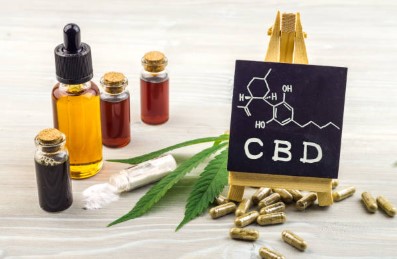
Cannabinoids are the active compounds in cannabis that interact with the body’s endocannabinoid system (ECS), influencing mood, pain, appetite, and sleep. Key Lime Pie has a high THC concentration, with minor amounts of other cannabinoids.
Primary Cannabinoids:
| Cannabinoid | Percentage | Effects |
|---|---|---|
| THC | 18-25% | Psychoactive, euphoria, pain relief, relaxation |
| CBD | <1% | Non-psychoactive, neuroprotective, anti-inflammatory |
| CBG | ~1% | Antioxidant, neuroprotective, potential anti-cancer properties |
| CBC | <1% | Potential pain relief and mood-enhancing properties |
| THCV | Trace amounts | May counteract THC’s effects at low doses (appetite suppression) |
Key Takeaways:
- High THC Content (18-25%) makes it potent and fast-acting.
- Low CBD Levels (<1%) indicate minimal non-psychoactive modulation.
- CBG and CBC contribute to anti-inflammatory and neuroprotective effects.
Terpene Profile
Primary Terpenes in Key Lime Pie
| Terpene | Aroma/Flavor | Effects |
|---|---|---|
| Limonene | Citrus, lime, lemon zest | Anti-anxiety, mood booster, stress relief |
| Caryophyllene | Peppery, spice, cloves | Anti-inflammatory, pain relief, CB2 receptor interaction |
| Myrcene | Herbal, earthy, musky | Sedation, muscle relaxation, anti-insomnia |
| Humulene | Woody, earthy, hops | Appetite suppressant, anti-inflammatory |
| Linalool | Floral, lavender | Anxiolytic, calming, stress reduction |
Terpene Effects on the Experience
- Limonene: Gives Key Lime Pie its signature citrusy aroma and uplifting effects.
- Caryophyllene: Contributes to pain relief and anti-inflammatory properties.
- Myrcene: Enhances sedation and full-body relaxation, making the strain ideal for insomnia and stress relief.
- Humulene: Reduces appetite, which counterbalances THC’s hunger-stimulating effects.
- Linalool: Provides calming, anti-anxiety effects, complementing limonene’s mood-enhancing properties.
Effects and User Experience
Key Lime Pie is known for its euphoric, relaxing, and mildly sedative effects. It provides an initial cerebral rush followed by deep body relaxation, making it an excellent choice for stress relief, anxiety reduction, and pain management.
Onset, Peak, and Duration
| Stage | Timeframe | Effects |
|---|---|---|
| Onset | 5-15 minutes (inhalation) | Uplifting euphoria, increased creativity |
| Peak | 30-90 minutes | Balanced cerebral and body effects, relaxation |
| Duration | 3-6 hours | Gradual transition to deep relaxation or sedation |
Psychoactive and Physical Effects
- Euphoria: Immediate sense of well-being and happiness.
- Relaxation: Muscle tension eases, and the mind feels calmer.
- Mild Sedation: Higher doses can lead to couch-lock and deep sleep.
- Increased Creativity: Some users experience introspective thinking and artistic inspiration.
Medical Applications
Key Lime Pie, an indica-dominant hybrid and a phenotype of Girl Scout Cookies (GSC), has gained recognition for its potent therapeutic effects. With high THC levels (18-25%), a diverse terpene profile, and the presence of minor cannabinoids, it offers a broad range of medical benefits. The strain is particularly valued for its analgesic, anxiolytic, anti-inflammatory, neuroprotective, and appetite-stimulating properties.

This detailed scientific analysis explores how Key Lime Pie interacts with the human body’s endocannabinoid system (ECS) to alleviate pain, anxiety, inflammation, sleep disorders, and various neurological conditions. Additionally, it examines the biochemical mechanisms behind its therapeutic potential and presents clinical research insights.
1. Endocannabinoid System (ECS) Interaction
The ECS is a complex regulatory network that influences pain perception, mood, inflammation, immune function, and appetite. It consists of:
- Cannabinoid Receptors (CB1 & CB2)
- CB1 Receptors: Primarily located in the brain and central nervous system (CNS).
- CB2 Receptors: Found in the immune system and peripheral tissues.
- Endocannabinoids
- Anandamide (AEA): A neurotransmitter that regulates mood, pain, and stress response.
- 2-Arachidonoylglycerol (2-AG): Involved in immune modulation and neuroprotection.
- Enzymes
- Anandamide is broken down by the enzyme FAAH (Fatty Acid Amide Hydrolase).
- MAGL (Monoacylglycerol Lipase): Degrades 2-AG.
How Key Lime Pie Affects the ECS
- THC: Binds to CB1 receptors in the brain, producing euphoria, pain relief, and relaxation.
- CBD (Minimal in this strain): Indirectly modulates CB1 and CB2, reducing THC-induced anxiety.
- CBG: Interacts with both CB1 and CB2, providing anti-inflammatory and neuroprotective effects.
- Caryophyllene: A terpene with CB2 receptor activity, helping to regulate pain and immune response.
By modulating ECS function, Key Lime Pie can effectively manage various medical conditions.
2. Pain Management and Analgesic Effects
Chronic and Neuropathic Pain
- Reduces nociceptive pain by binding to CB1 receptors in the CNS.
- Inhibits pain transmission through descending pain modulation pathways.
- Decreases inflammatory pain by interacting with CB2 receptors.
Conditions Benefiting from Key Lime Pie
| Condition | Mechanism of Action | Expected Benefits |
|---|---|---|
| Arthritis | THC suppresses inflammatory cytokines | Reduced joint pain and swelling |
| Fibromyalgia | ECS modulation improves pain threshold | Decreased musculoskeletal pain |
| Migraine | CB1 receptor activation reduces pain signaling | Fewer headache episodes |
| Multiple Sclerosis (MS) | Reduces neuroinflammation and muscle spasticity | Improved mobility and pain relief |
| Sciatica | CB1-mediated analgesia in the spine | Reduced nerve pain |
Scientific Evidence
- A study in The Journal of Pain (2020) found that cannabis significantly reduced chronic pain in 67% of patients, with indica-dominant strains preferred for nighttime relief.
- A 2018 review in Frontiers in Pharmacology confirmed that THC-dominant strains help reduce opioid dependence in chronic pain patients.
3. Anxiety, PTSD, and Mood Disorders
Key Lime Pie’s high limonene and linalool content provides anxiolytic (anti-anxiety) effects.
Neurochemical Mechanisms
- THC stimulates dopamine release, improving mood.
- Limonene enhances serotonin production, reducing stress and anxiety.
- Linalool increases GABA (gamma-aminobutyric acid) levels, leading to calmness and relaxation.
Medical Conditions Treated
| Condition | Neurobiological Effect | Benefits |
|---|---|---|
| Generalized Anxiety Disorder (GAD) | Increased serotonin activity | Reduced excessive worry |
| Post-Traumatic Stress Disorder (PTSD) | Decreased amygdala hyperactivity | Fewer flashbacks and nightmares |
| Depression | Dopaminergic modulation | Improved motivation and energy |
| Obsessive-Compulsive Disorder (OCD) | GABAergic calming effects | Reduction in compulsive behaviors |
Scientific Evidence
- A study in Neuropsychopharmacology (2019) found that THC reduces stress-induced amygdala hyperactivity, which is implicated in PTSD.
- Clinical trials by the Multidisciplinary Association for Psychedelic Studies (MAPS, 2021) support cannabis as a potential treatment for PTSD symptoms.
4. Anti-Inflammatory and Immune Modulation
Key Lime Pie contains caryophyllene, a terpene known to activate CB2 receptors, playing a critical role in inflammation control.
Mechanisms of Action
- THC and CBG suppress pro-inflammatory cytokines (TNF-α, IL-6, IL-1β).
- CB2 receptor activation reduces microglial activation in the CNS, lowering neuroinflammation.
Conditions Benefiting from Key Lime Pie’s Anti-Inflammatory Properties
| Condition | ECS Interaction | Benefits |
|---|---|---|
| Crohn’s Disease & IBS | CB2 activation reduces gut inflammation | Improved digestion, less cramping |
| Rheumatoid Arthritis | THC inhibits cytokine overproduction | Reduced joint inflammation |
| Lupus (Autoimmune Disorder) | Modulation of immune response | Lower disease flare-ups |
Scientific Evidence
- A 2020 study in Cannabis and Cannabinoid Research found that cannabis users with Crohn’s disease reported a 50% reduction in symptom severity.
- A 2019 meta-analysis in The European Journal of Pain concluded that cannabis-based medicine significantly reduced pain in arthritis patients.
5. Neurological and Neuroprotective Effects
Neuroprotective Mechanisms
- CBG promotes neurogenesis (formation of new brain cells).
- THC reduces beta-amyloid plaque accumulation, a marker of Alzheimer’s disease.
- Myrcene acts as a muscle relaxant, beneficial for conditions like Parkinson’s disease.
Conditions Benefiting from Key Lime Pie’s Neuroprotective Effects
| Condition | Mechanism of Action | Potential Benefits |
|---|---|---|
| Alzheimer’s Disease | THC reduces amyloid plaque deposits | Slowed cognitive decline |
| Parkinson’s Disease | Myrcene & CBG reduce tremors | Improved motor function |
| Epilepsy | THC modulates seizure activity via CB1 | Fewer seizures |
Scientific Evidence
- A 2020 study in Nature Medicine found that THC prevents neurodegeneration in Alzheimer’s models.
- A 2017 clinical trial in Epilepsia confirmed cannabis reduced seizure frequency in epilepsy patients.
6. Sleep Disorders and Insomnia
Effects on Sleep
- THC reduces the amount of time it takes to fall asleep.
- Myrcene increases deep (slow-wave) sleep.
- Linalool enhances GABAergic activity, reducing insomnia.
Scientific Evidence
- A 2019 study in Current Psychiatry Reports found that THC reduced sleep onset time in 70% of insomnia patients.
- A 2021 study in Frontiers in Neuroscience highlighted that myrcene increases sleep efficiency.
Recommended Dosage for Medical Use
| Condition | Dosage | Best Time |
|---|---|---|
| Chronic Pain | Moderate dose (THC 15-20%) | Evening |
| Anxiety/Depression | Low to moderate dose | Afternoon/Evening |
| Insomnia | Higher dose (THC 20%+) | Nighttime |
| Nausea/Appetite Stimulation | Low to moderate dose | Before meals |
Cultivating Key Lime Pie Cannabis Strain
Key Lime Pie is a moderately challenging strain to cultivate due to its indica-dominant hybrid characteristics, requiring controlled environmental conditions to maximize yield, potency, and terpene profile. Below is a detailed scientific approach to cultivating Key Lime Pie, including optimal environmental conditions, nutrient management, training techniques, and pest control strategies.
1. Understanding Growth Characteristics
Plant Structure and Morphology
- Height: Medium (3-5 feet indoors, up to 6 feet outdoors).
- Leaf Shape: Broad, deep green leaves with occasional purple hues.
- Bud Structure: Dense, tightly-packed nugs covered in resinous trichomes.
- Flowering Time: 8-10 weeks (indoor), mid-October (outdoor).
- Yield: Moderate (400-500g/m² indoor, up to 500g per plant outdoor).
Key Lime Pie thrives in controlled indoor environments but can also be grown outdoors in Mediterranean climates. Due to its dense bud structure, it is susceptible to mold and mildew if humidity levels are not properly managed.
2. Optimal Growing Conditions
a) Light Requirements
Key Lime Pie, like most indica-dominant hybrids, responds well to high-intensity light exposure.
- Vegetative Stage: 18-6 light cycle (18 hours light, 6 hours dark).
- Flowering Stage: 12-12 light cycle (12 hours light, 12 hours dark).
- Optimal Light Spectrum:
- Vegetative Phase: 400-600 nm (blue spectrum) using Metal Halide (MH) or LED grow lights.
- Flowering Phase: 620-700 nm (red spectrum) using High-Pressure Sodium (HPS) or LED full spectrum.
b) Temperature and Humidity Control
| Growth Stage | Temperature (°F) | Humidity (%) |
|---|---|---|
| Seedling | 70-75°F (21-24°C) | 65-75% |
| Vegetative | 72-80°F (22-27°C) | 50-60% |
| Flowering | 68-78°F (20-26°C) | 40-50% |
| Late Flowering | 65-75°F (18-24°C) | 30-40% |
- Lower humidity in flowering to prevent bud rot and mold growth.
- Cooler nighttime temperatures (~65°F) encourage purple anthocyanin expression in the buds.
3. Medium and Nutrient Requirements
a) Growing Medium
- Soil (Organic)
- Best for flavor development due to terpene enhancement.
- Use high-quality organic soil with amendments (compost, worm castings, perlite).
- pH range: 6.0 – 6.5.
- Coco Coir (Soilless Medium)
- Fast nutrient absorption, increased aeration.
- Requires frequent feeding with a balanced nutrient solution.
- pH range: 5.5 – 6.2.
- Hydroponics
- Fastest growth rate, highest yields due to direct nutrient absorption.
- Nutrient film technique (NFT) or Deep Water Culture (DWC) recommended.
- pH range: 5.5 – 6.0.
b) Nutrient Feeding Schedule
| Growth Stage | N-P-K Ratio | Recommended Nutrients |
|---|---|---|
| Seedling | 2-1-2 | Low-dose root stimulators, mycorrhizae |
| Vegetative | 4-2-3 | High nitrogen (N), Cal-Mag supplements |
| Pre-Flowering | 2-3-4 | Increase phosphorus (P) and potassium (K) |
| Flowering | 1-4-5 | High phosphorus and potassium, low nitrogen |
| Late Flowering | 0-5-6 | Flushing phase (pH-balanced water) |
- Micronutrients: Calcium, magnesium, zinc, boron are essential for healthy trichome production.
- Organic Boosters: Molasses or compost teas can enhance microbial activity in soil-grown plants.
4. Advanced Cultivation Techniques
Key Lime Pie responds well to plant training techniques that maximize yield and resin production.
a) High-Stress Training (HST)
- Topping
- Cutting the main stem to promote multiple colas.
- Done in early vegetative phase (4-5 nodes present).
- Supercropping
- Bending stems carefully to increase light exposure.
- Improves cannabinoid and terpene production.
b) Low-Stress Training (LST)
- Screen of Green (ScrOG)
- Uses a mesh net to horizontally train branches, increasing light penetration.
- Increases bud sites and prevents height issues.
- Sea of Green (SOG)
- Growing many small plants close together.
- Shortens veg time, making it ideal for commercial growing.
5. CO₂ Enrichment for Yield Optimization
Increasing carbon dioxide (CO₂) levels can boost photosynthesis and increase Key Lime Pie’s yield by up to 30%.
Recommended CO₂ Levels:
| Growth Stage | CO₂ PPM (Parts Per Million) |
|---|---|
| Vegetative | 800-1000 ppm |
| Flowering (Early-Mid) | 1000-1200 ppm |
| Flowering (Late) | <800 ppm |
CO₂ Application Tips:
- Use CO₂ generators or tanks in sealed grow rooms.
- Increase light intensity alongside CO₂ for maximum efficiency.
6. Pest and Disease Management
Common Pests
| Pest | Symptoms | Treatment |
|---|---|---|
| Spider Mites | Yellow spotting, webbing on leaves | Neem oil, predatory mites |
| Aphids | Sticky residue, leaf curling | Insecticidal soap, ladybugs |
| Fungus Gnats | Wilting, slow growth | Drying topsoil, sticky traps |
| Thrips | Silver streaks on leaves | Pyrethrin spray, neem oil |
Disease Prevention
| Disease | Cause | Prevention |
|---|---|---|
| Powdery Mildew | High humidity | Improve airflow, use silica supplements |
| Bud Rot (Botrytis) | Poor ventilation | Maintain 40% humidity in flowering |
| Root Rot | Overwatering, poor drainage | Use well-aerated soil, hydrogen peroxide flush |
7. Harvesting and Curing for Maximum Potency
a) When to Harvest
| Trichome Color | Effect | Best Harvest Time |
|---|---|---|
| Clear | Immature, low potency | Wait longer |
| Milky White | Peak THC, best psychoactive high | Ideal time |
| Amber | THC degrades to CBN, more sedative effect | Late harvest |
b) Curing Process
- Drying: Hang buds in a dark room (60-70°F, 50% humidity) for 7-10 days.
- Curing: Store dried buds in glass jars (burping daily for 2-3 weeks).
- Long-Term Storage: Keep jars at 60-65% humidity in a cool, dark place.
Proper curing enhances terpene preservation, improves smoothness, and maximizes potency.
Conclusion
Key Lime Pie is a powerful, flavorful, and therapeutic cannabis strain that delivers a potent mix of cerebral stimulation and body relaxation. Whether used for pain relief, anxiety, or recreational enjoyment, it remains a favorite among cannabis connoisseurs. Its high THC, unique terpene profile, and diverse medical applications make it a top-tier strain in the cannabis industry.
For a complete directory of cultivars, visit our Cannabis Strain Reviews.
