Table of Contents
KC 33 is a hybrid cannabis strain that has gained attention for its well-balanced effects, which serve both medical and recreational customers. This strain is widely recognized for its rich genetic lineage, offering a potent mix of uplifting effects and therapeutic benefits. KC 33 is a balanced hybrid, meaning it delivers a blend of both sativa and indica characteristics, making it suitable for a wide variety of consumers.
This article provides an in-depth look at the KC 33 strain, including its genetic background, appearance, aroma, flavor, and most importantly, its medical and recreational uses. We will also explore the scientific properties and effects of this strain, providing a comprehensive understanding of why it has become a favorite for many cannabis users.
Genetic Background
KC 33 is a cross between the popular strains KC 36 and KC 45, both of which are developed by KC Brains, a renowned cannabis breeder based in the Netherlands. The genetic composition of KC 33 is balanced with a roughly equal split of sativa and indica genetics, which gives it a moderate THC content and a versatile range of effects.
- KC 36 is known for its high yield and stable growth, often used as a foundation for other hybrid strains.
- KC 45 contributes to the strain’s uplifting sativa effects and slightly sweet aroma, enhancing the overall balance of KC 33.
Appearance
KC 33 plants typically grow medium to tall, with dense buds and vibrant colors. The buds are often a mix of deep green and lighter hues, sometimes featuring hints of purple or orange, especially when grown in cooler environments. The leaves are broad, characteristic of indica strains, and the overall structure of the plant is sturdy, making it a reliable choice for growers.
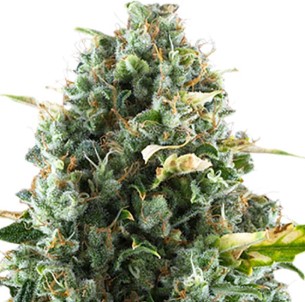
The buds are covered in a generous layer of trichomes, which are resinous glands that contain most of the strain’s cannabinoids and terpenes. The dense trichome coating gives the buds a frosty appearance, which is one of the visual markers that distinguish KC 33 from other cannabis strains.
Aroma and Flavor
KC 33 boasts a complex aroma profile that combines earthy, piney, and herbal notes with a slight sweetness. The scent is somewhat pungent, with a sharp, fresh smell that can be reminiscent of a forest after rain. This scent is accompanied by hints of citrus, which adds to the strain’s overall fresh and invigorating scent.
When smoked or vaporized, KC 33 has a smooth flavor profile with a blend of herbal, pine, and citrus tastes. The sweetness from the KC 45 parent strain comes through subtly, giving it a rounded, enjoyable flavor. The taste is not overpowering, making it a pleasant experience for both newcomers and seasoned cannabis users alike.
THC and CBD Content
KC 33 typically has a moderate THC content, ranging between 15% to 18%. This makes it an ideal strain for those who are looking for a balanced effect without the extreme potency that some high-THC strains can deliver. It is also important to note that the THC levels in KC 33 can vary depending on growing conditions, cultivation methods, and specific phenotypes.
As for CBD, KC 33 contains relatively low levels, typically around 0.1% to 1%. While not ideal for CBD-specific therapeutic uses, the strain’s moderate THC content and well-rounded effects make it effective for treating a variety of conditions. Its therapeutic potential comes primarily from its THC, rather than CBD.
Recreational Uses of KC 33

- Uplifting and Euphoric: The sativa influence in KC 33 gives it a notable uplifting effect. Users report a boost in mood and mental clarity, often leading to feelings of euphoria and happiness. This makes it a great strain for social gatherings or engaging in creative activities, as it enhances focus and promotes an overall sense of well-being.
- Relaxation and Calm: The indica genetics in KC 33 provide a calming and relaxing body high. While the strain is not overly sedative, it helps ease muscle tension and promotes a sense of physical relaxation. It is perfect for unwinding after a long day, providing relief without making users feel couch-locked or overly sedated.
- Enhanced Creativity: Many recreational users report heightened creativity and enhanced focus when consuming KC 33. The balanced effects of this strain make it suitable for activities such as painting, writing, or brainstorming sessions. It encourages a free-flowing state of mind while maintaining mental clarity.
- Social Use: Thanks to its mood-enhancing and energizing properties, KC 33 is an excellent strain for social events. It helps users feel more talkative, outgoing, and open, making it a popular choice for people looking to socialize in a relaxed but engaging atmosphere.
Medical Uses of KC 33
KC 33 is a versatile strain for medical users, as it combines the therapeutic benefits of both sativa and indica traits. The moderate THC content makes it a suitable option for many individuals who require medicinal cannabis but want to avoid the overpowering effects of high-THC strains. Below are some of the most notable medical uses of KC 33:

- Stress and Anxiety Relief: One of the primary medical benefits of KC 33 is its ability to reduce stress and alleviate anxiety. The strain’s uplifting sativa effects provide a mental boost, which can counteract feelings of worry or unease. At the same time, its relaxing indica effects help soothe physical tension, making it an excellent strain for managing both mental and physical stress.
- Pain Management: The relaxing properties of KC 33 make it useful for individuals dealing with chronic pain. Whether it’s muscle soreness, joint pain, or general discomfort, KC 33 offers moderate pain relief without the intense sedative effects of some other indica strains. This makes it a great choice for people who need to stay functional and active while managing pain.
- Depression: KC 33 is known to have mood-enhancing properties, which can help alleviate symptoms of depression. The euphoric and uplifting effects of the strain are often enough to improve mood, offering temporary relief from feelings of sadness or low energy. Its balanced nature ensures that users don’t feel overly stimulated or anxious, making it suitable for those dealing with depression-related fatigue.
- Appetite Stimulation: Similar to other cannabis strains, KC 33 can help stimulate appetite, making it beneficial for individuals suffering from conditions like chemotherapy-induced nausea or loss of appetite due to other medical treatments. The balanced effects allow users to enjoy food without feeling too sedated or anxious.
- Insomnia: While KC 33 is not as sedative as some pure indica strains, its relaxing effects can still help users with mild insomnia. The strain’s calming properties can ease users into sleep, especially if consumed in the evening when it’s time to unwind. It’s ideal for people who struggle with falling asleep due to stress or mild anxiety.
Cultivation Information
1. Genetic Background of KC 33
KC 33 is a hybrid strain, derived from a cross between a Skunk variety and an Afghani Indica. Its genetic mix results in a plant that benefits from the best of both worlds: the fast-growing and high-yielding characteristics of Skunk and the resin production and hardiness of Afghani Indicas. This makes it a suitable strain for both novice and experienced cultivators.
2. Optimal Growing Conditions
Like most cannabis strains, KC 33 requires specific conditions to thrive, which include:
a. Light
KC 33, being a hybrid strain, has moderate light requirements. If growing indoors, it should be exposed to 18 hours of light during the vegetative phase, and the light cycle should be reduced to 12 hours when transitioning to the flowering stage.
For outdoor cultivation, KC 33 thrives in regions that receive a consistent amount of sunlight with temperatures between 70°F (21°C) and 85°F (29°C) during the growing season. Light intensity and photoperiod play a crucial role in its growth and development.
b. Temperature and Humidity
KC 33 plants thrive in moderate temperatures. The optimal range for this strain is between 70°F (21°C) and 80°F (27°C) during the vegetative phase, with a slight drop to 65°F (18°C) during the night. During flowering, slightly cooler temperatures between 65°F (18°C) and 75°F (24°C) are ideal.
Humidity should be controlled carefully. In the vegetative stage, a humidity level of 50-60% is suitable, while during flowering, it should be reduced to 40-50% to prevent mold and mildew from developing.
c. Soil vs. Hydroponics
KC 33 can be successfully cultivated in both soil and hydroponic systems, though each method has different advantages.
- Soil Cultivation: Using high-quality, well-draining soil with a pH level between 6.0 and 7.0 is beneficial for KC 33. A soil-based medium allows the plants to develop a more robust root system and provides a natural nutrient source.
- Hydroponic Systems: Hydroponic cultivation of KC 33 can result in faster growth and larger yields due to the enhanced availability of nutrients and water. Hydroponics also gives the grower more control over nutrient levels and pH. However, it requires more technical expertise and attention to detail.
d. Nutrient Requirements
During the vegetative stage, KC 33 requires a balanced nutrient mix. The nitrogen levels should be higher, as this is essential for leaf and stem growth. In the flowering phase, the plant requires less nitrogen but more phosphorus and potassium for robust flower development.

A typical nutrient schedule includes:
- Vegetative stage: A balanced NPK (Nitrogen-Phosphorus-Potassium) ratio of 3:1:2 or 4:2:3.
- Flowering stage: A high-phosphorus, low-nitrogen NPK ratio, such as 1:2:3 or 1:3:4.
e. pH Levels
Maintaining optimal pH levels is crucial for the healthy growth of KC 33. The pH should be kept between:
- Soil: 6.0 – 7.0
- Hydroponics: 5.5 – 6.5
Maintaining the right pH helps the plant absorb nutrients efficiently, preventing nutrient lockout.
3. Training and Pruning Techniques
Pruning and training techniques are essential for ensuring KC 33 plants develop strong branches and yield large, dense buds. Some common methods include:
a. Low Stress Training (LST)
To promote horizontal growth, LST entails gently bending and tying down branches. This increases light penetration and airflow to the lower branches, resulting in more uniform bud development.
b. Topping
Topping is a technique where the top of the main stem is cut off to promote the growth of two new main stems. This results in a bushier plant with more bud sites and larger yields.
c. Defoliation
Selective removal of older, larger leaves, especially those that are blocking light from reaching the lower branches, can help the plant focus its energy on developing flowers. It is important not to remove too many leaves at once to avoid stressing the plant.
d. Screen of Green (ScrOG)
ScrOG involves placing a net or screen over the plant to train the branches through the screen. This method creates an even canopy and maximizes light exposure to the buds.
4. Flowering Phase
The flowering stage for KC 33 typically lasts 8 to 10 weeks, depending on environmental conditions and growing methods. During this time, the plant’s energy is focused on the production of flowers (buds), and growers must adjust their nutrient regimen to support this transition.
a. Flowering Nutrients
As the plant enters the flowering phase, it should be fed with phosphorus and potassium-rich nutrients to support flower development. The nitrogen levels should be reduced to avoid excessive vegetative growth.
b. Light Cycle
To induce flowering, the light cycle must be reduced to 12 hours of light and 12 hours of darkness. Maintaining a strict light/dark cycle is essential to avoid stressing the plant and triggering issues like hermaphroditism.
c. Monitoring Trichome Development
During the final weeks of flowering, it is essential to monitor the trichomes (the tiny, glandular structures on the buds) to determine the right time for harvest. Trichomes change from clear to milky white and then amber as they mature. Timely harvesting guarantees the ideal flavor profile and potency.
5. Harvesting and Drying
KC 33 plants are typically ready to harvest when the trichomes are milky with some amber coloration. The flowers should be cut carefully at the base of the plant, with attention to preserving the integrity of the buds.
a. Drying
After harvest, the buds should be dried in a well-ventilated, dark space with temperatures between 60-70°F (15-21°C) and humidity levels around 50-60%. It is crucial to avoid excessive humidity, which can lead to mold and mildew.
Drying typically takes 7 to 14 days, depending on the conditions. When touched, the buds should feel dry but not brittle. Once dried, they can be cured in glass jars to improve flavor and potency.
6. Pest and Disease Management
As with all cannabis strains, pest and disease management is crucial for successful cultivation. Common pests that may affect KC 33 include spider mites, aphids, and whiteflies. Regular inspection of plants, particularly the undersides of leaves, is essential to detect and address infestations early.
Fungal diseases such as powdery mildew can also pose a risk, particularly in humid environments. Maintaining proper airflow, humidity control, and using organic fungicides or beneficial bacteria can help prevent these issues.
7. Yield and Harvest Times
KC 33 is known for its high yields, which can vary based on growing conditions and methods. Indoor cultivation typically yields 450-550 grams per square meter, while outdoor cultivation can produce up to 600 grams per plant under optimal conditions. The plant generally takes around 8-10 weeks to flower, with harvest time typically occurring in late September to early October for outdoor growers.
Potential Side Effects
Like all cannabis strains, KC 33 can cause some mild side effects, although these are generally not severe. Among the most typical adverse effects are:
- Dry Mouth: A common side effect of cannabis, dry mouth (also known as “cottonmouth”) can occur with KC 33. Drinking water or consuming hydrating foods can help alleviate this discomfort.
- Dry Eyes: Some users may experience dry eyes, which can be mitigated with eye drops or by staying hydrated.
- Dizziness: On rare occasions, users may experience dizziness or light-headedness, especially if they consume too much too quickly.It is advised to begin with a little dosage and increase it gradually.
- Paranoia: While KC 33 generally has a mild and balanced effect, some individuals, especially those sensitive to THC, may experience paranoia or anxiety. It’s essential for first-time users to approach the strain with caution and to consume it in a comfortable environment.
Conclusion
KC 33 is a well-rounded hybrid strain that offers a balance of both recreational and medicinal benefits. Its moderate THC content, combined with the effects of its sativa and indica genetics, makes it a versatile strain for a wide range of users. Whether you’re looking for relief from stress, pain, or anxiety, or simply seeking a mood-enhancing strain for socializing or creative pursuits, KC 33 provides a unique combination of effects that meet a range of requirements.
This strain’s uplifting and relaxing qualities make it a favorite for both medical and recreational cannabis users, offering a balanced experience that can enhance quality of life while providing therapeutic relief. For those looking for a reliable hybrid strain, KC 33 remains a popular choice in the cannabis community.
For a complete directory of cultivars, visit our Cannabis Strain Reviews.
