Table of Contents
Katsu Kush is a renowned and highly sought-after cannabis strain that has become a favorite among both medical users and recreational cannabis enthusiasts. It’s known for its unique aroma, rich genetic history, and its potent effects, making it a go-to strain for a variety of conditions and situations. This article delves into the medical and recreational uses of Katsu Kush, as well as providing comprehensive scientific information on its characteristics, effects, and background.
Genetic Background
Katsu Kush is a hybrid cannabis strain, typically a balanced mix of Indica and Sativa, though it leans towards the Indica side. It was originally bred by a cannabis grower known as “Katsu,” who is highly respected in the cannabis community for his work in creating high-quality and potent strains. The strain is a cross between two famous strains: OG Kush and Afghan Kush.
- OG Kush: OG Kush is one of the most famous and influential cannabis strains, contributing to the genetic pool of numerous hybrids. It is known for its strong psychoactive effects and distinctive lemon-pine aroma.
- Afghan Kush: A potent Indica from the mountainous regions of Afghanistan, Afghan Kush is known for its calming properties and resinous blooms.
By combining these two strains, Katsu Kush inherits a combination of calming, euphoric, and therapeutic effects, which makes it a versatile strain for both recreational and medical purposes.
Appearance and Aroma
Katsu Kush is characterized by dense, olive-green buds that are often coated with a layer of sticky trichomes, contributing to its high THC content. The buds can be slightly orange or reddish due to the presence of hairs (pistils) that give the strain its unique visual appeal. The plant tends to have a bushy, compact structure typical of Indica-dominant hybrids.
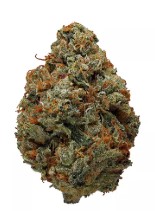
The aroma of Katsu Kush is one of its most distinct features. It combines the earthy, woody scent of Afghan Kush with the more citrusy, pine-like notes of OG Kush. This blend results in a pungent and spicy fragrance, with hints of lemon, pine, and a rich, skunky undertone. When broken apart, the buds often emit an even stronger, almost diesel-like aroma, making it an attention-grabbing strain.
THC and CBD Content
Katsu Kush is known for its high THC content, typically ranging from 18% to 22%, though some phenotypes can go higher. This makes it a potent strain that delivers significant effects, especially when consumed in higher doses. The strain tends to have low to moderate CBD levels, often hovering around 0.5% to 1%, which enhances its psychoactive effects rather than its therapeutic properties. Because of this, Katsu Kush is primarily used for recreational purposes or specific medical conditions that benefit from higher THC levels.
Effects and High
Recreational Effects
Katsu Kush is known for its relaxing, euphoric effects, which can be felt almost immediately after consumption. Due to its Indica-dominant genetics, it is more likely to induce feelings of relaxation, calmness, and body sedation rather than an energizing or stimulating effect. Here are some of the most common recreational effects experienced by users:
- Relaxation and Euphoria: One of the defining characteristics of Katsu Kush is its ability to provide a deeply relaxing experience. Users often feel a sense of calm and tranquility, which can help them unwind after a long day or alleviate stress. This euphoric feeling can also lead to a sense of happiness and contentment.
- Body High: Due to its Indica genetics, Katsu Kush provides a powerful body high. This can help users relieve tension, ease muscle pain, or simply enjoy a laid-back state of mind. It’s ideal for users who prefer a more sedative experience.
- Increased Appetite: Similar to many other Indica strains, Katsu Kush is likely to cause the “munchies.” This makes it ideal for those who struggle with appetite loss or those seeking a strain to enjoy while eating or snacking.
- Introspection and Creativity: Though Katsu Kush is typically more sedative, it can also produce a mild cerebral high that encourages introspection and thoughtfulness. Some users report enhanced creativity or a heightened sense of imagination, making it a good strain for solo activities like journaling, art, or music production.
- Mood Elevation: Many users report a positive impact on their mood, feeling happier and more carefree after consuming Katsu Kush. This makes it a great strain for social occasions or when looking to elevate one’s mood during down times.
Medical Effects
Katsu Kush’s medical applications are wide-ranging due to its potent effects on both the body and mind. It is particularly beneficial for those seeking relief from chronic pain, insomnia, stress, and various mood disorders. Below are the primary medical uses of Katsu Kush:
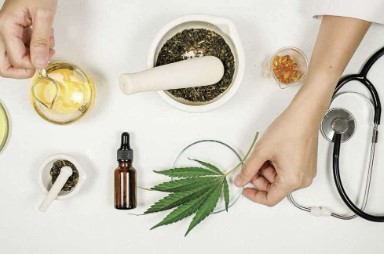
- Pain Relief: Katsu Kush is highly regarded for its analgesic properties. Its relaxing and sedative effects can be highly effective in treating chronic pain conditions such as arthritis, fibromyalgia, and back pain. It provides a sense of relief from muscle aches, joint pain, and general body discomfort.
- Insomnia and Sleep Disorders: Katsu Kush is an excellent strain for individuals suffering from insomnia or other sleep disorders. Its relaxing properties make it ideal for users who have difficulty falling asleep or staying asleep. The sedative effects are particularly useful for those who suffer from anxiety-related insomnia.
- Stress and Anxiety: Katsu Kush can help alleviate stress and anxiety, making it an excellent choice for those experiencing mental health struggles. The euphoric and calming effects of this strain can help soothe the mind, promoting a sense of relaxation and reducing feelings of tension or unease. It is particularly effective in treating general anxiety and stress, though individuals with severe anxiety should proceed with caution due to its strong THC content.
- Mood Disorders: The mood-elevating effects of Katsu Kush make it a suitable strain for individuals dealing with depression, mood swings, and emotional distress. The uplifting euphoria can help counteract negative emotions, promoting a more positive mindset.
- Appetite Stimulation: As with many Indica-dominant strains, Katsu Kush can stimulate appetite, making it an excellent option for people undergoing treatments such as chemotherapy, which often results in appetite loss. It can also help those struggling with eating disorders or a low appetite due to other medical conditions.
- Muscle Spasms and Tension: For those suffering from muscle spasms, tension, or injuries, Katsu Kush’s powerful body high can help relieve tightness in the muscles and induce a state of relaxation, promoting recovery and alleviating discomfort.
Terpene Profile
- Limonene: Responsible for the citrusy, lemony aroma, limonene is also known for its mood-lifting effects and its ability to relieve anxiety and stress. It is often used in aromatherapy for its uplifting properties.
- Myrcene: Myrcene is a common terpene in Indica strains and contributes to the strain’s sedative effects. It has a musky, earthy aroma and is known for its relaxing properties.
- Caryophyllene: Caryophyllene is a spicy, peppery terpene that has anti-inflammatory and pain-relieving properties. It binds to CB2 receptors in the body, making it an excellent option for those who suffer from persistent inflammation or pain.
- Pinene: Pinene, which is found in pine trees and certain herbs, adds a refreshing, herbal aroma to the strain. It is known for its ability to improve focus and alertness, balancing out the more sedative effects of Katsu Kush.
Cultivation
Genetic Background
Katsu Kush is an indica-dominant hybrid, though it typically has a balanced mix of both indica and sativa traits. Its genetic lineage traces back to OG Kush, which is famous for its strong, pungent aroma and effects. The hybridization of Katsu Kush with a specific Kush variant results in a strain with a well-rounded and robust profile, often exhibiting the best features of both indica and sativa plants.
Understanding the genetics of Katsu Kush is critical because it determines how the plant will respond to various cultivation methods, such as nutrient levels, light cycles, and training techniques.
Optimal Growing Environment
Katsu Kush is a relatively hardy strain but still requires a controlled growing environment to thrive. Cultivators typically grow it both indoors and outdoors, but its high THC content and sensitive nature make it especially suited for indoor cultivation, where variables such as temperature, humidity, and light can be closely controlled.
Indoor Cultivation:
- Temperature: Katsu Kush prefers a stable temperature range between 65-80°F (18-27°C). Temperatures outside this range can lead to stunted growth or even damage to the plant. A steady, consistent temperature promotes healthy flowering and bud production.
- Humidity: Humidity levels should be kept between 40-50% during the vegetative stage and reduced to around 30-40% during the flowering stage. This helps prevent mold or mildew, especially given the dense buds that Katsu Kush produces.
- Lighting: Indoor cultivation requires strong, high-quality lighting systems. Full-spectrum LED lights or high-pressure sodium (HPS) lights are commonly used. Katsu Kush requires around 18 hours of light during the vegetative stage and 12 hours during the flowering stage to trigger the plant’s growth cycle. The proper light spectrum is crucial for promoting healthy leaf development and flowering, ensuring the plant receives the right wavelengths for photosynthesis and other metabolic processes.
Outdoor Cultivation:
- Climate: Katsu Kush thrives in a Mediterranean-like climate with warm, sunny days and cool nights. It performs best in regions with low humidity and plenty of sunlight. Ideal outdoor growing conditions would range from 70°F to 85°F (21-29°C), but the strain can be susceptible to harsh weather, such as excessive rain or cold temperatures, making it better suited for controlled environments or greenhouses.
- Soil: Katsu Kush prefers rich, well-drained soil with a pH range of 6.0-7.0. Sandy loam or a mix of organic matter with good drainage ensures that the plant’s roots receive adequate oxygen. A well-balanced soil also provides essential nutrients for healthy growth.
- Space: This strain tends to grow moderately tall, especially if grown outdoors. When planting Katsu Kush outdoors, it’s important to provide enough space for the plants to develop properly. Crowding can lead to poor airflow, increasing the risk of diseases like mildew.
Growth Cycle and Phases
Seedling Stage:
In the initial stage, Katsu Kush starts as a small seedling. During this period, it needs a lot of care, with the primary focus on ensuring that the young plant receives ample light, water, and nutrients. Usually, the seedling stage lasts two to three weeks.
During this phase, it is critical to avoid overwatering and to ensure that the soil is well-drained to prevent root rot. The seedling will begin developing its first sets of leaves, and growers will need to monitor humidity levels closely to ensure the plant doesn’t dry out.

Vegetative Stage:
The vegetative stage of Katsu Kush lasts around 4-6 weeks. During this stage, the plant develops its structure, with robust stems and branches. To encourage lateral growth and prevent the plant from becoming too tall and spindly, many cultivators use low-stress training (LST) techniques, such as topping, pruning, and using ties to shape the plant.
Katsu Kush thrives with regular pruning. Removing the lower branches allows the plant to focus its energy on the upper bud sites, improving the overall yield. The vegetative phase also requires balanced nutrient feeding, ensuring the plant receives a healthy mix of nitrogen, phosphorus, and potassium, which is vital for root development, cell division, and overall growth.
Flowering Stage:
The flowering stage is when Katsu Kush begins producing its dense, resinous buds. This phase usually takes 8-9 weeks and can be slightly longer depending on the environment. During flowering, the plant requires a higher concentration of phosphorus and potassium to support the development of flowers.
As the plant transitions into flowering, many cultivators reduce the nitrogen levels in the soil or nutrient solution. Nitrogen encourages vegetative growth, which is not desirable during flowering. At this stage, it is important to maintain the proper lighting schedule (12/12 light/dark cycle indoors) to induce flowering.
Harvesting:
Katsu Kush flowers are usually ready for harvest in late September to early October, depending depending on whether the plant is cultivated outdoors or indoors. Cultivators must closely monitor trichome development to determine the right time to harvest. When the trichomes (tiny resin glands) are cloudy with a few amber trichomes, the plant is at its peak potency.
Nutrient Requirements
Katsu Kush requires a balanced nutrient regimen to thrive. Over- or under-fertilizing can lead to nutrient deficiencies or toxicities, stunted growth, or poor bud production. The main nutrients it requires are nitrogen (N), phosphorus (P), and potassium (K), in addition to secondary nutrients like calcium, magnesium, and sulfur, as well as micronutrients such as iron and manganese.
- Vegetative Stage: During the vegetative stage, Katsu Kush benefits from higher levels of nitrogen to promote healthy leaf growth and strong stems. A nitrogen-rich fertilizer should be used until the plant starts to transition to the flowering stage.
- Flowering Stage: During the flowering stage, the plant needs more phosphorus and potassium to support the development of dense buds. Phosphorus helps with flower formation and trichome production, while potassium ensures the plant has the energy to continue developing during the maturation process.
- Micronutrients: Micronutrients, such as magnesium and calcium, are important for enzyme production and chlorophyll formation, ensuring the plant’s ability to photosynthesize efficiently.
Common Cultivation Techniques
- Training: As mentioned earlier, Katsu Kush responds well to training methods such as topping, low-stress training (LST), and high-stress training (HST). These techniques help increase yields by encouraging the plant to focus on the main cola and secondary bud sites.
- Defoliation: Some cultivators practice light defoliation, particularly during the early flowering phase, to allow for better airflow around the buds and reduce the risk of mold or mildew. This also ensures that the plant’s energy is focused on bud production rather than excessive leaf growth.
- Hydroponics: While soil cultivation is most common, some growers use hydroponics, where Katsu Kush is grown in water with a nutrient solution. This can accelerate growth and increase yield if done correctly. However, it requires more technical expertise and monitoring.
- Climate Control: Managing temperature and humidity levels is critical for preventing mold and other diseases. Using dehumidifiers and air circulation fans in the grow space can help create the ideal environment.
Pest and Disease Management
Like most cannabis strains, Katsu Kush is susceptible to pests such as aphids, spider mites, and whiteflies. Regular inspection of the plant, combined with organic pest control methods (like neem oil or insecticidal soap), can help prevent infestations. Additionally, keeping the grow space clean and ensuring good airflow helps minimize the risk of fungal diseases like powdery mildew.
Conclusion
Katsu Kush is a versatile cannabis strain that has earned its place as a favorite among both recreational and medical users. Whether you are seeking relief from chronic pain, stress, anxiety, or sleep issues, or simply looking for a relaxing strain to enjoy in the evening, Katsu Kush has a broad variety of impacts that meet various requirements. With its unique aroma, potent effects, and balanced genetics, it’s no wonder this strain has achieved such a strong reputation within the cannabis community.
For a complete directory of cultivars, visit our Cannabis Strain Reviews.
