Table of Contents
Kandy Kush is a celebrated cannabis strain that has gained significant popularity among both recreational users and medical marijuana patients. Known for its sweet flavor, balanced effects, and potent therapeutic potential, this strain has become a staple in dispensaries and a favorite among cannabis enthusiasts. A hybrid strain, Kandy Kush is a cross between OG Kush and Trainwreck, two legendary strains in the cannabis world. This comprehensive guide delves into the strain’s genetics, effects, terpene profile, medical applications, and scientific insights.
Genetics and Origins
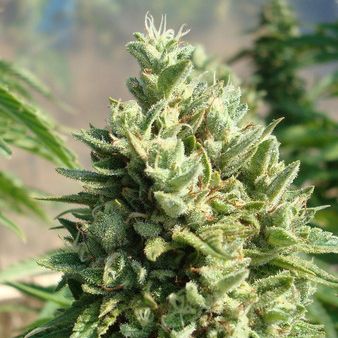
Kandy Kush is a hybrid strain that leans slightly toward the indica side, offering a balanced mix of relaxation and euphoria. Here’s a breakdown of its parent strains:
- OG Kush: Known for its earthy, piney aroma and deeply relaxing effects, OG Kush is a legendary indica-dominant hybrid that has contributed to the genetics of many popular strains. It provides the grounding, sedative qualities in Kandy Kush.
- Trainwreck: A sativa-dominant strain famous for its uplifting and cerebral effects, Trainwreck introduces a euphoric and energetic component to Kandy Kush. Its lemony and piney aroma also contributes to Kandy Kush’s sweet and tangy flavor profile.
The fusion of these two strains results in a balanced hybrid that provides the best of both indica and sativa worlds, making it versatile for a wide range of users.
Flavor and Aroma Profile
Kandy Kush is renowned for its enticing flavor and aroma, which contribute to its broad appeal. The following dominates its terpene profile:
- Myrcene: Responsible for the strain’s sweet, fruity, and earthy undertones.
- Limonene: Adds a citrusy zest, giving it a tangy, lemon-like aroma.
- Caryophyllene: Provides spicy and peppery notes, adding depth to the overall profile.
The flavor is often described as a mix of sweet candy, citrus, and subtle earthy tones, making it a sensory delight.
Effects and Potency
Kandy Kush typically has a THC content ranging from 16% to 20%, with some phenotypes exceeding 20%. The strain’s effects are described as balanced and long-lasting, making it suitable for various situations and users.
- Initial Effects: The high begins with an uplifting cerebral buzz, promoting happiness, euphoria, and creativity. This makes it a great choice for socializing, artistic endeavors, or simply enjoying leisure activities.
- Body Relaxation: As the high progresses, the indica genetics take over, inducing a calming and relaxing body high. Users often report a soothing sensation that melts away stress and tension without causing heavy sedation.
- Balanced High: The combination of uplifting and relaxing effects makes Kandy Kush versatile. It can be used during the day in moderate doses or as an evening strain for unwinding and relaxation.
Medical Applications
Kandy Kush’s balanced effects and rich cannabinoid profile make it a valuable strain for medical marijuana patients. Its therapeutic potential addresses a wide range of conditions, including:
- Chronic Pain
- The analgesic properties of Kandy Kush, largely attributed to its high THC content and caryophyllene terpene, make it effective for alleviating chronic pain conditions such as arthritis, fibromyalgia, and migraines.
- Stress and Anxiety
- The uplifting cerebral effects can help reduce stress and anxiety, providing a sense of calm and mental clarity.
- Insomnia
- While not overly sedative, Kandy Kush’s relaxing body high can promote restful sleep, making it a good option for those struggling with mild to moderate insomnia.
- Depression
- The mood-enhancing properties of this strain can help combat depressive symptoms by promoting feelings of happiness and well-being.
- Appetite Stimulation
- Kandy Kush is known to induce the “munchies,” making it beneficial for patients experiencing appetite loss brought on by illnesses like anorexia or medical procedures like chemotherapy.
- Nausea
- The antiemetic effects of this strain can help alleviate nausea, making it a suitable choice for patients undergoing chemotherapy or dealing with gastrointestinal disorders.
- Muscle Spasms and Cramps
- The relaxing properties of Kandy Kush can help ease muscle spasms, cramps, and general physical tension.
Recreational Uses
For recreational users, Kandy Kush offers a versatile and enjoyable experience. Its effects make it suitable for various activities and settings:
- Socializing
- The initial euphoric and uplifting effects can enhance social interactions, making it a great choice for parties or gatherings.
- Creative Activities
- Artists, writers, and musicians often use Kandy Kush to tap into their creativity and focus on their work.
- Relaxation
- The calming body high makes this strain perfect for unwinding after a long day, watching movies, or listening to music.
- Outdoor Adventures
- The balanced high can enhance activities like hiking or exploring nature, providing energy and focus without overwhelming sedation.
Scientific Insights
- Cannabinoid Profile
- Kandy Kush typically has high THC levels (16-20%) with low CBD content (<1%).
- The high THC content is responsible for its psychoactive effects, while the trace amounts of CBD contribute to its therapeutic properties.
- Terpene Profile
- Myrcene: This terpene, which contributes to the strain’s calming body high, is well-known for its sedative and muscle-relaxing effects.
- Limonene: Commonly associated with stress relief and mood elevation, this terpene enhances the strain’s uplifting effects.
- Caryophyllene: Unique among terpenes, caryophyllene interacts with CB2 receptors, providing anti-inflammatory and pain-relieving benefits.
- Entourage Effect
- The combination of cannabinoids and terpenes in Kandy Kush works synergistically, producing the “entourage effect.” This enhances the strain’s therapeutic potential, making it more effective for conditions like pain, anxiety, and inflammation.
- Scientific Studies
- Preliminary studies on strains with similar profiles suggest that Kandy Kush’s high THC and terpene content can effectively manage symptoms of chronic pain, anxiety, and other conditions. However, more research specific to Kandy Kush is needed to confirm these findings.
Growing Information
Kandy Kush is a relatively easy strain to grow, making it a good choice for beginners and experienced cultivators alike.
1. Understanding the Genetics
Kandy Kush is a hybrid strain with specific growth traits inherited from its parent strains, OG Kush and Trainwreck. Knowing its genetics helps in optimizing environmental conditions:
- Indica Dominance: Slightly indica-leaning, the strain has a compact structure with dense buds.
- Resin Production: Known for high trichome content, which indicates high cannabinoid and terpene levels.
2. Ideal Environmental Conditions
Kandy Kush thrives in a Mediterranean climate, but growers can simulate these conditions indoors using precise controls:
- Temperature: Maintain 70–85°F (21–29°C). Cooler temperatures during flowering enhance color and resin production.
- Humidity:
- Vegetative Stage: 50–60% relative humidity (RH).
- Flowering Stage: 40–50% RH to reduce the risk of mold on dense buds.
- Light:
- During the vegetative stage, use 18–24 hours of light daily (preferred spectrum: 4000K–6500K for blue light).
- During the flowering stage, switch to a 12/12 light/dark cycle (preferred spectrum: 2700K–3000K for red light).
- CO₂ Supplementation: Increasing CO₂ levels to 1000–1200 ppm in a sealed grow room can enhance photosynthesis and lead to higher yields.
3. Soil vs. Hydroponics
Growers can choose between soil-based or hydroponic systems for cultivating Kandy Kush, each offering unique advantages:
- Soil Cultivation: Organic soil rich in nutrients (e.g., compost, worm castings) supports terpene development, enhancing Kandy Kush’s flavor and aroma.
- Hydroponics: Provides precise control over nutrient delivery and pH, which can accelerate growth and increase yields. The optimal pH for hydroponics is 5.5–6.5.
4. Nutritional Requirements
Kandy Kush is a nutrient-hungry strain, particularly during its flowering stage:

- Vegetative Stage:
- Nitrogen (N) is essential for robust growth and leaf production.
- Use a nutrient ratio of 3-1-2 (NPK) during this phase.
- Flowering Stage:
- For bud growth, raise potassium (K) and phosphorus (P).
- A ratio of 1-2-3 (NPK) is ideal.
- Micronutrients: Magnesium, calcium, and sulfur play crucial roles in chlorophyll production and cellular health.
- Flushing: Two weeks before harvest, flush the soil or medium with water to remove nutrient residues, ensuring a smoother flavor.
5. Training Techniques
To maximize Kandy Kush yield and manage its bushy growth structure, use advanced training techniques:
- Low-Stress Training (LST): Bend and tie branches to increase light exposure to lower nodes.
- Topping and FIMing: Remove the main shoot tip to encourage multiple colas and even canopy growth.
- Screen of Green (ScrOG): Use a net or screen to train plants horizontally, maximizing light penetration and bud production.
6. Pest and Mold Control
Kandy Kush dense buds are prone to mold and pests, so preventive measures are essential:
- Common Pests: Spider mites, aphids, and whiteflies. Introduce beneficial insects like ladybugs or predatory mites to manage infestations naturally.
- Fungal Prevention: Ensure good airflow and maintain low humidity during flowering. Regularly inspect for powdery mildew or bud rot.
7. Advanced Scientific Techniques
- Genetic Phenotyping: Identify the best phenotype for desired traits like high THC levels, terpene content, and resistance to pests.
- Tissue Culture: Propagate Kandy Kush through micropropagation to ensure genetic consistency and pathogen-free plants.
- LED Technology: Use full-spectrum LED lights to optimize energy use and improve terpene and cannabinoid profiles.
8. Harvest and Post-Harvest Processes
- Harvest Timing: Use a magnifier to inspect trichomes:
- Clear trichomes: Immature.
- Milky trichomes: Peak potency.
- Amber trichomes: More sedative effects.
- Drying: Hang buds upside down in a dark, ventilated room at 60–70°F (15–21°C) with 50–60% RH.
- Curing: Store buds in airtight jars, burping them daily to release moisture and enhance flavor and potency.
Research-Based Insights for Cultivation
Recent studies have highlighted several areas of interest for cultivating strains like Kandy Kush:
- Cannabinoid Content and Light Spectrum: Red light enhances THC levels, while blue light improves vegetative growth.
- Terpene Biosynthesis: Stressing plants (e.g., UV-B exposure) during flowering can increase terpene production, enhancing the strain aroma and therapeutic effects.
- Yield Optimization with Sea of Green (SoG): Growing multiple small plants closely spaced in a SoG setup maximizes yield in limited spaces.
Methods of Ingestion for Kandy Kush

- Smoking
- Description: The most traditional method of cannabis ingestion, involving combustion of dried flower in a joint, pipe, or bong.
- Onset: 1–5 minutes.
- Duration: 1–3 hours.
- Bioavailability: Approximately 10–25% THC.
- Combustion results in the rapid absorption of THC and other cannabinoids through the lungs into the bloodstream.
- Advantages:
- Quick onset allows for better dose control.
- Strong flavor and immediate effects.
- Drawbacks:
- Carbon monoxide and tar are two dangerous consequences of combustion.
- May irritate the throat and lungs.
- Vaporization (Vaping)
- Description: Heating cannabis flower or concentrates to a temperature that releases cannabinoids and terpenes as vapor, without combustion.
- Onset: 1–5 minutes.
- Duration: 1–3 hours.
- Bioavailability: Approximately 30–40% THC.
- Vaping preserves terpenes and cannabinoids, offering a cleaner and more efficient delivery system.
- Advantages:
- Healthier alternative to smoking.
- Enhanced terpene profile leads to a richer flavor.
- Drawbacks:
- Requires specialized equipment (vaporizers).
- Potential risk of contaminants in vape cartridges.
- Edibles
- Description: Cannabis-infused food products such as gummies, brownies, or beverages.
- Onset: 30–90 minutes.
- Delayed onset due to the need for digestion and liver metabolism (first-pass metabolism).
- Duration: 6–8 hours (can be longer for high doses).
- Bioavailability: Approximately 4–12% THC.
- THC is converted to 11-hydroxy-THC in the liver, which is more potent and long-lasting.
- Advantages:
- Discreet and convenient.
- Long-lasting effects make it suitable for sustained relief.
- Drawbacks:
- Delayed onset may lead to accidental overconsumption.
- Difficult to dose accurately.
- Sublingual (Tinctures and Sprays)
- Description: Cannabis oils or tinctures placed under the tongue for direct absorption into the bloodstream via mucous membranes.
- Onset: 15–30 minutes.
- Duration: 4–6 hours.
- Bioavailability: Approximately 12–35% THC.
- Bypasses first-pass metabolism, resulting in quicker effects.
- Advantages:
- Faster onset compared to edibles.
- Easy to dose with droppers or sprays.
- Drawbacks:
- Some people may find the taste unpleasant.
- Effects are shorter-lived than edibles.
- Topicals
- Description: Cannabis-infused creams, balms, or patches applied directly to the skin for localized relief.
- Onset: 15–60 minutes.
- Duration: 2–4 hours (longer for transdermal patches).
- Bioavailability: Minimal systemic absorption unless using a transdermal patch.
- Cannabinoids interact with CB2 receptors in the skin, providing localized relief without psychoactive effects.
- Advantages:
- Ideal for pain, inflammation, and skin conditions.
- When applied topically, it is non-psychoactive (transdermal patches excepted).
- Drawbacks:
- Limited to localized effects unless transdermal patches are used.
- Dabbing (Concentrates)
- Description: Inhaling vaporized cannabis concentrates (e.g., wax, shatter, or live resin) using a dab rig or electronic dab pen.
- Onset: 1–3 minutes.
- Duration: 1–3 hours.
- Bioavailability: Approximately 40–50% THC.
- Highly potent due to the concentrated form of cannabinoids.
- Advantages:
- Quick and intense effects.
- Ideal for experienced users with high tolerance.
- Drawbacks:
- Requires specialized equipment.
- May be overwhelming for novice users.
- Capsules and Pills
- Description: Pre-measured cannabis oil or powdered flower in a capsule form.
- Onset: 30–90 minutes (similar to edibles due to first-pass metabolism).
- Duration: 6–8 hours.
- Bioavailability: Approximately 4–12% THC.
- Advantages:
- Precise dosing.
- Discreet and convenient.
- Drawbacks:
- Delayed onset.
- Less customizable compared to tinctures or vaping.
- Suppositories
- Description: Rectal or vaginal cannabis suppositories for targeted or systemic relief.
- Onset: 10–15 minutes.
- Duration: 4–8 hours.
- Bioavailability: Approximately 50–70% THC (rectal delivery bypasses liver metabolism).
- Advantages:
- High bioavailability.
- Rapid onset and long duration.
- Drawbacks:
- May be uncomfortable for some users.
- Limited research on long-term use.
Onset and Duration of Effects
| Method | Onset | Duration | Notes |
|---|---|---|---|
| Smoking | 1–5 minutes | 1–3 hours | Quick onset allows for precise titration of dose. |
| Vaporization | 1–5 minutes | 1–3 hours | Preserves terpenes and cannabinoids for a cleaner experience. |
| Edibles | 30–90 minutes | 6–8 hours | Delayed onset but prolonged effects due to 11-hydroxy-THC conversion. |
| Sublingual | 15–30 minutes | 4–6 hours | Faster than edibles; bypasses first-pass metabolism. |
| Topicals | 15–60 minutes | 2–4 hours | Localized relief with minimal systemic effects (non-psychoactive). |
| Dabbing | 1–3 minutes | 1–3 hours | Highly potent; suitable for experienced users. |
| Capsules/Pills | 30–90 minutes | 6–8 hours | Convenient and discreet; ideal for consistent dosing. |
| Suppositories | 10–15 minutes | 4–8 hours | High bioavailability; effective for rapid and prolonged relief. |
Bioavailability by Method
- Inhalation (Smoking/Vaping/Dabbing): 10–50%.
- Absorption occurs in the lungs, offering rapid effects.
- Oral (Edibles, Capsules): 4–12%.
- First-pass metabolism reduces bioavailability, but produces 11-hydroxy-THC.
- Sublingual: 12–35%.
- Direct absorption into the bloodstream enhances bioavailability.
- Topicals: Minimal unless transdermal.
- Primarily localized effects without entering the bloodstream.
- Rectal (Suppositories): 50–70%.
- Bypasses first-pass metabolism, ensuring high systemic absorption.
Choosing the Right Method
- For Quick Relief: Inhalation methods (smoking, vaping, dabbing) are ideal.
- For Long-Lasting Effects: Edibles and capsules are preferred.
- For Localized Relief: Topicals are effective for pain and inflammation.
- For Discreet and Precise Dosing: Sublingual tinctures or pills are suitable.
- For High Potency and Bioavailability: Suppositories or dabbing are optimal.
Potential Side Effects
While Kandy Kush is generally well-tolerated, it can cause some side effects, particularly for inexperienced users or those sensitive to THC. Common side effects include:
- Dry Mouth: Staying hydrated can help alleviate this.
- Dry Eyes: Using over-the-counter eye drops can provide relief.
- Dizziness: May occur in some users, especially at higher doses.
- Paranoia: High doses may lead to anxiety or paranoia in sensitive individuals. A low dose is advised to begin with.
Conclusion
Kandy Kush is a versatile and enjoyable cannabis strain that offers a balanced mix of euphoria and relaxation. Its sweet flavor, potent effects, and therapeutic potential make it a favorite among both recreational users and medical patients. Whether you’re looking to unwind after a long day, enhance your creativity, or manage chronic pain, Kandy Kush has something to offer.
With its rich genetic lineage, appealing flavor profile, and wide-ranging effects, Kandy Kush stands out as one of the best strains in the cannabis industry. Whether you’re a seasoned cannabis connoisseur or a newcomer, this strain is worth exploring for its unique qualities and benefits.
For a complete directory of cultivars, visit our Cannabis Strain Reviews.
