Table of Contents
Kandahar is a well-known, potent Indica-dominant cannabis strain that has earned a reputation for its potent effects, earthy aroma, and unique therapeutic benefits. This strain originates from the region of Kandahar in Afghanistan, where it has been cultivated for centuries. It is recognized for its high THC content, making it an ideal strain for users looking for powerful relaxation and therapeutic effects. This detailed guide delves into the strain’s genetic makeup, medical uses, recreational benefits, and the scientific factors that make it one of the most admired strains in the cannabis community.
1. Genetic Background
Kandahar is an Indica-dominant hybrid, with approximately 70-80% Indica and 20-30% Sativa genetics. It is believed to be a descendant of the landrace strains that have grown in the mountainous regions of Afghanistan. Kandahar cannabis strains are typically crossbred with other varieties to enhance certain qualities, such as potency or flavor. The plant itself is known for producing dense, sticky buds covered in a frosty layer of trichomes.
The precise lineage of the Kandahar strain is a bit obscure, but it is widely accepted that the strain’s roots trace back to the Kush family. Kush strains, often characterized by their relaxing and sedative effects, are highly prized by medical and recreational users alike for their pain-relieving qualities. Kandahar’s potency and tranquil effects make it a perfect choice for people looking for strong medicinal effects, particularly for nighttime use.
2. Appearance, Aroma, and Flavor Profile
Appearance
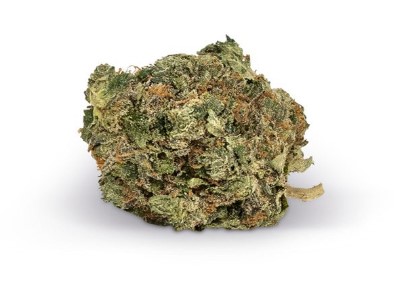
Kandahar cannabis plants are typically short and bushy with thick, robust stems, which is characteristic of most Indica varieties. The leaves are dark green with broad leaflets, and the buds are dense and compact, often tinged with shades of purple or blue. The flowers are typically covered in a thick coat of trichomes, which makes them appear frosty and sticky to the touch.
Aroma
The aroma of Kandahar cannabis is complex and deep, with earthy, piney, and woody notes, typical of many Kush strains. These bold earthy scents are often accompanied by hints of spice, sometimes described as a slightly peppery or musky fragrance. This pungent smell may be noticeable to others, so users should be aware of its strong odor when consuming it in public places or shared environments.
Flavor
When smoked or vaporized, Kandahar offers a smooth and rich flavor profile. The taste mirrors the aroma, with earthy, piney flavors dominating the palate. Many users also report a sweet, spicy undertone with a hint of pepper. The flavor can linger on the tongue, providing a long-lasting taste experience that enhances the overall consumption experience.
3. THC and CBD Content
Kandahar is known for its high THC content, which typically ranges from 18% to 22%, depending on cultivation methods and specific phenotypes. This high THC concentration contributes to its strong effects, making it an ideal choice for experienced cannabis users who are looking for potent results.
In terms of CBD content, Kandahar tends to have a low CBD level, usually below 1%. While this strain is not known for its therapeutic benefits from CBD, its high THC concentration is what gives it its medicinal value.
4. Medical Uses of Kandahar Cannabis Strain
Kandahar’s high THC content and potent sedative effects make it a highly sought-after strain in the medical cannabis community. It has been reported to provide relief from a variety of physical and mental health conditions. Below is a detailed breakdown of the specific medical uses and benefits associated with Kandahar.

Pain Management
One of the most well-known medical uses of Kandahar is for pain relief. The high THC content induces a deep relaxation that can numb pain and reduce inflammation, making it particularly effective for conditions such as arthritis, chronic pain, migraines, and fibromyalgia. Kandahar’s relaxing effects may also help those suffering from muscle spasms or muscle tension.
Insomnia and Sleep Disorders
Due to its strong sedative effects, Kandahar is widely used by patients dealing with insomnia and other sleep disorders. The strain induces a state of relaxation and tranquility that can help people fall asleep quickly and maintain restful sleep throughout the night. It is particularly beneficial for those suffering from sleep disturbances caused by anxiety, stress, or chronic pain.
Stress and Anxiety
Kandahar’s calming effects also extend to reducing symptoms of stress and anxiety. The strain’s Indica dominance helps soothe the mind, offering relief to individuals struggling with high levels of stress. Kandahar’s relaxing properties allow users to unwind mentally and physically, making it a popular choice for those dealing with anxiety-related disorders.
Muscle Spasms and Spasticity
For patients suffering from muscle spasms, multiple sclerosis, or conditions involving involuntary muscle contractions, Kandahar’s relaxing effects can help relieve these symptoms. The strain’s ability to induce muscle relaxation makes it a suitable choice for those with spasticity or other conditions that involve muscle tightness and discomfort.
Appetite Stimulation
Kandahar is often used by individuals undergoing chemotherapy or suffering from eating disorders, as it has appetite-stimulating effects. The strain can increase hunger and encourage the consumption of food, which is vital for patients undergoing treatments that suppress appetite or cause nausea.
Chronic Fatigue and Mental Exhaustion
Kandahar’s sedative effects can also benefit individuals struggling with chronic fatigue or mental exhaustion. The strain helps promote relaxation and rejuvenation, allowing users to rest and recover from the physical and mental toll of exhaustion.
5. Recreational Uses of Kandahar Cannabis Strain
In addition to its medicinal benefits, Kandahar is popular for recreational use, particularly among seasoned cannabis consumers. Below are the primary recreational effects and uses of Kandahar.
Relaxation and Stress Relief
Recreational users often turn to Kandahar for its deep relaxation effects. This strain is excellent for winding down after a long day or for those who simply want to take a break from the stresses of life. It induces a calming, couch-lock experience that makes it ideal for evening or nighttime use.
Mood Elevation
Kandahar can help elevate one’s mood, particularly in social or quiet settings. It enhances feelings of happiness, euphoria, and contentment, making it an excellent choice for relaxing with friends or spending time alone. However, due to its sedative effects, it is best enjoyed in calm, peaceful environments.
Introspection and Creativity
While Kandahar is not typically associated with stimulating creativity, some users may find that it provides moments of introspection and deep thought. Its ability to quiet the mind and promote relaxation can help individuals explore their emotions or enjoy deep contemplation. However, due to its sedative nature, this strain is best suited for people who seek reflective, non-stimulating activities.
Ideal for Evening Use
Given its potent sedative properties, Kandahar is best used during the evening or before bedtime. It is not suitable for daytime activities that require high levels of energy or focus. Instead, it provides the perfect environment for unwinding after a busy day, watching movies, or taking part in soothing pursuits like music or reading.
6. Growing Kandahar Cannabis Strain
The Jet Fuel OG (JFOG) cannabis strain is a popular hybrid, known for its robust effects and pungent, fuel-like aroma. Cultivating Jet Fuel OG involves several specific scientific and practical considerations to maximize yield and maintain the high quality of the plant. Here’s a more detailed look at the methods of cultivating Jet Fuel OG:
Genetic Background
Jet Fuel OG is a hybrid strain, typically a cross between the popular strains 808 Headband and SFV OG Kush. This combination results in a strain with a potent THC content, often exceeding 20%, and a distinctive aroma that combines diesel fuel with earthy, citrusy undertones.
Understanding the strain’s genetics is crucial for cultivation, as it informs decisions on growth behavior, environmental requirements, and potential challenges during cultivation. Jet Fuel OG tends to have a moderate-to-high growth rate with a moderate stretch during the flowering phase, which can influence how much space is needed for the plants to grow.
Cultivation Environment
Jet Fuel OG can be grown both indoors and outdoors, but it thrives best in controlled indoor environments where its growth can be closely monitored. However, outdoor cultivation can also yield excellent results in optimal climates.

Indoor Cultivation
- Temperature: For optimal growth, the temperature should be kept between 65°F and 80°F (18°C to 27°C). Temperatures above 85°F (29°C) can stress the plants and cause them to produce fewer cannabinoids.
- Humidity: During the vegetative phase, maintaining a humidity level of around 60-70% is ideal. As the plants transition into flowering, it is crucial to reduce humidity levels to around 40-50% to prevent mold and mildew growth.
- Lighting: As an indica-dominant hybrid, Jet Fuel OG thrives with high-intensity lighting. A 12-hour light/dark cycle is needed for flowering, and the use of full-spectrum LED lights or high-pressure sodium (HPS) lights is recommended for both vegetative and flowering stages.
Outdoor Cultivation
- Climate: Jet Fuel OG prefers a Mediterranean climate with plenty of sunlight and warm temperatures. It grows best in areas with long, sunny days and moderate humidity.
- Soil: Rich, well-draining soil is essential for healthy Jet Fuel OG plants. Loamy or sandy soil with a slightly acidic pH (6.0-6.5) tends to support better root growth and nutrient uptake.
Growth and Training Techniques
Jet Fuel OG can grow quite tall, and its plants may benefit from certain training techniques that control their height and encourage bushier growth. These methods help manage the strain’s structure for better light penetration and air circulation, which are crucial for maximizing yield and minimizing the risk of diseases.
Common Training Methods
- Topping: Cutting off the top of the main stem can encourage lateral branching, making the plant bushier and increasing the number of main colas (flowering tops). This is particularly important with Jet Fuel OG as it tends to stretch during flowering.
- Low-Stress Training (LST): Gently bending and tying down branches to create an even canopy ensures that more of the plant is exposed to light, increasing yield. LST helps prevent the plant from growing too tall and makes it easier to maintain in smaller spaces.
- Sea of Green (SOG): This method involves growing many small plants with one main cola each, which maximizes space and light exposure. It’s particularly useful in smaller indoor setups where space is limited.
- ScrOG (Screen of Green): Using a mesh screen to support the branches, ScrOG encourages horizontal growth and ensures an even distribution of light across the plant. This method is ideal for controlling the height of Jet Fuel OG while encouraging high yields.
Feeding and Nutrient Management
Jet Fuel OG requires proper feeding throughout its growth stages to ensure it reaches its full potential. Its nutrient requirements differ between the vegetative and flowering phases.
- Vegetative Stage: During this phase, the plant needs higher levels of nitrogen to promote strong stem and leaf growth. A balanced fertilizer with a higher nitrogen content (N-P-K ratio of around 3:1:2) is ideal.
- Flowering Stage: As the plant enters the flowering phase, it requires more phosphorus and potassium to support bud development. A fertilizer with an N-P-K ratio closer to 1:3:2 or 2:3:4 is recommended to ensure that the plant has enough resources for proper flower formation.
It’s also important to monitor the pH levels of the water and soil. Jet Fuel OG prefers a slightly acidic pH level between 6.0 and 6.5 for optimal nutrient uptake. Over-fertilizing or under-fertilizing can lead to nutrient burn or deficiencies, both of which can impact the plant’s yield and quality.
Watering and Irrigation
Jet Fuel OG has moderately high water requirements, but overwatering should be avoided. The plant prefers consistent moisture in the soil, but it must have good drainage to prevent root rot.
- Watering Frequency: During the vegetative phase, watering can be done every 2-3 days, depending on the size of the container and environmental conditions. During flowering, it’s important to let the soil dry out slightly between waterings to avoid waterlogging.
- Irrigation System: In large-scale cultivation, hydroponic systems or drip irrigation can provide a consistent water supply while ensuring that the plant’s roots are well-oxygenated. These systems are ideal for controlling the amount of water and nutrients the plants receive.
Flowering and Harvesting
Jet Fuel OG typically takes between 8 and 9 weeks to complete its flowering cycle indoors, although outdoor growers may see a later harvest in the fall (late October to early November). The buds of Jet Fuel OG are dense, coated in trichomes, and emit a pungent, diesel-like aroma when they are fully mature.
Trichome Development
The trichomes on Jet Fuel OG are important indicators of when the plant is ready for harvest. These glandular structures produce cannabinoids and terpenes, contributing to the strain’s effects and aroma. By closely monitoring trichome development, growers can determine the optimal harvest window.
- Clear Trichomes: At this stage, the THC levels are still developing, and the effect may be less potent.
- Milky Trichomes: This is the ideal time to harvest for maximum THC potency. The buds will have a strong aroma and produce a euphoric, energizing high.
- Amber Trichomes: If left too long, the trichomes turn amber, which indicates that the THC is degrading into CBN. The high will become more sedative, and the overall potency may decrease.
Harvesting Tips
- Timing: Harvesting is best done early in the morning when the plants’ terpene profiles are at their peak.
- Trimming: After cutting the buds, they should be carefully trimmed to remove excess leaves, ensuring that the final product is high-quality.
Post-Harvest
After the buds are harvested, proper drying and curing processes must be followed to preserve the quality of the Jet Fuel OG flowers.
Drying
- Hang the buds upside down in a well-ventilated area with temperatures between 60-70°F (15-21°C) and humidity levels of around 50-60%.
- Drying typically takes 7-14 days, depending on the size of the buds and environmental factors. Over-drying can lead to loss of terpenes, which affects the flavor and aroma.
Curing
- After drying, the buds should be placed in glass jars and opened periodically to allow the release of moisture and to promote further curing. This procedure may take two to four weeks.
- Proper curing enhances the flavor, potency, and smoothness of the final product.
Potential Cultivation Challenges
Cultivating Jet Fuel OG can present a few challenges that growers need to address:
Nutrient Deficiencies: Common deficiencies include nitrogen, phosphorus, and potassium imbalances. Monitoring and adjusting nutrient levels can prevent these issues.
Pest Management: Like all cannabis strains, Jet Fuel OG is susceptible to pests such as spider mites, aphids, and whiteflies. Frequent examination and the application of natural pest management techniques, such as neem oil or beneficial insects, are crucial.
Mold and Mildew: Due to its dense bud structure, Jet Fuel OG can be prone to mildew and mold, particularly in areas with high humidity. Proper ventilation and humidity control are critical during the flowering phase.
7. Side Effects of Kandahar Cannabis Strain
Like most cannabis strains, Kandahar comes with a few potential side effects. These are typically mild, especially for seasoned cannabis users, but they can include:
- Dry Mouth (Cottonmouth): A common side effect of most cannabis strains, including Kandahar. It is recommended to stay hydrated while consuming this strain.
- Dry Eyes: Another common side effect that may cause discomfort. This is lessened by using eye drops.
- Dizziness or Lightheadedness: New users or those sensitive to THC may experience mild dizziness, especially when consuming large quantities of Kandahar.
- Paranoia or Anxiety: While rare, some users may experience heightened anxiety or paranoia, especially with high doses of THC.
Conclusion
Kandahar is a potent, relaxing cannabis strain with a variety of medicinal and recreational benefits. Its high THC content makes it ideal for those seeking deep relaxation, pain relief, and sleep assistance. With its earthy aroma, smooth flavor, and potent effects, Kandahar remains a beloved strain in the cannabis community. Whether for managing medical conditions like chronic pain, insomnia, or anxiety, or simply for unwinding after a long day, Kandahar offers a variety of benefits that make it a go-to strain for many users.
For a complete directory of cultivars, visit our Cannabis Strain Reviews.
