Table of Contents
Kali Dog is a legendary cannabis strain with roots tracing back to the genetic breeding expertise of renowned cultivators. Often referred to as the epitome of classic American genetics, Kali Dog is a hybrid strain with dominant sativa characteristics. It is a product of crossbreeding between two iconic strains: Chemdawg and Sour Diesel. Both parent strains are celebrated for their potency, sharp flavor profiles, and invigorating effects. Kali Dog inherits these remarkable traits and is cherished for its powerful high, pungent aroma, and versatility.
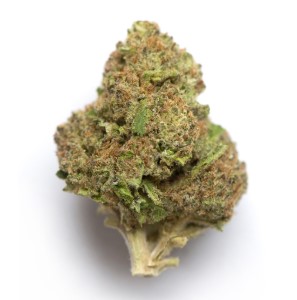
With a THC content typically ranging between 18% and 23%, Kali Dog is a potent strain that caters to seasoned cannabis enthusiasts and medical users seeking a robust experience. The strain’s CBD levels are relatively low, often hovering around 0.1%, making it less suitable for those seeking CBD-rich therapeutic effects. However, its terpene profile—dominated by limonene, myrcene, and caryophyllene—contributes significantly to its medicinal and recreational benefits.
Genetic Lineage and Characteristics
Kali Dog’s genetics are deeply rooted in its American heritage. Its parents, Chemdawg and Sour Diesel, are renowned for their influence in shaping modern cannabis genetics.
- Chemdawg: Known for its potent THC levels and sharp, chemical-like aroma, Chemdawg is often associated with an uplifting and cerebral high. It’s a favorite among cannabis connoisseurs for its intensity and flavor.
- Sour Diesel: Famous for its fuel-like aroma and energizing effects, Sour Diesel is a sativa-dominant strain that delivers a focused and euphoric high. It’s frequently used for daytime activities and creativity.
Kali Dog inherits the best traits from both parents, resulting in a sativa-dominant hybrid with a 60:40 sativa-to-indica ratio. It exhibits large, dense buds coated with trichomes, giving them a frosty appearance. The nugs are olive green with orange pistils and exude a pungent aroma that combines citrus, diesel, and earthy undertones.
Terpene Profile and Flavor
The terpene profile of Kali Dog is a critical factor in its unique flavor, aroma, and therapeutic effects. The dominant terpenes include:
- Limonene: This terpene imparts a citrusy aroma and is known for its uplifting and stress-relieving properties. Limonene also exhibits antimicrobial and anti-inflammatory effects.
- Myrcene: Responsible for the earthy and musky scent, myrcene has sedative properties and enhances the absorption of cannabinoids, contributing to the overall effect of the strain.
- Caryophyllene: Known for its spicy, peppery aroma, caryophyllene has anti-inflammatory and pain-relieving properties. It is the only terpene that directly interacts with the body’s CB2 receptors, amplifying its therapeutic potential.
- Pinene: This terpene adds a hint of pine to the strain’s aroma and is associated with improved focus and memory retention.
- Humulene: With subtle woody and earthy notes, humulene has appetite-suppressing and anti-inflammatory properties.
Recreational Uses
Kali Dog is a versatile strain that provides an engaging recreational experience. Its effects are predominantly cerebral, making it ideal for social settings, creative endeavors, and daytime use. Below are some specific recreational applications:
- Enhancing Creativity: The sativa dominance of Kali Dog stimulates the mind, encouraging creative thinking and problem-solving. Artists, writers, and musicians often turn to Kali Dog for inspiration and focus.
- Socializing: Kali Dog’s uplifting and euphoric effects make it a popular choice for gatherings and social events. It promotes conversation and a sense of camaraderie, helping to break the ice in group settings.
- Energy Boost: Unlike indica-dominant strains that induce relaxation, Kali Dog provides a burst of energy and motivation. It’s suitable for outdoor activities, exercise, or tackling a to-do list.
- Flavorful Smoking Experience: The complex flavor profile of Kali Dog—a mix of citrus, diesel, and earthy notes—makes it a treat for cannabis connoisseurs who appreciate nuanced tastes and aromas.
- Mood Enhancement: The euphoric high offered by Kali Dog can help users combat feelings of boredom or monotony, making it a go-to strain for enhancing leisure time.
Medical Uses
While Kali Dog is primarily a recreational strain, its terpene profile and cannabinoid content also offer notable therapeutic benefits. It’s particularly effective for managing mental health issues, chronic pain, and fatigue. Below are its specific medical applications:

- Stress and Anxiety Relief: The high limonene content in Kali Dog contributes to its stress-relieving properties. Users report a significant reduction in anxiety and an uplifted mood after consumption. It’s best used in moderate doses to avoid overstimulation, which can exacerbate anxiety in sensitive individuals.
- Depression: Kali Dog’s uplifting and euphoric effects make it a valuable tool for individuals battling depression. The strain helps to alleviate feelings of hopelessness and low energy, promoting a more positive outlook.
- Pain Management: The presence of caryophyllene and myrcene contributes to the strain’s analgesic properties. It can help manage chronic pain conditions such as arthritis, migraines, and muscle spasms. Kali Dog’s effects are more suited for daytime pain relief as it doesn’t induce heavy sedation.
- Fatigue: As a sativa-dominant strain, Kali Dog provides an energy boost, making it beneficial for individuals experiencing fatigue or lethargy. It’s often recommended for patients with chronic fatigue syndrome or those recovering from illness.
- Appetite Stimulation: While not as effective as some indica-heavy strains, Kali Dog can stimulate appetite in users struggling with eating disorders or undergoing treatments such as chemotherapy.
- Focus and ADHD: Kali Dog’s cerebral effects can improve focus and concentration, making it a potential alternative treatment for individuals with ADHD or attention-related disorders. However, professional guidance is advised before using it for this purpose.
Cultivation Information
Kali Dog is a relatively easy strain to grow, making it a favorite among novice and experienced cultivators. Here are key cultivation details:
1. Growing Mediums and Their Effects

- Soil: A nutrient-rich organic soil is ideal for Kali Dog, as it provides a stable medium with natural microbes that support root development. Ensure the soil has a pH between 6.0 and 6.5 for optimal nutrient absorption.
- Hydroponics: Hydroponic systems (e.g., deep water culture or drip systems) allow precise control over nutrient delivery, oxygen levels, and water. This setup accelerates growth and may enhance terpene and cannabinoid profiles.
- Coco Coir: A hybrid option, coco coir retains water well and provides good aeration for roots. Combine with hydroponic nutrients for a balanced approach.
2. Nutrient Requirements and Feeding Schedule
Vegetative Stage:
- Nitrogen (N): Vital for leaf and stem development. Provide high levels during this stage using nitrogen-rich fertilizers or compost teas.
- Phosphorus (P) and Potassium (K): These should be present in lower quantities but still sufficient to support overall plant health.
- Use a nutrient mix with an NPK ratio of around 3:1:1 during this phase.
Flowering Stage:
- Gradually reduce nitrogen to avoid excessive foliage growth, which diverts energy from flower production.
- To encourage bud development and resin production, raise potassium and phosphorus levels. Use an NPK ratio of around 1:3:3.
- Micronutrients: Essential elements like calcium, magnesium, and sulfur are critical during both stages to prevent deficiencies that could hinder growth.
3. Environmental Conditions
- Temperature: Kali Dog thrives in temperatures ranging between 70\u00b0F and 85\u00b0F (21\u00b0C – 29\u00b0C). Keep nighttime temperatures slightly cooler to mimic natural cycles.
- Humidity:
- During the vegetative stage, maintain humidity levels between 50% and 70%.
- Lower humidity to 40% to 50% during flowering to prevent mold and mildew on dense buds.
- Light:
- Vegetative Stage: Provide 18-20 hours of light daily with full-spectrum LED or metal halide (MH) lights.
- Flowering Stage: Switch to 12 hours of light and 12 hours of darkness using high-pressure sodium (HPS) or red-spectrum LEDs.
4. Pruning and Training Techniques
- Topping: Remove the main central stem growing tip to encourage lateral growth and increase canopy size.
- Low-Stress Training (LST): Bend and tie branches to create an even canopy, ensuring light reaches all parts of the plant.
- Defoliation: Remove excess fan leaves during the flowering stage to improve airflow and light penetration to the lower buds.
- Screen of Green (ScrOG): Install a screen to guide branches horizontally, optimizing space and increasing yields.
5. Watering Practices
- pH Levels: Always ensure the pH of your water is between 6.0 and 6.5 for soil grows and 5.5 to 6.0 for hydroponics.
- Watering Frequency: Avoid overwatering by letting the top inch of the soil dry out between waterings. In hydroponics, ensure constant water circulation with oxygenated reservoirs.
- Flushing: Perform a flush 1-2 weeks before harvest to remove excess nutrients and improve the final product taste and aroma.
6. Pest and Disease Management
Common Threats:
- Powdery Mildew: Maintain low humidity and ensure good air circulation. Use sulfur-based sprays or organic fungicides for treatment.
- Spider Mites and Aphids: Introduce beneficial insects like ladybugs or predatory mites. Alternatively, use neem oil or insecticidal soaps.
- Root Rot: Overwatering can lead to root rot. Use well-aerated soil or an air pump in hydroponic systems to supply oxygen to roots.
Preventive Measures:
- Maintain a clean grow area, remove dead plant material, and avoid overcrowding plants to reduce the risk of infestation.
- Introduce sticky traps to monitor and control flying pests.
7. Flowering and Harvesting
- Flowering Time: Kali Dog typically flowers in 8-10 weeks, depending on the phenotype and environmental conditions.
- Signs of Maturity: Use a magnifying glass or microscope to check trichomes. Harvest when most trichomes turn cloudy with a few amber-colored ones for a balanced effect.
- Harvest Method: Cut the plant at the base and hang branches upside-down in a dark, ventilated area for drying.
8. Post-Harvest Process
Drying:
- Dry the buds in an environment with 50-60% humidity and a temperature of around 60-70\u00b0F (15-21\u00b0C). Usually, this process takes seven to ten days.
Curing:
- Place dried buds in airtight glass jars and store in a cool, dark place. Open jars daily for the first two weeks to release excess moisture and prevent mold.
- Cure for at least 3-4 weeks for optimal terpene development and smoother smoke.
9. Advanced Techniques for Optimization
- CO2 Enrichment: Increasing CO2 levels in the grow room to around 1200-1500 ppm can boost photosynthesis and yield by up to 20%.
- Foliar Feeding: Spray nutrient solutions directly onto leaves during the vegetative stage to provide immediate nutrition and boost growth.
- Light Spectrum Adjustments: Experiment with UV-B lights during the flowering phase to increase trichome production and cannabinoid levels.
Scientific Insights
The effects and benefits of Kali Dog can be attributed to its complex interaction of cannabinoids, terpenes, and flavonoids. Here’s a deeper dive into its scientific profile:
- Cannabinoid Content:
- THC: The primary psychoactive compound in Kali Dog, THC binds to CB1 receptors in the brain, inducing euphoria, mood elevation, and pain relief.
- CBD: Though present in low quantities, CBD modulates the effects of THC, reducing the likelihood of paranoia and anxiety.
- Terpenes: Terpenes are responsible not only for the strain’s aroma but also for its synergistic effects (the entourage effect). For instance:
- Limonene enhances mood and reduces stress.
- Myrcene boosts the absorption of THC, amplifying the high.
- Caryophyllene’s interaction with CB2 receptors enhances its anti-inflammatory and analgesic properties.
- Entourage Effect: The combination of THC, CBD, and terpenes creates a holistic experience, with each compound enhancing the effects of the others. This makes Kali Dog a well-rounded strain for both recreational and medical purposes.
- Pharmacological Effects: Studies suggest that strains like Kali Dog with high limonene and caryophyllene content can modulate the endocannabinoid system, leading to reduced inflammation, improved mood, and neuroprotection.
Methods of Ingestion for Kali Dog
The method of ingestion plays a significant role in determining the onset, intensity, and duration of Kali Dog’s effects. Below is a scientific breakdown of various consumption methods, their mechanisms, and their impact on the body.
1. Smoking
Description: Smoking involves inhaling combusted cannabis flower, delivering cannabinoids to the lungs for rapid absorption into the bloodstream.
- Mechanism: The cannabinoids, particularly THC, are absorbed through the alveoli in the lungs. They rapidly enter the bloodstream and cross the blood-brain barrier, producing effects within minutes.
- Onset: 1-5 minutes.
- Duration: 1-3 hours.
- Advantages:
- Immediate onset makes it easier to titrate dosage.
- Ideal for those seeking rapid relief from symptoms like pain or anxiety.
- Disadvantages:
- Hazardous byproducts such as carbon monoxide and tar are released during combustion.
- The effects are shorter-lived compared to other methods.
2. Vaping
Description: Vaping involves heating cannabis flower or concentrates to a temperature that releases cannabinoids and terpenes as vapor without combustion.
- Mechanism: Similar to smoking, cannabinoids are absorbed through the lungs but without the harmful byproducts of combustion.
- Onset: 1-5 minutes.
- Duration: 1-3 hours.
- Advantages:
- Cleaner and less harsh on the lungs than smoking.
- Retains more terpenes, which improves flavor and may have medicinal benefits.
- Disadvantages:
- Requires specialized equipment (vape pens or desktop vaporizers).
- Initial cost of a vaporizer can be high.
3. Edibles
Description: Edibles are cannabis-infused food or drinks that deliver cannabinoids through the digestive system.
- Mechanism: After ingestion, THC is metabolized by the liver into 11-hydroxy-THC, a more potent and longer-lasting compound.
- Onset: 30 minutes to 2 hours.
- Duration: 4-8 hours (or longer in some cases).
- Advantages:
- Long-lasting results, appropriate for persistent ailments including discomfort or sleeplessness.
- No respiratory irritation.
- Disadvantages:
- Inadvertent overconsumption may result from delayed commencement.
- Effects are less predictable due to variations in metabolism.
4. Sublingual (Tinctures and Oils)
Description: Sublingual administration involves placing cannabis tinctures or oils under the tongue, where they are absorbed through the mucous membranes.
- Mechanism: Cannabinoids bypass the digestive system and liver metabolism, entering the bloodstream directly through capillaries under the tongue.
- Onset: 15-30 minutes.
- Duration: 2-6 hours.
- Advantages:
- Faster onset compared to edibles.
- Precise dosing with measured droppers.
- Disadvantages:
- May have an unpleasant taste, depending on the product.
- Effects are shorter-lived than edibles.
5. Topicals
Description: Topical products like creams, balms, or patches are applied directly to the skin for localized relief.
- Mechanism: Cannabinoids interact with CB2 receptors in the skin and underlying tissues but do not usually make their way into the bloodstream in considerable quantities.
- Onset: 15-30 minutes.
- Duration: 2-4 hours.
- Advantages:
- Non-psychoactive, as THC does not reach the brain.
- Ideal for localized issues like arthritis, muscle pain, or skin conditions.
- Disadvantages:
- Limited to localized relief; not suitable for systemic effects.
- Less effective for conditions requiring psychoactive or full-body effects.
6. Dabbing (Concentrates)
Description: Dabbing involves vaporizing cannabis concentrates like wax, shatter, or resin on a hot surface and inhaling the vapor.
- Mechanism: Similar to vaping but with much higher concentrations of THC and other cannabinoids.
- Onset: 1-3 minutes.
- Duration: 1-3 hours.
- Advantages:
- Extremely potent and fast-acting, ideal for experienced users or severe symptoms.
- Intense flavor profiles due to high terpene content.
- Disadvantages:
- Not beginner-friendly due to the intensity of effects.
- Requires specialized equipment like dab rigs or e-nails.
Factors Influencing Onset and Duration
Several factors affect how quickly and how long Kali Dog’s effects last, regardless of the method of ingestion:
- Metabolism:
- Individuals with faster metabolisms may experience quicker onsets but shorter durations, particularly with edibles.
- Tolerance Levels:
- Regular cannabis users may require higher doses or experience shorter durations of effects due to tolerance.
- Body Composition:
- Fatty tissues can store THC, affecting how long it stays in the system and potentially prolonging its effects.
- Dosage:
- Larger doses generally produce longer-lasting effects but may also increase the risk of adverse reactions.
- Terpene Profile:
- Kali Dog’s dominant terpenes, such as limonene and myrcene, can modulate the effects, influencing both onset and duration.
- Product Type:
- Full-spectrum products (retaining cannabinoids and terpenes) often produce a more balanced and sustained effect compared to THC isolates.
Onset and Duration Comparison by Method
| Method | Onset | Duration | Ideal For |
|---|---|---|---|
| Smoking | 1-5 minutes | 1-3 hours | Immediate relief; social or recreational use. |
| Vaping | 1-5 minutes | 1-3 hours | Cleaner alternative to smoking with rapid effects. |
| Edibles | 30 min – 2 hrs | 4-8 hours | Long-lasting effects; chronic pain or insomnia. |
| Sublingual | 15-30 minutes | 2-6 hours | Precise dosing; quicker onset than edibles. |
| Topicals | 15-30 minutes | 2-4 hours | Localized relief; non-psychoactive use. |
| Dabbing | 1-3 minutes | 1-3 hours | Severe symptoms or high tolerance users. |
Scientific Insights on Duration and Onset
- THC Absorption: The bioavailability of THC varies significantly by method. For instance, smoking and vaping have bioavailability rates of 10-35%, while edibles are much lower at 4-12% due to first-pass liver metabolism.
- Lipid Solubility: THC is fat-soluble, so eating edibles with high-fat foods can enhance absorption and prolong effects.
- Entourage Effect: Kali Dog’s terpene-rich profile may amplify the duration and quality of effects through synergistic interactions between THC, terpenes, and flavonoids.
Potential Side Effects
While Kali Dog offers numerous benefits, it’s important to be mindful of potential side effects:
- Dry Mouth and Eyes: Common among most cannabis strains, these symptoms can be managed by using moisturizing eye drops and maintaining proper hydration.
- Paranoia and Anxiety: In high doses, Kali Dog’s potent THC levels may trigger paranoia or anxiety, especially in novice users or those sensitive to THC.
- Dizziness: Some users report mild dizziness, particularly during the initial onset of effects.
- Overstimulation: The energizing effects of Kali Dog can be overwhelming for some users, leading to restlessness or jitteriness.
Conclusion
Kali Dog is a versatile and potent strain that bridges the gap between recreational enjoyment and medical utility. Its sativa-dominant nature, coupled with a robust terpene profile, makes it a favorite among cannabis users looking for a tasty and uplifting experience. Whether used for creative endeavors, social settings, or therapeutic purposes, Kali Dog delivers a consistent and powerful high.
For those considering cultivating this strain, its ease of growth and generous yields add to its appeal. However, its potent effects warrant caution, particularly for new users or those prone to anxiety. As with any cannabis strain, moderation and mindfulness are key to maximizing the benefits of Kali Dog.
For a complete directory of cultivars, visit our Cannabis Strain Reviews.
