Table of Contents
Jupiter OG is a highly regarded indica-dominant hybrid cannabis strain known for its potent effects and impressive lineage. Named after the largest planet in our solar system, this strain is aptly titled for its powerful, expansive, and far-reaching impact on both the mind and body. Jupiter OG is a member of the famous “Planetary OG” family, which includes strains like Mars OG and Venus OG. It is celebrated for its high THC content, robust terpene profile, and sedative effects, making it a go-to strain for both recreational and medical cannabis users.
This strain is the result of breeding genetics that stem from OG Kush, one of the most iconic cannabis strains in history. Jupiter OG carries forward the quintessential characteristics of OG Kush, including its earthy aroma, pungent diesel undertones, and deeply relaxing effects. However, it distinguishes itself with a heavier sedative profile, making it a favorite for nighttime use.
Appearance, Aroma, and Flavor
Appearance: Jupiter OG buds are dense, tightly packed, and coated in a thick layer of trichomes, giving them a frosted, shimmering appearance. The buds are typically medium to large in size, with a dark green hue accented by hints of deep purple and vibrant orange pistils. The high resin production makes it particularly attractive to concentrate producers.
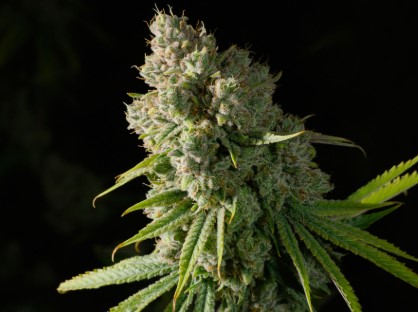
Aroma: Jupiter OG’s aroma is deeply pungent, with earthy and piney notes that dominate the scent profile. There are subtle undertones of citrus, fuel, and spice, which are classic markers of its OG Kush heritage. When the buds are broken apart, the diesel and skunky aromas become more pronounced, filling the room with a robust fragrance.
Flavor: The flavor of Jupiter OG mirrors its aroma, delivering a rich and earthy taste with hints of pine, spice, and a touch of lemon. The smoke is smooth yet heavy, often leaving a lingering woody aftertaste. Some users report a slight sweetness that balances out the strain’s pungent flavors.
THC and Cannabinoid Profile
Jupiter OG is known for its high THC content, which typically ranges between 18% and 26%, depending on cultivation practices. Its potent THC levels contribute to its intense psychoactive effects, making it unsuitable for users who are inexperienced or have a low threshold.
In addition to THC, Jupiter OG contains trace amounts of CBD (usually less than 1%) and other cannabinoids like CBG and CBN, which may enhance its therapeutic properties through the entourage effect.
Terpene Profile
The terpene profile of Jupiter OG plays a significant role in its aroma, flavor, and effects. This strain’s predominant terpenes are:
- Myrcene: Known for its earthy and musky aroma, myrcene is associated with sedative and relaxing effects. It contributes significantly to Jupiter OG’s couch-lock potential.
- Limonene: This citrus-scented terpene adds a hint of lemon to the strain’s flavor and provides uplifting and stress-relieving effects.
- Caryophyllene: With a spicy and peppery aroma, caryophyllene is a unique terpene that interacts with CB2 receptors, offering potential anti-inflammatory and pain-relieving benefits.
- Pinene: As the name suggests, pinene contributes a fresh pine aroma and may enhance focus and respiratory function.
Recreational Uses
Jupiter OG is a popular choice among recreational cannabis users seeking a deeply relaxing and euphoric experience. Its effects are characterized by a gradual onset that leads to a full-body high. The recreational benefits include:
- Relaxation and Stress Relief: The heavy indica effects of Jupiter OG make it ideal for unwinding after a long day. Users often report a sense of deep relaxation that can melt away stress and tension.
- Euphoria and Happiness: Despite its sedative nature, Jupiter OG provides a wave of euphoria that can uplift mood and enhance social interactions. This makes it suitable for small gatherings or quiet nights in.
- Creative Inspiration: In smaller doses, Jupiter OG may stimulate creativity and promote a more introspective and imaginative state of mind, though its sedative effects may overpower this in higher doses.
- Sleep Induction: As the high progresses, Jupiter OG’s sedative qualities take center stage, making it an excellent choice for individuals who want to relax deeply and drift off to sleep.
Medical Uses
Jupiter OG’s potent effects and robust cannabinoid-terpene profile make it highly effective for a variety of medical conditions. Common medical applications include:

- Chronic Pain Relief: The combination of THC and caryophyllene provides powerful analgesic effects, making Jupiter OG suitable for managing conditions like arthritis, migraines, and muscle spasms.
- Anxiety and Stress Disorders: The calming and euphoric effects of Jupiter OG can help alleviate symptoms of anxiety, PTSD, and chronic stress. However, users prone to THC-induced anxiety should approach with caution.
- Insomnia: Jupiter OG is highly effective for combating insomnia due to its sedative properties. Many medical users report improved sleep quality and duration after using this strain.
- Appetite Stimulation: This strain’s “munchies” effect can benefit individuals dealing with appetite loss caused by conditions like chemotherapy, HIV/AIDS, or eating disorders.
- Inflammation: The anti-inflammatory properties of caryophyllene and other cannabinoids make Jupiter OG useful for conditions involving inflammation, such as Crohn’s disease or fibromyalgia.
- Depression: The uplifting and euphoric effects of Jupiter OG may provide temporary relief from symptoms of depression, though its sedative nature means it’s best used in the evening.
Scientific Insights and Studies
Scientific studies on cannabis strains like Jupiter OG primarily focus on their cannabinoid and terpene profiles and how these compounds interact with the endocannabinoid system. While strain-specific research is limited, the components of Jupiter OG have been studied extensively:
- THC and Pain Relief: Numerous studies have shown that THC can effectively reduce chronic pain by interacting with CB1 receptors in the brain and nervous system. Jupiter OG’s high THC content makes it particularly effective for this purpose.
- Terpenes and the Entourage Effect: Research suggests that terpenes like myrcene, limonene, and caryophyllene work together with cannabinoids to improve their medicinal outcomes. This phenomenon, known as the entourage effect, is likely responsible for Jupiter OG’s potent medical benefits.
- Sedative Properties of Myrcene: A study published in the journal Phytomedicine highlighted myrcene’s ability to induce muscle relaxation and sedation, supporting its role in Jupiter OG’s effects.
- Caryophyllene and Inflammation: As a unique terpene that directly activates CB2 receptors, caryophyllene has been studied for its anti-inflammatory and analgesic properties. This adds to Jupiter OG’s value for pain and inflammation relief.
- Cannabis and Mental Health: Research published in Frontiers in Psychiatry indicates that cannabis strains with balanced terpene profiles, like Jupiter OG, may offer relief for conditions such as anxiety and PTSD when used responsibly.
Growing Jupiter OG
For cultivators, Jupiter OG presents some challenges but offers high rewards. Here are the key aspects of growing this strain:
- Temperature and Humidity:
- Vegetative Stage: Jupiter OG thrives in temperatures between 70-85\u00b0F (21-29\u00b0C) during the day and slightly cooler nights (65-70\u00b0F or 18-21\u00b0C).
- Flowering Stage: Lower temperatures are ideal, ranging from 65-80\u00b0F (18-27\u00b0C), with reduced humidity to prevent mold or mildew. Keep relative humidity (RH) between 40-50% during flowering.
- Use climate-control systems in indoor grows to maintain consistency.
- Lighting:
- Jupiter OG requires high-intensity lighting during both growth stages. Optimal options include LED lights, which offer precise spectrum control, energy efficiency, and reduced heat output.
- Recommended lighting schedule:
- Vegetative Stage: 18 hours of light and 6 hours of darkness.
- Flowering Stage: Switch to a 12-hour light and 12-hour dark cycle to stimulate flowering.
- Soil vs. Hydroponics:
- Soil Cultivation: Rich, organic soil with a balanced pH of 6.0-6.5 provides a natural terpene boost, enhancing the strain’s flavor profile.
- Hydroponics: Offers precise nutrient delivery and faster growth. Use a pH range of 5.5-6.0 and monitor electrical conductivity (EC) to ensure proper nutrient absorption.
Nutrient Management
- Macronutrients (NPK Ratios):
- Nitrogen (N): High levels during the vegetative stage to promote lush foliage.
- Phosphorus (P): Increased levels during flowering to support bud development.
- Potassium (K): Essential for overall plant health and resistance to stress.
- Example: Use a nutrient formula like 3-1-2 during veg and 1-3-4 during flowering.
- Micronutrients:
- Magnesium, calcium, and iron are vital for healthy chlorophyll production and enzyme function.
- Supplement with cal-mag products, especially when using reverse osmosis (RO) water or growing in coco coir.
- Organic vs. Synthetic Nutrients:
- Organic nutrients like compost teas and bat guano enhance the strain terpene and cannabinoid profile.
- Synthetic nutrients provide faster nutrient availability and are easier to fine-tune, especially in hydroponic systems.
- Feeding Schedule:
- Gradual increases in nutrient concentrations reduce the risk of nutrient burn.
- Use EC or TDS meters to measure nutrient levels, ensuring they align with the plant’s growth stage.
Pruning and Training Techniques
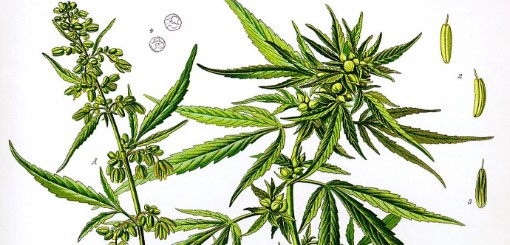
- Topping and Fimming:
- Topping involves cutting the main stem to encourage bushier growth and multiple colas, increasing overall yield.
- Fimming (“Fuck I Missed”) trims the tip of new growth to achieve a similar effect with slightly less stress on the plant.
- Low-Stress Training (LST):
- Bending and tying down branches to create an even canopy ensures optimal light distribution and airflow.
- Jupiter OG responds well to LST, enhancing its yield potential without overstressing the plant.
- Defoliation:
- Strategic removal of fan leaves improves airflow and light penetration, particularly in the flowering stage.
- Screen of Green (ScrOG):
- Use a trellis net to train plants horizontally, maximizing the number of flowering sites.
Watering Practices
- Water Quality:
- Use filtered or reverse osmosis (RO) water to avoid contaminants like chlorine or heavy metals.
- Maintain water pH within the optimal range based on the growing medium:
- Soil: 6.0-6.5
- Hydroponics: 5.5-6.0
- Watering Schedule:
- Overwatering is a common issue; allow the top 1-2 inches of soil to dry before watering.
- In hydroponics, ensure continuous oxygenation of water with air stones to prevent root rot.
- Drip Irrigation Systems:
- For precise and automated watering, consider drip irrigation, which delivers water directly to the root zone.
Pest and Disease Management
- Common Pests:
- Spider Mites: Use predatory mites (e.g., Phytoseiulus persimilis) or organic miticides like neem oil.
- Aphids: Introduce ladybugs or spray with insecticidal soap.
- Fungus Gnats: Keep the soil dry and use yellow sticky traps or Bacillus thuringiensis (Bt) for biological control.
- Mold and Mildew Prevention:
- Maintain proper airflow with oscillating fans and ensure humidity levels do not exceed 50% during flowering.
- Use fungicides like potassium bicarbonate or sulfur sprays as preventive measures.
- Integrated Pest Management (IPM):
- Combine biological, cultural, and chemical controls for holistic pest prevention.
- Check plants frequently for early indications of disease or pests.
Harvesting and Post-Harvest Processing
- Harvest Timing:
- Use a jeweler loupe to monitor trichome color:
- Clear trichomes: Immature.
- Cloudy trichomes: Peak potency.
- Amber trichomes: Sedative effects increase.
- Harvest Jupiter OG when trichomes are primarily cloudy with a slight mix of amber for optimal effects.
- Use a jeweler loupe to monitor trichome color:
- Drying and Curing:
- Hang buds upside down in a dark, ventilated room with a temperature of 60-70\u00b0F (15-21\u00b0C) and RH of 45-55%.
- Cure buds in glass jars, burping them daily for the first 1-2 weeks to release moisture and preserve terpenes.
- Trichome Preservation:
- Handle buds minimally to avoid damaging trichomes.
- Use low-light conditions during trimming and storage to prevent cannabinoid degradation.
Potential Side Effects
Like any cannabis strain, Jupiter OG may cause side effects, especially when consumed in high doses. Common side effects include:
- Dry Mouth and Eyes: Users often report a cottonmouth sensation and red, dry eyes after using Jupiter OG. Staying hydrated and using eye drops can alleviate these symptoms.
- Dizziness: The high THC content may cause dizziness or lightheadedness, particularly in novice users.
- Paranoia and Anxiety: Some individuals may experience heightened anxiety or paranoia, especially if they are THC-sensitive or overindulgent users.
- Couch Lock: The sedative effects of Jupiter OG can lead to extreme relaxation or even immobility, making it best suited for evening or nighttime use.
Conclusion
Jupiter OG is a powerful and versatile cannabis strain that offers a range of benefits for both recreational and medical users. Its high THC content, rich terpene profile, and potent effects make it a standout member of the OG Kush lineage. Whether you’re seeking relief from chronic pain, stress, and insomnia or simply looking to unwind and enjoy a euphoric experience, Jupiter OG delivers on all fronts.
However, due to its potency, this strain is best suited for experienced users and those with a high THC tolerance. As with any cannabis strain, responsible consumption is key to maximizing its benefits while minimizing potential side effects. With proper care and respect, Jupiter OG can provide a stellar cannabis experience worthy of its celestial namesake.
For a complete directory of cultivars, visit our Cannabis Strain Reviews.
