Table of Contents
The Jungle Juice cannabis strain is a potent hybrid with a rich lineage and a captivating profile. Known for its sweet and fruity aroma with hints of earthiness, Jungle Juice offers a unique combination of therapeutic and recreational effects. It has become a popular choice for consumers seeking a balanced experience, blending relaxation with a burst of creativity. This guide will delve into the details of Jungle Juice, examining its genetic makeup, effects, and both medical and recreational uses, as well as providing scientific insight into its properties.
1. Overview of Jungle Juice Cannabis Strain
Jungle Juice is a hybrid cannabis strain, typically created by crossing Grape Ape with Mendo Purps, two well-known cannabis strains in the industry. Its name suggests a fun, wild experience, which is reflected in its effects that leave users feeling relaxed and uplifted.
The strain often contains moderate to high THC levels, ranging from 18% to 26%, with CBD levels generally hovering below 1%. This makes Jungle Juice ideal for those looking for a strong psychoactive effect without a heavy sedation.
Appearance: Jungle Juice plants often have dense, dark green buds that are coated in a coating of trichomes, which makes them appear icy. The buds are typically medium-sized and have bright orange pistils running through them.
Aroma & Flavor: The scent of Jungle Juice is a mixture of sweet, fruity, and earthy notes, with hints of grape, citrus, and pine. When smoked or vaped, it offers a similarly sweet flavor, with a smooth, fruity taste that lingers on the palate.
2. Genetic Background of Jungle Juice
Jungle Juice is a hybrid strain that is commonly classified as indica-dominant, though the exact genetic makeup can vary slightly depending on the breeder. Here’s a breakdown of its genetic lineage:
- Grape Ape: Known for its calming and euphoric effects, Grape Ape is a cross between Afghan and Mendo Purps. It’s widely loved for its potent effects and its ability to relieve stress and pain.
- Mendo Purps: Originating from Mendocino County in California, Mendo Purps is renowned for its sweet, earthy flavor and heavy sedative effects. It’s frequently used for its ability to relieve insomnia and anxiety.
By combining these two strains, Jungle Juice inherits a blend of uplifting, euphoric qualities from Grape Ape and relaxing, pain-relieving effects from Mendo Purps. This hybrid structure makes Jungle Juice a versatile strain suitable for various use cases.
3. Recreational Uses of Jungle Juice
Jungle Juice is a popular choice in the recreational cannabis community, offering a combination of effects that appeal to a wide range of users. Here’s how Jungle Juice fits into recreational use:

a. Euphoria and Relaxation
Upon consumption, users typically experience an immediate feeling of euphoria, accompanied by a sense of relaxation. The strain’s effects start with a cerebral high, stimulating creative thinking and lightening the mood, which is often beneficial for social interactions.
As the high continues, the relaxing indica genetics take hold, leading to a calm and soothing body high that alleviates tension and promotes overall comfort. This makes Jungle Juice ideal for unwinding after a long day or for use in social situations where unwinding is essential.
b. Increased Creativity
The euphoric cerebral effects of Jungle Juice have been reported to enhance creativity, making it a popular choice among artists, musicians, and those engaging in creative hobbies. The burst of mental clarity often leads to more focused thinking, allowing users to explore new ideas and express themselves more freely.
c. Enhanced Enjoyment of Activities
The balanced effects of Jungle Juice make it ideal for recreational activities. Whether you’re watching a movie, listening to music, or engaging in a creative endeavor, this strain provides an enhanced sensory experience, making everything feel more vivid and immersive.
d. Socializing
Thanks to its uplifting and mood-enhancing qualities, Jungle Juice is a great strain for social events. Users often report feeling talkative, happy, and more engaged with others. It helps break social barriers and can be a fantastic addition to group activities.
4. Medical Uses of Jungle Juice
a. Stress and Anxiety Relief
One of the most prominent medicinal uses of Jungle Juice is for the treatment of stress and anxiety. The euphoric and relaxing effects can help quiet racing thoughts and alleviate mental tension. Patients with generalized anxiety disorder (GAD), social anxiety, and stress-related conditions may find comfort in Jungle Juice’s calming effects.
The strain’s hybrid nature ensures that it doesn’t induce a sedative effect too quickly, which can help patients remain functional throughout the day, while still providing the relief they need from anxiety.
b. Chronic Pain Management
Thanks to its powerful indica effects, Jungle Juice is beneficial for individuals suffering from chronic pain conditions. Whether it’s pain caused by arthritis, fibromyalgia, muscle spasms, or injury, Jungle Juice’s body-numbing qualities can provide significant relief. The analgesic properties of the strain help ease physical discomfort without causing overwhelming sedation, making it useful for daytime pain management.
c. Mood Disorders
Individuals dealing with depression and other mood disorders may find Jungle Juice helpful in uplifting their spirits. The euphoric, uplifting effects work to combat feelings of sadness or low energy, providing a temporary mental boost. This makes it suitable for those experiencing periods of depression or emotional distress, as the strain can help enhance mood and alleviate the emotional burden.
d. Appetite Stimulation
Jungle Juice has been reported to induce the munchies, which makes it an excellent choice for individuals dealing with lack of appetite or eating disorders. Whether caused by medical treatments like chemotherapy or conditions such as anorexia, the strain’s appetite-stimulating properties can help individuals regain a healthy relationship with food.
e. Insomnia and Sleep Disorders
While Jungle Juice is not the most sedative strain, it still has significant benefits for individuals with insomnia or trouble sleeping. The calming, body-relaxing effects of Jungle Juice can help ease users into a peaceful slumber. By relieving stress and physical discomfort, it helps promote restfulness, making it a solid choice for those with mild to moderate sleep issues.
5. Scientific Insights into Jungle Juice
a. Terpenes and Their Effects
Like all cannabis strains, Jungle Juice contains a variety of terpenes, which contribute to both its aroma and its therapeutic effects. Common terpenes found in Jungle Juice include:
- Myrcene: Known for its earthy and musky scent, myrcene is a relaxing terpene that helps promote sleep and alleviate pain.
- Limonene: This citrus-scented terpene offers mood-enhancing properties and is commonly used for its potential to reduce anxiety and stress.
- Pinene: As the name implies, pinene smells like pine and is well-known for its anti-inflammatory effects. It also promotes mental clarity and alertness.
These terpenes work synergistically with the strain’s cannabinoids to provide a well-rounded therapeutic experience. Together, they contribute to Jungle Juice’s relaxing yet uplifting effects.
b. Cannabinoid Profile
The primary cannabinoid in Jungle Juice is THC, which is responsible for the strain’s psychoactive effects. THC binds to the CB1 receptors in the brain, resulting in the characteristic euphoric high. While the strain may have modest levels of CBD, its impact is less pronounced, but CBD may still play a role in balancing the effects of THC and promoting relaxation without overwhelming sedation.
c. Endocannabinoid System Interaction
The human body contains an endocannabinoid system (ECS), which regulates various physiological functions such as mood, pain, appetite, and sleep. Cannabis compounds like THC and CBD interact with the ECS to help restore balance and alleviate symptoms of various conditions.
- The central nervous system and brain contain the majority of CB1 receptors. They are responsible for many of the euphoric and psychoactive effects of THC.
- CB2 receptors are found in the immune system and peripheral tissues, and they are involved in the modulation of inflammation and immune response.
The cultivation of cannabis, including specific strains like Jungle Juice, or other varieties, requires careful attention to various factors that impact plant growth, potency, and overall yield. Cultivation practices can be broken down into several components: genetics, environment, cultivation techniques, and plant care. Below is a detailed scientific explanation of how Jungle Juice and similar strains are cultivated, focusing on these components.
Genetics of Jungle Juice
Jungle Juice, a hybrid strain with prominent Diesel-like characteristics, is known for its high potency, strong aromas, and complex terpene profile. It has a high concentration of terpenes such as myrcene, limonene, and caryophyllene. The strain was bred from two potent parents: Highwayman and OG Kush (or sometimes, Sour Diesel). The genetics determine how the plants will grow and how they will react to different environmental factors.
Environmental Factors and Growth Conditions
Indoor Cultivation:
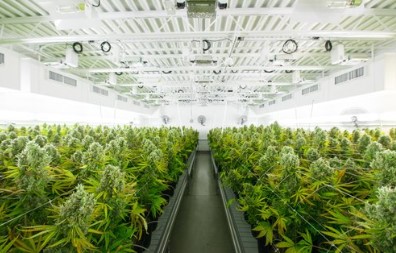
- Lighting: Indoor cultivation of Jungle Juice (like other cannabis strains) often utilizes high-intensity discharge (HID) lights such as Metal Halide (MH) and High-Pressure Sodium (HPS) bulbs. More recently, LED grow lights have become popular due to their energy efficiency and ability to tailor light spectra to different growth stages. The photoperiod for Jungle Juice is typically 12/12 hours (light/dark) for flowering.
- Temperature and Humidity: Jungle Juice thrives in temperatures between 70-85°F (21-29°C). During flowering, slightly lower temperatures are beneficial for enhancing terpene production. The humidity should be controlled, typically around 40-60% relative humidity during the vegetative stage and reduced to 40-50% during flowering to prevent mold and mildew.
- Ventilation and Air Circulation: Proper airflow and ventilation are critical to prevent stagnant air, which can lead to mold and other growth problems. Systems like inline fans and carbon filters are commonly used to maintain airflow and control odors.
- Nutrients: During the vegetative stage, Jungle Juice will need a nutrient mix rich in nitrogen (N) to promote healthy foliage growth. In the flowering phase, the strain requires nutrients with higher phosphorus (P) and potassium (K) to promote bud development. Organic fertilizers like worm castings, compost, and kelp extract are often used, but hydroponic systems may require specific nutrient solutions.
Outdoor Cultivation:
- Soil Quality: When growing Jungle Juice outdoors, it’s important to select nutrient-rich, well-draining soil. The ideal pH for cannabis is around 6.0-7.0, slightly acidic. Adding organic compost and perlite can improve drainage and soil aeration.
- Space and Support: Jungle Juice plants can grow quite large, especially outdoors, reaching up to 6-8 feet tall in some cases. They will require adequate spacing (around 4-6 feet between each plant) to allow air circulation and prevent overcrowding. Some cultivators use trellises or plant supports to help maintain plant structure, especially when flowering begins, as the buds can become heavy.
Cultivation Techniques
Training and Pruning:
- Topping: One of the most common methods for controlling the size of cannabis plants and promoting multiple bud sites. By cutting off the top growth at the right time, the plant is forced to produce new growth from the remaining lower branches, leading to a bushier structure. Topping is often done during the early vegetative stage when the plant is around 4-6 inches tall.
- Low-Stress Training (LST): This technique involves gently bending and securing the branches of the plant in different directions to maximize light exposure to lower buds. LST encourages horizontal growth, leading to more flower sites.
- Defoliation: In the latter stages of the vegetative phase or early flowering, cultivators may remove excess fan leaves that block light from lower branches. This method encourages better airflow and more efficient photosynthesis in the lower parts of the plant.
Hydroponics vs. Soil:
- Hydroponics: Growing Jungle Juice hydroponically allows for precise control over nutrients and pH levels, making it easier to optimize growth conditions. Systems like Deep Water Culture (DWC) or Nutrient Film Technique (NFT) are used instead of using dirt, grow plants in nutrient-rich water.
- Soil-based: Soil-grown Jungle Juice plants typically require more attention to soil pH, drainage, and nutrient content. The soil retains moisture longer, making it easier to maintain a stable growing environment without constant monitoring.
Flowering and Harvesting
Flowering Time:
Jungle Juice typically has a flowering time of around 8-9 weeks. The buds are dense and coated with a thick layer of resin, which contains the cannabinoids (THC, CBD) and terpenes that provide the strain’s effects and aroma. The plants can stretch significantly during the initial weeks of flowering, so understanding the genetics is crucial to managing plant height and space.
Trichomes and Harvesting:
- Trichomes: Jungle Juice’s buds are rich in trichomes, the small, glandular structures that produce and store cannabinoids and terpenes. Cultivators often use a magnifying tool like a jewelers loop or microscope to check the trichomes. Trichomes should be cloudy with some amber coloration, indicating the peak THC content.
- Harvesting: Harvesting should occur when the trichomes have matured, and the pistils (hairs) of the flowers have darkened. Waiting too long can result in decreased potency, while harvesting too early might lead to overripe, less potent buds.
Drying and Curing
- Drying: The buds should be hung upside down in a cool, dark, and well-ventilated room with low humidity (around 45-55%). Drying typically takes 7-14 days, depending on environmental conditions. If dried too quickly, the buds can become harsh and lose flavor.
- Curing: After drying, the buds should be placed in airtight jars and opened regularly to let moisture escape and prevent mold. Curing can take 2-4 weeks and improves the quality of the buds by allowing the chlorophyll to break down and boosting the terpene profile.
Challenges in Cultivation
- Pests: Aphids, spider mites, and caterpillars can damage cannabis plants, so regular inspection and the use of organic pesticides or beneficial insects (like ladybugs) can be effective.
- Mold and Mildew: Due to its dense buds, Jungle Juice is prone to mold in humid conditions. Proper airflow and humidity control are crucial to preventing these issues.
- Nutrient Deficiencies: Symptoms of nutrient deficiencies (yellowing leaves, curled leaves, or stunted growth) should be monitored regularly. Adjusting pH and nutrient levels helps correct these problems.
6. Side Effects of Jungle Juice
- Dry Mouth: Known as “cottonmouth,” this is a common side effect when using cannabis. It can be alleviated by drinking water before, during, and after consumption.
- Dry Eyes: Similarly, dry eyes can occur, especially with higher THC strains. Artificial tears can provide relief.
- Paranoia: High doses of THC may cause paranoia or anxiety in some users, particularly those who are inexperienced with cannabis or have a sensitivity to THC.
- Dizziness: Some individuals may experience dizziness or light-headedness, particularly if they are new to cannabis or consume too much at once.
Conclusion
Jungle Juice is a versatile cannabis strain with a well-balanced combination of relaxing and uplifting effects. Whether used recreationally for relaxation, creativity, or socialization, or medicinally for anxiety, pain, and sleep disorders, Jungle Juice provides a broad spectrum of benefits. Its rich terpene profile, moderate to high THC content, and hybrid genetics make it an excellent choice for a variety of cannabis users. However, as with any cannabis strain, it’s important to start with a low dose and adjust based on personal tolerance to avoid unwanted side effects.
For a complete directory of cultivars, visit our Cannabis Strain Reviews.
