Table of Contents
Josh D OG is a hybrid cannabis strain that has earned a reputation for its high potency and complex effects. Known for its distinct aroma, powerful effects, and medicinal benefits, this strain has become a popular choice among cannabis enthusiasts. It is widely used for both recreational and medicinal purposes.
Josh D OG is believed to be a descendant of the famous OG Kush, a well-known strain that has played a pivotal role in the development of many popular cannabis varieties. The “Josh D” in the name is a reference to the breeder of this strain, Josh D, who is highly regarded within the cannabis industry. His work with the OG Kush family resulted in the creation of a strain that balances the powerful effects of its parent strains with a unique twist.
Genetic Makeup
Parentage
Josh D OG is primarily an Indica-dominant hybrid. Its genetics trace back to OG Kush, which is a cross of Chemdawg, Lemon Thai, and Pakistani Kush. The exact lineage of Josh D OG remains somewhat elusive, with speculation that it may also include other OG varieties, further enriching its genetic profile. This combination leads to the strain’s characteristic potency, aroma, and flavor profile.
- Indica-Dominant Hybrid: Typically, Josh D OG has an Indica to Sativa ratio of approximately 70:30. This balance gives the strain its distinct relaxing yet mildly uplifting effects.
Terpene Profile
Josh D OG is known for its unique terpene profile, contributing to its aroma and flavor. Terpenes are organic compounds found in cannabis that provide distinctive scents and have therapeutic effects.
- Myrcene: This is the most abundant terpene in Josh D OG. Myrcene contributes to the earthy, musky scent, and is also known for its sedative effects. It may enhance the relaxing effects of the strain.
- Limonene: Another common terpene found in Josh D OG is limonene, which imparts a citrusy scent and is associated with mood-enhancing and anti-anxiety properties.
- Caryophyllene: A spicy, peppery terpene that is believed to have anti-inflammatory properties. It also interacts with the body’s CB2 receptors, which could make Josh D OG useful for managing pain and inflammation.
- Pinene: A terpene responsible for the scent of pine, Pinene may also contribute to enhanced memory and cognitive function.
Together, these terpenes create a distinctive aroma that is earthy with hints of pine and citrus, while the flavor is typically described as a mix of earthy, lemony, and spicy tones.
Appearance
Josh D OG flowers tend to be dense, large, and have a bright, lime-green color with tinges of purple in certain phenotypes. A thick layer of trichomes frequently covers the buds, and these are in charge of the strain’s potency. Its pistils (the hair-like structures) are typically orange or brown, adding to the visual appeal. The leaves of the plant are broad and slightly leathery in texture.
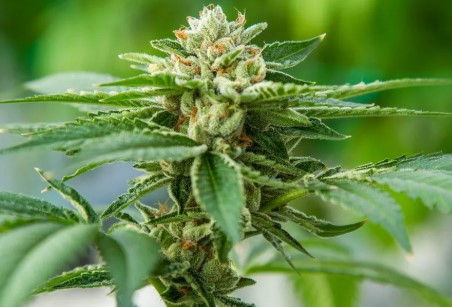
The buds have a compact, dense structure that is characteristic of many OG varieties, often making them a bit difficult to break apart by hand.
THC and CBD Content
Josh D OG is a high-THC strain, often testing in the range of 20%–28% THC, with some reports indicating even higher levels. The strain’s potent effects are a result of its high THC content.

- THC: 20%–28%
- CBD: Below 1% (generally low)
The low CBD content means that Josh D OG is primarily useful for those seeking potent psychoactive effects. Its high THC concentration can offer users a powerful experience but also means that it may not be the best choice for beginners or those with low tolerance.
Effects and Experience
Josh D OG is a potent strain that provides a unique combination of effects, which make it popular for both recreational and medical use. Its effects can be described as a blend of relaxation, euphoria, and mild cerebral stimulation. The high THC content makes this strain quite powerful, and users should approach it with caution if they are not accustomed to strong cannabis strains.
Recreational Effects
- Relaxation: One of the primary effects of Josh D OG is deep physical relaxation. The strain’s Indica dominance helps ease tension in the body, making it a great choice for those seeking a chill, calming experience.
- Euphoria: Many users report feeling a sense of euphoria and upliftment, which can lead to increased creativity, introspection, and overall mental clarity. The high is not overwhelming, and users often find themselves in a state of comfort and happiness.
- Cerebral Stimulation: Although primarily relaxing, Josh D OG offers a mild cerebral effect that can help users feel uplifted, social, and engaged with their surroundings. Some users may experience a mild “head high,” making it ideal for socializing in the right setting.
- Sedation: As the high progresses, the sedative effects become more pronounced, making it a good strain for unwinding at the end of the day or before sleep. This makes it particularly beneficial for evening use.
Medicinal Effects
Josh D OG is popular among medical cannabis users due to its wide array of therapeutic properties. The high THC content can provide quick and potent relief from a variety of conditions. Some of the medical benefits reported by users include:
- Pain Relief: The combination of THC and caryophyllene, which has anti-inflammatory properties, makes Josh D OG effective for managing chronic pain. It can be beneficial for conditions like arthritis, migraines, and muscle spasms.
- Stress and Anxiety Relief: The calming and euphoric effects of Josh D OG can help alleviate symptoms of anxiety, stress, and depression. The mood-lifting properties of limonene, paired with myrcene’s sedative qualities, contribute to this effect.
- Insomnia: The strain’s relaxing and sedative effects make it a popular choice for those suffering from insomnia or other sleep disorders. It can help induce a restful night’s sleep by calming both the body and mind.
- Appetite Stimulation: Like many cannabis strains, Josh D OG can stimulate appetite, making it helpful for those dealing with appetite loss, whether from medical treatments like chemotherapy or conditions like anorexia.
- Muscle Relaxation: For those with muscle spasms or stiffness, Josh D OG’s relaxing effects can offer relief, allowing users to feel more physically comfortable.
Potential Side Effects
Despite its many benefits, Josh D OG can cause some adverse side effects, particularly in users who are not accustomed to high-THC strains. Some of the potential side effects include:
- Dry Mouth (Cottonmouth): This is a common side effect of many cannabis strains, including Josh D OG. This symptom can be lessened by drinking plenty of water.
- Dry Eyes: Users may experience dry eyes, which can be alleviated with over-the-counter eye drops.
- Dizziness or Paranoia: Due to its high THC content, some users may experience dizziness, lightheadedness, or feelings of paranoia, particularly if consumed in large quantities. Beginners or those with low tolerance should be cautious.
- Couch-Lock: The sedative effects of Josh D OG can lead to couch-lock, where users may feel too relaxed or sluggish to move. While this can be desirable for evening use, it may not be ideal for daytime activities.
Cultivation
The cultivation of Jet Fuel, also known as Jet Fuel OG, is a process that requires a combination of careful monitoring, an understanding of the plant’s needs, and a controlled setting to guarantee it realizes its maximum potential. This strain is known for its potent effects and fuel-like aroma, which makes it quite popular in both recreational and medical cannabis communities. Below is a comprehensive breakdown of the scientific aspects of cultivating Jet Fuel.
1. Genetics and Background
Jet Fuel OG is a hybrid cannabis strain with roots in OG Kush, High Country Diesel, and possibly other varieties. It tends to inherit traits from both its indica and sativa parentage, making it a multipurpose plant that grows well in a range of conditions. Understanding the genetic background helps cultivators anticipate growth patterns, such as plant size, flowering time, and ideal growing conditions.
2. Environmental Conditions
Climate and Temperature
Jet Fuel OG, like many cannabis strains, thrives in temperate climates with ample sunlight. The ideal temperature range is between 65°F and 80°F (18°C to 27°C), with a slight dip in temperature at night to encourage optimal growth.
- During the vegetative phase, warmer temperatures are preferred (around 75°F-80°F), while cooler nighttime temperatures help to enhance the formation of trichomes, which contribute to the plant’s aromatic qualities.
- In the flowering phase, maintaining temperatures at 65°F to 75°F can improve bud development and prevent the risk of mold or mildew, especially in dense buds like those of Jet Fuel OG.
Humidity
Jet Fuel OG thrives at 40% to 60% humidity levels. During the vegetative stage, the humidity can be kept on the higher end, but once the flowering phase begins, lowering the humidity helps to prevent mold or mildew, particularly in dense bud structures. Humidity levels should be reduced to 40%-50% in the last few weeks of flowering.
Light
Jet Fuel OG requires significant light to grow efficiently, making it ideal for cultivation in areas with abundant natural sunlight or under high-intensity grow lights in indoor settings. This strain typically requires about 18-24 hours of light per day in the vegetative phase, which can be reduced to 12-14 hours during the flowering phase to encourage bud development.
- Indoors: High-quality LED or HPS (high-pressure sodium) lights are commonly used. The distance between the light source and the plant is crucial to avoid burning the leaves or stunting growth.
- Outdoors: Jet Fuel OG thrives in full sun, so growers should aim for direct exposure to sunlight for most of the day.
3. Soil and Medium
Soil
Jet Fuel OG can be cultivated in standard soil, though it benefits from high-quality, well-draining organic soil rich in nutrients. Loamy soils are ideal, as they retain enough moisture without becoming waterlogged.
- Soil pH should be between 6.0 and 7.0, as this range ensures that the plant can absorb essential nutrients without the risk of toxicity or deficiencies.
- It’s also important to have good drainage to avoid root rot, as Jet Fuel OG plants develop a substantial root system that requires ample space and oxygenation.

Hydroponics
Some cultivators opt for hydroponic growing methods, where Jet Fuel OG can thrive in nutrient-rich water solutions. Hydroponic systems can speed up growth and improve yields since the plant’s roots have direct access to all the nutrients it needs. Common hydroponic systems include:
- Deep Water Culture (DWC): In DWC, roots are suspended in a nutrient-rich solution, allowing the plant to directly absorb nutrients from the water.
- Nutrient Film Technique (NFT): This technique involves a thin film of water running over the plant roots in channels, ensuring constant nutrient supply.
Hydroponic systems tend to offer higher yields but require more attention and expertise in maintaining nutrient levels, water pH, and overall system cleanliness.
4. Nutrients and Feeding Schedule
Jet Fuel OG requires a consistent supply of essential nutrients throughout its growth cycle, which includes macronutrients (nitrogen, phosphorus, potassium) and micronutrients (calcium, magnesium, sulfur, iron, etc.). The specific needs of the plant change between the vegetative and flowering phases.
Vegetative Stage:
- Nitrogen (N): Nitrogen is crucial in the early stages for robust vegetative growth. During the vegetative phase, higher nitrogen levels are beneficial for leaf and stem development.
- Phosphorus (P): A moderate level of phosphorus helps with root development.
- Potassium (K): Potassium supports overall plant health and resistance to stress.
Flowering Stage:
- Low Nitrogen: As the plant enters flowering, it requires less nitrogen, as too much can lead to excessive foliage growth at the expense of bud development.
- Higher Phosphorus and Potassium: During flowering, Jet Fuel OG requires higher levels of phosphorus and potassium to support the development of buds, trichomes, and the resin production that gives the plant its aroma and potency.
A well-balanced nutrient schedule is crucial. Overfeeding or underfeeding can lead to nutrient imbalances, which can manifest in various ways, such as yellowing leaves (nitrogen deficiency) or burnt tips (nutrient overload).
5. Pruning and Training Techniques
Jet Fuel OG can benefit from specific pruning and training techniques that enhance yields and bud quality:
Low-Stress Training (LST)
LST involves gently bending and securing the plant’s branches to promote an even canopy. This allows more light to reach the lower branches and encourages more even bud development.
Topping
Topping involves cutting off the main stem at a specific node to encourage the growth of multiple colas (main flowering stems). This helps increase the overall yield by promoting lateral growth.
Defoliation
Defoliation is the process of removing excess leaves that may be shading bud sites. Removing some of the larger fan leaves in the lower part of the plant helps the plant focus energy on the buds, improving light penetration and airflow.
Screen of Green (SCROG)
SCROG involves placing a screen above the plant to train the branches horizontally, creating an even canopy. This technique increases light exposure for lower bud sites, maximizing yields.
Flowering Time and Harvesting
Jet Fuel OG has a flowering period of 9 to 10 weeks. During the last few weeks of flowering, growers should carefully monitor the trichomes, which provide an indication of the plant’s readiness for harvest.
- Trichome Color: Trichomes will transition from clear to cloudy and then amber. For peak potency, cultivators typically harvest when the trichomes are mostly cloudy with a few amber ones. This indicates the highest concentration of THC.
- Bud Density: Buds should also be dense and swollen, and the plant’s pistils (the hairs on the buds) should turn from white to orange or red, further signaling that the plant is ready for harvest.
Pest and Disease Management
As with any cannabis plant, Jet Fuel OG is susceptible to pests and diseases that can harm yield and quality. Cultivators need to be vigilant to avoid infestations and mold.
- Spider Mites, Aphids, and Whiteflies: These pests are common in cannabis cultivation, and growers should check the plants frequently for indications of infestation. Organic pesticides or natural predators like ladybugs can be used.
- Powdery Mildew and Bud Rot: These diseases are prevalent in high-humidity environments. Regular pruning, good airflow, and controlled humidity are key to preventing these issues.
Post-Harvest Processing
After harvesting Jet Fuel OG, the buds should be carefully trimmed and dried. The drying process typically takes 7 to 10 days, during which the buds should be hung in a dark, cool, and well-ventilated area to maintain terpene profiles and prevent mold.
Once dried, the buds should undergo a curing process in sealed jars to enhance flavor, potency, and aroma. During the curing process, the jars should be opened occasionally to allow fresh air in and prevent moisture buildup.
Conclusion
Josh D OG is a potent and versatile cannabis strain with a wide range of effects that can be enjoyed both recreationally and medicinally. Its high THC content and unique terpene profile make it a favorite among seasoned cannabis users. Whether you’re seeking relief from chronic pain, anxiety, or insomnia, or simply want to relax after a long day, Josh D OG is a strain worth exploring. Its combination of relaxation, euphoria, and mild cerebral stimulation offers a balanced experience that appeals to a variety of users.
However, due to its high potency, beginners should approach Josh D OG with caution. For those with a higher tolerance or more experience, this strain can provide a deeply enjoyable and therapeutic experience.
For a complete directory of cultivars, visit our Cannabis Strain Reviews.
