Table of Contents
Jillybean is a well-balanced hybrid cannabis strain with a slight Sativa dominance. Known for its fruity aroma, uplifting effects, and therapeutic properties, Jillybean has gained popularity among both medical and recreational users. This document provides a detailed examination of the Jillybean strain, including its genetic background, terpene profile, cannabinoid content, effects, medical applications, and cultivation insights.
Genetic Background and Origin
Jillybean is a hybrid strain created by TGA Subcool Seeds, a breeder renowned for crafting flavorful and potent cannabis strains. It is a cross between:
- Orange Velvet (Indica-dominant hybrid) – known for its citrusy, creamy flavor and relaxing effects.
- Space Queen (Sativa-dominant hybrid) – recognized for its cerebral stimulation and euphoric effects.
This genetic combination results in a strain that provides an uplifting high with a unique balance of relaxation and creativity.
Appearance, Aroma, and Flavor Profile
Appearance
- Medium to large buds with dense, popcorn-like structure.
- Vibrant green leaves with orange pistils.
- A moderate coating of trichomes that gives the buds a slightly sticky texture.
Aroma
Jillybean has a distinctive fruity aroma, often described as a mix of tangerine, mango, and citrus candy. Some users also report subtle earthy and floral undertones.
Flavor
- A sweet, tangy taste reminiscent of jellybeans and oranges.
- Smooth smoke with a creamy, slightly spicy aftertaste.
- Well-balanced flavor profile makes it appealing to a wide range of users.
Cannabinoid and Terpene Profile
Cannabinoid Content
The exact cannabinoid content of Jillybean varies depending on cultivation and curing processes. However, typical values include:
- THC: 15-18% (sometimes up to 20%)
- CBD: Less than 1%
- CBG: 0.5-1%
- THCV, CBC, and minor cannabinoids: Trace amounts
Terpene Profile
Jillybean’s unique aroma and effects stem from its terpene composition. The most dominant terpenes include:
- Myrcene – Promotes relaxation and sedative effects.
- Limonene – Contributes to its citrus scent and uplifting mood-enhancing properties.
- Pinene – Enhances alertness and counteracts sedation.
- Caryophyllene – Has analgesic and anti-inflammatory properties.
- Humulene – May aid in appetite suppression and antibacterial properties.
Effects and User Experience
Recreational Effects
Jillybean is often described as a “feel-good” strain that provides an uplifting, social, and euphoric experience. Common recreational effects include:
- Euphoria: Users report an initial wave of happiness and positivity.
- Increased creativity: Many consumers find that Jillybean enhances artistic and creative endeavors.
- Mild energy boost: A great strain for daytime use, avoiding extreme sedation.
- Relaxation without sedation: Provides a light body relaxation without couch-lock.
- Enhanced social interactions: Ideal for social gatherings due to its talkative and friendly effects.
Medical Applications
Jillybean offers a range of therapeutic benefits, making it suitable for medical cannabis users. Among its primary medical applications are:
Psychological Benefits
- Anxiety and Stress Relief: The uplifting effects of Jillybean make it an excellent option for managing anxiety, depression, and chronic stress.
- Mood Enhancement: Helps alleviate symptoms of mild to moderate depression by boosting serotonin and dopamine levels.
Pain Management
- Chronic Pain Relief: The presence of caryophyllene and myrcene contributes to its analgesic properties.
- Migraine and Headache Relief: Helps to reduce tension-related headaches.
Neurological and Cognitive Benefits
- ADHD and Focus Enhancement: Small doses of Jillybean may assist with focus and productivity, making it beneficial for individuals with ADHD.
- PTSD Management: Some users report relief from intrusive thoughts and anxiety associated with PTSD.
Physical Benefits
- Appetite Stimulation: Beneficial for individuals experiencing appetite loss due to medical conditions or treatments like chemotherapy.
- Anti-Inflammatory Properties: Useful for managing inflammatory conditions such as arthritis.
Potential Side Effects
While Jillybean is generally well-tolerated, some users may experience mild side effects, such as:
- Dry mouth (cottonmouth)
- Dry eyes
- Mild dizziness (especially in higher doses)
- In rare cases, mild paranoia or anxiety (more common in sensitive users)
Cultivation Information
Cultivation for Jillybean Cannabis Strain
The successful cultivation of the Jillybean cannabis strain depends on an understanding of botanical science, environmental control, genetics, and advanced cultivation techniques. Below, I will break down scientifically-backed methods that can help maximize yield, potency, and plant health.
Genetic Selection and Optimization
Phenotype Selection
- Jillybean exhibits multiple phenotypes, and selecting the most vigorous plants with ideal terpene and cannabinoid expressions is crucial.
- Conduct clonal propagation to maintain genetic consistency.
Tissue Culture Propagation
- An advanced method for preserving pathogen-free genetics.
- Micropropagation ensures that every Jillybean plant starts from a healthy, clean genetic blueprint.
Environmental Conditions for Optimal Growth
Light Requirements
- Indoor Cultivation: Full-spectrum LED or HPS lights with PPFD (Photosynthetic Photon Flux Density) between 600-900 μmol/m²/s.
- Outdoor Cultivation: Requires at least 10-12 hours of direct sunlight per day for optimal flowering.
Temperature & Humidity
| Growth Stage | Temperature (°F) | Humidity (%) |
|---|---|---|
| Vegetative | 72-80°F | 50-70% |
| Flowering | 68-78°F | 40-50% |
| Late Flowering | 65-75°F | 30-40% |
- DLI (Daily Light Integral): Maintain a range of 40-50 mol/m²/day for maximum photosynthesis.
CO₂ Enrichment
- 1,200-1,500 PPM of CO₂ can enhance growth rates by 20-30%, especially in a sealed grow room.
Soil and Hydroponic Growing Mediums
Soil-Based Cultivation
- Ideal pH: 6.0-6.5 for nutrient uptake.
- Microbial Enhancement: Use mycorrhizal fungi and beneficial bacteria to improve root health and nutrient absorption.
- Soil Composition: High organic matter, perlite for aeration, and worm castings for microbial diversity.
Hydroponic Cultivation
- pH Range: 5.5-6.2.
- EC (Electrical Conductivity): 1.2-2.2 mS/cm.
- Optimal Hydroponic Systems: Deep Water Culture (DWC), Aeroponics, or Nutrient Film Technique (NFT) for rapid vegetative growth.
Nutrient Management for Maximum Yield
Macronutrient Requirements
| Nutrient | Vegetative Stage (PPM) | Flowering Stage (PPM) |
|---|---|---|
| Nitrogen (N) | 150-200 PPM | 100-150 PPM |
| Phosphorus (P) | 50-100 PPM | 150-200 PPM |
| Potassium (K) | 150-200 PPM | 200-250 PPM |
Micronutrient Considerations
- Calcium & Magnesium (Cal-Mag) supplementation prevents deficiencies.
- Silicon (Si) strengthens cell walls and enhances resistance to pests.
Training Techniques to Optimize Canopy Development
Low-Stress Training (LST)
- Gently bending branches increases light penetration and airflow.
- Best suited for increasing Jillybean’s lateral growth.
Screen of Green (ScrOG)
- Using a mesh net spreads out plant branches for even bud development.
- Works well with indoor grow setups.
Defoliation & Pruning
- Removing lower fan leaves improves air circulation and prevents mold.
- Light pruning at week 3 and 6 of flowering enhances bud growth.
Integrated Pest Management (IPM)
- Beneficial Predators: Introduce ladybugs, nematodes, and predatory mites to combat pests.
- Companion Plants: Marigolds, basil, and clover naturally deter pests.
- Neem Oil & Insecticidal Soaps: Control spider mites and aphids organically.
Harvesting & Curing Process
Harvest Timing Based on Trichome Development
- Optimal THC content: Harvest when trichomes are milky white with 10-20% amber.
- If harvested too early: Less potent, more energetic high.
- If harvested too late: More sedative due to increased CBN.
Curing Process for Maximum Flavor & Potency
- Drying Conditions: 60-70°F, 50-60% humidity, dark environment for 7-14 days.
- Curing Conditions: Store in glass jars, burp daily for 4 weeks or more.
- Terpene Preservation: Use Boveda humidity packs (58-62%).
Methods of Ingestion
A. Inhalation (Smoking/Vaporization)
This is the most common and immediate method of cannabis consumption.
1. Smoking (Combustion)
- Involves burning dried Jillybean flower and inhaling the smoke.
- THC and terpenes are absorbed through the lungs into the bloodstream.
- High bioavailability: 10-35% (due to some loss in combustion).
- Onset: 1-5 minutes (almost immediate peak effects within 10-15 minutes).
- Duration: 2-3 hours.
- Considerations: Higher exposure to toxins and tar due to combustion byproducts.
2. Vaporization (Vaping)
- Jillybean flower or concentrates are heated to a specific temperature (315-450°F) to release cannabinoids without burning.
- Delivers higher THC bioavailability (40-50%).
- Onset: 1-5 minutes, similar to smoking.
- Duration: 2-3 hours.
- Benefits: Lower lung irritation, more efficient cannabinoid extraction.
- Ideal Temperature for Terpenes:
- Limonene: ~350°F (Mood-enhancing, anti-anxiety).
- Myrcene: ~330°F (Relaxation, sedative effects).
- Caryophyllene: ~390°F (Anti-inflammatory, pain relief).
B. Oral Ingestion (Edibles, Capsules, Tinctures)
Jillybean can be consumed orally, leading to a longer onset but extended duration.
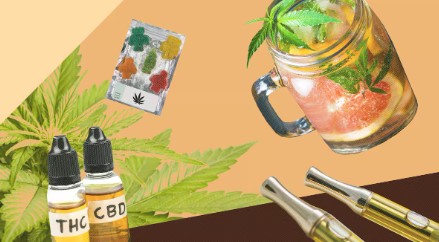
1. Edibles (Infused Food, Gummies, Beverages)
- Absorption: Through the digestive system (liver metabolism).
- Onset: 30-90 minutes (slower due to digestion).
- Peak Effects: 2-4 hours post-ingestion.
- Duration: 4–8 hours, and even 12 hours.
- Mechanism: THC is converted into 11-hydroxy-THC, which is 5x more potent than delta-9 THC and crosses the blood-brain barrier more efficiently.
- Dosing Considerations: Start with 2.5-5 mg THC, as effects are much stronger than inhaled cannabis.
2. Capsules & Tablets
- Similar to edibles but more controlled and precise in dosing.
- Absorption: 30-90 minutes, dependent on food intake and metabolism.
- Duration: 6-10 hours.
- Best Use Case: Medical users who need long-lasting relief.
3. Tinctures (Sublingual)
- Liquid cannabis extract applied under the tongue for sublingual absorption.
- Avoids first-pass metabolism, leading to faster effects than edibles.
- Onset: 15-30 minutes (partial digestion, partial direct absorption into bloodstream).
- Duration: 4-6 hours.
- Optimal Carrier Oils: MCT oil, ethanol (enhances cannabinoid absorption).
C. Topical and Transdermal Application
While not commonly used for Jillybean (as it’s more of a recreational strain), topical and transdermal methods are available.
1. Topicals (Creams, Lotions, Balms)
- Absorbed locally through the skin, but does not enter the bloodstream.
- Onset: 15-30 minutes.
- Duration: 2-6 hours.
- Best For: Localized pain relief, inflammation, arthritis.
2. Transdermal Patches
- Contains THC and CBD, slowly released into the bloodstream over hours.
- Onset: 30-60 minutes.
- Duration: 8-12 hours.
- Best For: Consistent and long-term medicinal use.
Onset, Duration, and Pharmacokinetics
The pharmacokinetics of THC (and other cannabinoids) depend on the ingestion method, metabolism, and individual biochemistry.
Onset and Duration Comparison by Method
| Method | Bioavailability (%) | Onset Time | Peak Effects | Duration |
|---|---|---|---|---|
| Smoking | 10-35% | 1-5 min | 10-15 min | 2-3 hrs |
| Vaping | 40-50% | 1-5 min | 10-15 min | 2-3 hrs |
| Edibles | 5-20% | 30-90 min | 2-4 hrs | 4-8 hrs |
| Sublingual (Tinctures) | 15-35% | 15-30 min | 30-60 min | 4-6 hrs |
| Topicals | N/A (localized) | 15-30 min | N/A | 2-6 hrs |
| Transdermal Patches | 30-50% | 30-60 min | 1-2 hrs | 8-12 hrs |
Factors Affecting Onset & Duration
Metabolism & Individual Biology
- Faster metabolism = shorter duration.
- Liver function impacts THC-to-11-hydroxy-THC conversion (which affects edibles’ potency).
Food Consumption
- High-fat meals increase cannabinoid absorption in edibles.
- Empty stomach = faster absorption but potentially more intense effects.
Tolerance Level
- First-time users = longer, stronger effects.
- Frequent users = may require higher doses for similar effects.
Cannabinoid Ratios
- High THC: Faster onset, shorter duration.
- High CBD: Longer duration, but counteracts some psychoactive effects of THC.
Best Consumption Methods for Specific Use Cases
| Use Case | Best Ingestion Method | Why? |
|---|---|---|
| Recreational (fast-acting, euphoric high) | Vaping/Smoking | Rapid onset, immediate effects. |
| Creativity & Focus | Low-dose vaping/sublingual | Quick effects, avoids sedation. |
| Social Anxiety Reduction | Microdosed edibles/tinctures | Steady effects, no paranoia. |
| Chronic Pain | Transdermal patches/edibles | Long-lasting relief. |
| Sleep Aid | High-dose edibles or tinctures | Extended sedation effects. |
Consumer Recommendations
Best Time for Use:
- Daytime or Early Evening – Due to its uplifting effects, Jillybean is best used during the day or before social activities.
Best Consumption Methods:
- Smoking/Vaping: Provides immediate effects.
- Edibles: Longer-lasting effects but require cautious dose.
- Tinctures: A good option for precise medical use.
Conclusion
Jillybean is a versatile cannabis strain known for its fruity aroma, uplifting effects, and balanced hybrid qualities. It is suitable for both recreational users seeking a happy, social high and medical patients looking for relief from stress, anxiety, depression, and mild pain. With a manageable cultivation process, Jillybean is a great choice for growers and consumers alike.
Whether you’re looking for a daytime strain that enhances creativity or a mild analgesic for daily use, Jillybean remains a top contender in the hybrid cannabis market.
For a complete directory of cultivars, visit our Cannabis Strain Reviews.
