Table of Contents
The cannabis strain known as JGR is relatively lesser-known in the mainstream cannabis market, but it has gained traction among cannabis connoisseurs and medical users for its distinct properties and balanced effects. This strain, often categorized as a hybrid, is recognized for its well-rounded effects, making it can be used for both medical and recreational purposes. Below is a detailed and structured breakdown of the JGR cannabis strain, its origins, genetic profile, physical characteristics, effects, medical benefits, recreational uses, and a comprehensive scientific understanding.
Introduction to JGR Cannabis Strain
JGR is a hybrid cannabis strain, often considered a well-balanced cross of both indica and sativa genetics. This hybrid nature provides a range of effects that suit various cannabis users. While the strain is not as commercially prevalent as more popular hybrids like Blue Dream or OG Kush, JGR is valued for its unique profile, providing users with a mix of euphoric, uplifting effects and physical relaxation.
It is crucial to understand the genetic background of this strain to appreciate the full spectrum of its effects and medicinal uses. JGR is typically a cross of a renowned indica strain and a sativa-dominant hybrid, allowing it to offer a diverse range of effects based on the individual’s tolerance, body chemistry, and consumption method.
Genetics and Lineage
JGR’s genetic lineage is a combination of both indica and sativa strains. However, the exact parentage remains a bit ambiguous, as this strain is relatively niche in the cannabis world. Some sources suggest it is a mix of popular strains like the indica-dominant Granddaddy Purple and a potent sativa such as Jack Herer, while others believe it has ties to Gorilla Glue hybrids.
Key Genetic Features:
- Indica-Sativa Ratio: JGR is typically a 50/50 hybrid, though some phenotypes lean slightly more towards sativa or indica.
- THC/CBD Content: JGR can range from 18% to 24% THC, with very low levels of CBD, typically under 1%. The balance between THC and CBD allows for a wide spectrum of effects.
Appearance and Aroma
The visual and sensory appeal of JGR is an important aspect of its overall experience. When cultivated properly, JGR displays a variety of features that make it both attractive and potent.
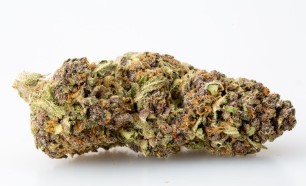
- Buds: The buds of JGR are typically dense and covered with a generous layer of trichomes. The nugs are generally light green with hints of purple, especially when grown in cooler climates. The hairs are bright orange, adding to the overall appeal.
- Aroma: JGR emits a pungent, earthy aroma with strong pine and citrus notes. There are underlying hints of sweet berry and floral scents, which come from the presence of terpenes like myrcene, pinene, and limonene. These terpenes contribute to its uplifting effects as well as its therapeutic properties.
- Flavor: On the exhale, JGR offers a smooth, slightly sweet berry-like flavor with a woody aftertaste. The flavor is more noticeable in well-cured buds and can range from earthy and spicy to sweet and citrusy, depending on the phenotype.
Cannabinoids and Terpenes Profile

Cannabinoid Profile:
- THC (18-24%): THC is the most abundant cannabinoid in JGR, and it is responsible for the strain’s psychoactive effects. This high THC content provides strong euphoric feelings while also inducing physical relaxation.
- CBD (0-1%): JGR contains very low levels of CBD, so it is not as effective in treating conditions that benefit from CBD, such as epilepsy or chronic inflammation. However, this makes it more suited for individuals seeking a potent psychoactive experience.
- Other Cannabinoids: JGR may contain trace amounts of CBG, CBN, and CBC, although they do not significantly contribute to its effects in most cases.
Terpene Profile:
The terpenes in JGR are responsible for its complex aroma and flavor profile, as well as influencing its overall effects. Common terpenes found in JGR include:
- Myrcene: Known for its earthy, musky smell, myrcene is also responsible for the sedative effects found in many indicas.
- Pinene: Contributing to the piney aroma, pinene offers cognitive benefits such as memory enhancement and focus.
- Limonene: This citrus-scented terpene is linked to mood elevation and stress relief, making it highly beneficial for anxiety and depression.
- Caryophyllene: Often found in spicy or peppery strains, caryophyllene has anti-inflammatory properties and can help reduce stress.
Effects of JGR Cannabis Strain
The effects of JGR are highly dependent on the dosage, environment, and individual tolerance, but they are generally consistent in delivering a balanced experience. As a hybrid strain, JGR provides a combination of uplifting mental effects and calming physical effects.
Cerebral Effects:
- Euphoria: JGR is known for its powerful cerebral high that induces feelings of happiness, creativity, and overall well-being. This euphoric state can enhance social interaction and boost focus.
- Increased Energy and Motivation: While it offers a calm relaxation effect, JGR’s sativa influence helps promote energy, making it an ideal choice for daytime use.
- Focus and Clarity: The high can bring about mental clarity, allowing users to engage in activities that require attention and concentration.
Physical Effects:
- Relaxation: JGR has notable relaxing qualities due to its indica genetics. This makes it useful for unwinding after a long day and relieving tension in both the body and mind.
- Mild Sedation: Although not overly sedative, JGR can provide a sense of calm that may help with sleep if consumed in higher doses, especially in the evening.
- Body High: The strain tends to create a gentle body high that can help alleviate chronic pain or discomfort without overwhelming the user with heavy sedation.
Potential Side Effects:
- Dry Mouth and Eyes: As with many cannabis strains, JGR can cause mild dehydration and dry eyes.
- Paranoia or Anxiety: At higher doses, especially in individuals with a low tolerance for THC, JGR may cause anxiety or paranoia, though it’s typically mild compared to other high-THC strains.
- Dizziness: New users or those consuming large amounts may experience dizziness or lightheadedness.
Medical Uses of JGR Cannabis Strain
JGR offers a variety of medical benefits due to its balanced cannabinoid and terpene profile. It is appropriate for a variety of medical issues due to its elevating and calming properties.
Pain Relief:
JGR’s calming and relaxing effects help manage both acute and chronic pain. The strain’s ability to relax muscles and relieve tension makes it effective for individuals dealing with conditions such as:
- Arthritis
- Muscle Spasms
- Back Pain
- Headaches and Migraines
Stress and Anxiety:
The euphoria and uplifting effects of JGR are beneficial for individuals suffering from anxiety, stress, and depression. The strain helps in elevating mood and promoting relaxation without being overly sedative, making it a good option for use during the day.
Insomnia:
While JGR is not as potent in sedating the user as some other strains, it can still help with sleep, particularly for those suffering from mild to moderate insomnia. Its relaxing qualities ease the mind and body, making it easier to fall asleep.
Appetite Stimulation:
Cannabis, particularly strains with higher THC content like JGR, is known to stimulate the appetite. This can be especially beneficial for individuals undergoing chemotherapy or those suffering from conditions that cause appetite loss.
Muscle Relaxation:
The strain’s physical relaxation properties make it effective in reducing tension in the body, easing muscle cramps, and aiding with post-workout recovery.
Recreational Uses of JGR Cannabis Strain
JGR is an ideal strain for recreational users seeking a balanced experience. Whether consumed in social settings or solo, JGR’s effects can enhance a variety of activities.
Socialization:
JGR’s euphoric and uplifting effects make it a great choice for social situations. It promotes creativity, increases sociability, and can elevate the overall mood of a group, making it suitable for gatherings, parties, or simply enjoying a relaxing evening with friends.
Creative Activities:
The cerebral stimulation from JGR encourages creativity, making it ideal for those involved in artistic activities such as painting, writing, music, or brainstorming. The balanced effects allow users to stay engaged while maintaining a relaxed body.
Outdoor Activities:
JGR’s energetic and uplifting effects make it a good strain for outdoor activities like hiking, walking, or exploring nature. The clarity and focus it induces can make these activities more enjoyable.
Cultivation Information
Genetics and Breeding
JGR is a hybrid strain resulting from the cross of Jet Fuel and Gelato. The Jet Fuel lineage contributes to the strain’s powerful diesel-like aroma, while Gelato provides a sweet, dessert-like flavor. This hybrid is known for its strong potency, high THC levels, and complex terpene profile.
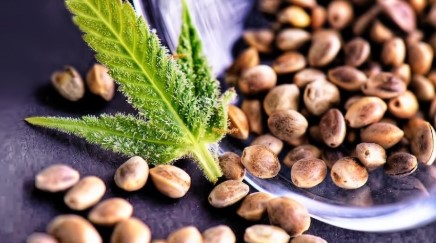
Breeders specifically select parents that exhibit desirable traits such as high THC content, aromatic profile, and yield potential. To maintain the stability and consistency of the JGR strain, it is often bred using regular seeds, which ensure that both male and female plants are produced. This allows for genetic diversity and facilitates further breeding efforts.
Environment and Climate
JGR thrives in a Mediterranean climate where the temperature is warm, with daytime highs between 70°F and 85°F (21°C to 29°C). The strain requires a period of warmth and ample sunlight for optimal growth, making it well-suited to outdoor cultivation in regions that experience a long growing season.
However, if cultivating JGR in regions with less favorable climates, growers may opt for indoor cultivation using climate-controlled environments. The plant responds well to controlled lighting cycles, which can simulate its natural light exposure. Indoor cultivation often requires the following environmental settings:
- Light Cycle: A 12/12 light cycle (12 hours of light and 12 hours of darkness) is necessary for flowering.
- Temperature: During the day, temperatures should be kept between 70°F and 80°F (21°C to 27°C), with nighttime temperatures dropping slightly to simulate natural day-night fluctuations.
- Humidity: During the vegetative stage, JGR benefits from moderate humidity levels (60-70%), while during the flowering stage, lower humidity (40-50%) helps prevent mold and mildew growth.
- Air Circulation: Adequate airflow is essential for the development of strong stems and to prevent the growth of pathogens.
Soil and Medium
JGR can be grown in both soil and hydroponic systems, but soil cultivation tends to be preferred by those who seek a more natural growth process with rich flavor profiles. When using soil, the following guidelines should be observed:
- Soil Composition: A well-draining, slightly acidic soil with a pH level between 6.0 and 6.5 is ideal for JGR cultivation. Loamy or sandy soils are most suitable, as they allow roots to access oxygen while also retaining enough moisture.
- Soil Nutrients: Organic fertilizers with a balanced NPK (nitrogen, phosphorus, potassium) ratio work well for JGR plants. During the vegetative phase, a higher nitrogen content is beneficial to promote leafy growth, while during the flowering phase, a higher phosphorus content supports bud development.
In hydroponic systems, coco coir or perlite is often used as a growing medium. These mediums help provide aeration and moisture retention without becoming overly compacted, offering the plant roots the right amount of oxygen and nutrients.
Training and Pruning
JGR is a bushy, vigorous plant that can grow tall if not properly managed. To maximize yields and maintain plant health, several techniques are often employed to train and prune the plant.
- Topping: Topping involves cutting off the top of the plant during the vegetative stage to encourage the growth of lateral branches. This helps the plant grow horizontally and develop multiple colas (flowering tops) rather than a single main stem.
- Low-Stress Training (LST): LST techniques involve gently bending and tying down branches to create an even canopy. This improves light penetration to all parts of the plant and helps increase the overall yield.
- Defoliation: Removing large leaves that obstruct light from reaching the lower branches can improve airflow and light exposure to the bud sites. To prevent harming the plant, this should be done carefully.
Additionally, screen of green (SCROG) techniques can be used in both indoor and outdoor cultivation. This involves using a screen to spread the branches horizontally, which helps evenly distribute the plant’s energy and supports the buds during flowering.
Nutrient Management
The JGR cannabis strain has a relatively high demand for nutrients, particularly during its rapid growth phases. However, it is essential to balance the nutrient intake to avoid nutrient burn or deficiencies.
- Vegetative Stage: During the vegetative stage, JGR plants require higher levels of nitrogen to promote healthy leaf and stem growth. However, too much nitrogen in the flowering stage can hinder bud development.
- Flowering Stage: When entering the flowering stage, plants should be switched to a fertilizer blend with a higher phosphorus and potassium ratio. These elements are crucial for flower development and resin production.
- Micronutrients: Along with macronutrients, JGR also benefits from micronutrients such as magnesium, calcium, and iron to support optimal growth. Magnesium helps with chlorophyll production, while calcium aids in cell wall development.
Flowering and Harvest
JGR typically takes 8 to 9 weeks to fully flower, depending on environmental conditions and cultivation techniques. During the flowering stage, growers need to monitor for the following:
- Bud Development: Buds will become larger and more densely packed as the plant matures. JGR is known for its resinous buds, which have a strong diesel scent and a unique color palette of green and purple hues.
- Trichome Production: The formation of trichomes (the small resin glands on the surface of the buds) is essential for the strain’s potency and aroma. Growers should monitor trichome color to determine the ideal harvest time. Trichomes transition from clear to cloudy and eventually amber, with peak potency generally occurring when they are mostly cloudy.
- Pest and Disease Control: Like many cannabis plants, JGR is susceptible to pests and diseases, such as spider mites, aphids, and powdery mildew. Integrated pest management (IPM) strategies, such as the use of beneficial insects (ladybugs, predatory mites) or organic pesticides, can help prevent and treat infestations without harming the plants.
Post-Harvest Processing
After harvest, JGR buds need to be carefully dried and cured to preserve their potency and flavor. This process includes:
- Drying: Buds should be hung upside down in a well-ventilated area with temperatures between 60°F and 70°F (15°C to 21°C) with a 50% relative humidity. This allows the buds to dry slowly without molding.
- Curing: Once dried, the buds should be placed in airtight containers, such as glass jars, for curing. Curing allows the remaining moisture to distribute evenly throughout the buds, enhancing flavor and aroma while ensuring a smoother smoking experience.
Yield Potential
JGR plants can produce high yields if provided with optimal care. Under ideal conditions, the yield can range from 450 to 600 grams per square meter indoors and 500 to 800 grams per plant outdoors. The strain’s bushy nature and extensive branching typically lead to a substantial number of flower sites, which contributes to its high yield potential.
Conclusion
JGR is a hybrid cannabis strain that offers a balanced combination of mental and physical effects, making it appropriate for both recreational and medical use. Its pleasant aroma, well-rounded effects, and therapeutic potential have made it a favorite for people looking for alleviation of worry, tension, and pain. With moderate THC content and a diverse terpene profile, JGR is a versatile strain that provides benefits for a variety of conditions and enhances various recreational activities.
Whether used for its medical properties or enjoyed for its recreational effects, JGR has carved out a niche for itself in the cannabis world, providing users with a potent and enjoyable experience.
For a complete directory of cultivars, visit our Cannabis Strain Reviews.
