Table of Contents
Jet Fuel, also known as “Jet Fuel OG” or “G6,” is a potent hybrid cannabis strain, primarily recognized for its distinct, diesel-like aroma, strong effects, and medicinal properties. It has gained popularity in both recreational and medical cannabis circles due to its ability to provide a potent high and relief for a range of symptoms. In this detailed guide, we’ll cover everything from its genetic origins to the specific medical and recreational uses, scientific aspects, and therapeutic benefits.
Genetic Origins of Jet Fuel
Jet Fuel is a hybrid strain that is predominantly sativa, though it also contains a significant amount of indica genetics. This gives it a unique balance of uplifting and relaxing effects. The strain is believed to be a cross between the following:
- High Country Diesel: This is a sativa-dominant strain known for its diesel aroma and uplifting effects. It is also appreciated for its potent THC content.
- OG Kush: A widely popular strain, OG Kush is an indica-dominant hybrid that contributes to the relaxing and stress-relieving properties of Jet Fuel.
The combination of these two parent strains gives Jet Fuel its energizing and euphoric effects with a heavy diesel-like aroma. The strain’s effects are well balanced, with a clear-headed high that can be both uplifting and soothing, making it a popular choice for recreational and medicinal users alike.
Aroma, Flavor, and Appearance
- Aroma: Jet Fuel has a distinctly pungent, diesel-like smell that is both sharp and sour. This is complemented by earthy and citrusy notes, which add complexity to the overall fragrance. Some users describe it as having hints of pine and chemical undertones, which gives it its signature “jet fuel” scent.
- Flavor: The flavor of Jet Fuel follows suit with its aroma. On inhalation, users can expect a harsh, diesel-forward taste that can feel pungent but also somewhat sweet, with underlying earthy and citrus flavors. It has a sharpness that can leave a lingering aftertaste.
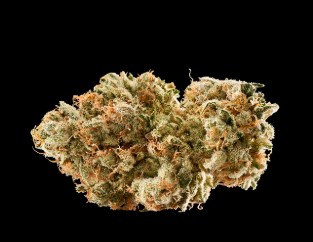
- Appearance: The buds of Jet Fuel are dense, medium to large, and typically feature shades of forest green with dark orange pistils. The buds are often coated with a frosty layer of trichomes, which is an indicator of the strain’s potency.
THC and CBD Content
Jet Fuel is known for its high THC content, which typically ranges from 18% to 26% THC, making it a potent strain that can deliver intense effects. The CBD content is typically low, usually hovering around 0.1% to 0.3%. This makes it more suitable for recreational users and medical patients who are seeking relief from more acute symptoms, rather than those who need high CBD concentrations for conditions like epilepsy or inflammation.
Recreational Uses
Jet Fuel is a popular strain in the recreational cannabis community due to its potent, long-lasting effects that appeal to users looking for both mental and physical stimulation.
- Euphoric High: Users report an immediate sense of euphoria after smoking Jet Fuel, with many feeling uplifted and mentally energized. The initial rush tends to produce a burst of creativity and sociability, which makes it ideal for group settings or engaging in creative activities like art, music, or brainstorming.
- Energy Boost: Despite having some indica genetics, Jet Fuel offers a noticeable boost in energy, making it an ideal strain for midday consumption. It is favored by individuals looking for a stimulating experience without the crash that often accompanies other energizing strains.
- Enhanced Focus: Many recreational users find that Jet Fuel can improve focus and clarity, making it suitable for tackling tasks that require concentration, such as studying, working, or engaging in detail-oriented hobbies.
- Mood Enhancement: The strain’s ability to lift the user’s mood is one of the most commonly reported effects. It can help alleviate feelings of stress, anxiety, and depression, offering a mental break and encouraging a more positive outlook.
Overall, Jet Fuel is an ideal strain for users looking for an energizing and creative experience, combined with the ability to maintain focus and productivity.
Medical Uses
Jet Fuel’s high THC content and unique effects have made it a sought-after strain for medical users seeking relief from various physical and mental health conditions. Below are some of the most common medical uses for Jet Fuel.
- Stress Relief: One of the most common medical applications of Jet Fuel is its ability to alleviate stress. The uplifting and calming effects can help users unwind and temporarily escape from feelings of stress, anxiety, and tension. This makes Jet Fuel an excellent choice for individuals dealing with anxiety disorders or general stress.
- Depression and Mood Disorders: Jet Fuel’s mood-enhancing properties make it a viable option for individuals dealing with depression or mood swings. The strain can help elevate serotonin levels and provide a sense of joy and well-being, which can be especially beneficial for those suffering from chronic low mood.
- Pain Management: Jet Fuel has also shown promise in treating a variety of pain-related conditions. While it’s not as heavy on the sedative effects as pure indica strains, it can still help alleviate pain from conditions like arthritis, migraines, muscle spasms, and fibromyalgia. The strain’s euphoric and mood-lifting effects can also help users tolerate chronic pain with a more positive outlook.
- Nausea and Appetite Loss: The uplifting and relaxing effects of Jet Fuel make it helpful for individuals who experience nausea, either due to medical treatments (such as chemotherapy) or other causes. It may also stimulate appetite, making it a helpful strain for individuals undergoing treatments that cause a loss of appetite or other eating disorders.
- Fatigue and Sleep Issues: Although Jet Fuel is not typically classified as a sedative strain, it can be beneficial for those suffering from fatigue due to its energizing effects. For individuals dealing with chronic tiredness or fatigue, Jet Fuel provides a natural pick-me-up. It’s also suitable for users who need help with insomnia or other sleep disorders due to its ability to relax the body and mind without causing intense sedation.
Scientific Research and Compounds
The scientific community has increasingly recognized the therapeutic potential of cannabis. Jet Fuel, with its robust THC levels, contributes to some of the most researched aspects of cannabis, particularly its efficacy in treating certain medical conditions.
- THC (Tetrahydrocannabinol): THC is the primary psychoactive compound in cannabis, and in Jet Fuel, it is present in significant quantities. THC binds to CB1 receptors in the body’s endocannabinoid system (ECS) to interact with it in the brain, producing the euphoric and psychoactive effects associated with the strain. Studies have shown that THC can help reduce anxiety, alleviate pain, and promote appetite.
- Terpenes: Terpenes are aromatic compounds found in cannabis that contribute to the strain’s scent, flavor, and effects. Jet Fuel contains a variety of terpenes that contribute to its signature diesel-like aroma and therapeutic benefits. Some of the key terpenes in Jet Fuel include:
- Pinene: Known for its anti-inflammatory and bronchodilator properties, pinene can also help with memory retention.
- Limonene: This citrus-scented terpene is known for its mood-enhancing effects, as well as its potential to reduce stress and anxiety.
- Caryophyllene: A spicy, peppery terpene that has been studied for its anti-inflammatory and pain-relieving properties. It also interacts with CB2 receptors, which may help in treating conditions related to inflammation.
The combination of these terpenes with the THC content in Jet Fuel may help boost its therapeutic effects, making it suitable for a variety of medical conditions.
Side Effects
While Jet Fuel offers many benefits, like all cannabis strains, it can also cause side effects. These include:
- Dry Mouth and Eyes: As with many cannabis strains, users may experience dry mouth and dry, red eyes. Staying hydrated and using eye drops can help alleviate these issues.
- Anxiety or Paranoia: Though Jet Fuel is often described as uplifting, its high THC content may lead to anxiety or paranoia in some individuals, especially those who are new to cannabis or are sensitive to THC.
- Dizziness or Headache: Some users may experience dizziness or mild headaches, especially if they consume too much of the strain at once. It’s essential to start with small doses to gauge tolerance.
Cultivation Information
Genetic Background and Pheno-types
Jet Fuel is a hybrid cannabis strain, typically leaning slightly toward Sativa, and it is renowned for its high THC content, which can be around 20-25%. It is known for its complex aroma, which includes diesel and pungent, earthy notes. The strain is often referred to as Jet Fuel OG, indicating that it may have been crossed with OG Kush or a similar high-THC variety. Knowing the strain’s genetic background helps growers understand its overall structure, growth rate, and flower development.
Jet Fuel can express different phenotypes (variations in the plant’s physical traits due to its genetic lineage), so understanding the differences between these phenos can help you select the best one for your cultivation style.
Ideal Growing Conditions
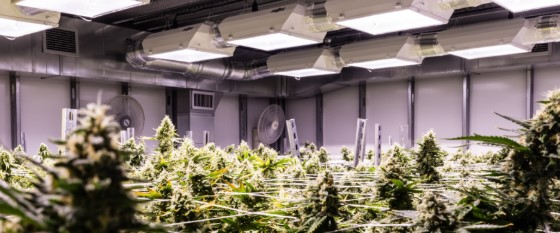
Jet Fuel thrives best in controlled indoor environments but can also be successfully cultivated outdoors in regions with warm, temperate climates. Below are some key environmental factors that influence growth:
Temperature
Jet Fuel prefers a warm environment, typically between 70-80°F (21-27°C) during the day. Nighttime temperatures can be slightly cooler, but they should never dip below 60°F (15°C). If growing outdoors, it’s best to harvest before cold weather sets in to avoid stunted growth or issues with frost.
Humidity
The plant does well with moderate humidity levels during the vegetative stage (40-70%) but may require lower humidity levels during the flowering stage (around 40-50%) to prevent mold or mildew formation. Careful humidity control is essential, particularly if growing in a humid climate.
Light Cycle
Jet Fuel requires a 12/12 light cycle to trigger its flowering phase, just like most cannabis strains. When growing indoors, controlling light exposure is critical, as it can impact flowering times and overall health. For outdoor cultivation, Jet Fuel typically flowers in mid to late October, depending on climate.
Soil and Nutrient Requirements
Jet Fuel prefers well-draining soil with a slightly acidic to neutral pH level, ideally between 6.0 and 7.0. Cannabis plants are generally heavy feeders, especially in the flowering phase, and Jet Fuel is no exception. Providing a balanced nutrient mix of nitrogen (N), phosphorus (P), and potassium (K) along with micronutrients like magnesium and calcium is essential.
Cultivation Methods
There are different cultivation techniques you can employ when growing Jet Fuel, and choosing the right one can optimize growth, improve yields, and ensure healthy development. Two of the most common methods for cultivating cannabis are Soil Cultivation and Hydroponics. Both have their merits depending on your growing setup and experience.
Soil Cultivation
Soil provides the plants with a more natural growth environment. The soil’s microbial life contributes to the overall health of the plant and aids in nutrient uptake. Jet Fuel does well in high-quality, organic soil, which encourages a more complex terpene profile and higher-quality buds.
- Soil pH: Keeping the pH level between 6.0 and 7.0 is essential. This guarantees efficient nutrient absorption by the plant.
- Soil Mix: A typical soil mix might consist of 40% compost, 30% perlite for drainage, and 30% coco coir or another fibrous medium to help retain moisture.
Hydroponics
Hydroponic systems use water to deliver nutrients directly to the plant’s roots. This system often leads to faster growth and higher yields since the roots can absorb nutrients more efficiently. Jet Fuel’s relatively large size and rapid growth rate make it a good candidate for hydroponic cultivation if you can manage the complexity of the system.
- Water pH: The pH for hydroponic systems should be maintained between 5.5 and 6.5 for optimal nutrient absorption.
- Hydroponic Setup: Systems like Deep Water Culture (DWC) or Nutrient Film Technique (NFT) are ideal for Jet Fuel because they allow for fast growth and healthy roots.
Training and Pruning Techniques
Jet Fuel plants can grow tall and bushy, especially in the early stages. To maximize the potential yield and ensure even light exposure to all buds, many growers use various training techniques such as Low Stress Training (LST), High Stress Training (HST), and Topping.
- Low Stress Training (LST): This involves gently bending the plant’s branches to expose lower buds to light, leading to more even growth and higher yields.
- Topping: Removing the main cola (top bud) helps create multiple colas and more bud sites, promoting a bushier structure.
- Defoliation: Regular removal of leaves that block light from reaching lower branches will help improve airflow and bud development.
Screen of Green (SCROG)
For larger plants like Jet Fuel, a Screen of Green (SCROG) setup can be very effective. This technique uses a screen or net placed over the plants to encourage horizontal growth. The plant is trained to grow through the screen, creating an even canopy that ensures better light distribution and maximizes yield.
Flowering and Harvesting
Jet Fuel typically takes between 8 to 10 weeks to flower, depending on environmental conditions and whether the strain is grown indoors or outdoors. During flowering, the plant requires additional care to ensure it produces dense, resinous buds.
- Flowering Nutrition: The plant should receive less nitrogen and more phosphorus and potassium during this phase to encourage flower production and resin development.
- Harvesting Time: The trichomes (resin glands) on the buds should be monitored to determine the best time to harvest. Ideally, you should wait until around 80% of the trichomes are milky white with some amber coloration. This ensures a potent, well-balanced THC profile.
Pests and Disease Control
Jet Fuel is relatively resistant to pests, but like all cannabis plants, it can still fall victim to common cannabis pests such as spider mites, aphids, and whiteflies. Integrated pest management (IPM) practices are essential to reduce the risk of infestations. Organic methods, such as neem oil or insecticidal soap, can help control pests without harming the plant.
Mold and Mildew Prevention
Given Jet Fuel’s dense bud structure, it can be prone to bud rot or powdery mildew in high-humidity conditions. Reducing humidity during the flowering stage and ensuring good airflow around the plants can mitigate these risks.
Yield and Harvesting
The yield for Jet Fuel varies depending on the growing method used, the plant’s phenotype, and the care taken throughout the cultivation process. In ideal circumstances, growers can anticipate:
- Indoor Yields: Between 400 to 500 grams per square meter (g/m²).
- Outdoor Yields: Between 500 to 600 grams per plant (or more depending on environmental conditions).
These yields can increase if the grower has mastered the art of training the plant, maintaining ideal environmental conditions, and preventing pests or diseases.
Conclusion
Jet Fuel is a powerful hybrid cannabis strain that offers a unique combination of energizing and relaxing effects. Whether for recreational or medical use, its benefits are wide-ranging, from stress relief to pain management and mood enhancement. The strain’s high THC content and rich terpene profile contribute to its robust effects, making it a popular choice for those seeking an effective way to treat a variety of conditions.
For recreational users, Jet Fuel provides an uplifting and euphoric high that enhances creativity, focus, and sociability. For medical patients, it’s a versatile option for managing conditions like anxiety, depression, chronic pain, and fatigue. However, due to its high THC levels, it should be used with caution by novice users. Whether you’re looking for a potent daytime strain or a way to alleviate specific health issues, Jet Fuel is a top contender in the cannabis world.
For a complete directory of cultivars, visit our Cannabis Strain Reviews.
