Table of Contents
Jelly Roll is a hybrid cannabis strain celebrated for its unique flavor profile, potent effects, and versatile benefits. Known for its lineage and balanced properties, Jelly Roll is a product of carefully curated genetics, often associated with crossing the indica-dominant strains Grape Jelly and Do-Si-Dos. This combination results in a strain that boasts both cerebral and physical effects, making it appropriate for a variety of users. With THC levels typically ranging from 18% to 24%, Jelly Roll caters to both recreational and medical cannabis consumers seeking a robust and flavorful experience.
Appearance, Aroma, and Flavor Profile
Jelly Roll’s buds are visually striking, often displaying a deep green hue with purple undertones. The strain is characterized by its dense, resin-coated flowers that shimmer under light, indicative of its potency. The trichome coverage is thick and sticky, making it a favorite for concentrate production.
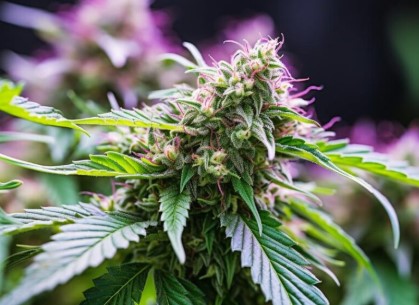
The aroma is sweet and fruity, with notes of grape, berry, and a hint of earthy undertones. When smoked or vaporized, the flavor profile mirrors its aroma, delivering a smooth and rich taste with sweet and tangy nuances that linger on the palate. This makes Jelly Roll particularly appealing to users who value flavor as much as effects.
Genetic Lineage and Breeding
Jelly Roll’s genetics are a testament to modern cannabis breeding techniques. Grape Jelly, one of its parent strains, is known for its fruity aroma and relaxing effects, while Do-Si-Dos brings a potent combination of euphoria and deep body relaxation. The result is a strain that provides the best of both worlds, balancing the uplifting and calming properties of its parents. This hybrid nature positions Jelly Roll as a strain that’s effective for both daytime and nighttime use, depending on dosage and user tolerance.
Recreational Uses of Jelly Roll
1. Euphoric and Uplifting Effects
Jelly Roll is prized for its ability to deliver a euphoric high that begins with a cerebral rush. Users often report feelings of happiness and enhanced sociability, making it an excellent choice for social gatherings or creative endeavors. The strain’s sativa-like properties stimulate mental clarity and focus in moderate doses, promoting a sense of motivation and energy.
2. Relaxation and Stress Relief
As the high progresses, the strain’s indica-dominant traits become more apparent. These include a deep sense of physical relaxation that helps melt away stress and tension. Jelly Roll’s calming effects make it an ideal choice for unwinding after a long day or enjoying a quiet evening at home.
3. Enhancing Sensory Experiences
The strain’s flavor and aroma enhance recreational activities that engage the senses, such as music, art, or food. Many users report heightened sensory perception, making Jelly Roll a favorite for culinary pairings or enjoying nature.

Medical Uses of Jelly Roll
Jelly Roll is a versatile strain with numerous therapeutic applications. Its balanced effects make it suitable for addressing a wide range of medical conditions.
1. Pain Management
One of the primary medical benefits of Jelly Roll is its effectiveness in managing pain. The strain’s high THC content interacts with the endocannabinoid system, reducing the perception of pain. Patients with chronic conditions such as arthritis, fibromyalgia, and migraines often find relief with Jelly Roll.
2. Anxiety and Stress Relief
The strain’s uplifting and calming properties make it an excellent option for individuals dealing with anxiety and stress-related disorders. Its ability to promote relaxation without overwhelming sedation allows users to remain functional while alleviating symptoms of mental distress.
3. Insomnia
For those struggling with sleep disorders, Jelly Roll’s indica traits are particularly beneficial. When consumed in higher doses, the strain induces a deep state of relaxation that can lead to improved sleep quality. This makes it an effective alternative to pharmaceutical sleep aids.
4. Appetite Stimulation
Like many cannabis strains, Jelly Roll has appetite-stimulating properties, often referred to as the “munchies.” This makes it a valuable tool for patients undergoing treatments like chemotherapy, which can suppress appetite.
5. Mood Enhancement
Patients with mood disorders, including depression and PTSD, may benefit from Jelly Roll’s mood-enhancing effects. Its ability to uplift the mind and reduce negative thoughts can contribute to an enhanced mental health and a more optimistic perspective.
6. Anti-inflammatory Benefits
Emerging research suggests that cannabis strains like Jelly Roll may have anti-inflammatory properties, which can be beneficial for conditions such as Crohn’s disease, irritable bowel syndrome (IBS), and other inflammatory conditions.
Methods of Ingestion
1. Smoking
- Mechanism: Smoking involves combustion, which releases cannabinoids like THC and CBD along with terpenes into a smoke form for inhalation.
- Absorption: Cannabinoids are absorbed through the alveoli in the lungs, entering the bloodstream almost immediately.
- Onset: Effects are typically felt within 1-5 minutes after inhalation.
- Duration: Lasts between 2-4 hours, with peak effects occurring within the first hour.
- Pros: Quick onset and control over dosing.
- Cons: Combustion releases harmful byproducts like tar, potentially irritating the lungs.
2. Vaporization (Vaping)
- Mechanism: Vaporizers heat cannabis to a temperature (between 315\u00b0F and 430\u00b0F) that activates cannabinoids and terpenes without combustion.
- Absorption: Similar to smoking, cannabinoids are absorbed through the lungs.
- Onset: Effects are felt within 1-5 minutes.
- Duration: Similar to smoking, lasting 2-4 hours.
- Pros: Reduces exposure to harmful byproducts, better preservation of Jelly Roll terpene profile.
- Cons: Requires specialized equipment, and poor-quality vape devices can degrade cannabinoids.
3. Edibles
- Mechanism: Edibles are infused with Jelly Roll cannabinoids, which are metabolized in the liver after oral ingestion. THC is converted to 11-hydroxy-THC, a more potent metabolite.
- Onset: Effects take longer to set in, typically 30 minutes to 2 hours, depending on metabolism and the presence of food in the stomach.
- Duration: Effects last significantly longer, between 4-8 hours, with some residual effects up to 12 hours.
- Pros: Discreet, no inhalation required, and provides long-lasting effects.
- Cons: Difficult to dose precisely, delayed onset may lead to overconsumption by inexperienced users.
4. Sublingual Administration (Tinctures)
- Mechanism: Tinctures are dropped under the tongue and absorbed directly into the bloodstream via the sublingual glands.
- Onset: Rapid onset within 15-30 minutes.
- Duration: Effects last between 2-6 hours.
- Pros: Faster onset compared to edibles, easy to dose, and discreet.
- Cons: May have a bitter or plant-like taste depending on the preparation.
5. Topicals
- Mechanism: Topicals infused with Jelly Roll cannabinoids are applied directly to the skin, interacting with local receptors for cannabinoids without going into the blood.
- Onset: Localized effects are felt within 15-30 minutes.
- Duration: Effects last 2-4 hours.
- Pros: Non-psychoactive, ideal for localized pain and inflammation.
- Cons: Limited to external application, not effective for systemic relief or psychoactive effects.
6. Dabbing (Concentrates)
- Mechanism: Dabbing involves vaporizing concentrated cannabis extracts, which contain high levels of cannabinoids and terpenes.
- Absorption: Rapid absorption through the lungs.
- Onset: Immediate, effects felt within 1-3 minutes.
- Duration: Lasts 2-4 hours.
- Pros: Extremely potent, quick onset, preserves terpenes.
- Cons: Requires specialized equipment, not beginner-friendly, and can easily lead to overconsumption.
Onset and Duration by Ingestion Method
| Method | Onset | Peak Effects | Duration |
|---|---|---|---|
| Smoking | 1-5 minutes | 15-30 minutes | 2-4 hours |
| Vaporization | 1-5 minutes | 15-30 minutes | 2-4 hours |
| Edibles | 30 minutes-2 hours | 1-3 hours | 4-8 hours |
| Sublingual | 15-30 minutes | 30 minutes-1 hour | 2-6 hours |
| Topicals | 15-30 minutes | N/A (localized relief) | 2-4 hours |
| Dabbing (Concentrates) | 1-3 minutes | 10-20 minutes | 2-4 hours |
Factors Influencing Onset and Duration
- Metabolism: Individuals with faster metabolisms will process edibles and tinctures more quickly.
- Tolerance: Frequent cannabis users may experience a shorter duration of effects due to tolerance.
- Body Composition: Higher body fat percentages can prolong the effects of cannabinoids, as THC is stored in fat cells.
- Method of Consumption: Inhalation methods (smoking, vaping, dabbing) provide quicker onset but shorter duration compared to oral methods (edibles, tinctures).
- Dosage: Larger doses result in longer-lasting effects, particularly with edibles and sublingual tinctures.
- Terpene Interaction: Jelly Roll terpenes, such as myrcene and limonene, can enhance the speed of absorption and modify the psychoactive effects.
Scientific Considerations for Jelly Roll
- Bioavailability: The bioavailability (amount of THC absorbed into the bloodstream) differs by method:
- Smoking/vaping: ~30%.
- Edibles: ~10-20% due to first-pass metabolism.
- Sublingual: ~20-35%.
- Cannabinoid Interaction: The entourage effect from Jelly Roll cannabinoids and terpenes can modulate the intensity and duration of effects, making it more relaxing or uplifting depending on the method and dose.
- Dosage Recommendations:
- Beginners: Start with 5-10 mg of THC for edibles and tinctures or 1-2 puffs for smoking/vaping.
- Experienced Users: Can explore higher doses or concentrates, but should increase gradually to avoid overconsumption.
Comprehensive Scientific Insights
Cannabinoid Profile
Jelly Roll’s therapeutic effects are largely attributed to its robust cannabinoid profile. The strain typically contains:
- THC (Tetrahydrocannabinol): Ranges from 18% to 24%, responsible for its psychoactive effects and pain-relieving properties.
- CBD (Cannabidiol): Present in trace amounts, contributing to its anti-inflammatory and anxiety-reducing effects.
- CBG (Cannabigerol): Often found in small concentrations, CBG enhances the strain’s anti-inflammatory and neuroprotective potential.
Terpene Profile
The terpene profile of Jelly Roll plays a significant role in its effects, flavor, and aroma. Dominant terpenes include:
- Myrcene: Known for its sedative and muscle-relaxing properties, myrcene contributes to the strain’s calming effects.
- Limonene: Provides a citrusy aroma and uplifting properties, helping to combat stress and anxiety.
- Caryophyllene: Adds a spicy, peppery note and interacts with CB2 receptors, enhancing its anti-inflammatory effects.
- Linalool: Known for its floral aroma and calming effects, linalool helps reduce anxiety and promote relaxation.
- Humulene: Offers anti-inflammatory benefits and contributes to the earthy undertones of the strain’s flavor.
Mechanism of Action
Jelly Roll’s cannabinoids interact with the endocannabinoid system (ECS), a complex network of receptors and enzymes that regulate various physiological processes. The primary receptors, CB1 and CB2, are activated by THC and other cannabinoids, leading to effects such as pain relief, mood enhancement, and appetite stimulation.
- CB1 Receptors: Found primarily in the brain, they mediate the psychoactive effects of THC, contributing to euphoria and relaxation.
- CB2 Receptors: Located in the immune system and peripheral tissues, they are responsible for the strain’s anti-inflammatory and analgesic effects.
Scientific Research and Case Studies
Recent studies on cannabis and its constituents provide insights into the potential applications of strains like Jelly Roll:
- Pain Management: Research published in the Journal of Pain (2021) highlights the efficacy of high-THC strains in managing chronic pain, validating Jelly Roll’s role as a pain-relieving option.
- Anxiety Reduction: A study in Frontiers in Pharmacology (2022) explores the anxiolytic effects of myrcene and limonene, two dominant terpenes in Jelly Roll.
- Neuroprotection: Cannabinoids like THC and CBG have been shown to have neuroprotective properties, suggesting potential benefits for neurodegenerative diseases such as Alzheimer’s and Parkinson’s.
Potential Side Effects and Precautions
While Jelly Roll offers numerous benefits, users should be aware of potential side effects:
1. Dry Mouth and Eyes
Common among cannabis strains, these mild side effects can be managed by staying hydrated and using eye drops if necessary.
2. Dizziness or Anxiety
Inexperienced users or those sensitive to THC may experience dizziness or heightened anxiety, particularly with high doses. A low dose is advised to begin with.
3. Sedation
The strain’s indica traits can lead to sedation, which may be undesirable for users seeking daytime relief. Timing consumption appropriately is key.
4. Paranoia
Rarely, high doses of THC may induce paranoia in susceptible individuals. Balanced dosing can help mitigate this risk.
Jelly Roll Cultivation
1. Optimal Growing Environment
Jelly Roll thrives in specific environmental conditions, which must be carefully monitored to maximize its quality and yield:

- Temperature: Ideal daytime temperatures are between 70-80\u00b0F (21-27\u00b0C) during the vegetative phase and 65-75\u00b0F (18-24\u00b0C) during the flowering phase. Temperatures outside this range can stress the plant, affecting growth and cannabinoid production.
- Humidity: Jelly Roll benefits from a humidity level of 40-50% during the vegetative phase, reducing to 30-40% during flowering to prevent mold and mildew, especially since its dense buds are susceptible to moisture retention.
- Light Cycle: During the vegetative stage, Jelly Roll requires an 18/6 light-to-dark cycle. In the flowering phase, switch to a 12/12 cycle to trigger blooming.
2. Soil vs. Hydroponics
- Soil: Growing Jelly Roll in soil offers a natural environment where organic nutrients are released slowly. It allows for the development of a more robust terpene profile, enhancing the strain flavor and aroma.
- Hydroponics: This method accelerates growth and maximizes yields by delivering nutrients directly to the roots. However, hydroponic systems require precise nutrient management and pH control (optimal pH: 5.8-6.5) to avoid nutrient burn or deficiencies.
3. Nutrient Requirements
Jelly Roll requires a balanced feeding schedule tailored to its growth stage:
- Vegetative Stage: A nitrogen-rich formula (e.g., NPK ratio of 3:1:2) promotes vigorous foliage and stem development.
- Flowering Stage: Switch to a phosphorus- and potassium-rich mix (e.g., NPK ratio of 1:3:3) to support bud formation and resin production.
- Micronutrients: Magnesium, calcium, and sulfur are critical for healthy growth. Adding these as supplements can prevent deficiencies that manifest as yellowing leaves or slowed growth.
4. Training Techniques
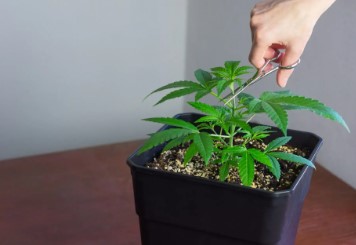
To optimize Jelly Roll yield and cannabinoid production, growers use the following training methods:
- Low-Stress Training (LST): Gently bending and tying down branches exposes more bud sites to light, promoting even growth and maximizing yield.
- Topping: Removing the top growth point encourages lateral branching, creating a bushier plant that supports multiple colas.
- Screen of Green (ScrOG): Using a screen to spread the canopy ensures all bud sites receive equal light, increasing overall efficiency in smaller spaces.
5. Flowering Time and Harvesting
- Flowering Period: Jelly Roll has a relatively standard flowering period of 8-10 weeks. During this time, maintaining stable environmental conditions is crucial to ensure resin production and terpene preservation.
- Signs of Readiness: Harvest Jelly Roll when the trichomes are mostly milky with some amber hues, indicating peak potency. Use a magnifying tool to inspect the trichomes on the buds.
- Flushing: Flush the plants with pure water 1-2 weeks before harvest to remove residual nutrients, enhancing flavor and smoke smoothness.
6. Post-Harvest Processes
- Drying: Hang the harvested buds in a dark, well-ventilated space at around 60\u00b0F (15\u00b0C) and 50-60% humidity. This step typically takes 7-14 days.
- Curing: Place dried buds in airtight jars and “burp” them daily for 2-4 weeks. Curing improves potency and develops the strain complex flavor profile.
7. Pest and Disease Management
Jelly Roll plants are susceptible to pests and diseases, especially in indoor cultivation where air circulation is limited:
- Common Pests: Spider mites, aphids, and fungus gnats. Use natural predators (e.g., ladybugs) or organic sprays (e.g., neem oil) to control infestations.
- Disease Prevention: Ensure proper air circulation and maintain humidity levels to prevent mold and powdery mildew. Check plants frequently for early disease symptoms.
8. Enhancing Cannabinoid and Terpene Production
- UV-B Light Exposure: Introducing UV-B light during the flowering stage has been shown to increase THC levels in cannabis plants.
- Controlled Stress: Techniques like “supercropping” (bending branches without breaking them) can stimulate resin production as the plant responds to perceived threats.
- Terpene Boosting: Using organic supplements such as kelp, molasses, and compost teas can enhance terpene profiles, adding depth to Jelly Roll signature grape and berry aroma.
9. Yield Expectations
- Indoor Yield: With proper techniques and optimal conditions, Jelly Roll can produce 400-500 grams per square meter.
- Outdoor Yield: In ideal climates, outdoor plants can yield 500-700 grams per plant, depending on size and care.
Availability
Jelly Roll is widely available in dispensaries across regions where cannabis is legal. It can be purchased in various forms, including dried flower, pre-rolls, concentrates, and edibles. Its growing popularity has also led to increased availability of seeds and clones for home cultivation.
Conclusion
Jelly Roll is a standout cannabis strain that offers a balanced blend of recreational and medical benefits. Its unique flavor profile, potent effects, and therapeutic versatility make it a favorite among users and cultivators alike. Whether you’re seeking relief from chronic pain, stress, or simply looking to enhance your recreational experience, Jelly Roll delivers on all fronts. With ongoing research into its cannabinoids and terpenes, the future holds even more promise for this remarkable strain.
For a complete directory of cultivars, visit our Cannabis Strain Reviews.
