Table of Contents
Jedi Kush is an indica-dominant hybrid cannabis strain that has gained popularity for its well-balanced effects and unique flavor profile. A cross between the famous strains SFV OG Kush and the well-regarded Afghani, Jedi Kush offers a combination of robust body relaxation, mental clarity, and potent therapeutic benefits. While it is primarily sought after for its recreational qualities, Jedi Kush is also highly regarded in the medical cannabis community due to its wide range of therapeutic properties.
This strain’s name, Jedi Kush, is a nod to the popular Star Wars franchise, as it is said to provide an otherworldly experience. Jedi Kush is typically used for relaxation, stress relief, and sleep, making it ideal for usage in the evening or to relax after a demanding day. Additionally, Jedi Kush is known for its potency, often boasting THC content ranging from 20% to 25%, which makes it appealing to both novice users and experienced cannabis consumers.
Genetics and Origins
SFV OG Kush: A descendant of the original OG Kush, SFV OG is a beloved cultivar known for its citrusy, piney aroma and balanced effects. This strain is widely recognized for its uplifting yet soothing effects, making it ideal for stress relief and promoting mental clarity.
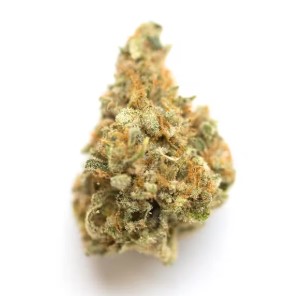
Afghani: A pure indica landrace strain originating from the mountainous regions of Afghanistan, Afghani is known for its calming and sedative effects. This strain brings a heavy body high and deep relaxation, often used for pain relief and promoting sleep.
By combining these two powerful strains, Jedi Kush achieves a synergy that balances both physical relaxation and mental clarity. The result is a hybrid strain that provides a full-spectrum cannabis experience, where the best aspects of both indica and sativa traits shine.
Appearance and Aroma
Jedi Kush is a visually striking cannabis strain with large, dense buds covered in vibrant green hues and a thick layer of frosty trichomes. The buds typically have orange pistils that contrast nicely with the green foliage. The plant’s dense and compact structure makes it ideal for indoor cultivation, as it responds well to controlled environments and pruning techniques.
Aroma: Jedi Kush’s aroma is complex and aromatic, combining earthy, piney, and citrus notes with hints of spice and diesel. When broken apart, the buds release a strong pungency, which is characteristic of its OG Kush parent. There is a distinct sharpness to the scent, often described as skunky with undertones of sweet wood and incense.
Flavor: When smoked or vaporized, Jedi Kush delivers a smooth, flavorful experience. The taste is similar to the aroma with a mix of pine, citrus, and herbal notes. Many users also report a subtle, sweet aftertaste, which adds to the overall appeal of this strain.
Cannabinoid Profile
Jedi Kush is renowned for its high THC content, which typically ranges from 20% to 25%. The high THC levels are responsible for its potent effects, which can induce euphoria and relaxation.
- THC: 20%–25% (average: 22%)
- CBD: 0.1%–0.5% (minimal)
- CBG (Cannabigerol): Trace amounts
Because of its relatively low CBD content, Jedi Kush is not ideal for those seeking CBD-dominant therapeutic effects. However, the combination of high THC and trace cannabinoids like CBG may still offer some health benefits, as CBG is believed to possess anti-inflammatory, anti-bacterial, and pain-relieving properties.

The entourage effect, which refers to the interaction between cannabinoids and terpenes in the body, is a key factor in Jedi Kush’s overall experience. This phenomenon helps enhance the strain’s medicinal effects and contributes to its psychoactive effects as well.
Terpene Profile
Jedi Kush’s terpene profile is an essential component of its aroma, flavor, and effects. Terpenes are aromatic compounds found in cannabis and other plants, and they play a crucial role in determining the overall experience. Jedi Kush contains a mix of terpenes that enhance its relaxing and mood-elevating properties. This strain has a number of prominent terpenes, including:
- Myrcene: This is one of the most abundant terpenes in Jedi Kush and contributes to its earthy, herbal aroma. Myrcene is known for its sedative and relaxing effects, making it ideal for those seeking stress relief and sleep aid.
- Limonene: This citrus-scented terpene is responsible for the uplifting effects of Jedi Kush. It has been linked to mood enhancement, stress relief, and anti-anxiety properties.
- Caryophyllene: Known for its spicy, peppery scent, caryophyllene also has anti-inflammatory properties. It has the unique ability to bind to CB2 receptors in the body’s endocannabinoid system, potentially aiding in pain relief and reducing inflammation.
- Pinene: Pinene, with its fresh, pine-like aroma, has been shown to have memory-enhancing and anti-inflammatory effects. It may help improve cognitive function while also providing a refreshing lift to the high.
Recreational Uses of Jedi Kush
Relaxation: Jedi Kush is well-known for its ability to induce deep relaxation, making it an great option for relaxing after a demanding day. The strain’s sedative properties, contributed by its Afghani genetics, are particularly useful for reducing stress and calming the mind.
Mood Enhancement: The limonene terpene present in Jedi Kush offers mood-lifting effects. Users often report feeling euphoric, happy, and uplifted, making this strain a great option for social settings or creative endeavors.
Pain Relief: Although primarily a relaxing strain, Jedi Kush also has analgesic properties that can be helpful for those dealing with chronic pain, muscle spasms, or tension. The caryophyllene in the strain may help to alleviate discomfort while enhancing the overall experience.
Creativity and Focus: While its effects are relaxing, Jedi Kush does not typically result in mental fog or confusion. Users have reported feeling a heightened sense of creativity and focus, making this strain suitable for activities like brainstorming, art, or writing.
Sleep Aid: Given its sedative qualities, Jedi Kush is also commonly used by recreational users who have trouble falling asleep or who suffer from insomnia. Its ability to calm the body and mind makes it an ideal choice for those seeking restful, uninterrupted sleep.
Medical Uses of Jedi Kush
Jedi Kush’s medical applications are vast, with the strain being particularly useful for patients dealing with stress, anxiety, insomnia, and chronic pain. Its balanced effects allow it to be beneficial for a variety of conditions without overwhelming the user with intense psychoactivity.
Stress and Anxiety: One of the most common medical uses of Jedi Kush is to help alleviate symptoms of stress and anxiety. The strain’s calming and mood-lifting effects are effective in reducing tension and helping patients feel at ease. The presence of limonene and myrcene, both of which are known to reduce anxiety, make Jedi Kush a popular option for individuals suffering from generalized anxiety disorder (GAD) or occasional stress.
Chronic Pain: Jedi Kush’s analgesic properties make it suitable for patients dealing with chronic pain ailments such multiple sclerosis, fibromyalgia, and arthritis. The anti-inflammatory effects of caryophyllene and myrcene can help reduce swelling, alleviate discomfort, and promote relaxation in affected areas.
Insomnia: Jedi Kush’s sedative qualities make it an excellent choice for individuals struggling with sleep disorders. The strain’s ability to induce deep relaxation and alleviate stress makes it easier for patients to fall asleep and stay asleep, providing relief for those dealing with insomnia.
Muscle Spasms and Tension: The relaxing and pain-relieving effects of Jedi Kush can also help alleviate muscle spasms and tension. This makes it a good option for individuals suffering from conditions such as muscular dystrophy, muscle strains, or spasticity caused by neurological disorders.
Appetite Stimulation: While Jedi Kush is not typically known for causing intense hunger pangs like other strains, it may still have a mild appetite-stimulating effect. This can be beneficial for patients who struggle with eating due to conditions like chemotherapy-induced nausea or eating disorders.
The cultivation of cannabis, including the Jane Doe strain, involves a number of intricate scientific and agricultural methods to maximize plant health, yield, and potency. Cultivators of cannabis, including for specific strains like Jane Doe, employ various techniques to control the growing environment, ensure healthy development, and achieve high-quality flower production.
Genetics and Breeding
The first step in the cultivation of any cannabis strain is selecting the right genetics. For the Jane Doe strain, breeders may choose parent plants based on desired traits such as THC/CBD levels, terpene profiles, resistance to diseases, and overall vigor. Crossbreeding different cannabis strains helps to enhance specific traits, producing offspring that meet specific cultivation needs.
- Feminized Seeds: Feminized seeds are a popular choice for cultivators who want to ensure that the plants will be female, which produce the resinous buds containing THC and CBD. This is crucial for strains like Jane Doe, where the focus is on maximizing bud production.
- Cloning: Cultivators may also propagate Jane Doe through cloning, where cuttings are taken from a mother plant and rooted to produce genetically identical plants. This ensures uniformity in characteristics like yield and cannabinoid content.

Soil vs. Hydroponic Cultivation
Cannabis can be grown either in soil or hydroponically (using water-based nutrient solutions rather than soil). Both methods have scientific advantages depending on the cultivation goals for Jane Doe.
Soil Cultivation
Growing in soil is the most traditional method and allows for a natural growing process. The soil provides nutrients through organic matter, microorganisms, and minerals, creating a symbiotic environment for the plants. The method allows for a slower nutrient release, encouraging a more natural growth cycle.
- Soil composition: Soil used for cannabis cultivation needs to be rich in organic matter and well-drained. Ideal soil for Jane Doe would have a pH level of 6.0-7.0, which is slightly acidic to neutral.
- Nutrient management: Organic nutrients, including compost and compost teas, can be used to nourish the plants. The microbial life in the soil also helps break down organic materials, making nutrients more available to the plant.
Hydroponic Cultivation
Hydroponic cultivation allows for more control over nutrients and often results in faster growth and larger yields. In hydroponic systems, nutrient-rich water is delivered directly to the plant roots, offering superior access to the essential nutrients.
- Systems: Common hydroponic systems include deep water culture (DWC), nutrient film technique (NFT), and flood-and-drain (also called Ebb and Flow).
- Nutrient solutions: Hydroponic growers need to carefully monitor nutrient levels to prevent deficiencies or toxicities. pH levels should be kept within the optimal range of 5.5 to 6.5 for cannabis to absorb nutrients efficiently.
- Benefits: For strains like Jane Doe, hydroponics can optimize growth speed and maximize the production of trichomes (resin glands), which produce THC and other cannabinoids.
Environmental Control (Climate, Light, Humidity)
The growth of cannabis is highly sensitive to environmental conditions, and growers must maintain optimal conditions for each stage of the plant’s development.
Temperature
Cannabis plants grow best in a temperature range of 70-85°F (21-29°C) during the day, with a slight dip in temperature at night (60-70°F, or 16-21°C). Temperatures outside this range can stress the plant and affect the potency of the cannabinoids.
- Heat stress: Prolonged exposure to high temperatures can result in reduced yield and may even damage the plant’s cells. For Jane Doe, ensuring that temperatures remain within the optimal range can help produce high-quality buds with desirable cannabinoid profiles.
- Cold stress: Cold temperatures below 50°F (10°C) can stunt growth and result in poor flower production.
Light
Light is one of the most crucial factors influencing cannabis growth. During the vegetative stage, cannabis requires at least 18 hours of light per day. In the flowering stage, reducing light to 12 hours per day triggers the plant’s transition to the flowering phase.
- Light intensity: The intensity and spectrum of light are important to cultivate cannabis with high cannabinoid content. High-Pressure Sodium (HPS) lights and Metal Halide (MH) lights are commonly used during different stages. LED lights are also popular for energy-efficient cultivation.
- Photoperiod: Strains like Jane Doe that are photoperiod-sensitive need light schedules that mimic the seasons. Growers will typically use artificial lighting in indoor cultivation to control light cycles.
Humidity
Cannabis plants, including Jane Doe, thrive in relative humidity of 40-60% during vegetative growth. During flowering, humidity is lowered to around 40-50% to reduce the risk of mold and mildew.
- High humidity risks: If humidity is too high, it can promote the growth of mold and mildew, which can damage the buds and reduce yield.
- Humidity control: In indoor setups, dehumidifiers and air conditioning systems can be used to maintain the right balance of moisture in the air.
Nutrient Management and Feeding
Nutrient management is a key component of cannabis cultivation, and Jane Doe plants, like all cannabis, require a range of macro and micronutrients to grow optimally.
Macronutrients
- Nitrogen (N): Essential for vegetative growth, nitrogen helps with the development of stems, leaves, and roots.
- Phosphorus (P): Supports root development and is essential for flower production during the flowering stage.
- Potassium (K): Regulates metabolic processes and water uptake, which is critical for overall plant health.
Micronutrients
- Calcium (Ca): Necessary for strong cell walls, which helps in overall plant structure.
- Magnesium (Mg): Part of the chlorophyll molecule, which is involved in photosynthesis.
- Sulfur (S): Important for amino acids and proteins in the plant.
Cannabis plants like Jane Doe also require trace elements like iron, manganese, zinc, and copper. Nutrient deficiencies can cause issues such as yellowing leaves, poor growth, and decreased resin production.
Organic vs. Synthetic Nutrients
- Organic nutrients are derived from natural sources and promote healthy soil biology. For example, organic fertilizers include compost, fish emulsion, and bone meal.
- Synthetic nutrients are chemically manufactured and provide more immediate availability to the plant. However, they can lead to salt buildup in the soil and are generally less eco-friendly.
Pruning and Training Techniques
Pruning and training methods are employed to optimize light penetration and air circulation, and to direct the plant’s energy toward producing quality buds.
Low-Stress Training (LST)
To achieve an equal canopy, LST entails gently bending and tying down the branches. This allows light to reach more bud sites, which can increase overall yield.
High-Stress Training (HST)
This includes techniques like topping and fimming, which involve cutting the main stem to encourage the plant to branch out. While these techniques stress the plant, they can result in a higher number of cola sites (flowering tops) and, thus, higher yields.
Screen of Green (ScrOG)
This method uses a mesh screen placed above the plant, which encourages the plant to grow horizontally rather than vertically. It improves light distribution and maximizes flower production.
Harvesting and Post-Harvest Processing
The timing of the harvest is crucial for the quality and potency of the final product. Cannabis cultivators monitor the trichomes on the buds to determine the optimal time for harvesting.
Trichome Inspection
The trichomes are resin glands that contain cannabinoids like THC and CBD. When trichomes are clear, the plant is immature; when they are cloudy or milky, the plant is at peak potency; and when they turn amber, the THC content starts to degrade, which might result in a more sedative effect.
Drying and Curing
After harvesting, the flowers must be carefully dried to prevent mold and preserve the terpenes and cannabinoids. The drying process typically takes 7-10 days in a controlled environment with temperatures of 60-70°F (15-21°C) and humidity levels of 50-60%. After drying, curing can take several weeks, which enhances the flavor, aroma, and potency of the buds.
Potential Side Effects
While Jedi Kush offers a range of benefits, it’s important to be aware of potential side effects. As with most cannabis strains, side effects are dose-dependent and can vary from user to user. Common side effects of Jedi Kush include:
- Dry Mouth: Like many cannabis strains, Jedi Kush may cause dry mouth, commonly referred to as “cottonmouth.” Staying hydrated can help alleviate this discomfort.
- Dry Eyes: Some users may experience dry eyes after consuming Jedi Kush. Artificial tears or eye drops can help relieve this issue.
- Dizziness: In higher doses, Jedi Kush may cause feelings of dizziness or lightheadedness. New users or those with lower tolerance should start with a small amount to gauge their reaction.
- Anxiety or Paranoia: Although Jedi Kush is known for its calming effects, consuming too much of it may lead to heightened anxiety or paranoia, especially in individuals who are sensitive to THC.
Conclusion
Jedi Kush is a versatile and potent strain that offers a wide array of benefits for both recreational and medical cannabis users. Its calming, relaxing, and mood-enhancing properties make it ideal for unwinding after a long day, while its therapeutic effects offer relief for a range of medical conditions, including stress, anxiety, pain, and insomnia.
The strain’s balanced genetic makeup, combined with its unique terpene profile and high THC content, makes Jedi Kush a sought-after choice among cannabis enthusiasts. Whether you’re looking for relief from chronic pain or simply want to relax and enjoy a euphoric experience, Jedi Kush provides an exceptional option with its unique combination of effects.
For a complete directory of cultivars, visit our Cannabis Strain Reviews.
