Table of Contents
The Jean Guy cannabis strain is a popular and highly regarded hybrid that is beloved for its distinctive effects, flavor profile, and therapeutic benefits. This strain has earned its place in the cannabis community due to its potent and balanced effects, which make it suitable for a wide range of recreational and medicinal uses. Below, we provide a detailed, structured analysis of Jean Guy, covering its origins, genetics, appearance, aroma, effects, medical uses, and scientific aspects.
1. Origins and Genetics
Jean Guy is a hybrid strain, typically considered a Sativa-dominant hybrid, though its precise genetic origins can be a bit obscure. It is often believed to have been bred by crossing White Widow (a well-known hybrid) with Afghan Kush (a pure Indica), though some sources suggest it may also be a cross between Sativa strains like Cinderella 99 and Lemon Skunk. Jean Guy is known for being cultivated primarily in Canada, where it has gained a dedicated following.
Jean Guy’s genetic composition typically shows a Sativa-to-Indica ratio of about 70% Sativa and 30% Indica, although this ratio can slightly vary depending on the cultivation methods. The strong Sativa influence imparts energizing and cerebral effects, while the Indica genetics help balance the experience with relaxation.
2. Appearance
Jean Guy plants are generally tall and vibrant, showcasing bright green buds, with an abundance of orange pistils that are typical of many hybrid cannabis strains. The buds have a dense structure, which is characteristic of its hybrid nature. The leaves are medium to dark green, and the overall appearance of the strain can often be quite resinous, with visible trichomes coating the surface of the buds.
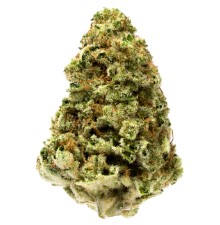
Jean Guy’s flowers tend to have a slightly elongated shape, which is a visual hallmark of its Sativa heritage. The buds themselves, when broken apart, reveal a dense and sticky interior, indicating the high resin content of the strain. This makes Jean Guy a popular choice among those looking to extract concentrates or for those who appreciate a high level of resin production.
3. Aroma and Flavor Profile
One of the standout features of Jean Guy is its distinctive aroma. It is often described as a mix of citrus, pine, and earthy notes, combined with subtle hints of spicy and skunky undertones. The scent has a complexity that is typical of Sativa-dominant strains. When the buds are broken up, the fragrance intensifies, releasing the classic smell of skunk with underlying notes of lemon and herbal spice.
The flavor profile of Jean Guy is similarly complex, offering citrusy and earthy flavors on the inhale, followed by a spicy and slightly sweet exhale. The combination of these flavors makes it a particularly enjoyable strain for those who value complex flavor profiles in their cannabis.
4. Cannabinoid and Terpene Profile
Jean Guy typically has a THC content ranging from 18% to 24%, although it can sometimes exceed this range depending on growing conditions and cultivation techniques. This high THC content contributes to its potency and the well-rounded effects it produces.

The strain’s terpene profile is equally important in defining its effects. The primary terpenes found in Jean Guy are:
- Limonene: This terpene is primarily responsible for the citrusy aroma of the strain. It has been shown to have potential anti-anxiety, antidepressant, and anti-inflammatory effects.
- Pinene: Known for its piney smell, pinene is thought to have anti-inflammatory and bronchodilator properties, which can be helpful for those with respiratory issues.
- Myrcene: This terpene imparts an earthy, musky scent and is often found in many cannabis strains. It is known for its relaxing and sedative effects, potentially enhancing the overall calming effects of Jean Guy.
- Caryophyllene: Giving off a spicy, peppery aroma, caryophyllene is the only terpene that directly interacts with the body’s CB2 receptors. It has potential anti-inflammatory and pain-relieving benefits.
- Terpinolene: A floral and herbal terpene, terpinolene is often associated with antioxidant and antimicrobial effects.
The combination of these terpenes contributes not only to the strain’s flavor but also to its diverse therapeutic effects.
5. Effects: Recreational Use
Jean Guy is renowned for its balanced effects. Given its Sativa-dominant genetics, Jean Guy is well-regarded for its ability to deliver a clear-headed high while also promoting relaxation. The high typically begins with an immediate uplift, leading to an energetic and euphoric head buzz that stimulates mental clarity and creativity. This makes it an excellent strain for social activities or creative pursuits like writing, drawing, or brainstorming.
As the high continues, Jean Guy provides a calming body relaxation that doesn’t leave users feeling overly sedated or couch-locked, making it a great choice for those who want to remain active and engaged while enjoying the benefits of cannabis.
Common Recreational Effects:
- Euphoria: The initial burst of euphoria provides a sense of joy and elation.
- Mental Clarity: Users experience heightened focus and concentration, which can be helpful for activities that require mental engagement.
- Relaxation: Although Jean Guy is uplifting, it provides a relaxing body high that does not induce heavy sedation.
- Increased Sociability: The strain’s balanced effects make it great for social interactions, as users often feel chatty and more connected with others.
Given its energizing nature, Jean Guy is best used during the day or early evening when users want to feel uplifted without sacrificing mental clarity.
6. Medical Use
Jean Guy is increasingly being sought after for its therapeutic potential. Thanks to its well-rounded effects and beneficial terpene profile, this strain has a wide range of medical applications. Below, we break down some of the primary medicinal benefits associated with Jean Guy:
6.1. Mood Disorders
Jean Guy is particularly effective for individuals suffering from anxiety and depression. The strain’s uplifting effects can help elevate mood, while the limonene and pinene terpenes have been shown to reduce feelings of stress and anxiety. The balance between its euphoric mental stimulation and its calming body effects makes it a great strain for those looking to combat negative thoughts or emotional turmoil.
- Anxiety Relief: Jean Guy can provide relief from anxiety and help individuals feel more grounded and relaxed.
- Depression Management: Its mood-boosting properties can be particularly useful for those dealing with depressive symptoms.
6.2. Pain and Inflammation
The caryophyllene and myrcene in Jean Guy may offer anti-inflammatory and analgesic properties, making it effective for managing chronic pain. Whether it’s muscle aches, joint pain, or general inflammation, this strain can help reduce discomfort while also promoting relaxation. It is particularly useful for conditions like arthritis and fibromyalgia.
- Chronic Pain Relief: The strain’s analgesic effects make it useful for those dealing with ongoing pain.
- Anti-inflammatory Effects: Jean Guy’s ability to reduce inflammation can help alleviate conditions like arthritis or muscle soreness.
6.3. Focus and Cognitive Function
Thanks to its cerebral effects, Jean Guy is frequently used by individuals who need a boost in focus or mental clarity. It has become a popular strain for ADHD patients or those experiencing brain fog or cognitive fatigue.
- Mental Clarity: Its stimulating nature promotes focus and concentration, which can be beneficial for tasks requiring mental engagement.
- Cognitive Stimulation: Users have reported enhanced creativity, making it a helpful strain for brainstorming and problem-solving.
6.4. Appetite Stimulation
Like many cannabis strains, Jean Guy has been noted to stimulate the appetite. This makes it a helpful choice for individuals dealing with conditions like cancer, HIV/AIDS, or eating disorders where appetite suppression is an issue.
7. Potential Side Effects
The Jane Doe cannabis strain, like other cannabis varieties, has specific cultivation requirements that affect its growth, yield, and overall quality. Cultivation methods for cannabis strains involve several scientific principles related to plant biology, soil chemistry, environmental control, and genetics. Below is a comprehensive breakdown of the cultivation methods specific to the Jane Doe cannabis strain:
Genetics and Breeding
- Origins of Jane Doe Strain: Understanding the genetics of Jane Doe is essential to understanding its cultivation needs. The strain could be an F1 hybrid, a cross between two genetically distinct parents, or a more stabilized hybrid. The genetic profile influences traits such as plant height, flowering time, THC/CBD content, and resistance to pests or diseases.
- Phenotype Selection: In cannabis breeding, phenotype refers to the observable physical and biochemical characteristics of the plant, such as color, shape, or resistance to environmental factors. Growers can select specific phenotypes that show desirable traits like higher resin production, improved terpene profiles, or stronger disease resistance.
Germination and Seedling Stage
- Seed Selection: High-quality seeds are fundamental for cultivating high-performing cannabis. The Jane Doe strain, like many premium cannabis strains, is likely available in feminized seeds. Due to breeding, these seeds only yield female plants, which are the ones that produce the potent buds sought after by growers and consumers.
- Germination Process: The first step in the cultivation of Jane Doe is germinating the seeds. This is typically done using the paper towel method or directly in a small pot with a light soil mix. The temperature and humidity are closely monitored to ensure that the seeds sprout successfully, as these conditions can influence the speed of germination.
- Seedling Environment: Once germinated, the plants need a stable, warm environment with high humidity and low-intensity light. Seedlings should be kept in containers that promote root development, such as small pots with well-draining soil.
Vegetative Stage
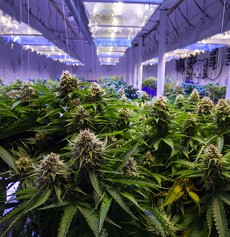
- Light Cycle: During the vegetative stage, cannabis plants like Jane Doe thrive under a light 18–24 hour light cycle per day. The amount of light influences the plant’s growth rate, root development, and overall size. In indoor cultivation, artificial lighting, such as high-intensity discharge (HID) lamps, LED lights, or fluorescent lights, are typically used.
- Environmental Conditions: The ideal temperature for the vegetative stage is between 70-85°F (21-29°C), and relative humidity should be kept between 40-70%. Consistent airflow, particularly in indoor environments, ensures that the plants receive fresh CO2 and helps prevent mold growth, a common issue during this stage.
- Nutrient Management: Cannabis plants require a balanced mix of nitrogen (N), phosphorus (P), and potassium (K) during their vegetative phase, along with secondary nutrients like calcium, magnesium, and sulfur. Nitrogen is crucial for the development of healthy leaves and stems, which are essential for photosynthesis. Over-fertilization should be avoided, as it can lead to nutrient burn and damage to the plant.
Flowering Stage
- Light Cycle Adjustment: To trigger flowering, cannabis plants need a 12-hour light/dark cycle. The transition from the vegetative stage to the flowering stage is critical, as it signals the plant to produce buds. During this stage, the Jane Doe strain will begin to show distinct signs of its gender (if grown from non-feminized seeds) and start developing the flower clusters that are ultimately harvested.
- Environmental Control: Temperature during the flowering phase should be kept between 65-80°F (18-27°C). It’s also crucial to manage humidity levels, especially during the later stages of flowering. High humidity can lead to mold and mildew growth, especially in dense buds, so it’s recommended to keep the relative humidity at 40-50%.
- Nutrient Adjustment: During flowering, cannabis plants require more phosphorus and potassium to support bud development. Growers often switch to a bloom fertilizer with a higher P-K ratio and lower nitrogen content. The nutrients should be carefully balanced to avoid deficiencies that could stunt bud growth or lead to poor resin production.
- Flushing: Towards the end of the flowering stage, many growers perform a “flush,” which involves providing the plant with only water and no additional nutrients for about 1-2 weeks. This helps remove excess salts from the soil, leading to a smoother, cleaner taste in the final product.
Training and Pruning
- Training Techniques: The Jane Doe strain may benefit from various plant training methods to optimize yields and maintain an even canopy. Techniques such as Low Stress Training (LST), where branches are gently bent to grow horizontally, or the Screen of Green (ScrOG) method, where plants are trained to grow through a screen to form an even layer, can be useful.
- Pruning and Topping: Pruning involves removing leaves or branches that are blocking light or air circulation, allowing the plant to direct more energy to the buds. Topping, which involves cutting off the top of the plant, encourages the development of multiple colas (flowering sites), resulting in more abundant yields.
Harvesting and Post-Harvest Processing
- Harvest Timing: The ideal harvest time for Jane Doe is determined by the appearance of the trichomes (resin glands) on the buds. Trichomes change from clear to milky white to amber as the plant matures. Most growers prefer to harvest when the trichomes are milky, as this is when the amount of THC is at its highest.
- Cutting and Drying: After harvesting, cannabis plants need to be carefully trimmed and hung to dry in a cool, dark, and well-ventilated area. The drying process typically takes 7-14 days, depending on the environment. The goal is to reduce moisture content to around 60-65% to prevent mold growth and ensure proper curing.
- Curing: After drying, buds are placed in airtight containers for curing. This process allows the cannabis to further mature, enhancing its flavor, aroma, and overall smoothness when smoked. Curing takes several weeks, with periodic “burping” (opening the containers for short periods) to release moisture and replenish air.
Pest and Disease Management
- Common Pests: Cannabis plants like Jane Doe are susceptible to pests such as spider mites, aphids, and whiteflies. Integrated Pest Management (IPM) techniques, such as introducing natural predators (like ladybugs) or using organic pesticides (like neem oil), can help prevent infestations.
- Fungal Diseases: Fungal pathogens like powdery mildew and botrytis (gray mold) can be problematic, especially in humid environments. Proper airflow, low humidity, and regular monitoring can help minimize the risk of these diseases. Additionally, preventative sprays with fungicides or beneficial fungi can be used to protect plants.
- Soil Health: Maintaining healthy soil is crucial for cannabis cultivation. The soil should have a slight acidity, be rich in organic matter, drain properly, and have a pH between 6.0 and 7.0. Soil testing and amendments based on deficiencies or imbalances help ensure optimal plant growth.
Hydroponic vs. Soil Cultivation
Hydroponic Systems: Hydroponic systems, where plants are grown without soil in nutrient-rich water solutions, can accelerate growth and lead to higher yields. Methods like Deep Water Culture (DWC) or the Nutrient Film Technique (NFT) allow for more precise control over nutrient levels and water, but they require a more significant initial investment in equipment and ongoing monitoring.
Soil Cultivation: Growing Jane Doe in soil allows for a more natural and organic cultivation process. Soil can retain nutrients, and its microflora can enhance the plant’s uptake of those nutrients. However, soil cultivation requires more space and time for the plants to fully mature.
8. Conclusion
Jean Guy is a versatile cannabis strain that is popular both recreationally and medicinally. Its Sativa-dominant genetics contribute to its uplifting effects, making it ideal for daytime use, social interactions, or creative activities. At the same time, its Indica genetics provide a calming body relaxation that helps mitigate stress and discomfort. Whether used for its mood-boosting properties, pain relief, or mental clarity, Jean Guy is a well-rounded strain that suits a variety of needs. As with any cannabis strain, users should be mindful of their dosage to avoid possible adverse effects, such as lightheadedness or dry mouth.
For a complete directory of cultivars, visit our Cannabis Strain Reviews.
