Table of Contents
Jawa Pie is a unique and flavorful cannabis strain that has garnered attention for its enticing aroma, balanced effects, and potential therapeutic applications. This hybrid strain is a product of genetic engineering aimed at combining the best traits of its parent strains. Jawa Pie is the offspring of Key Lime Pie and Alien Rift, resulting in a balanced hybrid with an approximate 50/50 split between indica and sativa characteristics. The strain often boasts THC levels ranging from 18% to 22%, with minimal CBD content, typically below 1%.
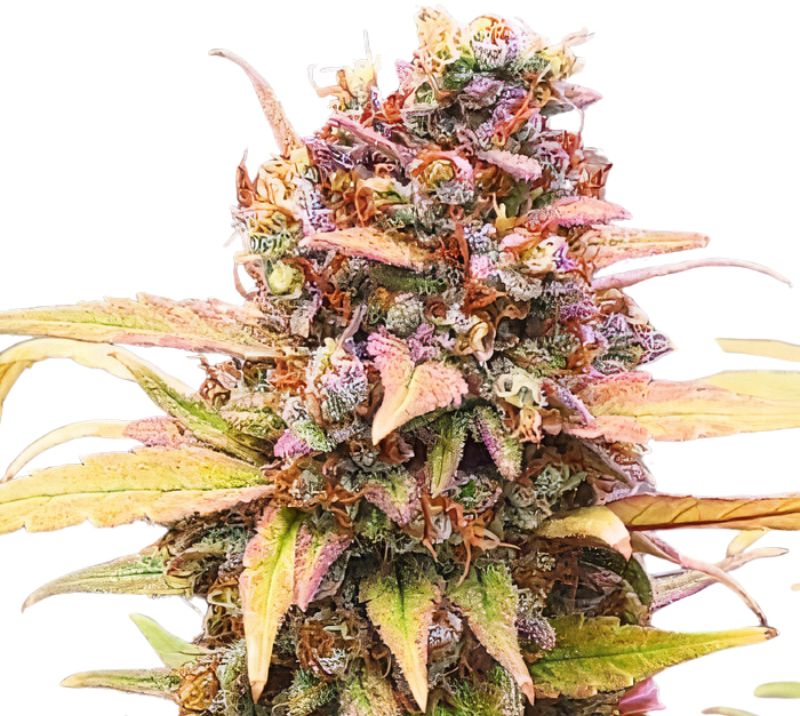
The name “Jawa Pie” is a playful nod to its lineage and its unique flavor profile, which is often compared to a zesty dessert. The buds are dense, featuring vibrant green hues interspersed with orange pistils and a generous coating of frosty trichomes. This strain’s visually appealing appearance is complemented by its robust terpene profile, which contributes to its distinctive aroma and flavor.
Terpene Profile
Jawa Pie’s terpene composition is a significant factor in its popularity, contributing not only to its flavor and aroma but also to its therapeutic effects. The dominant terpenes found in Jawa Pie include:
- Limonene: Known for its citrusy aroma, limonene is associated with stress relief and mood enhancement.
- Caryophyllene: This spicy, peppery terpene has anti-inflammatory and pain-relieving properties.
- Myrcene: Commonly found in many cannabis strains, myrcene is known for its sedative effects and earthy aroma.
- Pinene: This terpene imparts a refreshing pine scent and is believed to promote alertness and respiratory health.
Aroma and Flavor Profile
Jawa Pie delivers a delightful sensory experience with its complex aroma and flavor. The strain’s scent is a blend of sweet, zesty lime, spicy undertones, and a hint of earthiness. Upon consumption, users often describe flavors reminiscent of a tangy citrus dessert with subtle notes of vanilla and spice, making it a favorite among connoisseurs who appreciate unique taste profiles.
Effects and Recreational Uses
Jawa Pie is celebrated for its balanced effects, offering a blend of euphoria and relaxation that both inexperienced and seasoned users will find appealing. The strain’s high typically begins with a cerebral uplift, inducing feelings of happiness, creativity, and mental clarity. This is followed by a gentle body relaxation that soothes tension without causing excessive sedation.
Recreational Applications
- Social Settings: Jawa Pie’s mood-enhancing effects make it an excellent choice for social gatherings, helping users feel more talkative and engaged.
- Creative Pursuits: The strain’s cerebral stimulation can inspire creativity, making it popular among artists, writers, and other creative professionals.
- Relaxation: While it doesn’t typically induce couch-lock, Jawa Pie’s relaxing effects make it suitable for unwinding after a long day.
Medical Uses
Jawa Pie has gained recognition in the medical cannabis community for its potential to address a variety of conditions. Its balanced effects make it versatile, appealing to patients seeking relief without excessive sedation or overstimulation.
Potential Medical Benefits
- Chronic Pain Relief: Thanks to its caryophyllene content, Jawa Pie may help reduce inflammation and alleviate chronic pain associated with conditions like arthritis, fibromyalgia, and migraines.
- Anxiety and Depression: The uplifting effects of limonene can help improve mood and reduce symptoms of anxiety and depression.
- Stress Reduction: Jawa Pie’s calming properties make it effective for managing stress and promoting relaxation.
- Appetite Stimulation: Like many cannabis strains, Jawa Pie may help stimulate appetite, making it useful for individuals receiving chemotherapy or experiencing appetite loss as a result of illnesses.
- Sleep Support: While not as sedative as some indica-dominant strains, Jawa Pie’s relaxing effects can assist consumers in relaxing and getting ready for a good night’s sleep.
Comprehensive Scientific Insights
The therapeutic potential of Jawa Pie lies in its chemical composition, primarily its cannabinoids and terpenes. These compounds interact with the body’s endocannabinoid system (ECS), which regulates various physiological processes, including mood, pain, appetite, and sleep.
Cannabinoids
- THC: Tetrahydrocannabinol is the primary psychoactive compound in Jawa Pie, responsible for its mood-enhancing and analgesic effects. THC binds to CB1 receptors in the brain, influencing perception, mood, and pain.
- CBD: While present in minimal amounts, cannabidiol (CBD) contributes to the strain’s overall therapeutic profile by modulating the effects of THC and providing additional anti-inflammatory and anxiolytic benefits.
Terpenes and the Entourage Effect
The entourage effect refers to the synergistic interaction between cannabinoids and terpenes, enhancing the strain’s overall therapeutic efficacy. For example:
- Limonene’s stress-relieving properties may be amplified when combined with THC’s mood-enhancing effects.
- Caryophyllene’s ability to bind to CB2 receptors can complement the anti-inflammatory benefits of CBD.
Growing Information
1. Optimal Growing Conditions
Climate
Jawa Pie thrives in a warm, slightly humid climate. Ideal conditions mimic a Mediterranean environment:
- Temperature: 70\u00b0F to 80\u00b0F (21\u00b0C to 27\u00b0C) during the vegetative stage. Cooler temperatures, around 65\u00b0F to 75\u00b0F (18\u00b0C to 24\u00b0C), are recommended during flowering to enhance trichome production and preserve terpenes.
- Humidity: Maintain relative humidity (RH) at:
- Vegetative stage: 50-60%
- Flowering stage: 40-50%
- Late flowering: 30-40% to prevent mold and mildew.
Light
- Indoors: Jawa Pie benefits from 18 hours of light during the vegetative stage and 12 hours during flowering.
- Outdoors: Ensure at least 8-12 hours of direct sunlight for optimal growth.
2. Soil vs. Hydroponics
Soil Cultivation
- Advantages:
- Easier for beginners as soil acts as a natural buffer.
- Enhances terpene production, leading to better flavor profiles.
- Best Soil Mix:
- Loamy soil with good drainage and a pH of 6.0-6.5.
- Amend with organic compost, perlite, and coco coir for improved aeration and water retention.
Hydroponics
- Advantages:
- Faster growth and higher yields due to direct nutrient delivery.
- Allows precise control over nutrient levels and pH (optimal range: 5.5-6.2).
- Common Systems: Deep Water Culture (DWC), Nutrient Film Technique (NFT), and drip irrigation.
3. Nutrient Requirements

Jawa Pie’s nutrient needs vary across growth stages. The primary nutrients required are:
- Nitrogen (N): Critical during vegetative growth for leaf and stem development.
- Phosphorus (P): Essential during flowering to support bud formation.
- Potassium (K): Supports overall plant health and enhances resistance to pests.
Micro-nutrients
Trace elements like calcium (Ca), magnesium (Mg), and sulfur (S) are necessary to avoid deficiencies:
- Calcium prevents blossom end rot and supports cell wall strength.
- Magnesium boosts chlorophyll production, enhancing photosynthesis.
Feeding Schedule
- Seedling Stage:
- Use a mild nutrient solution with low nitrogen.
- Electrical Conductivity (EC): 0.4-0.6.
- Vegetative Stage:
- High nitrogen, moderate potassium and phosphorus.
- EC: 1.0-1.4.
- Flowering Stage:
- Reduce nitrogen; increase phosphorus and potassium.
- EC: 1.6-2.0.
Flush the plants with pure water during the last 1-2 weeks of flowering to enhance flavor and reduce harshness.
4. Training Techniques
Training methods can significantly enhance yields and quality:
- Low-Stress Training (LST):
- To make an equal canopy, gently bend the stems and secure them.
- Improves light penetration and airflow.
- Topping:
- Cut the main stem above the 4th or 5th node to encourage lateral growth.
- Leads to additional bud locations and bushier plants.
- Screen of Green (ScrOG):
- Use a screen to guide plant growth horizontally.
- Optimizes light distribution and maximizes yields in limited spaces.
5. Pest and Disease Management
Jawa Pie, like many cannabis strains, is susceptible to pests and diseases. Preventive measures and early intervention are key.
Common Pests
- Spider Mites:
- Signs: Yellow spots on leaves and fine webbing.
- Management: Use neem oil, insecticidal soaps, or predatory mites like Phytoseiulus persimilis.
- Aphids:
- Signs: Clusters of small green insects on stems and leaves.
- Management: Introduce ladybugs or spray with a garlic and water solution.
- Fungus Gnats:
- Signs: Larvae in the soil and adult flies around the plant.
- Management: Allow soil to dry between watering and use sticky traps.
Diseases
- Powdery Mildew:
- Signs: White, powdery spots on leaves.
- Prevention: Maintain low humidity and ensure good airflow.
- Treatment: Apply potassium bicarbonate or milk sprays.
- Bud Rot:
- Signs: Gray mold in the center of buds.
- Prevention: Keep humidity low and avoid overwatering.
- Treatment: Remove infected buds immediately.
6. Harvesting and Post-Harvest Care
Harvest Timing
- Trichome Inspection:
- Use a magnifying glass to observe trichomes (tiny resin glands).
- Clear trichomes: Immature.
- Cloudy/milky trichomes: Peak potency.
- Amber trichomes: More sedative effects.
Drying and Curing
- Drying:
- Trimmed buds should be hung upside down in a well-ventilated, dark area.
- Maintain a temperature of 60-70\u00b0F and humidity of 50-60%.
- Drying time: 7-14 days.
- Curing:
- Place dried buds in glass jars, filling them 2/3 full.
- For the first one to two weeks, keep in a cool, dark place and open the jars every day to release moisture.
- Cure for 2-4 weeks (or longer for enhanced flavor and potency).
7. Advanced Techniques
CO2 Enrichment
Supplementing the grow space with carbon dioxide (CO2) can boost growth and yields:
- Optimal CO2 Levels: 1200-1500 ppm during the vegetative and early flowering stages.
- Ensure proper ventilation to prevent CO2 buildup, which can be harmful to plants and humans.
Tissue Culture Propagation
Tissue culture, or micropropagation, is a cutting-edge method to clone Jawa Pie plants in a sterile environment:
- Advantages: Disease-free clones, rapid multiplication, and preservation of genetic traits.
- Requires specialized equipment and expertise.
Methods of Ingestion
Understanding the science behind the methods of ingestion and their respective effects can help users optimize their experience with the Jawa Pie cannabis strain. Below is a detailed breakdown of the common ingestion methods, their onset, duration, and scientific considerations.
1. Inhalation (Smoking or Vaping)
Method
- The process of smoking is burning the dried flower and breathing in the smoke.
- Vaping heats the flower or concentrate below combustion temperatures, releasing cannabinoids and terpenes as vapor.
Onset and Duration
- Onset: Rapid, typically within 1-3 minutes.
- Cannabinoids like THC are absorbed through the alveoli in the lungs and enter the bloodstream almost immediately.
- Peak Effects: Within 15-30 minutes.
- Duration: Effects last approximately 2-4 hours.
Pros
- Fast onset makes it ideal for immediate symptom relief (e.g., pain, anxiety, or nausea).
- Greater control over dosage since effects are almost instantaneous.
- Vaping preserves terpenes, enhancing flavor and therapeutic benefits while reducing exposure to harmful byproducts of combustion.
Cons
- Smoking can irritate the respiratory system due to tar and other combustion byproducts.
- Requires equipment (pipe, vaporizer, etc.).
2. Ingestion (Edibles)
Method
- Cannabis-infused edibles, such as gummies, brownies, or beverages, are consumed orally.
Onset and Duration
- Onset: Delayed, typically 30-90 minutes due to digestion and metabolism.
- THC is metabolized in the liver into 11-hydroxy-THC, a more potent and longer-lasting compound.
- Peak Effects: After 2-4 hours.
- Duration: Lasts 6-8 hours or longer, depending on dose and individual metabolism.
Pros
- Long-lasting effects make it suitable for chronic pain, insomnia, or extended relaxation.
- Discreet and convenient for users who prefer not to inhale.
Cons
- Delayed onset can lead to overconsumption if users don’t wait long enough for effects.
- Effects can vary based on individual metabolism, making precise dosing challenging.
3. Sublingual Administration (Tinctures and Oils)
Method
- Cannabis tinctures or oils are placed under the tongue and held for 30-60 seconds before swallowing.
Onset and Duration
- Onset: Intermediate, typically within 15-30 minutes.
- Cannabinoids are absorbed through the mucous membranes in the mouth, bypassing the digestive system for faster action.
- Peak Effects: Within 45-90 minutes.
- Duration: Lasts 4-6 hours.
Pros
- Faster onset compared to edibles.
- Precise dosing using a dropper.
- Discreet and easy to use.
Cons
- Some users dislike the taste of tinctures.
- Effects may not be as prolonged as edibles.
4. Topical Application
Method
- Creams, balms, or patches containing cannabis are applied topically.
Onset and Duration
- Onset: Localized relief within 15-30 minutes.
- Without going into the bloodstream, cannabinoids interact with the skin’s CB2 receptors.
- Duration: Effects last 2-6 hours, depending on the product and application.
Pros
- Non-psychoactive since cannabinoids do not reach the brain.
- Effective for localized issues like joint pain, inflammation, or skin conditions.
Cons
- Limited to localized effects; does not provide systemic relief.
- Less effective for conditions requiring psychoactive effects or systemic cannabinoid activity.
5. Inhalation (Dabbing Concentrates)
Method
- Involves heating cannabis concentrates (e.g., wax, shatter, or live resin) on a hot surface and inhaling the vapor.
Onset and Duration
- Onset: Extremely rapid, within seconds to 1 minute.
- Peak Effects: Within 10-20 minutes.
- Duration: Lasts approximately 1-3 hours.
Pros
- Extremely potent; small amounts provide intense effects.
- Retains terpene profiles for a robust flavor experience.
- Immediate relief, ideal for severe symptoms (e.g., acute pain or extreme nausea).
Cons
- High potency can overwhelm inexperienced users.
- Need specific tools, such as an e-nail or dab rig.
- Overuse can lead to tolerance or unwanted side effects.
Factors Influencing Onset and Duration
Several variables affect how quickly and how long Jawa Pie’s effects last, regardless of ingestion method:
- Metabolism:
- Faster metabolisms process cannabinoids quicker, leading to shorter effects.
- Tolerance:
- Frequent cannabis users may experience diminished effects due to receptor desensitization.
- Body Composition:
- Because they are lipophilic, cannabinoids attach themselves to fat cells. Individuals with higher body fat may metabolize cannabinoids differently.
- Terpene Interaction:
- Terpenes like myrcene may enhance THC’s effects by increasing cell membrane permeability, accelerating absorption.
- Dose:
- Higher doses result in longer-lasting effects but may increase the risk of side effects.
6. Inhalation via Pre-Rolls or Joints
Method
- Pre-rolled joints or hand-rolled cannabis cigarettes provide a convenient way to smoke Jawa Pie.
Onset and Duration
- Onset: Rapid, within 1-2 minutes.
- Peak Effects: Around 15-30 minutes.
- Duration: Lasts about 2-4 hours.
Pros
- Convenient and portable.
- Provides quick symptom relief.
Cons
- Loss of terpenes due to combustion.
- More wasteful compared to other methods like vaping.
7. Cannabis Beverages
Method
- Infused drinks like teas, sodas, or tonics offer an alternative oral ingestion method.
Onset and Duration
- Onset: Moderate, typically 15-45 minutes, faster than traditional edibles.
- Duration: Lasts 4-6 hours.
Pros
- Faster onset than solid edibles due to quicker absorption in the stomach.
- Easy to consume and dose.
Cons
- Effects may still be variable based on metabolism and stomach contents.
Summary Table: Onset and Duration by Method
| Method | Onset | Peak Effects | Duration | Primary Use |
|---|---|---|---|---|
| Smoking/Vaping | 1-3 minutes | 15-30 minutes | 2-4 hours | Quick relief, recreational/social use |
| Edibles | 30-90 minutes | 2-4 hours | 6-8+ hours | Chronic issues, extended effects |
| Sublingual (Tincture) | 15-30 minutes | 45-90 minutes | 4-6 hours | Discreet, precise dosing, versatile use |
| Topicals | 15-30 minutes | N/A (localized only) | 2-6 hours | Localized pain/inflammation relief |
| Dabbing | Seconds-1 minute | 10-20 minutes | 1-3 hours | Immediate, intense relief |
| Beverages | 15-45 minutes | 1-2 hours | 4-6 hours | Faster edible alternative |
Scientific Note on Bioavailability
- Inhalation: Offers the highest bioavailability (~30%), as cannabinoids bypass the digestive system.
- Edibles: Have lower bioavailability (~4-20%) due to the “first-pass effect” in the liver, but 11-hydroxy-THC enhances potency.
- Sublingual: Higher bioavailability (~20-35%) compared to edibles because cannabinoids are absorbed directly into the bloodstream.
Consumer Considerations
Jawa Pie’s balanced effects and unique flavor profile make it a versatile choice for a wide range of consumers. However, it’s essential to consider factors like dosage and individual tolerance when using this strain.
Dosage Recommendations
- Low Tolerance Users: Start with a small dose (1-2 puffs or 5-10 mg of THC) to gauge the effects.
- Experienced Users: Moderate to higher doses can be used for more pronounced effects, but it’s advisable to avoid overconsumption.
Potential Side Effects
Like most cannabis strains, Jawa Pie can cause side effects, particularly if consumed in large amounts. Mild dizziness, dry eyes, and dry mouth are typical adverse effects. In rare cases, excessive consumption may lead to anxiety or paranoia, especially in individuals sensitive to THC.
Summary
Jawa Pie is a standout hybrid cannabis strain that combines the best traits of its parent strains, Key Lime Pie and Alien Rift. With its balanced effects, unique flavor profile, and therapeutic potential, it has something to offer for both recreational and medical users. Whether you’re seeking creative inspiration, stress relief, or relief from chronic pain, Jawa Pie is a versatile strain worth exploring. Its complex chemical profile and the synergy between cannabinoids and terpenes make it a fascinating subject for further research and an excellent choice for cannabis enthusiasts.
For a complete directory of cultivars, visit our Cannabis Strain Reviews.
