Table of Contents
The Jane Doe cannabis strain is a popular hybrid known for its balanced effects, versatility, and unique genetic profile. This strain is a mix of Indica and Sativa, typically leaning toward a more balanced 50/50 hybrid ratio, but its characteristics can vary depending on the specific cultivar and breeder. The strain is well-regarded for its calming and euphoric effects, making it a popular choice for both recreational and medical users. In this comprehensive breakdown, we’ll explore the Jane Doe cannabis strain in great detail, focusing on its scientific background, recreational uses, medical applications, and more.
1. Genetics and Background of Jane Doe Cannabis Strain
The Jane Doe cannabis strain is a hybrid, which means it combines both Indica and Sativa genetics. Its exact lineage is somewhat unclear, as the strain is often bred and marketed differently by various growers. In some cases, it is considered to be a cross between two unknown parents, while others believe it might be derived from strains like Skunk #1, OG Kush, or even a mix of various other hybrid genetics.
Because of its hybrid nature, Jane Doe offers the best of both worlds, inheriting both the stimulating effects of a Sativa and the relaxing qualities of an Indica. This makes it a versatile strain that can suit a wide range of consumers.
2. Appearance and Aroma
The Jane Doe cannabis strain is often described as visually striking, with dense buds that are coated in a thick layer of trichomes. The buds are typically a mix of green and purple hues, with the purple tones being more prominent in some phenotypes. Orange pistils often accentuate the buds, adding to their visual appeal. The plant can grow to a medium height, with bushy leaves and a robust structure, making it ideal for indoor cultivation.
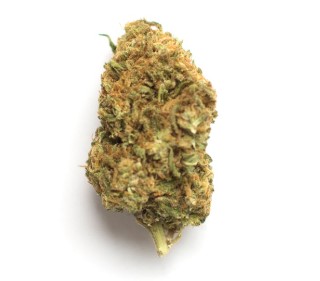
Aroma-wise, Jane Doe is characterized by earthy and sweet scents, with hints of citrus and pine. The fragrance is not overpowering, making it a more subtle strain in comparison to others. The aroma is often described as pleasant and inviting, with a refreshing, almost herbal undertone that many users find appealing.
3. Cannabinoid Profile and Terpene Content
Jane Doe typically contains THC levels ranging from 15% to 25%, depending on the cultivation methods and the specific phenotype. The strain’s THC content is potent enough to produce strong effects but is not overwhelmingly high, making it suitable for both beginner and experienced users. The CBD content in Jane Doe is relatively low, often ranging from 0.1% to 1%, so it is not typically sought after for its medicinal CBD benefits, though it may still provide mild therapeutic effects.

The terpene profile of Jane Doe includes the following key terpenes:
- Myrcene: Often found in high quantities in cannabis strains, myrcene contributes to the earthy and musky aroma. It is known for its relaxing sedative effects, which is why Jane Doe may induce feelings of calm and relaxation.
- Limonene: This citrus-scented terpene is commonly associated with uplifting and mood-enhancing effects. Limonene is known to promote a sense of happiness and euphoria, which is consistent with the recreational effects of Jane Doe.
- Pinene: Adding a refreshing pine-like aroma, pinene has anti-inflammatory properties and is associated with improved mental clarity and focus. It may also help with memory retention, counteracting some of the cognitive impairments caused by THC.
- Caryophyllene: Known for its spicy, peppery aroma, caryophyllene is unique because it also acts as a cannabinoid by binding to CB2 receptors. This contributes to the strain’s potential anti-inflammatory and pain-relieving effects.
This balanced terpene profile, with a mix of calming and uplifting effects, further contributes to the well-rounded experience that Jane Doe offers.
4. Recreational Effects of Jane Doe Cannabis Strain
a. Mental and Emotional Effects
Jane Doe is known for its balanced and pleasant high, which provides both mental and emotional stimulation. Many users report feeling uplifted, euphoric, and creative after consuming this strain. The Sativa-like qualities of Jane Doe offer a boost in energy and focus, which can make it ideal for daytime use or social gatherings. Users may experience heightened sensory perception, including an enhanced appreciation for music, art, and nature.
At the same time, the Indica influence provides a calming effect, preventing the user from feeling overly jittery or anxious. As a result, Jane Doe strikes a perfect balance between stimulating and relaxing effects. It’s a great strain for social interactions, allowing users to feel energized and talkative, without being overwhelmed by too much cerebral stimulation.
b. Physical Effects
On the physical side, Jane Doe is known for its mild but noticeable body relaxation. While it may not induce heavy couch-lock effects like some Indica-dominant strains, Jane Doe offers a gentle release of tension in the muscles. This relaxation can be ideal for those looking to unwind after a stressful day or engage in light physical activities, such as yoga or stretching.
The strain’s ability to relax the body while keeping the mind clear and focused makes it a versatile choice for both daytime and evening use, though it may be better suited for afternoon sessions, given its mild energizing effects.
5. Medical Uses of Jane Doe Cannabis Strain
Due to its balanced effects, Jane Doe is a useful strain for various medical conditions, particularly for patients seeking relief from both physical and mental ailments. Below are some of the key medical uses of this strain:
a. Stress and Anxiety Relief
Jane Doe’s relaxing and uplifting effects make it an effective choice for those struggling with stress and anxiety. The combination of myrcene and limonene creates a soothing effect on the mind, which helps to alleviate racing thoughts and feelings of nervousness. The mood-enhancing properties can also help users feel more positive and uplifted, reducing symptoms of depression and anxiety.
Unlike many other strains that may cause paranoia or increased anxiety in sensitive individuals, Jane Doe’s calming nature makes it a good option for those who need relief without the risk of exacerbating anxiety symptoms.
b. Pain and Inflammation
The anti-inflammatory properties of Jane Doe, particularly due to the presence of caryophyllene, make it useful for managing pain and inflammation. This strain may be helpful for individuals with conditions such as arthritis, chronic pain, or muscle tension. Its mild body relaxation effects help users to relieve physical discomfort without the overwhelming sedative effects found in some other strains.
For those seeking a mild, natural alternative to pharmaceutical pain relief, Jane Doe offers a more manageable solution without the risk of drowsiness or cognitive impairment.
c. Sleep Disorders
While Jane Doe is not known for causing the intense sedative effects typical of Indica-heavy strains, it can still be helpful for individuals with mild to moderate sleep disorders. The calming effects can help users unwind, particularly when used in the evening. It is ideal for those who need a gentle boost to fall asleep or who suffer from racing thoughts that interfere with sleep.
However, for those with severe insomnia or who need a stronger sedative, a more heavily Indica-dominant strain may be more effective.
d. Appetite Stimulation
While not as notorious for stimulating the appetite as some other strains, Jane Doe may still provide a mild increase in hunger. This makes it useful for individuals suffering from appetite loss due to illness or treatments such as chemotherapy. The strain’s mood-enhancing and relaxing effects may also help improve eating habits in people who struggle with eating due to anxiety or depression.
e. Mood Enhancement
Many users turn to Jane Doe for its ability to uplift and enhance mood. The balanced blend of uplifting and calming effects makes it an excellent choice for those dealing with mood disorders, such as depression or chronic stress. The positive mental stimulation can help users feel more optimistic, emotionally balanced, and ready to take on the day.
6. Growing Jane Doe Cannabis Strain
The Jane Doe cannabis strain is a hybrid with unique characteristics and cultivation methods that contribute to its popularity. While its genetic makeup and exact lineage are often shrouded in mystery, it combines features from both indica and sativa varieties, which allows it to cater to a broad range of medical and recreational users. To provide a deeper understanding of how the strain is cultivated, we will break down the cultivation process into specific categories: soil and environment requirements, nutrient management, growth cycles, and pruning and harvesting techniques.
Soil and Environment Requirements
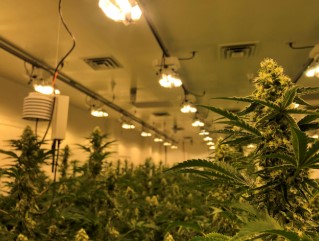
The quality of soil is one of the key determinants of cannabis cultivation. The Jane Doe strain, being a hybrid, typically thrives in both indoor and outdoor environments, but growers often see the best results when the strain is cultivated in controlled indoor settings.
- Soil Type: Jane Doe requires well-draining soil with a slightly acidic to neutral pH level, typically ranging from 6.0 to 7.0. Loamy soil, rich in organic matter, provides the ideal foundation for growth, as it allows for efficient water drainage while retaining enough moisture to support the plant’s nutrient uptake.
- Climate: This strain enjoys moderate temperatures between 70°F to 85°F (21°C to 29°C) during the day. At night, temperatures should be slightly cooler, but not dipping below 60°F (15°C). Jane Doe thrives in temperate climates but can adapt to subtropical environments as long as the humidity and temperature are kept in balance. Excessively hot or humid conditions can stress the plant and hinder its development.
- Humidity: The relative humidity should be maintained at around 50-60% during the vegetative stage. However, as the plant transitions into the flowering stage, humidity levels should be lowered to around 40-50%. Lower humidity helps reduce the risk of mold or mildew, which can damage buds.
- Lighting: Since Jane Doe is commonly grown indoors, light management is crucial. During the vegetative stage, plants require around 18 hours of light per day and 6 hours of darkness to promote healthy growth. In the flowering stage, light should be reduced to 12 hours on and 12 hours off, signaling to the plant that it’s time to begin its reproductive cycle.
Nutrient Management
Providing the right nutrients is crucial for a high-yield, healthy Jane Doe plant. Cannabis plants require different nutrient mixes during various stages of their growth cycle—vegetative, flowering, and ripening. Here’s an outline of the general nutrient management requirements for Jane Doe cannabis:
- Vegetative Stage:
- Nitrogen (N): In the vegetative stage, cannabis plants require a higher amount of nitrogen. Nitrogen supports leaf growth and helps the plant develop a strong structure. This is the phase where the plant builds its foliage, so nitrogen is critical to ensure robust growth.
- Phosphorus (P): Moderate amounts of phosphorus encourage root development during the vegetative stage. While not as crucial as nitrogen at this point, phosphorus is necessary to ensure the roots are healthy and capable of supporting larger plants later on.
- Potassium (K): Potassium helps with the overall plant metabolism, aiding in photosynthesis and water regulation.
- Flowering Stage:
- Reduced Nitrogen: As the plant transitions to flowering, it no longer requires as much nitrogen. The nitrogen levels are reduced, and the plant’s focus shifts to phosphorus and potassium for bud production and flower development.
- Higher Phosphorus and Potassium: These nutrients encourage the growth of the flowers, help the plant produce buds, and support overall flower density and quality.
- Micronutrients: Trace elements like calcium, magnesium, and sulfur are important during this stage, particularly to support proper bud formation and to maintain the plant’s resistance to disease.
- Nutrient Supplements: Organic nutrient solutions, such as compost teas, can enhance soil fertility and provide a steady release of nutrients. Some growers opt for synthetic fertilizers to ensure that the plant receives all the nutrients it needs for maximum yield, but organic methods can be more sustainable and environmentally friendly.
Growth Cycles
The Jane Doe cannabis strain follows a standard cannabis life cycle, which is generally divided into three main phases: germination, vegetative growth, and flowering.
a) Germination:
The process of germinating seeds is the first step in cultivating Jane Doe. It typically involves soaking the seeds in water to promote sprouting, followed by placing them in a moist environment to encourage the development of the taproot. Once the taproot emerges, the seedling can be transferred to the growing medium (soil or hydroponics) and placed under appropriate lighting conditions.
b) Vegetative Growth:
In this phase, which lasts 4-8 weeks depending on growing conditions, the plant focuses on producing leaves, stems, and roots. During this stage, it’s important to ensure that the plant receives enough nitrogen and light. Pruning may also begin to manage the plant’s growth direction and maximize light exposure for the lower branches.
The vegetative stage for Jane Doe typically lasts between 4 to 8 weeks. During this time, the plant focuses on leaf and stem growth, expanding its structure in preparation for the next phase. Training techniques like Low Stress Training (LST) or topping can be used to manipulate the plant’s shape, encouraging horizontal growth and maximizing light penetration to all parts of the plant.
c) Flowering:
Once the plant has reached an adequate size and the right conditions are met, the lighting cycle is adjusted to 12 hours of light and 12 hours of darkness to induce flowering. Usually, the blossoming stage lasts eight to ten weeks. In this phase, Jane Doe will begin to develop flowers (buds) that contain the cannabinoids and terpenes that are most valued by both medical and recreational users.
During flowering, the plant’s need for phosphorus and potassium increases. Growers often reduce nitrogen levels to encourage flower production. Proper airflow and humidity control are essential during this stage to prevent mold or mildew, especially since the dense buds can trap moisture.
d) Ripening and Harvest:
The final step in the growth cycle is the ripening phase, where the plant’s trichomes (glandular structures that produce cannabinoids) become fully developed. Growers monitor the color and clarity of the trichomes to determine the optimal harvest time, typically when they turn milky white with some amber-colored trichomes.
Harvesting occurs when the buds are ripe and the plant has reached its full potency. It’s essential to harvest Jane Doe at the right time to ensure the best aroma, flavor, and potency. The drying and curing process after harvest is just as important as the growing phase to maintain the quality of the final product.
Pruning and Training Techniques
Pruning and training methods are crucial for optimizing the growth and yield of Jane Doe cannabis. Here are a few key techniques used in its cultivation:
- Topping: This involves cutting off the top part of the plant, forcing it to grow two main colas (branches) instead of one. Topping helps increase yield by allowing the plant to grow more evenly and giving lower branches a chance to develop into full-sized colas.
- Low-Stress Training (LST): LST is a technique where growers gently bend and tie down branches to create a more horizontal structure. This allows the plant to grow evenly and ensures that the lower branches get adequate light exposure.
- Defoliation: Removing some of the fan leaves can help increase light penetration to the lower parts of the plant. This is especially useful in dense canopies where light cannot reach all parts of the plant.
- Supercropping: This technique involves carefully pinching and bending the stems to increase yields and create an even growth structure. Supercropping can be more stressful for the plant but can also lead to increased bud production when done correctly.
Pests and Diseases
Like all cannabis strains, Jane Doe can be susceptible to pests and diseases, particularly when grown outdoors. Aphids, whiteflies, and spider mites are common pests. These pests have the potential to harm plants and lower yields. Additionally, mold and mildew can thrive in high humidity, especially during the flowering stage.
To prevent pest infestations, growers can use organic pest control methods, such as introducing natural predators or applying neem oil. Preventing mildew and mold involves controlling humidity levels, ensuring proper airflow, and avoiding over-watering.
7. Conclusion
The Jane Doe cannabis strain offers a well-balanced experience that appeals to both recreational and medical users. With its uplifting effects, calming relaxation, and moderate potency, it is a versatile strain It has a broad range of applications. Whether you are looking to relieve stress, ease physical pain, or simply enjoy a euphoric high, Jane Doe provides a smooth and enjoyable experience.
From a scientific perspective, the strain’s unique cannabinoid and terpene profile contribute to its therapeutic effects, making it a useful option for those seeking relief from a range of conditions. Whether you’re a novice or an experienced cannabis user, Jane Doe is a great choice to consider for your next experience, offering a balanced, enjoyable, and therapeutic experience.
For a complete directory of cultivars, visit our Cannabis Strain Reviews.
