Table of Contents
Jamaican Dream is a celebrated cannabis strain known for its uplifting effects, unique flavor profile, and versatile applications. This guide provides an extensive examination of the strain, encompassing its origins, genetics, cultivation details, cannabinoid and terpene profiles, as well as its medical and recreational uses. Additionally, we explore scientific insights that underpin its effects and benefits.
Origins and Genetics
Jamaican Dream is a sativa-dominant hybrid that traces its lineage to pure Jamaican landrace strains. This heritage gives Jamaican Dream its distinct sativa characteristics, including a quick flowering time and a potent cerebral high. The breeder Eva Seeds is often credited with popularizing this strain, offering a consistent phenotype known for its reliability and appeal to both growers and consumers.
The strain’s genetics are stabilized, making it relatively easy to grow and predictable in terms of yield and cannabinoid composition. Its sativa dominance (approximately 90%) ensures an energizing and uplifting experience, while the indica influence (around 10%) contributes to a subtle physical relaxation.
Appearance, Aroma, and Flavor
Appearance: Jamaican Dream plants are visually striking, characterized by dense, medium-sized buds with vibrant green hues and an abundance of orange pistils. The buds have a frosty appearance because to the thick layer of trichomes covering them reflecting their potency.
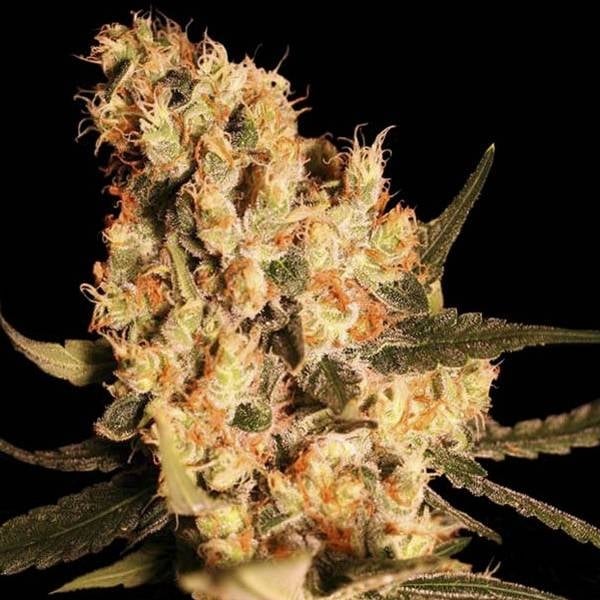
Aroma: The strain exudes a sweet and fruity fragrance, often described as tropical, with hints of pineapple, citrus, and fresh earth. Subtle undertones of wood and spice add complexity to its aromatic profile.
Flavor: Jamaican Dream’s flavor is consistent with its aroma, offering a sweet and tropical taste on the inhale. Notes of citrus and pine are complemented by a smooth, slightly spicy aftertaste, making it a favorite among connoisseurs.
Cannabinoid Profile
Jamaican Dream typically features a THC content ranging from 15% to 20%, though some phenotypes may test higher. CBD levels are usually low, averaging below 1%, which positions this strain as more suitable for recreational use and specific medical applications that benefit from THC dominance.
Common Cannabinoids:
- THC (Tetrahydrocannabinol): 15-20%
- CBD (Cannabidiol): <1%
- CBG (Cannabigerol): Trace amounts
- THCV (Tetrahydrocannabivarin): Low to moderate levels, contributing to its energizing effects.
Terpene Profile
Terpenes are aromatic compounds that play a critical role in the strain’s effects and flavor. Jamaican Dream’s dominant terpenes include:
- Myrcene: Adds an earthy and herbal note, while enhancing the sedative effects of the indica component.
- Limonene: Responsible for the citrusy aroma and uplifting mood effects.
- Pinene: Provides pine-like undertones and may enhance focus and alertness.
- Caryophyllene: Contributes a spicy, peppery flavor and has anti-inflammatory properties.
Effects and Recreational Uses
Jamaican Dream is celebrated for its fast-acting and balanced effects, making it a versatile choice for recreational users. The high begins with a cerebral rush characterized by euphoria, heightened creativity, and increased sociability. As the experience progresses, a mild physical relaxation sets in without causing sedation, allowing users to remain functional and productive.
Common Recreational Uses:
- Social Settings: The strain’s uplifting and sociable effects make it ideal for parties, gatherings, or any occasion where conversation and laughter are encouraged.
- Creative Pursuits: Artists, writers, and musicians often turn to Jamaican Dream for inspiration and enhanced focus.
- Outdoor Activities: Its energizing properties make it suitable for hiking, exploring, or enjoying a day at the beach.
- Daytime Use: Jamaican Dream is an excellent choice for those seeking a mood boost without compromising productivity.
Medical Uses
While Jamaican Dream is primarily known for its recreational appeal, it offers a range of therapeutic benefits, particularly for conditions that respond well to THC-dominant strains.

Potential Medical Applications:
- Mood Disorders:
- Conditions: Depression, anxiety, and stress.
- Benefits: The uplifting and euphoric effects can alleviate symptoms of depression and anxiety, promoting a sense of well-being and calm.
- Chronic Fatigue:
- Conditions: Low energy levels, chronic fatigue syndrome.
- Benefits: The strain’s energizing properties provide a natural boost, improving motivation and focus.
- Pain Management:
- Conditions: Migraines, mild to moderate chronic pain.
- Benefits: Jamaican Dream’s THC content can help alleviate pain without causing significant sedation.
- Appetite Stimulation:
- Conditions: Loss of appetite due to medical treatments or conditions like cancer or HIV/AIDS.
- Benefits: The strain’s ability to stimulate hunger can be beneficial for patients struggling with appetite loss.
- Glaucoma:
- Conditions: Intraocular pressure.
- Benefits: THC has been shown to reduce intraocular pressure, providing relief for glaucoma patients.
Scientific Insights and Mechanisms of Action
Jamaican Dream’s effects are rooted in its cannabinoid and terpene profiles, which interact with the body’s endocannabinoid system (ECS). The ECS regulates various physiological processes, including mood, pain perception, and appetite.
- THC: Activates CB1 receptors in the brain, leading to the release of dopamine. This accounts for the strain’s euphoric and mood-enhancing effects.
- Terpenes: Work synergistically with cannabinoids through the entourage effect, enhancing therapeutic benefits and modulating the psychoactive experience.
- Limonene: Associated with increased serotonin levels, contributing to the strain’s anti-depressive effects.
- Caryophyllene: Binds to CB2 receptors, providing anti-inflammatory and analgesic properties.
Cultivation Information
Environmental Requirements

- Climate:
Jamaican Dream thrives in a warm, Mediterranean-like climate. Ideal temperatures range between 70–85°F (21–29°C) during the day. Night temperatures should not drop below 60°F (15°C) to prevent stress. - Light Requirements:
- Outdoor Cultivation: Full sunlight exposure is ideal, mimicking its native environment in Jamaica. Every day, plants require at least 6 to 8 hours of direct sunlight.
- Indoor Cultivation: High-intensity discharge (HID) lights, such as Metal Halide (MH) for the vegetative phase and High-Pressure Sodium (HPS) lights for flowering, are recommended. LED grow lights are also effective, offering energy efficiency and spectrum customization.
- Humidity Levels:
- Vegetative Stage: Keep humidity between 50-70% to promote robust growth.
- Flowering Stage: Lower the humidity between 40 and 50 percent to avoid bud rot and mold.
- Use a hygrometer to monitor humidity levels and ensure optimal conditions.
- Air Circulation:
Adequate airflow prevents fungal infections and pest infestations. Use oscillating fans indoors to mimic natural wind, strengthening stems and reducing stagnant air pockets.
Soil and Mediums
- Soil:
Jamaican Dream prefers well-aerated soil rich in organic matter. Ideal soil composition includes:- Loam with a balanced pH between 6.0 and 6.5.
- Compost, worm castings, and bat guano are examples of amendments that improve nutrient availability.
- Hydroponics:
- Jamaican Dream can be successfully grown hydroponically for faster growth and larger yields. Use a coco coir or Rockwool medium with nutrient-enriched water.
- Maintain a nutrient solution pH of 5.5 to 6.2.
- Aeroponics:
Advanced growers may use aeroponic systems for precise control over nutrient delivery. Roots are suspended in air and misted with nutrient-rich water, promoting rapid growth.
Nutrient Management
- Vegetative Stage:
- Use a nitrogen-rich fertilizer (e.g., NPK ratio of 3-1-2).
- Micronutrients like calcium, magnesium, and iron are essential for photosynthesis and overall plant health.
- Flowering Stage:
- Switch to a phosphorus and potassium-rich fertilizer (e.g., NPK ratio of 1-3-2).
- Reduce nitrogen levels to avoid leafy buds and encourage dense flowers.
- Organic Alternatives:
- Organic growers can use natural sources like fish emulsion, kelp meal, and bone meal for nutrient supplementation.
- Flushing:
- Two weeks before harvest, flush the plants with pH-balanced water to remove excess nutrients and enhance flavor.
Growth Stages and Scientific Care

- Germination:
- Maintain a consistent temperature of 70-80°F (21-26°C) with a humidity level of 70%.
- Use the paper towel method or plant seeds directly into the soil, ensuring they are 0.5 inches deep.
- Seedling Stage:
- Provide 18-24 hours of light daily using blue-spectrum lighting (e.g., MH lights).
- Water sparingly to avoid root rot, ensuring the top inch of soil dries out before rewatering.
- Vegetative Stage:
- Jamaican Dream grows rapidly during this phase. Implement low-stress training (LST) or Screen of Green (ScrOG) techniques to maximize light penetration and canopy spread.
- Prune lower leaves and branches to focus energy on primary colas.
- Flowering Stage:
- To promote flowering, switch to a 12/12 light cycle.
- Regularly inspect for pests like spider mites and aphids, as well as mold. Neem oil or organic insecticides can be used for prevention.
Scientific Challenges and Solutions
- Pests:
- Common Pests: Whiteflies, thrips, and fungus gnats can infest Jamaican Dream.
- Solutions: Use predatory insects like ladybugs or biological controls such as Bacillus thuringiensis.
- Diseases:
- Powdery Mildew and Botrytis: Regular pruning and maintaining low humidity prevent fungal infections.
- Solution: Apply potassium bicarbonate-based sprays or organic fungicides.
- Nutrient Deficiencies:
- Monitor for yellowing leaves (nitrogen deficiency) or purple stems (phosphorus deficiency).
- Address deficiencies promptly with tailored nutrient supplements.
Scientific Monitoring Tools
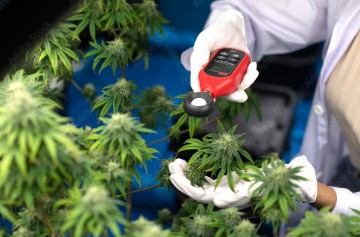
- pH and EC Meters:
- Measure pH levels and Electrical Conductivity (EC) of water and soil to ensure proper nutrient absorption.
- Spectrometers:
- Advanced growers can use portable spectrometers to analyze chlorophyll content and plant health.
- Temperature and Humidity Controllers:
- Automated systems regulate environmental conditions, ensuring consistency.
Harvesting and Post-Harvest Science
- Trichome Inspection:
- Use a magnifying glass or digital microscope to observe trichomes. Harvest when most trichomes are cloudy with a few amber ones for optimal potency.
- Drying:
- Hang buds in a dark, well-ventilated room with 50% humidity and temperatures around 60-70°F (15-21°C).
- Curing:
- Place dried buds in airtight glass jars, burping them daily to release moisture. Curing improves flavor, aroma, and potency over several weeks.
Methods of Ingestion
Jamaican Dream, like other cannabis strains, can be consumed through various methods. Each method influences the onset, duration, and intensity of effects due to differences in absorption and metabolism.
1. Smoking
- Description: Combustion of dried Jamaican Dream flower, typically in joints, pipes, or bongs.
- Onset: 1-3 minutes after inhalation.
- Duration: Lasts approximately 2-4 hours.
- Mechanism: THC and other cannabinoids enter the bloodstream directly via the alveoli in the lungs, leading to rapid delivery to the brain.
- Advantages:
- Immediate effects for rapid symptom relief.
- Precise control over dosage.
- Disadvantages:
- Potential for respiratory irritation or long-term lung damage due to combustion byproducts.
2. Vaping
- Description: Heating cannabis flower or concentrate to vaporize cannabinoids without combustion.
- Onset: 1-5 minutes.
- Duration: Effects last 2-4 hours.
- Mechanism: Similar to smoking but avoids combustion, reducing harmful byproducts.
- Advantages:
- Cleaner inhalation experience.
- Preserves more terpenes for enhanced flavor.
- Disadvantages:
- Requires specialized equipment (vaporizer).
3. Edibles
- Description: Infused products such as gummies, chocolates, or beverages made using Jamaican Dream concentrates or flower.
- Onset: 30 minutes to 2 hours (depends on individual metabolism and whether taken with food).
- Duration: Lasts 4-8 hours, with effects peaking at around 2-4 hours.
- Mechanism:
- THC is metabolized in the liver into 11-Hydroxy-THC, a more potent and longer-lasting metabolite.
- Advantages:
- Long-lasting effects, making it suitable for sustained symptom management.
- Discreet and smokeless.
- Disadvantages:
- Delayed onset makes it challenging to dose precisely.
- Risk of overconsumption, leading to prolonged discomfort.
4. Tinctures
- Description: Cannabis-infused alcohol or oil solutions applied sublingually (under the tongue).
- Onset: 15-45 minutes (faster when held under the tongue for 1-2 minutes).
- Duration: 3-6 hours.
- Mechanism: Absorption occurs through the mucous membranes directly into the bloodstream, bypassing the digestive system.
- Advantages:
- Faster onset than edibles.
- Easy to measure precise dosages.
- Discreet and versatile (can be added to food or drinks).
- Disadvantages:
- Some may find the taste unpleasant.
5. Topicals
- Description: Creams, balms, and patches infused with cannabinoids, applied directly to the skin.
- Onset: 10-30 minutes (depends on product and skin absorption).
- Duration: 2-4 hours, though patches may provide effects for up to 12 hours.
- Mechanism: Cannabinoids interact with local CB2 receptors without entering the bloodstream significantly, making them non-psychoactive.
- Advantages:
- Targeted relief for localized pain, inflammation, or skin conditions.
- Non-psychoactive.
- Disadvantages:
- Not effective for systemic issues.
6. Concentrates
- Description: Highly potent cannabis extracts such as wax, shatter, or oils, consumed via dabbing or vaping.
- Onset: 1-3 minutes.
- Duration: Effects last 2-4 hours.
- Mechanism: Rapid absorption of high cannabinoid concentrations through inhalation.
- Advantages:
- Intense effects suitable for experienced users.
- Requires less product for desired effects.
- Disadvantages:
- May be overwhelming for novice users.
- Specialized equipment (e.g., dab rigs) is required.
Onset Times and Factors Influencing Onset
The onset of effects varies based on the method of ingestion and individual physiological factors, including:
- Metabolism: Faster metabolism leads to quicker onset, especially for edibles.
- Body Fat: THC is lipophilic (binds to fat), so higher body fat can delay onset and extend duration.
- Food Intake: Consuming edibles on an empty stomach speeds up absorption.
- Tolerance: Regular cannabis users may experience delayed or diminished onset due to tolerance.
- Dose and Potency: Higher doses and more potent products lead to faster and more pronounced effects.
Duration of Effects
The duration of Jamaican Dream’s effects depends on the method of ingestion and individual factors:
- Smoking/Vaping: 2-4 hours.
- Edibles: 4-8 hours.
- Tinctures: 3-6 hours.
- Topicals: 2-12 hours (patches last longer).
Factors influencing duration:
- Metabolism and Liver Function: Slow metabolizers experience prolonged effects.
- Dose: Higher doses increase duration.
- Tolerance: Frequent use reduces duration of effects over time.
Pharmacokinetics
- Absorption:
- Inhalation delivers cannabinoids directly to the bloodstream within seconds to minutes.
- Oral ingestion requires digestive breakdown and liver metabolism, delaying absorption.
- Distribution:
- THC binds to fat tissues, leading to slower release and prolonged effects in some cases.
- Metabolism:
- Inhaled THC is metabolized primarily in the liver to 11-OH-THC, which is more psychoactive than THC itself.
- Edible THC undergoes first-pass metabolism, producing higher levels of 11-OH-THC.
- Excretion:
- THC and its metabolites are eliminated via feces and urine, with traces detectable for weeks in chronic users.
Scientific Considerations for Choosing a Method
- Desired Effects: For quick relief (e.g., anxiety), smoking or vaping is ideal. For prolonged symptom management (e.g., chronic pain), edibles or tinctures are more effective.
- Tolerance Level: Novice users may prefer tinctures or low-dose edibles to avoid overwhelming effects.
- Medical Conditions: Patients with respiratory issues should avoid smoking and opt for edibles, tinctures, or topicals.
Side Effects and Considerations
Like any cannabis strain, Jamaican Dream may cause side effects, particularly when consumed in high doses.
Common Side Effects:
- Dry mouth and eyes.
- Dizziness, especially in novice users or those sensitive to THC.
- Mild paranoia or anxiety in individuals prone to such reactions.
To mitigate these effects, start with a low dose and gradually increase as needed. Staying hydrated and consuming the strain in a comfortable, familiar environment can also help minimize adverse reactions.
Consumer Reviews and Testimonials
Jamaican Dream has garnered a loyal following among cannabis enthusiasts. Common praises include its smooth smoke, delightful flavor, and well-rounded effects.
Sample Testimonials:
- “Jamaican Dream is my go-to strain for starting the day. It gives me energy and keeps me motivated without making me feel jittery.”
- “The tropical flavor is amazing, and the high is perfect for socializing or getting creative.”
- “As someone who struggles with chronic fatigue, this strain has been a game-changer. I can finally get things done without feeling overwhelmed.”
Conclusion
Jamaican Dream is a versatile and reliable strain that appeals to both recreational and medical users. Its energizing and uplifting effects, combined with a delightful flavor profile and manageable cultivation requirements, make it a standout choice. Whether you’re seeking a mood boost, creative inspiration, or relief from certain medical conditions, Jamaican Dream delivers a balanced and enjoyable experience. As research into cannabis continues, Jamaican Dream’s unique properties are likely to remain a subject of interest for both scientists and consumers alike.
For a complete directory of cultivars, visit our Cannabis Strain Reviews.
