Table of Contents
The Jacked-Up cannabis strain is a hybrid that has garnered attention for its potent effects, high THC content, and distinct characteristics. This strain is known for its robust aroma, uplifting effects, and its versatility in both medical and recreational cannabis use. Below is a comprehensive analysis of the Jacked-Up strain, covering its origin, genetic profile, THC/CBD content, aroma, flavor, and its specific medical and recreational uses, backed by scientific insights.
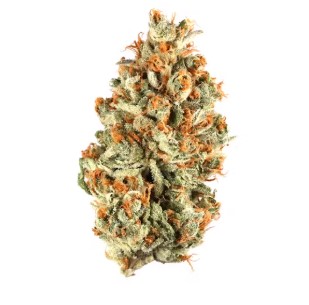
I. Genetic Background of the Jacked-Up Cannabis Strain
The Jacked-Up cannabis strain is an indica-dominant hybrid. While the exact lineage of Jacked-Up may vary depending on the breeder, it is generally thought to be a cross between the Northern Lights and Skunk strains. The Northern Lights, a legendary indica, is known for its relaxing and sedative effects, while Skunk brings a more euphoric and stimulating effect to the mix. This combination results in a hybrid strain with balanced effects, producing both calming and energizing sensations.
1. Northern Lights
Northern Lights is one of the most iconic indica strains, originating from the Afghan and Thai landrace strains. It is renowned for its earthy, spicy, and sweet flavors in addition to its deeply relaxing effects that are perfect for stress relief and sleep aid. Northern Lights is often used in hybrid breeding to add stability and a soothing effect to other strains.
2. Skunk
Skunk is another classic cannabis strain that has been widely used in hybrid breeding. Skunk’s genetic heritage includes a mix of Afghan, Mexican, and Colombian strains. It is famous for its pungent, earthy aroma and its uplifting, cerebral high. Skunk is typically used for its euphoric effects and ability to enhance mood and creativity.
Together, these parent strains form the foundation of Jacked-Up, contributing to its robust effects and profile.
II. THC/CBD Content
Jacked-Up cannabis tends to be a THC-heavy strain, with THC levels that can range from 18% to 22%, though it has been known to hit even higher concentrations in certain phenotypes. This relatively high THC content makes it a potent strain that can produce strong effects. However, it should be used with caution, especially for those who are not accustomed to high-THC strains.
The CBD content of Jacked-Up is typically very low, often less than 1%. This makes it less suitable for those who are seeking the therapeutic benefits of CBD. The low CBD content also means that Jacked-Up’s effects are largely dominated by THC, making it a strain geared toward those who seek potent recreational or medical effects related to THC.
III. Aroma and Flavor Profile
Jacked-Up’s aroma and flavor are one of the most distinguishable aspects of the strain. The fragrance is pungent and aromatic, with distinct earthy, skunky, and spicy notes. The dominant earthy scent is a signature of its Northern Lights lineage, while the skunky undertones come from the Skunk genetics.
The flavor profile is similarly pungent, offering a combination of spicy, herbal, and citrus flavors, with hints of sweetness and earthiness that linger on the palate. This complexity makes Jacked-Up an intriguing strain to consume, as it appeals to those who enjoy rich, bold flavors in their cannabis experience.
IV. Effects of the Jacked-Up Cannabis Strain
Jacked-Up is a balanced hybrid, meaning it delivers a combination of both uplifting and relaxing effects. Its effects are known to be potent, euphoric, and long-lasting, providing both mental stimulation and physical relaxation. Let’s break down the effects based on its recreational and medical uses.
1. Recreational Effects
For recreational users, Jacked-Up is an ideal strain for socializing, creativity, or simply unwinding after a long day. The strain’s effects are typically described as:
- Uplifting: Users often feel a sense of euphoria and happiness soon after consumption. It may induce a mood boost and can be a great strain to use during social gatherings or creative sessions.
- Cerebral Stimulation: Thanks to the influence of Skunk, Jacked-Up can stimulate the mind and boost focus, making it useful for activities that require creativity, like painting or writing. Some users report enhanced sensory perception, making it a fun strain for listening to music or engaging with artistic content.
- Relaxation: While Jacked-Up is more mentally stimulating than physically sedative, it still offers significant relaxation. It helps ease tension in the body and induces a comfortable, mellow feeling without the couch-lock effects commonly associated with pure indica strains.
- Energetic: Many users report feeling energetic and motivated when using Jacked-Up, although the level of energy can vary depending on the dose. It’s a great strain for daytime use as it doesn’t tend to make users feel sleepy.
- Mild Dry Mouth and Eyes: As with many cannabis strains, users may experience dry mouth or dry eyes, though this can typically be managed by staying hydrated.
2. Medical Effects
The medicinal benefits of Jacked-Up are particularly appealing for patients dealing with mood disorders and chronic pain. Some of the key medical uses for Jacked-Up include:
- Stress Relief: Due to its uplifting yet relaxing effects, Jacked-Up can help alleviate stress and anxiety. The euphoria and mental clarity provided by this strain can help users cope with daily stressors.
- Mood Enhancement: The mental stimulation provided by Jacked-Up can also help combat depression and low mood. The euphoric high may lift spirits and improve mental outlook, making it beneficial for those struggling with mood disorders.
- Pain Management: Although not as sedative as some indicas, Jacked-Up still offers some pain-relieving benefits. The relaxing physical effects can help ease muscle tension, joint pain, and even chronic pain conditions.
- Appetite Stimulation: Like many cannabis strains, Jacked-Up may increase appetite, which can be helpful for those who suffer from loss of appetite due to illness or medical treatments such as chemotherapy.
- Fatigue: The uplifting and energizing effects of Jacked-Up make it a great strain for combating fatigue. It is often used during the daytime to boost energy levels and help users stay productive and active.
3. Potential Side Effects
While Jacked-Up is a highly enjoyable strain for many, there are potential side effects that users should be aware of:
- Dry Mouth: As with most cannabis strains, Jacked-Up can cause cottonmouth, leading to a dry mouth. Keeping a drink nearby can alleviate this discomfort.
- Dry Eyes: The strain may also lead to dry eyes, which can be uncomfortable for some users.
- Anxiety: Although Jacked-Up is generally relaxing, some users may experience anxiety or paranoia, particularly if they are not accustomed to high-THC strains or if they consume too much.
- Dizziness: Due to its potency, some users report dizziness or lightheadedness, especially if consumed in large doses.
- Headache: In rare cases, Jacked-Up can cause headaches, particularly if overconsumed or if the user is sensitive to THC.
V. Cultivation of Jacked-Up
The cultivation of cannabis, including strains like Jacked-Up, involves a combination of environmental factors, genetic considerations, and careful agricultural practices. Understanding these factors scientifically can greatly improve the yield, potency, and overall health of the plant. Here, we’ll delve into the methods of cultivating the Jacked-Up strain, covering its environmental needs, growth characteristics, and cultivation techniques that contribute to its success as a hybrid strain.

Growth Characteristics of Jacked-Up
Jacked-Up, being an indica-dominant hybrid, inherits specific growth traits from its parent strains (Northern Lights and Skunk) that influence its cultivation. These include:
1. Plant Structure and Height
- Indica Growth Patterns: Jacked-Up tends to grow shorter and bushier compared to sativa-dominant strains. Its indica genetics contribute to a compact structure, which is beneficial for indoor cultivation and limited spaces. It generally grows between 3 to 5 feet in height, which is typical for most indica hybrids.
- Wide Canopy: Its bushy nature means that it requires careful attention when it comes to pruning and training to ensure optimal airflow and light penetration.
2. Flowering Time
- Flowering Duration: The flowering time for Jacked-Up is relatively short compared to other cannabis strains. Typically, it takes between 8 to 9 weeks for Jacked-Up to reach full maturity, which is advantageous for growers looking for a faster harvest. This shorter flowering time also makes it ideal for growers in climates with shorter growing seasons or those who grow indoors.
3. Yield
- Indoor vs Outdoor Yields: The yield from Jacked-Up can vary depending on the cultivation method. When grown indoors, this strain can yield around 1.5 to 2 ounces per square foot. Outdoor yields can be more generous, averaging 15 to 20 ounces per plant, though this is highly dependent on environmental conditions, care, and climate.
- Harvesting Times: For optimal yields, Jacked-Up is typically harvested in late September to early October if grown outdoors, depending on the local climate.
Ideal Growing Conditions for Jacked-Up Cannabis
Like all cannabis strains, Jacked-Up requires specific environmental conditions to thrive. These conditions involve factors like temperature, humidity, soil type, light, and air quality. Let’s break down the ideal conditions for cultivating Jacked-Up.
1. Temperature
- Optimal Temperature Range: Cannabis, especially indica-dominant strains like Jacked-Up, thrives in a temperature range of 70 to 80°F (21 to 27°C) during the daytime and 60 to 70°F (15 to 21°C) during the night. High temperatures can stress the plant and reduce yields, while temperatures that are too low can stunt growth.
- Nighttime vs Daytime: Maintaining a stable day-night temperature difference of around 10°F helps improve the overall health of the plants and ensures robust resin production, which is vital for potency.
2. Humidity Levels
- Humidity During Vegetative Stage: During the vegetative growth phase, humidity should be kept between 40% and 60%. This allows the plant to retain sufficient moisture while it develops roots and foliage.
- Humidity During Flowering Stage: As Jacked-Up transitions into the flowering stage, humidity should be lowered to around 40% to 50% to prevent mold and mildew, which are common concerns in cannabis cultivation.
- Air Circulation: Proper air circulation is key in preventing humidity buildup in areas where plants are grown. Ensuring that the plants receive consistent airflow helps prevent fungal infections and promotes healthy transpiration.
3. Soil Requirements
- Soil Type: Jacked-Up flourishes in well-draining, nutrient-rich soil. It prefers soil that is slightly acidic to neutral, with a pH level of around 6.0 to 6.5. Soil that’s too acidic or alkaline can stunt growth and interfere with nutrient absorption.
- Amendments: Growers often amend soil with organic matter, such as compost or worm castings, to enhance its nutrient content. Additionally, adding perlite or vermiculite improves soil aeration and drainage, ensuring that the roots can grow freely.
4. Light Requirements
- Light Intensity: Jacked-Up cannabis requires strong lighting to maximize photosynthesis and resin production. In indoor cultivation, high-intensity discharge (HID) lights like metal halide and high-pressure sodium (HPS) are often used. LED lights have also gained popularity due to their energy efficiency and lower heat output.
- Photoperiod Considerations: Jacked-Up is typically grown under a 12/12 light cycle (12 hours of light and 12 hours of darkness) during the flowering stage, a common practice for cannabis plants. Maintaining proper light cycles is crucial for triggering the flowering process.
5. Watering and Nutrients
- Watering Schedule: Jacked-Up prefers a moderate watering schedule, where the soil is kept moist but not overly saturated. The frequency of watering depends on factors like climate, humidity, and soil drainage. Mold growth and root rot can result from overwatering.
- Nutrient Requirements: Cannabis plants, including Jacked-Up, require a balanced mix of macronutrients like nitrogen (N), micronutrients including calcium, magnesium, and iron, as well as minerals like potassium (K) and phosphorus (P). During the vegetative phase, a nutrient mix high in nitrogen supports strong foliage growth. During flowering, the plant requires more phosphorus and potassium to support bud development and resin production.
- Fertilizer Use: Many cannabis growers use organic fertilizers, such as bat guano or seaweed extract, to supply these nutrients. Additionally, some growers utilize hydroponic systems that allow for precise control over nutrient levels in the water.

Pest and Disease Management
Cannabis plants, including Jacked-Up, are susceptible to a range of pests and diseases that can impact their growth and yield. Common pests include spider mites, aphids, thrips, and whiteflies, while common diseases include powdery mildew, root rot, and bud rot. Here’s a breakdown of how to prevent and manage these issues:
1. Pest Control
- Integrated Pest Management (IPM): An integrated approach to pest control combines biological, mechanical, and chemical methods. For example, introducing ladybugs or other natural predators can help control aphid populations. Neem oil and insecticidal soaps are also commonly used to manage pests organically.
- Avoiding Chemical Pesticides: Chemical pesticides should be avoided or used sparingly, as they can leave harmful residues on the cannabis buds. Organic and non-toxic treatments are preferred.
2. Disease Prevention
- Maintaining Proper Spacing: Ensuring adequate space between plants allows for proper air circulation, which can aid in lowering the chance of fungal infections.
- Humidity Control: Keeping humidity levels in check is crucial for preventing diseases like powdery mildew and mold. Utilizing dehumidifiers in high-humidity environments can help maintain the proper levels.
- Sterilizing Tools and Equipment: Regularly sterilizing pruning tools, pots, and growing surfaces helps prevent the spread of pathogens.
Harvesting and Post-Harvest Considerations
The timing of the harvest is critical to ensuring that Jacked-Up’s potency, flavor, and overall quality are at their peak.
1. Harvest Timing
- Trichome Inspection: The most reliable method of determining the ideal harvest time is by examining the plant’s trichomes (tiny, glandular structures that produce THC). These trichomes should be milky white with a few amber-colored ones to indicate peak potency.
- When to Harvest: Jacked-Up should generally be harvested when 60-70% of the trichomes have turned milky white and 20-30% are amber.
2. Curing Process
Drying: The drying process is equally important and should be done at a temperature between 60-70°F with humidity around 50-60%. The buds should dry slowly, taking about 7-14 days to reach the perfect moisture content.
Curing for Quality: After harvesting, Jacked-Up buds should be cured for about 2 to 4 weeks in a cool, dark environment with controlled humidity levels around 60-65%. This process improves the flavor, aroma, and smoothness of the final product.
Conclusion
The Jacked-Up cannabis strain offers a compelling combination of recreational and medicinal benefits. Its high THC content makes it ideal for those seeking potent effects, whether for stress relief, mood enhancement, or pain management. The uplifting and euphoric effects, combined with its energizing properties, make it a favorite for daytime use, while its relaxing body effects offer relief from tension and discomfort.
Whether you’re a seasoned cannabis consumer or a novice, Jacked-Up provides a balanced hybrid experience with versatility and a powerful high. It’s a strain that can easily be enjoyed for both social and personal use, while also offering medical users a broad range of therapeutic benefits. However, due to its high THC content, it should be used in moderation, especially for those new to cannabis or those with low THC tolerance.
By carefully cultivating this strain, growers can produce a rich, rewarding yield that offers both strong effects and high resin content, making it a popular choice among cannabis enthusiasts and medicinal users alike.
For a complete directory of cultivars, visit our Cannabis Strain Reviews.
