Table of Contents
Jack the Ripper is a highly regarded cannabis strain with a unique combination of potent effects and a complex flavor profile. As a hybrid, this strain combines qualities of both sativa and indica strains, making it versatile and widely sought after by cannabis enthusiasts. This detailed guide explores the Jack the Ripper cannabis strain, focusing on its medical and recreational uses, as well as providing in-depth scientific insights into its genetics, effects, and cultivation.
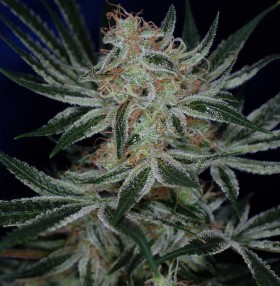
1. Genetics and Origins
Jack the Ripper is a cross between the infamous Jack Herer, a sativa-dominant hybrid named after the legendary cannabis activist and author, and a hybrid called Space Queen. The cross between these two strains results in a balanced hybrid that is known for its uplifting effects and potent medicinal properties.
- Jack Herer: Known for its cerebral high, Jack Herer is a hybrid strain that combines sativa and indica elements. It is famous for its energizing effects and is often used for daytime use.
- Space Queen: Space Queen is a hybrid that leans toward the sativa side and is known for its euphoric effects and sweet, fruity flavors.
Jack the Ripper inherits the best qualities of both parent strains, offering a well-rounded high that is energizing, mentally stimulating, and physically soothing.
2. Cannabinoid Profile
The primary active ingredients in Jack the Ripper are cannabinoids, particularly tetrahydrocannabinol (THC) and cannabidiol (CBD). The strain’s cannabinoid profile varies depending on the growing conditions and cultivation practices, but generally, Jack the Ripper boasts a THC content ranging from 18% to 23%, with very low CBD levels (typically under 1%).
- THC Content: The high THC content in Jack the Ripper contributes to its potent psychoactive effects, making it a choice strain for both recreational users and medical patients who need effective relief.
- CBD Content: While Jack the Ripper’s CBD content is minimal, it still offers some therapeutic benefits, although it is not the primary cannabinoid of focus.
3. Terpene Profile
The strain’s distinct aroma and flavor profile can be attributed to its terpenes, the aromatic compounds found in cannabis plants. Jack the Ripper has a unique combination of terpenes that contribute to its signature scent and effects.
- Terpinolene: A common terpene in Jack the Ripper, terpinolene contributes floral, citrusy, and herbal notes. It has been shown to have antioxidant, anti-inflammatory, and antimicrobial properties.
- Caryophyllene: This terpene has a peppery aroma and is known for its anti-inflammatory properties, as well as its ability to activate the CB2 receptor in the body. It may also provide some level of pain relief.
- Myrcene: Common in many cannabis strains, myrcene is associated with a musky, earthy aroma and is thought to contribute to relaxing effects, enhancing the strain’s calming properties.
- Pinene: A terpene with a pine scent, pinene is known for its potential to improve memory retention and act as a bronchodilator, promoting respiratory function.
The combination of these terpenes provides Jack the Ripper with its sweet, citrusy, and earthy aroma, which is a favorite among cannabis connoisseurs.
4. Effects and Potency
Jack the Ripper is known for its balanced effects, which are typically uplifting and cerebral. While it is a hybrid, the strain leans slightly toward its sativa roots, producing a high that is mentally stimulating while maintaining a sense of relaxation in the body. Users may experience an initial headrush that induces creativity, focus, and energy.
- Mental Effects: The high begins with an immediate euphoric feeling, with users reporting an enhanced sense of happiness, creativity, and sociability. It can also provide a burst of mental clarity, making it an ideal choice for those seeking a strain that promotes focus and concentration.
- Physical Effects: While the strain has a strong cerebral effect, it also delivers a relaxing physical experience. The body may feel relaxed without becoming overly sedated, allowing users to engage in activities that require both physical and mental energy.
- Duration of Effects: The effects of Jack the Ripper tend to last between 1.5 to 3 hours, depending on the individual’s tolerance, dosage, and consumption method.
5. Recreational Uses
For recreational users, Jack the Ripper provides an enjoyable experience that is both stimulating and relaxing. Its versatility makes it suitable for a wide range of activities, from socializing to creative pursuits, and even physical activities like light exercise or outdoor adventures.

- Social Activities: The uplifting effects of Jack the Ripper are perfect for socializing. It enhances sociability and can make conversations more engaging and enjoyable. The euphoric, happy high promotes laughter and positive energy.
- Creative Tasks: Many users report increased creativity while using Jack the Ripper. Whether it’s drawing, writing, playing music, or brainstorming ideas, the strain’s mental stimulation can help unlock creativity and inspire new thoughts.
- Active Pursuits: Despite its relaxing physical effects, Jack the Ripper doesn’t leave users feeling overly couch-locked, making it suitable for outdoor activities such as hiking, walking, or light exercise.
6. Medical Uses
Jack the Ripper is widely used for its therapeutic benefits. Its potent effects and unique cannabinoid and terpene profiles make it an excellent choice for people looking to get better from a variety of illnesses. The strain’s balanced effects help alleviate both physical and mental symptoms.
- Stress and Anxiety: The strain’s uplifting, euphoric high makes it an effective option for those dealing with stress, anxiety, and depression. Its ability to induce mental clarity and relaxation helps ease the mind and reduce feelings of worry or nervousness.
- Pain Relief: Jack the Ripper’s analgesic effects, particularly due to the presence of caryophyllene, make it beneficial for individuals dealing with chronic pain, migraines, and muscle spasms. The relaxing physical effects can also help relieve tension in the body.
- Nausea and Appetite Loss: The strain’s ability to stimulate the appetite can benefit patients undergoing chemotherapy or those with other medical conditions that cause appetite loss. It is also commonly used to alleviate nausea.
- Insomnia and Sleep Issues: While not as sedative as some other strains, Jack the Ripper can help with sleep-related issues for those who experience difficulty falling asleep. Its calming effects can ease the mind, making it easier to wind down after a stressful day.
- Mood Disorders: Due to its mood-enhancing and euphoric effects, Jack the Ripper is also used by individuals managing depression and other mood disorders. The strain can lift the spirits and provide a sense of well-being and happiness.
7. Cultivation and Growing Tips
Cultivating Jack the Ripper cannabis requires a careful approach due to its genetic makeup and the specific requirements that come with its parent strains. While it is not the most difficult strain to grow, it does need a controlled environment to reach its full potential. Here’s a breakdown of the various methods and best practices for cultivating Jack the Ripper:

Climate and Growing Environment
Jack the Ripper, like many cannabis strains, thrives in moderate climates and can be grown both indoors and outdoors. However, careful attention to temperature, humidity, and light levels is necessary to achieve the highest yields and best quality buds.
- Indoor Growing: Indoors, Jack the Ripper benefits from a controlled environment where temperature, humidity, and light cycles can be adjusted. The ideal temperature range for indoor cultivation is between 65°F to 80°F (18°C to 27°C). Humidity levels should be kept at about 40-50% during the vegetative stage, and around 40% during the flowering phase to prevent mold or mildew.
- Lighting: When grown indoors, Jack the Ripper requires a 12/12 light cycle during the flowering stage. High-Intensity Discharge (HID) lights, such as Metal Halide (MH) lights for vegetative growth and High-Pressure Sodium (HPS) lights for flowering, are popular choices. LED lights are also effective and more energy-efficient. Proper light intensity and distribution are important to promote healthy growth and high cannabinoid production.
- Outdoor Growing: Outdoor cultivation requires a warm, sunny climate with a long growing season. Jack the Ripper can be grown outdoors in regions where temperatures remain between 70°F and 85°F (21°C – 29°C) during the growing season. While this strain can handle some fluctuations in temperature, it is sensitive to cold weather and frost, which can stunt its growth or damage the plant.
Growth Characteristics
Jack the Ripper is typically a medium-sized plant, growing to a height of about 3 to 5 feet. It tends to have a bushy, compact structure, which makes it suitable for both traditional and low-stress training (LST) methods.
- Vegetative Stage: During the vegetative stage, Jack the Ripper grows relatively quickly, requiring regular pruning to maintain airflow and prevent overcrowding of branches. This strain responds well to training techniques like topping, which helps promote lateral growth and improves the overall yield by creating more colas (flowering sites).
- Flowering Stage: The flowering period for Jack the Ripper typically lasts around 8 to 9 weeks. It is a relatively fast-flowering strain compared to many others. The buds during the flowering stage are dense, sticky, and covered in trichomes. Growers should keep a close eye on humidity levels during this stage to prevent mold or mildew formation, which can be a concern with dense buds.
Training Techniques
Training is essential to maximize the yield and quality of Jack the Ripper. The strain is relatively responsive to various training techniques:
- Low Stress Training (LST): This involves gently bending the plant’s branches to encourage horizontal growth rather than vertical growth. LST helps expose more bud sites to light, leading to higher yields and more evenly distributed growth.
- Topping: Topping involves cutting off the top of the main stem to create multiple new growth sites. This encourages the plant to grow more laterally and results in a bushier plant with more colas.
- Screen of Green (SCROG): A SCROG method is effective for indoor grows, where a screen is placed over the plants. As the plants grow, the branches are trained to grow through the screen, creating an even canopy that maximizes light exposure and, in turn, increases yields.
- Super Cropping: This technique involves pinching and bending stems to stunt growth in certain parts of the plant, encouraging growth in other areas. This method can be used to control the plant’s shape and size and increase overall yield.
Nutrients and Feeding Schedule
Jack the Ripper requires a balanced feeding schedule, with attention to nitrogen, phosphorus, and potassium levels. During the vegetative stage, the plant will require higher nitrogen levels to support leaf and stem growth. As it transitions to the flowering stage, the nutrient focus should shift towards phosphorus and potassium to support bud development.
- Vegetative Stage: A standard feeding schedule for the vegetative phase will see plants fed with higher nitrogen content. However, it’s important not to over-fertilize, as excess nitrogen can lead to nutrient lockout and stunt the growth.
- Flowering Stage: During flowering, reduce nitrogen levels and increase phosphorus and potassium to promote healthy bud formation and resin production. It’s also important to monitor the pH levels of the soil or hydroponic solution, which should ideally remain between 6.0 and 6.5 for soil grows and 5.5 to 6.0 for hydroponic setups.
Pest and Disease Management
Like all cannabis strains, Jack the Ripper can be susceptible to pests and diseases. Growers should take preventive measures to reduce the risk of infestation and disease during cultivation. Here are a few common pests and pathogens that may affect Jack the Ripper:
- Spider Mites: These microscopic pests can cause significant damage to cannabis plants by feeding on the plant’s sap. Symptoms include yellowing of the leaves and tiny webbing around the plant. Regularly inspecting the plants and using organic pesticides or natural predators like ladybugs can help manage spider mites.
- Powdery Mildew: This fungal disease thrives in high humidity conditions and can be damaging to the plant. Ensuring proper ventilation and humidity control can reduce the risk of mildew. Organic fungicides can also be used if powdery mildew appears.
- Root Rot: Root rot can occur if the plants are overwatered or the soil does not drain well. To prevent root rot, it is crucial to ensure proper drainage and avoid excessive watering.
Harvesting and Yield
The harvesting period for Jack the Ripper typically occurs around 8 to 9 weeks of flowering, although it can vary slightly depending on the growing conditions and whether the grower is using indoor or outdoor methods.
- Indoor Yields: Under optimal indoor conditions with proper care, Jack the Ripper can yield 350-400 grams per square meter. This can be increased with advanced training techniques like SCROG and LST.
- Outdoor Yields: When grown outdoors in ideal conditions, Jack the Ripper can yield 450-500 grams per plant. Harvesting usually occurs in late September to early October in the Northern Hemisphere.
Harvesting Techniques
When it comes to harvesting Jack the Ripper, timing is critical. The best way to determine the optimal harvest time is by inspecting the trichomes. These tiny resin glands on the buds will change from clear to milky white and finally to amber as they mature.
- Trichome Inspection: Harvesting should occur when the majority of the trichomes are milky white, with a small percentage turning amber. This ensures that the buds are rich in cannabinoids and terpenes, providing a potent and flavorful experience.
- Cutting and Drying: After harvesting, the buds should be carefully trimmed and hung to dry in a cool, dark, and well-ventilated area. The drying process typically takes 7 to 10 days, depending on the environment. Proper drying and curing are essential for preserving the flavor and potency of the buds.
8. Side Effects
Like all cannabis strains, Jack the Ripper comes with some potential side effects. These side effects are typically mild and manageable, but users should be aware of them, especially if they are new to cannabis or have low tolerance.
- Dry Mouth and Eyes: One of the most common side effects of cannabis use is dry mouth (cottonmouth) and dry eyes. Drinking water and using eye drops can help alleviate these effects.
- Paranoia or Anxiety: While Jack the Ripper is typically uplifting and euphoric, in higher doses, feelings of paranoia or anxiety may strike certain people. This is more likely in individuals who are sensitive to THC or those with a history of anxiety disorders.
- Dizziness: Some users may experience dizziness or lightheadedness, particularly if they consume too much of the strain in a short period. Starting with a tiny dose and increasing it gradually as needed is the recommended course of action.
9. Conclusion
Jack the Ripper is a potent and versatile cannabis strain with a unique blend of effects and therapeutic benefits. Its combination of uplifting, euphoric mental effects and calming physical relaxation makes it suitable for a variety of recreational and medical purposes. Whether you are looking to alleviate stress, enhance creativity, or relieve physical discomfort, Jack the Ripper offers a balanced experience that can meet your needs.
Though it may not be the easiest strain to cultivate, those who put in the effort will be rewarded with a high-yielding, potent crop. Overall, Jack the Ripper remains a top choice for many cannabis enthusiasts and medical patients alike.
For a complete directory of cultivars, visit our Cannabis Strain Reviews.
