Table of Contents
Jack Skellington is a popular cannabis strain known for its remarkable blend of potency, flavor, and effects. This hybrid strain is often described as a perfect balance between its sativa and indica properties. It provides an uplifting high, a burst of energy, and a relaxation effect, making it can be used for both recreational and medical purposes. Below, we will explore the strain’s genetics, effects, medical and recreational uses, as well as scientific information to provide a comprehensive understanding of this cannabis variety.
1. Genetics and Origin of Jack Skellington
Jack Skellington is a cross between two well-known strains: Jack Herer and Skunk #1. Both of these strains have contributed to the hybrid’s exceptional qualities, making Jack Skellington one of the most popular cannabis varieties in the market.
- Jack Herer: Jack Herer, a sativa-dominant hybrid that blends Haze, Northern Lights #5, and Shiva Skunk, is named after the well-known cannabis activist and novelist. It is known for its energizing effects, high THC content, and creative stimulation.
- Skunk #1: Skunk #1 is a legendary hybrid strain that is part of the foundational genetics of many popular cannabis varieties. It is known for its pungent aroma, balanced effects, and easy-to-grow nature.
Together, these two strains form Jack Skellington, which is typically around 50% sativa and 50% indica, though there may be slight variations depending on the grower. The result is a hybrid strain that provides both cerebral effects and full-body relaxation.
2. Appearance and Aroma
Jack Skellington buds tend to have a medium-to-large size and are typically dense, with light green leaves and orange pistils. Often, a thick covering of trichomes covers the buds, giving them a frosty appearance. This visually appealing strain looks inviting and promises a potent high.
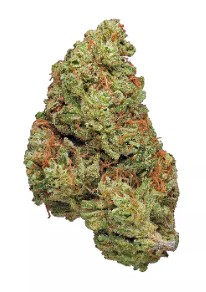
The aroma of Jack Skellington is a delightful combination of earthy, citrusy, and skunky notes. The earthy tones often have a pine-like smell, while the citrus undertones provide a bright and refreshing scent. When the buds are broken open or ground up, a strong skunky fragrance is often released, making it a distinctive strain that is easily identifiable by scent alone.
3. THC and CBD Content
Jack Skellington typically has a THC content ranging from 18% to 25%, with some variations depending on growing conditions and cultivation techniques. This makes it a moderately high-THC strain, capable of delivering powerful effects, particularly for experienced users.
- THC Content: With its THC levels often reaching the upper 20% range, Jack Skellington is a potent strain, offering a powerful euphoric and cerebral experience.
- CBD Content: Jack Skellington generally has low levels of CBD, typically around 0.1% to 0.3%. This low CBD content means it is unlikely to provide significant therapeutic benefits for conditions that respond best to CBD, such as anxiety, chronic pain, or inflammation.
4. Effects of Jack Skellington
Jack Skellington delivers a balanced high that begins with an uplifting cerebral experience and gradually moves into full-body relaxation. This dual effect makes it versatile, offering something for both recreational users and those seeking therapeutic benefits. Let’s break down the effects based on its genetic profile.
Recreational Effects
- Euphoric and Uplifting: Jack Skellington is known for its ability to elevate mood and inspire creativity. The sativa component of the strain provides a cerebral high that is euphoric and uplifting, making it an excellent choice for social gatherings, creative work, or brainstorming sessions.
- Energetic: Many users report feeling an energy boost shortly after consuming Jack Skellington. This burst of energy makes it ideal for daytime use, as it can help combat fatigue without causing anxiety or overstimulation.
- Relaxing: While the strain is predominantly sativa, it has indica-leaning effects toward the tail end of the high, which results in a state of relaxation. This helps to counterbalance the initial energetic and euphoric effects, making the experience more pleasant overall.
- Mental Clarity: Jack Skellington users often report feeling mentally clear and focused, which can be beneficial for tasks requiring concentration, such as studying or problem-solving.
Medical Effects
Jack Skellington has a range of medicinal benefits, making it suitable for patients seeking relief from various physical and mental health conditions. While the strain’s effects can vary depending on the individual, here are some of the common medical uses:
- Stress and Anxiety: The uplifting nature of Jack Skellington helps reduce stress and anxiety. The initial cerebral high can help lift mood and provide a sense of euphoria, while the relaxation from the indica influence prevents the strain from causing anxiety or paranoia, making it ideal for patients with stress-related issues.
- Depression: The euphoric and uplifting effects of Jack Skellington make it useful for those battling depression. By improving mood and increasing energy levels, it can help patients feel more motivated and emotionally balanced.
- Fatigue: The energizing effects of Jack Skellington can be particularly helpful for individuals who experience fatigue due to chronic illness, medication side effects, or other conditions. It can help improve focus, creativity, and alertness during the day.
- Chronic Pain: While not as potent as other strains specifically designed for pain relief, Jack Skellington’s indica side can provide moderate pain relief, particularly for individuals dealing with mild to moderate aches and discomfort.
- Appetite Loss: Some users find that Jack Skellington stimulates their appetite, which can be beneficial for individuals suffering from conditions that cause reduced appetite, such as chemotherapy, chronic illnesses, or other medical treatments.
5. Scientific Information
Terpene Profile
The flavor and aroma of Jack Skellington are heavily influenced by its terpene profile. Terpenes are aromatic compounds found in cannabis that contribute to the strain’s effects, flavor, and aroma. The primary terpenes found in Jack Skellington include:
- Limonene: Known for its citrus aroma, limonene is often found in sativa-dominant strains. It is believed to have anti-anxiety, antidepressant, and anti-inflammatory properties.
- Pinene: Present in many cannabis strains, pinene has a piney, herbal scent and is thought to have anti-inflammatory, bronchodilator, and memory-enhancing effects.
- Myrcene: A common terpene in both indica and hybrid strains, myrcene has a musky, earthy smell and is believed to have relaxing, sedative effects. It also enhances the absorption of other cannabinoids, including THC.
- Caryophyllene: This spicy terpene is believed to have anti-inflammatory and analgesic properties. It binds to CB2 receptors in the endocannabinoid system, which may help reduce pain and inflammation.
Cannabinoids
The primary cannabinoids in Jack Skellington are tetrahydrocannabinol (THC) and cannabidiol (CBD), though it also contains trace amounts of other cannabinoids such as CBG and CBC. THC is the dominant cannabinoid, responsible for the psychoactive effects of the strain, while CBD plays a smaller role.
- THC: THC is the primary psychoactive compound in cannabis, responsible for the euphoric high and increased mental clarity associated with Jack Skellington. It also has therapeutic properties, such as pain relief and mood elevation.
- CBD: While Jack Skellington is low in CBD, it still contributes to the strain’s medicinal properties, including mild anti-inflammatory and anxiolytic effects.
6. Growing Jack Skellington Cannabis
Jack Skellington cannabis, like many hybrid strains, requires careful attention to growing conditions to optimize its yield, potency, and overall health. The cultivation of Jack Skellington can be accomplished both indoors and outdoors, though each environment presents its unique challenges. Below is an in-depth look at the scientific methods and best practices for growing Jack Skellington cannabis.
Genetics and Growth Characteristics
- Sativa Influence: The sativa genetics of Jack Skellington impart a tendency for tall growth with long internodal spaces. This means the plant can stretch quite a bit, requiring careful management to prevent overcrowding or excessive vertical growth.
- Indica Influence: The indica traits bring in a more compact and bushy growth structure, making it slightly easier to manage compared to some other sativa-dominant strains.
Indoor vs. Outdoor Cultivation
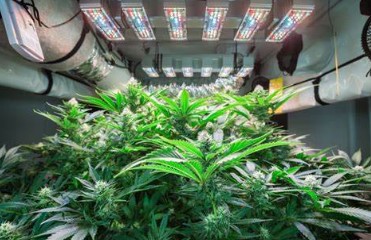
- Indoor Cultivation: Growing Jack Skellington indoors is a popular option for growers who want to have more control over the growing environment. Indoor growers can carefully manipulate the light, temperature, humidity, and CO2 levels to optimize plant growth.Key Factors for Indoor Cultivation:
- Temperature: Jack Skellington thrives at temperatures between 70°F and 80°F (21°C – 27°C) during the day. At night, temperatures can drop slightly to simulate the natural light/dark cycle.
- Humidity: During the vegetative stage, maintain a humidity level of 50%-60%. Once the plant transitions into the flowering stage, the humidity should be reduced to 40%-50% to avoid mold or mildew issues.
- Light Cycle: Like most cannabis strains, Jack Skellington requires 18 hours of light during the vegetative stage and 12 hours of light during the flowering phase. The use of full-spectrum LED lights is popular among indoor growers, as these lights mimic the sun’s natural light, promoting healthy growth.
- CO2 Supplementation: For higher yields, some growers may consider using CO2 enrichment in their indoor setups. This enhances photosynthesis and can lead to faster growth and more robust plants.
- Outdoor Cultivation: Growing Jack Skellington outdoors is ideal for regions with long summers and mild autumns, as it enjoys warm climates similar to its genetic background. The outdoor environment allows the plants to reach their full potential in terms of size and yield, though it is subject to the vagaries of weather conditions and pests.Key Factors for Outdoor Cultivation:
- Climate: Jack Skellington prefers a Mediterranean-like climate, with temperatures ranging from 65°F to 85°F (18°C – 29°C). The strain can handle light fluctuations, but it does not thrive in excessive heat or frost.
- Soil: Well-drained, nutrient-rich soil is crucial for Jack Skellington’s growth. The soil should have a slightly acidic to neutral pH level of about 6.0 to 7.0. Growers often use organic soil to promote the development of beneficial microorganisms and improve soil structure.
- Sunlight: Outdoor plants should receive 8-10 hours of direct sunlight each day for optimal photosynthesis. If grown in regions with limited sunlight, supplemental lighting or reflective surfaces may be used to maximize light exposure.
Training Techniques
To ensure optimal yield and prevent overcrowding in both indoor and outdoor environments, various training techniques can be employed. These methods help manage the plant’s growth, improve light penetration, and maximize bud production. Some common techniques include:
- Topping: Topping involves cutting the top off the main stem early in the vegetative phase to promote the growth of lateral branches. This helps the plant develop a more even canopy and encourages multiple colas (bud sites), increasing overall yield.
- Low-Stress Training (LST): LST is a technique used to gently bend and tie down branches to create an even canopy. This technique maximizes light exposure to all parts of the plant, ensuring that more of the plant produces high-quality buds.
- Screen of Green (ScrOG): ScrOG is a method where a net or screen is used to support branches as they grow. This technique helps keep the plant’s growth even and maximizes exposure to light while controlling the height of the plant.
- Defoliation: Removing excess leaves during the flowering phase is done to allow better light penetration to lower parts of the plant. This can improve airflow and reduce the risk of mold or mildew.
Nutrients and Feeding Schedule
Like all cannabis strains, Jack Skellington has specific nutritional needs that must be met throughout its life cycle. These needs can vary slightly between the vegetative and flowering stages.
- Vegetative Stage:
- Nitrogen (N): During the vegetative stage, Jack Skellington requires high levels of nitrogen, which supports healthy leaf and stem growth. Nitrogen is a vital component of chlorophyll and helps with overall growth and development.
- Phosphorus (P): In the early vegetative stage, phosphorus levels should be moderate to support root development.
- Potassium (K): Potassium is important throughout the vegetative phase, as it helps with the development of strong stems and branches.
- Flowering Stage:
- Phosphorus (P): As the plant enters the flowering stage, phosphorus becomes crucial for bud development and overall yield.
- Potassium (K): Potassium is essential during flowering as it helps the plant produce dense, healthy buds.
- Calcium and Magnesium: These secondary nutrients are important in the flowering phase to ensure proper cell division and overall plant health.
Flowering Time and Harvesting
Jack Skellington has a moderate flowering time compared to other cannabis strains. Typically, it will take about 9 to 10 weeks to flower fully. The exact time can vary based on environmental factors, including light, temperature, and humidity.
- Signs of Readiness: To determine when to harvest, growers should closely observe the trichomes (the tiny resin glands on the buds). When trichomes turn from clear to milky white or amber, this is an indication that the plant’s potency is at its height.
- Harvest Window: Jack Skellington has a narrow window for harvesting, as waiting too long may lead to a reduction in THC potency, while harvesting too early may result in less flavor and aroma.
Pest and Disease Management
As with any cannabis strain, Jack Skellington is vulnerable to certain pests and diseases. A few common pests include:
- Spider Mites: These tiny insects can damage leaves by sucking the sap. If left untreated, spider mites can lead to yellowing and deformed leaves. Regular inspection and the use of organic pest control methods (e.g., neem oil) are recommended.
- Powdery Mildew: Powdery mildew is a fungal disease that thrives in humid conditions. Ensuring proper air circulation, reducing humidity, and applying organic fungicides can help manage and prevent this issue.
- Root Rot: Root rot is typically caused by overwatering and poor drainage. Ensuring that the plant’s roots have proper oxygenation and avoiding excessive moisture can prevent this disease.
Yield and Potency
- Indoor Yield: The average indoor yield for Jack Skellington can range from 0.5 to 1 gram per watt of light, with optimal care and techniques like LST and ScrOG. With experienced growers, the yield can be as high as 450 to 500 grams per square meter.
- Outdoor Yield: Outdoor yields for Jack Skellington can be significantly higher, with some plants producing upwards of 600 to 700 grams per plant, depending on the growing conditions.
Jack Skellington is known for its high THC content, typically ranging from 18% to 25%. This makes it a potent strain that can induce strong effects, including euphoria, creativity, and mental stimulation, as well as full-body relaxation.
7. Conclusion
Jack Skellington is a well-rounded cannabis strain that offers a delightful mix of uplifting, euphoric effects combined with a touch of relaxation. Its moderate THC content and balanced sativa-indica genetics make it suitable for both recreational and medical users. Whether you’re looking for a strain to boost creativity, combat fatigue, or alleviate mild symptoms of stress or pain, Jack Skellington is a versatile and enjoyable choice. With its unique combination of flavors, effects, and therapeutic properties, it has earned a solid reputation in the cannabis community.
For a complete directory of cultivars, visit our Cannabis Strain Reviews.
