Table of Contents
Jack Flash is a hybrid cannabis strain renowned for its well-balanced effects, potency, and versatility. Developed by Sensi Seeds, Jack Flash is a genetic blend of Jack Herer, Super Skunk, and Haze, resulting in a strain that exhibits both sativa-dominant and indica-leaning characteristics depending on phenotype.
Jack Flash is recognized for its euphoric and energetic high, making it an excellent choice for recreational users seeking motivation, creativity, and mood elevation. Medicinally, it provides therapeutic relief for anxiety, depression, stress, pain, and fatigue, making it a versatile strain for various conditions.
Genetics and Origin
Jack Flash was developed by Sensi Seeds, a prestigious breeder based in Amsterdam. It is a carefully selected hybrid designed to capture the best qualities of its three parent strains:
- Jack Herer: A legendary sativa-dominant hybrid known for its cerebral, uplifting effects and spicy, earthy aroma.
- Super Skunk: A robust indica that provides relaxation, body sedation, and a pungent aroma.
- Haze: A classic sativa recognized for its energizing, euphoric, and long-lasting effects.
This genetic mix gives Jack Flash its distinct profile, balancing mental stimulation with physical relaxation while retaining a rich terpene and cannabinoid composition.
Appearance, Aroma, and Flavor
Appearance
Jack Flash buds are typically dense, resin-coated, and medium to large-sized. The coloration is a mix of bright green hues with orange pistils and a frosty trichome coating, indicating high potency.
Aroma
The strain emits a complex and enticing aroma, blending elements of citrus, earthiness, skunk, and pine. When broken apart, the buds release a pungent scent with hints of herbal and spicy undertones.
Flavor
Upon inhalation, Jack Flash offers a smooth, citrus-forward flavor with earthy, skunky, and peppery notes. On exhale, a sweet, woody, and slightly spicy taste lingers, making it a pleasant smoking or vaping experience.
Cannabinoid and Terpene Profile
Jack Flash is known for its moderate to high THC content, ranging between 18-24% THC, with CBD levels generally below 1%.
Primary Cannabinoids
- THC (18-24%): Responsible for psychoactive effects, euphoria, and pain relief.
- CBD (<1%): Minimal, but still contributes to anti-inflammatory and anxiolytic benefits.
- CBG (~1%): Known for neuroprotective and anti-inflammatory properties.
- THCV (~0.5%): Contributes to energetic effects and appetite suppression.
Dominant Terpenes
- Limonene: Provides citrus aroma and contributes to mood elevation and stress relief.
- Myrcene: Common in indicas, offering relaxation and sedative effects.
- Pinene: Enhances alertness and memory retention while providing anti-inflammatory benefits.
- Caryophyllene: Has a spicy aroma and functions as a natural anti-inflammatory and analgesic.
- Terpinolene: Contributes to an uplifting, energetic experience.
Effects and Experience
Jack Flash delivers a dynamic and balanced high, making it suitable for both daytime and evening use depending on dosage and phenotype.
Onset and Duration
- Onset: Fast-acting within 5-10 minutes.
- Peak Effects: 30-60 minutes after consumption.
- Duration: 2-4 hours, depending on dosage and individual metabolism.
Physical and Psychological Effects
- Euphoria: Provides an immediate uplifted and happy mood.
- Creativity Boost: Enhances focus and artistic inspiration.
- Energy and Motivation: Ideal for daytime productivity and social interactions.
- Body Relaxation: While initially stimulating, it transitions into a relaxing body high.
- Mental Clarity: Unlike heavy indica strains, Jack Flash offers clear-headed effects.
- Appetite Stimulation: Moderate munchies effect.

Methods of Ingestion and Their Scientific Impact
A. Inhalation (Smoking & Vaping)
1. Smoking (Joints, Pipes, Bongs)
Mechanism:
- When cannabis is smoked, cannabinoids (mainly THC and terpenes) are rapidly absorbed through the alveoli in the lungs and nearly instantly enter the circulation.
- The peak plasma concentration of THC occurs within 5-10 minutes after inhalation.
Onset: 1-5 minutes
Peak Effects: 10-30 minutes
Duration: 2-4 hours
Bioavailability: ~30-35%
Scientific Pros & Cons:
✔ Fast-acting effects, making it ideal for acute pain, anxiety, and stress relief.
✔ High bioavailability ensures efficient THC absorption.
✖ Combustion releases potential carcinogens and irritants, causing lung irritation.
2. Vaping (Dry Herb Vaporizers, Oil Pens)
Mechanism:
- Vaporization heats cannabis to a temperature where cannabinoids and terpenes are released as an aerosol but without combustion.
- This reduces toxic byproducts while preserving THC, CBD, and terpenes more efficiently.
Onset: 1-3 minutes
Peak Effects: 10-20 minutes
Duration: 2-3 hours
Bioavailability: ~50-56%
Scientific Pros & Cons:
✔ Higher bioavailability than smoking.
✔ Less lung irritation than combustion.
✔ Preserves terpenes, leading to a more refined effect.
✖ Effects wear off faster compared to edibles.
B. Oral Ingestion (Edibles, Capsules, Sublinguals, Tinctures)
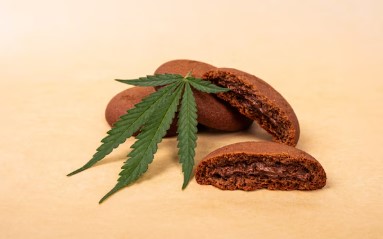
1. Edibles (Gummies, Brownies, Capsules)
Mechanism:
- THC is absorbed through the gastrointestinal tract and metabolized by the liver into 11-hydroxy-THC, a metabolite that is significantly more potent and has longer-lasting effects.
- This leads to a delayed onset but a prolonged, intense high.
Onset: 30-90 minutes
Peak Effects: 2-3 hours
Duration: 6-10 hours
Bioavailability: ~4-20%
Scientific Pros & Cons:
✔ Long-lasting effects, ideal for chronic pain and insomnia.
✔ No lung damage, making it a safer alternative to smoking.
✖ Delayed onset can lead to accidental overconsumption.
✖ Lower bioavailability due to first-pass metabolism in the liver.
2. Sublingual (Tinctures, Sprays, Cannabis Oils)
Mechanism:
- Cannabis extracts placed under the tongue bypass the digestive system, directly entering the bloodstream through the sublingual mucosa.
- This results in faster absorption compared to edibles.
Onset: 15-45 minutes
Peak Effects: 1-2 hours
Duration: 4-6 hours
Bioavailability: ~15-35%
Scientific Pros & Cons:
✔ Faster onset than edibles.
✔ Higher bioavailability than traditional edibles.
✖ Not as long-lasting as edibles.
C. Topical & Transdermal Applications
1. Topicals (Lotions, Balms, Salves)
Mechanism:
- Topicals do not enter the bloodstream but interact with localized cannabinoid receptors (CB2 receptors) in the skin and muscles.
- Ideal for localized pain relief and inflammation.
Onset: 5-15 minutes
Duration: 2-6 hours
Bioavailability: Localized effects only
Scientific Pros & Cons:
✔ Non-psychoactive, meaning it won’t cause a “high.”
✔ Excellent for pain and inflammation relief.
✖ No systemic effects, meaning it won’t relieve stress or anxiety.
2. Transdermal Patches
Mechanism:
- Unlike regular topicals, transdermal patches penetrate the skin barrier and enter the bloodstream, allowing for systemic cannabinoid delivery over an extended period.
- Some patches are time-released, providing sustained effects for 12-24 hours.
Onset: 30 minutes – 2 hours
Duration: 12-24 hours
Bioavailability: ~30-50%
Scientific Pros & Cons:
✔ Long-lasting, consistent dosage.
✔ Ideal for chronic conditions like arthritis or neuropathy.
✖ Expensive and limited strain options available.
Duration & Onset: Scientific Breakdown by Ingestion Type
| Method | Onset Time | Peak Effects | Duration | Bioavailability |
|---|---|---|---|---|
| Smoking | 1-5 min | 10-30 min | 2-4 hours | 30-35% |
| Vaping | 1-3 min | 10-20 min | 2-3 hours | 50-56% |
| Edibles | 30-90 min | 2-3 hours | 6-10 hours | 4-20% |
| Sublingual | 15-45 min | 1-2 hours | 4-6 hours | 15-35% |
| Topicals | 5-15 min | N/A | 2-6 hours | Localized |
| Transdermal | 30 min-2 hr | 2-4 hours | 12-24 hours | 30-50% |
Factors Affecting Onset and Duration
A. Individual Physiology
- Metabolism: Faster metabolism = quicker onset, shorter duration.
- Body Fat Percentage: THC is fat-soluble, meaning higher body fat stores THC longer.
B. THC and Terpene Interactions
- Limonene: Increases absorption rate, reducing onset time.
- Myrcene: Enhances THC permeability, making effects feel stronger and longer-lasting.
C. Tolerance and Dosage
- Higher tolerance users will experience shorter durations and reduced effects.
- Microdosing (small, controlled doses) can prolong effectiveness without excessive psychoactivity.
Potential Side Effects
- Dry mouth and eyes (common with THC-rich strains).
- Mild paranoia or anxiety (when consumed in high doses).
- Dizziness or headache (rare, usually with overconsumption).
Medical Uses of Jack Flash
Mental Health Benefits
- Depression: Mood-enhancing properties help combat low energy and lack of motivation.
- Anxiety and Stress: Limonene and myrcene provide a calming effect, reducing stress levels.
- ADHD/ADD: Increases focus and cognitive clarity.
Physical Health Benefits
- Pain Relief: Effective against chronic pain, muscle tension, and migraines due to its anti-inflammatory properties.
- Fatigue: The energizing effects help those with chronic fatigue or lack of motivation.
- Appetite Loss: Mild munchies effect may help individuals experiencing appetite suppression due to medical conditions or treatments.
Neurological Benefits
- Neuroprotection: Cannabinoids like CBG and THCV support brain function and may aid neurodegenerative conditions.
- Seizure Management: While not high in CBD, some anecdotal reports suggest minor anticonvulsant properties.
Recreational Uses of Jack Flash
Daytime Use
Jack Flash’s cerebral high makes it an excellent strain for social gatherings, outdoor activities, and creative projects. It’s a favorite among artists, musicians, and writers.
Exercise and Outdoor Activities
Due to its energy-boosting effects, Jack Flash is suitable for activities like:
- Hiking
- Yoga
- Dancing
- Cycling
Music and Entertainment
The euphoric effects of Jack Flash make music and movies more immersive, enhancing the sensory experience.
Social Interaction
Jack Flash fosters talkativeness and laughter, making it ideal for social settings.
Relaxation and Meditation
While primarily uplifting, Jack Flash’s body relaxation makes it suitable for light meditation or mindfulness practices.
Scientific Insights and Studies
Cannabinoid-Terpene Synergy (Entourage Effect)
The combination of THC, CBG, and terpenes like limonene and pinene in Jack Flash creates an entourage effect, enhancing both mental stimulation and relaxation.
Neuroprotective Properties
- CBG (Cannabigerol): Found in minor concentrations, it has been linked to neuroprotection, potentially aiding in Alzheimer’s and Parkinson’s disease.
- Pinene: Enhances memory retention and cognitive clarity.
Anti-Inflammatory and Pain Relief
- Caryophyllene: A known anti-inflammatory agent, interacting with CB2 receptors to reduce pain perception.
- THC & CBG: Work together to provide analgesic effects, beneficial for arthritis and neuropathy.
Cultivation and Growing Tips
1. Environmental Requirements
A. Temperature & Humidity
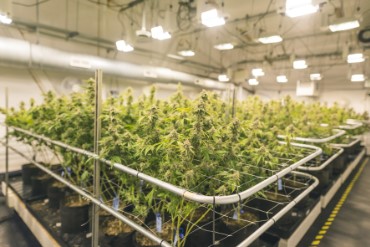
Jack Flash thrives in warm, semi-humid conditions similar to the Mediterranean climate. Maintaining the right temperature and humidity levels is crucial for different growth stages:
- Seedling Stage (Week 1-2):
- Temperature: 72-78°F (22-26°C)
- Humidity: 65-75%
- Vegetative Stage (Week 3-6):
- Temperature: 70-80°F (21-27°C)
- Humidity: 50-70%
- Flowering Stage (Week 7-10):
- Temperature: 65-75°F (18-24°C)
- Humidity: 40-50%
- Late Flowering (Final 2 weeks):
- Temperature: 60-70°F (15-21°C)
- Humidity: 30-40% (reduces mold risk and enhances resin production)
B. Light Requirements
Jack Flash responds well to high-intensity lighting:
- Indoor: 600W-1000W HID (High-Intensity Discharge) lights such as HPS (High-Pressure Sodium) or LED full-spectrum grow lights.
- Outdoor: Requires at least 8-10 hours of direct sunlight daily for optimal photosynthesis.
C. Air Circulation & Ventilation
Proper airflow prevents powdery mildew and mold formation. Installing oscillating fans, carbon filters, and inline fans regulates temperature and CO₂ levels, improving plant respiration.
2. Cultivation Techniques
A. Hydroponic vs. Soil Growth
Jack Flash can be grown using either hydroponic or soil-based cultivation, each with its own advantages.
1. Hydroponic Method (Nutrient Film Technique – NFT, Deep Water Culture – DWC, or Aeroponics)
Advantages:
- Faster growth and higher yields due to direct nutrient absorption.
- Less risk of soil-borne pathogens.
- More precise pH and nutrient control.
Nutrient Solution for Hydroponic Growth:
- Nitrogen (N): 150-200 ppm (veg) / 100-150 ppm (flowering).
- Phosphorus (P): 50-80 ppm (veg) / 100-150 ppm (flowering).
- Potassium (K): 150-200 ppm (veg) / 200-300 ppm (flowering).
- Calcium (Ca) & Magnesium (Mg): Essential for terpene and trichome production.
pH Level: 5.5-6.2
EC (Electrical Conductivity): 1.2-2.0 mS/cm (adjusted for growth stage).
2. Organic Soil Cultivation (Living Soil, Super Soil, or Coco Coir)
Advantages:
- Enhances terpene profile for stronger aroma and flavor.
- Better natural resistance to pests and diseases.
- Sustainable and cost-effective.
Recommended Soil Composition:
- Loamy soil with 40% aeration (perlite or coco coir).
- Organic compost with worm castings for slow-release nutrients.
- Mycorrhizal fungi & beneficial bacteria for root health.
pH Level: 6.0-7.0
3. Advanced Training Techniques for Maximum Yield
Jack Flash responds well to various high-yield training techniques that manipulate plant structure for better light exposure and airflow.
A. Topping & Fimming
- Topping (Cutting the main stem’s tip at the third node) promotes two main colas instead of one, increasing lateral growth.
- Fimming (Pinching off 70-80% of new growth) produces multiple bud sites, maximizing yield.
B. Screen of Green (SCROG)
- Uses a horizontal mesh net (trellis system) to train Jack Flash into an even canopy.
- Improves light distribution, leading to denser buds and higher THC production.
C. Low-Stress Training (LST)
- Bending and tying branches down increases airflow and light penetration.
- Enhances THC and terpene production by reducing shade stress.
D. Defoliation & Lollipopping
- Removing lower fan leaves enhances air circulation and reduces energy wasted on non-productive foliage.
- Lollipopping (pruning lower branches) channels energy into main colas, increasing resinous buds.
4. Nutrient Management & Feeding Schedule
Jack Flash requires a well-balanced nutrient regime to optimize growth.
A. Vegetative Stage (Weeks 3-6)
- High nitrogen (N) for strong leaf and root development.
- Moderate phosphorus (P) and potassium (K) to prepare for flowering.
- Supplement with silica (Si) for stem strength and calcium/magnesium (Ca/Mg) for enzymatic functions.
Feeding Frequency:
- Hydroponic: Every 2-3 days.
- Soil: Every 4-6 days, alternating with plain water.
B. Flowering Stage (Weeks 7-10)
- Reduce nitrogen to prevent leafy growth.
- Increase phosphorus and potassium for bud development and terpene enhancement.
- Supplement with molasses or humic acids to boost microbial activity.
C. Flushing Period (Final 2 weeks before harvest)
- Water-only feeding to remove excess salts and enhance flavor purity.
- Ideal pH: 6.0-6.5 (soil) or 5.5-6.0 (hydroponics).
5. Pest and Disease Management
Jack Flash is moderately resistant to pests, but proactive prevention is key.
A. Common Pests & Solutions
- Spider Mites: Neem oil, predatory insects (ladybugs).
- Fungus Gnats: Sticky traps, hydrogen peroxide drench.
- Aphids: Natural insecticides (pyrethrin, potassium soap).
B. Disease Prevention
- Powdery Mildew: Proper humidity control, sulfur foliar spray.
- Root Rot: Well-draining soil, beneficial microbes (Trichoderma, Bacillus).
6. Harvesting & Post-Harvest Processing
Jack Flash reaches full maturity in 8-10 weeks of flowering.
A. Trichome Monitoring (Scientific Harvest Timing)
- Milky Trichomes (Optimal THC levels): Ideal for energizing effects.
- Amber Trichomes (CBD conversion begins): Best for relaxation.
- Clear Trichomes: Too early; insufficient potency.
B. For Maximum Potency, Dry and Cure
Enhances THC conversion and terpene preservation.
Drying:
Temperature: 60-70°F (15-21°C)
Humidity: 50-60%
Duration: 7-14 days in a dark, ventilated space.
Curing:
Store in airtight glass jars, burping them daily for 2-4 weeks.
Conclusion
Jack Flash is a versatile, well-balanced hybrid with a stimulating cerebral high and soothing body effects. It is ideal for users seeking motivation, creativity, and stress relief, with medicinal applications for depression, chronic pain, and fatigue. Whether for recreational enjoyment or therapeutic benefits, Jack Flash remains a top-tier cannabis strain.
Final Verdict: A must-try for those who appreciate an energetic yet relaxing high!
For a complete directory of cultivars, visit our Cannabis Strain Reviews.
