Table of Contents
The J1 cannabis strain is a hybrid, predominantly sativa-dominant, that combines the genetics of two renowned strains: Jack Herer and Skunk #1. Known for its uplifting effects and intense euphoric high, J1 is favored by both recreational and medicinal cannabis users. With its potent aroma, engaging effects, and versatile therapeutic properties, J1 has gained significant popularity in the cannabis community.
This detailed breakdown of J1 focuses on its genetic origins, effects, medical benefits, side effects, and growing characteristics, alongside its recreational appeal.
Genetic Origins of J1
The strain is a hybrid with a 70% sativa and 30% indica genetic profile. Here’s a closer look at its parent strains:
- Jack Herer: A legendary sativa-dominant hybrid, Jack Herer was created by crossing a Haze hybrid with a Northern Lights #5 and Shiva Skunk. Jack Herer is renowned for its clear-headed high, stimulating effects, and medicinal uses for stress and pain relief.
- Skunk #1: One of the most famous and influential cannabis strains in history, Skunk #1 is a hybrid cross between Afghani, Acapulco Gold, and Colombian Gold. Its genetics contribute to a robust flavor profile and potent effects.
It inherits Jack Herer’s cerebral and creative stimulation, paired with the earthy, pungent aroma of Skunk #1, resulting in a strain that balances uplifting effects with a more grounded relaxation.
Appearance and Aroma of J1
It has a visually appealing structure, characterized by its dense, lime-green buds dusted with glistening trichomes. The buds have vibrant orange pistils, indicating potency. Its aesthetic appeal, along with its powerful effects, makes it an attractive choice for cannabis connoisseurs.
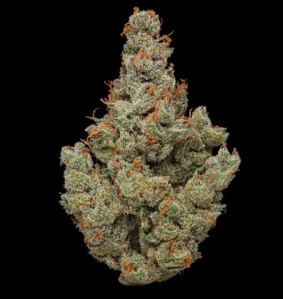
The aroma of the strain is bold and pungent, featuring:
- Citrusy notes with a sweet and tangy edge
- Earthy undertones from the Skunk lineage
- A faint hint of pine and woodiness, contributing to its overall aromatic complexity
The fragrance is both enticing and powerful, often filling a room with its skunky, citrusy aroma upon breaking up the buds.
Effects of J1 Cannabis Strain
Recreational Effects
It is particularly popular in recreational settings due to its stimulating and euphoric effects, which tend to be strong but balanced. Here are the primary effects felt by users:

- Euphoric Head High: The most notable effect of it is a pronounced cerebral euphoria. Users often report a feeling of happiness and joy, making it a popular choice for social gatherings or creative tasks.
- Increased Energy and Focus: Thanks to its sativa-dominant genetics, J1 provides a boost in mental clarity and focus. It is ideal for daytime use, as it encourages motivation and productivity without the typical mental fog associated with other strains.
- Mood Enhancement: Along with euphoria, J1 promotes a sense of emotional well-being, helping to alleviate feelings of stress and anxiety. Many users enjoy the uplifting high that makes them feel more sociable and outgoing.
- Creative Stimulation: J1’s stimulating effects are ideal for sparking creativity. Whether engaging in artistic endeavors or brainstorming new ideas, J1 can help facilitate a flow of inspiration and clear thinking.
However, some users may experience an overwhelming cerebral high, leading to potential paranoia or discomfort if consumed in excessive amounts.
Medicinal Effects
The strain’s balance of mental stimulation and calming properties has made it a popular strain among medical cannabis users for a variety of conditions. The therapeutic effects of J1 include:

- Mood Disorders: J1 is frequently used to manage conditions such as depression and anxiety. Its euphoric, uplifting effects can boost mood and provide relief from negative thoughts or feelings of hopelessness, making it beneficial for individuals experiencing these conditions.
- Stress Relief: Due to its cerebral high and mood-enhancing effects, it is commonly used for managing stress. It promotes a sense of relaxation without the heavy sedation often caused by indica strains.
- Fatigue and Lethargy: The energizing properties of J1 make it effective for combatting fatigue and low energy. It is particularly beneficial for individuals who need to stay productive or active throughout the day.
- Pain Relief: While J1 is not as potent for pain management as indica-dominant strains, it still provides some analgesic effects. It is especially helpful for alleviating mild to moderate pain, including headaches and body aches, due to its overall relaxing properties.
- Appetite Stimulation: J1 can increase appetite, making it a helpful option for patients experiencing a lack of appetite due to medical conditions like cancer, HIV/AIDS, or chemotherapy.
Scientific Properties of J1
Cannabinoid Profile
The cannabinoid profile of it is relatively high in THC content, typically ranging from 18% to 24%, depending on cultivation methods and the specific phenotype. This potency is responsible for the powerful cerebral effects that J1 provides. J1 has a relatively low CBD content, usually between 0.1% and 0.3%.
- THC: As the primary psychoactive compound, THC in the strain contributes to its euphoric and stimulating effects. The high THC levels make it effective for both recreational and medicinal use, though they also increase the likelihood of adverse effects in sensitive users.
- CBD: While low in CBD, J1 may still provide mild therapeutic benefits due to this cannabinoid’s potential to counteract the more intense effects of THC, such as anxiety or paranoia. However, for users specifically seeking higher CBD content for medical reasons, it may not be the optimal choice.
Terpene Profile
Terpenes are aromatic compounds that not only contribute to the fragrance of the cannabis plant but also influence its effects. The primary terpenes found in J1 include:
- Terpinolene: This terpene is common in sativa strains and contributes to J1’s sweet, floral, and citrusy aroma. Terpinolene has calming and anti-inflammatory properties, providing balance to J1’s stimulating effects.
- Caryophyllene: This spicy, peppery terpene is also found in black pepper and contributes to J1’s complex flavor profile. Caryophyllene is known for its anti-inflammatory and pain-relieving effects, making it beneficial for medicinal users.
- Limonene: Limonene is responsible for the citrus aroma and is also known for its mood-lifting and anti-anxiety properties. This terpene enhances the euphoric effects of J1 and can provide an uplifting experience.
Medical Uses of J1 Cannabis Strain
J1’s medical applications extend beyond the mood-enhancing effects it provides. It is used by patients for a variety of health issues due to its unique combination of cannabinoids and terpenes.
Anxiety and Stress Relief
The strain is often prescribed to individuals dealing with anxiety disorders. The strain’s uplifting effects can counter feelings of stress and overwhelm, promoting relaxation and mental clarity without the sedative effects of indica strains. Patients suffering from generalized anxiety disorder (GAD), social anxiety, and panic disorders may find relief with J1.
Depression
Due to its mood-elevating and energizing properties, it is an effective treatment option for those with depression. Its potent euphoric effects can help patients overcome feelings of sadness, irritability, and hopelessness, while simultaneously supplying the energy required for everyday tasks.
Pain and Inflammation
It provides mild to moderate pain relief, particularly for headaches, muscle pain, and joint inflammation. The strain’s anti-inflammatory terpenes, such as caryophyllene, add therapeutic value for patients managing chronic pain.
Appetite Stimulation
For patients undergoing chemotherapy or dealing with conditions that affect appetite, such as HIV/AIDS, it can stimulate hunger. This property can be crucial for maintaining a healthy weight and ensuring adequate nutrition.
Growing J1 Cannabis Strain
Cultivating the strain cannabis strain requires a thorough understanding of its environmental preferences, growth stages, and optimal care to achieve the best possible yields and potency. Below are the scientific methods and key aspects to consider when cultivating J1.
Genetic Considerations for Cultivation
As a sativa-dominant hybrid (approximately 70% sativa and 30% indica), it inherits traits from both parent strains: Jack Herer and Skunk #1. The resulting genetic composition influences the strain’s growth characteristics:
- Sativa Growth Structure: J1 plants tend to grow tall and lanky with longer internodal spacing. This characteristic is common in sativa plants and requires more careful attention during cultivation to guarantee enough airflow and light penetration inside the canopy.
- Skunk #1 Influence: The Skunk lineage contributes to J1’s resilience and vigor. This makes J1 a relatively sturdy plant, though it can still be susceptible to illnesses and pests if improperly maintained.
Because J1 inherits these traits, cultivators should be mindful of the following key factors:
- Space Management: Given its sativa dominance, it requires ample space to allow for vertical growth. Careful pruning and training techniques can help manage this growth pattern effectively.
- Genetic Stability: When cultivating J1, it’s important to source genetics from a reputable breeder to ensure stable and consistent traits, such as potency, flavor, and aroma.
Ideal Growing Conditions
Temperature and Humidity Control
It thrives in moderate to warm temperatures with a range of 65°F to 80°F (18°C to 27°C). However, it can tolerate slightly higher temperatures during the day. Temperature control is crucial, as extreme heat can cause stress and reduce the potency of the buds, while cold temperatures can stunt growth and delay flowering.
- Humidity: During the vegetative stage, humidity levels should be around 50-70%. During the flowering stage, it is recommended to reduce the humidity to 40-50% to prevent mold and mildew growth, especially considering J1’s dense buds.
- Air Circulation: Good airflow is essential for keeping the plant healthy. This is especially important for preventing mold growth and promoting strong, healthy stems and leaves. A well-ventilated growing space helps maintain a balance in humidity and temperature.
Light Intensity and Photoperiod
- Indoor Grow Lights: J1 requires high-intensity lights, such as LED or high-pressure sodium (HPS) lights, during the vegetative and flowering stages. For vegetative growth, the plant will need around 18 hours of light per day and 6 hours of darkness. During the flowering stage, the photoperiod should be adjusted to 12 hours of light and 12 hours of darkness to induce the flowering response.
- Outdoor Growth: Outdoors, J1 performs best in regions with long, sunny summers. In the Northern Hemisphere, it should be planted early in the spring to benefit from extended daylight hours, with harvest typically occurring in early to mid-fall.
Soil and Nutrient Requirements
J1 thrives in well-draining soil that is rich in organic matter. The soil pH should be maintained between 6.0 to 7.0, which is optimal for cannabis growth. Cannabis plants, including J1, are sensitive to nutrient imbalances, so precise feeding is crucial.
- Soil Composition: J1 does well in soil blends that incorporate perlite or vermiculite for increased aeration and drainage. Coco coir can also be used for better water retention, though it requires more frequent nutrient applications.
- Nutrient Requirements: During the vegetative stage, J1 requires higher levels of nitrogen to support healthy leaf growth. As the plant transitions to flowering, it will need more phosphorus and potassium to support bud formation. Avoid overfeeding J1, as this can lead to nutrient burn or other deficiencies.
- Organic Nutrients: Many growers use organic nutrients to enhance the natural flavors of cannabis strains. Organic fertilizers often result in smoother, more flavorful buds, making them a popular choice for those cultivating J1 for its distinct aroma and taste.
Growth Stages and Key Cultivation Techniques
Germination and Early Growth
- Seed Germination: Use the paper towel method or plant the seeds directly into the soil. Keep the environment warm (around 70°F to 80°F) with humidity at 70-80%. The seeds should sprout in 3-7 days.
- Cloning: If growing from a clone, make sure it is rooted properly before transplanting. Clones often provide more consistency in traits like potency, flavor, and flowering time.
The plant moves into the vegetative stage following germination. This phase typically lasts around 4-6 weeks, depending on the grower’s goals.
Vegetative Stage
During the vegetative phase, J1 will experience rapid growth. It will need a lot of light and nutrients to establish a strong root system and vigorous plant growth.
- Topping and Pruning: To control the height and shape of the plant, growers often use techniques like topping (cutting off the top of the plant to encourage side branching) and pruning. These techniques help create a more uniform canopy, allowing for better light distribution and airflow.
- Training Techniques: The low-stress training (LST) method is frequently used with J1, where the stems are gently bent and tied down to promote horizontal growth. This maximizes light exposure and helps control the height of the plant.
Flowering Stage
The flowering stage for J1 typically lasts around 8 to 9 weeks, though this can vary depending on growing conditions and phenotype. During this phase, the plant requires careful management of its nutrient intake and environmental factors:
- Nutrient Adjustments: As the plant transitions to flowering, nutrient needs shift. Reduce nitrogen levels and increase phosphorus and potassium to support bud growth and development.
- Temperature Control: Maintain a temperature of 65°F to 75°F during flowering. Cooler temperatures at night (but not too cold) can help enhance the plant’s natural colors, which can sometimes result in purplish hues in the buds.
- Light Cycles: Ensure the photoperiod is 12 hours of light and 12 hours of darkness to trigger flowering. Any interruption to the dark cycle during this time can stress the plant and cause it to go into hermaphroditism (producing both male and female flowers).
Harvesting and Curing
Harvesting the J1 cannabis plant involves looking for the right trichome maturity. Typically, the trichomes (small resin glands on the buds) should be cloudy white with amber-colored heads, indicating peak THC levels.
- Harvesting: Cut the plant at the base and hang it upside down to dry. This process should take about 7-14 days, depending on humidity and airflow in the drying room.
- Curing: After drying, the buds should be placed in airtight jars for curing, a process that can last anywhere from 2 to 6 weeks. Curing enhances the flavor, aroma, and potency of the cannabis, making it more desirable for consumers.
Potential Challenges in Cultivation
- Pest Control: Like most cannabis strains, J1 can be susceptible to pests like spider mites and aphids. Regular inspection and the use of organic pest control methods can help mitigate these risks.
- Mold and Mildew: Due to its dense bud structure, J1 is vulnerable to mold and mildew, especially in humid environments. Proper ventilation, humidity control, and good airflow can prevent these issues.
- Nutrient Burn: Overfeeding J1, especially with high nitrogen content, can lead to nutrient burn, which causes the tips of the leaves to turn yellow or brown. Always adjust nutrient levels based on the plant’s growth stage.
Side Effects of J1 Cannabis Strain
- Dry Mouth (Cottonmouth): As with many cannabis strains, J1 can cause dryness in the mouth and eyes.
- Paranoia and Anxiety: In higher doses, J1’s potent cerebral effects can trigger feelings of paranoia or anxiety, particularly for individuals who are sensitive to THC.
- Dizziness or Lightheadedness: Some users report a mild sense of dizziness when consuming large amounts of J1.
Conclusion
The J1 cannabis strain stands out due to its potent effects, versatile medicinal uses, and robust genetic heritage. Whether it’s used for recreational enjoyment, such as enhancing creativity and energy, or for medicinal purposes, such as alleviating anxiety and pain, J1 proves itself to be an outstanding choice. Its stimulating nature, coupled with its therapeutic benefits, ensures its place as a beloved strain in the cannabis community.
From a scientific standpoint, J1’s cannabinoid and terpene profiles play a significant role in its effects, highlighting the importance of understanding cannabis beyond just THC content. For patients and recreational users alike, J1 offers a balanced and enjoyable experience, making it a staple strain for various purposes.
For a complete directory of cultivars, visit our Cannabis Strain Reviews.
