
Is Your 9-5 Affecting the Quality of Your Sleep? How Can Medical Cannabis Help?
In the modern world, the traditional 9-5 work schedule has become a cornerstone of daily life for many people. While it provides structure and a steady income, the demands and stresses associated with a 9-5 job can significantly impact one’s health, particularly the quality of sleep. This decline in sleep quality can lead to a host of physical and mental health issues, making it crucial to find effective solutions to mitigate these effects. Medical cannabis has emerged as a potential therapeutic option for improving sleep quality, offering relief for those whose rest is compromised by the rigors of a standard workday. This detailed exploration will examine how a 9-5 schedule affects sleep and how medical cannabis can play a role in enhancing sleep quality, emphasizing the medical use of cannabis while excluding any recreational use and consumption methods.
The Impact of a 9-5 Schedule on Sleep Quality
The Physiological Effects of a 9-5 Work Schedule
The typical 9-5 workday can have significant physiological effects on the body, many of which directly influence sleep quality. These effects include:
- Circadian Rhythm Disruption: The circadian rhythm—a 24-hour cycle that controls sleep and wakefulness—is a natural function of the human body. A standard 9-5 schedule often requires early rising, which can conflict with the body’s natural sleep patterns, particularly for those who are naturally night owls. Difficulties going to sleep, remaining asleep, and waking up rested may result from this disturbance.
- Stress and Anxiety: The demands of a 9-5 job, including deadlines, workload, and interpersonal dynamics, can lead to chronic stress and anxiety. Stress chemicals like cortisol can cause difficulty relaxing and falling asleep, which can result in poor quality sleep.
- Physical Exhaustion: While physical activity can promote good sleep, physical exhaustion from a demanding job, particularly one that involves manual labor or long hours of sitting, can have the opposite effect. Overexertion or lack of movement can both contribute to sleep disturbances.
- Mental Fatigue: A mentally demanding job can lead to mental fatigue, which, contrary to what one might expect, does not always translate into good sleep. Instead, mental fatigue can cause racing thoughts, difficulty winding down, and insomnia.
- Shift Work and Sleep Disorders: While the focus here is on the traditional 9-5 schedule, it’s worth noting that any work schedule that disrupts the natural sleep-wake cycle, such as shift work, can lead to sleep disorders like shift work sleep disorder (SWSD), which is characterized by insomnia and excessive sleepiness.
Psychological and Social Impacts
The psychological and social aspects of a 9-5 job also play a significant role in sleep quality:
- Work-Life Balance: For those who work from 9 to 5, finding a healthy work-life balance can be challenging. The pressure to succeed professionally while also fulfilling personal responsibilities can lead to increased stress and reduced time for relaxation and sleep.
- Social Jetlag: Social jetlag refers to the discrepancy between an individual’s biological clock and their social obligations. For example, if someone’s natural sleep cycle is to go to bed at midnight and wake up at 8 am, but their job requires them to wake up at 6 am, this can create a form of “jetlag” that affects sleep quality.
- Mental Health Issues: Chronic stress, anxiety, and depression are common among individuals working in high-pressure 9-5 jobs. These mental health issues are closely linked to sleep disturbances, as they can cause insomnia, nightmares, and other sleep-related problems.
- Reduced Leisure Time: A demanding job can leave little time for leisure activities, which are essential for relaxation and mental well-being. Without sufficient downtime, the mind and body may struggle to transition into a restful state conducive to sleep.
The Role of Medical Cannabis in Improving Sleep Quality
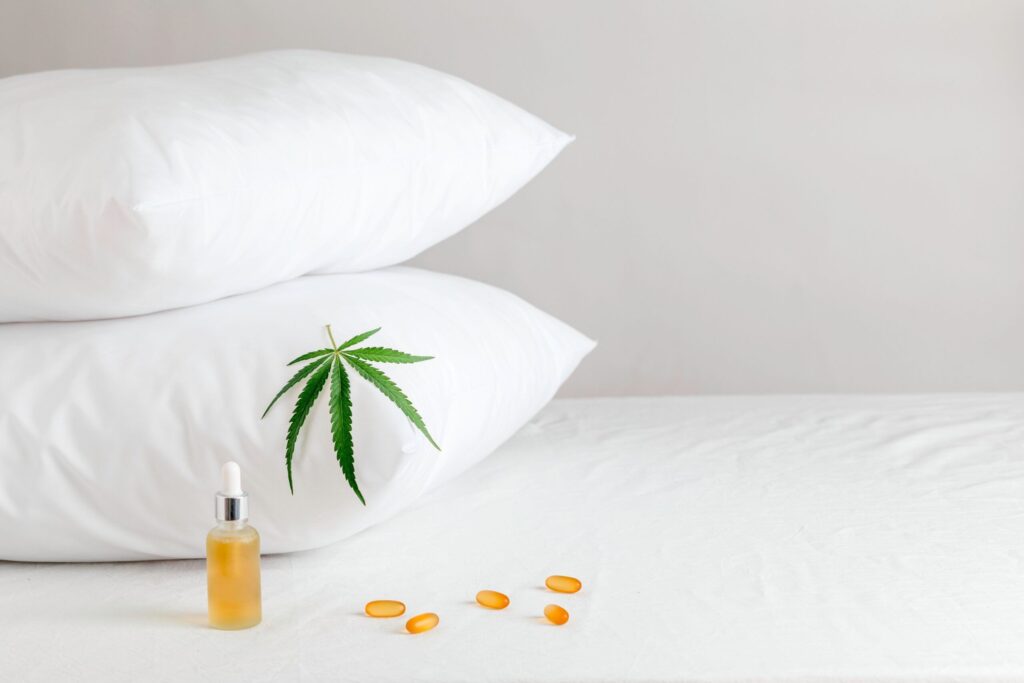
Medical cannabis has gained recognition for its potential therapeutic effects on sleep, particularly for individuals suffering from conditions that disrupt their sleep patterns. Understanding how medical cannabis can help improve sleep quality requires an examination of its components, their effects on the body, and the scientific evidence supporting its use.
The Endocannabinoid System and Sleep
Numerous physiological functions, including sleep, are significantly regulated by the endocannabinoid system (ECS). Endocannabinoids, or endogenous cannabinoids, enzymes that synthesize and degrade these cannabinoids, and cannabinoid receptors (CB1 and CB2) make up the endocannabinoid system (ECS). Medical cannabis interacts with the ECS to influence sleep in several ways:
- CB1 Receptors and Sleep Regulation: CB1 receptors are primarily located in the central nervous system, including areas of the brain involved in regulating sleep. Activation of CB1 receptors by cannabinoids such as tetrahydrocannabinol (THC) can promote sleep by enhancing sleep-inducing brain activity.
- CB2 Receptors and Inflammation: CB2 receptors are found mainly in the peripheral nervous system and immune cells. Their activation by cannabinoids such as cannabidiol (CBD) can reduce inflammation, which is often linked to conditions like sleep apnea that can disrupt sleep.
- Endocannabinoids and Sleep-Wake Cycle: Endocannabinoids, such as anandamide, naturally modulate the sleep-wake cycle. Medical cannabis, by interacting with the ECS, can help restore balance to this cycle, particularly in individuals whose sleep is disrupted by stress or other factors related to their 9-5 job.
Cannabinoids and Their Effects on Sleep
Medical cannabis contains a variety of cannabinoids, each with distinct effects on sleep:
- Tetrahydrocannabinol (THC): Although THC is the main psychoactive ingredient in cannabis, it also has a number of beneficial effects. THC has been demonstrated to shorten the time it takes to fall asleep and lengthen deep sleep, the most restorative stage of the sleep cycle, at low to moderate dosages. On the other hand, excessive THC dosages may have the opposite effect, possibly increasing anxiety and decreasing the quality of sleep.
- Cannabidiol (CBD): The non-psychoactive cannabis compound CBD is becoming more well-known for its many medicinal uses, which include improving sleep. CBD has been shown to reduce anxiety, which can help improve sleep latency (the time it takes to fall asleep) and sleep duration. Additionally, CBD may increase wakefulness during the day, leading to a more consolidated sleep at night.
- Cannabinol (CBN): CBN is a lesser-known cannabinoid that is often associated with sedative effects. Although research on CBN is limited, some studies suggest that it may enhance sleep by prolonging the duration of sleep and improving sleep quality, making it a potential option for those struggling with insomnia.
- Cannabigerol (CBG): CBG is another non-psychoactive cannabinoid with potential therapeutic effects on sleep. Preliminary research suggests that CBG may help regulate circadian rhythms and promote relaxation, which can contribute to better sleep quality.
Medical Cannabis and Sleep Disorders
A 9–5 work schedule may make a number of sleep issues worse, however medical cannabis has showed potential in treating them:
- Insomnia: Having trouble falling or staying asleep, or waking up too early, is the hallmark of one of the most prevalent sleep disorders: insomnia. The anxiolytic and sedative properties of THC and CBD can help reduce the symptoms of insomnia, allowing for a more restful night’s sleep.
- Sleep Apnea: Breathing repeatedly stops and begins during sleep, a condition known as sleep apnea that results in lower blood oxygen levels and disordered sleep. Research is needed to validate the effect of THC on reducing the frequency of apnea occurrences by stabilizing the muscles in the throat, as suggested by several studies.
- Restless Legs Syndrome (RLS): RLS is a neurological disorder characterized by an uncontrollable urge to move the legs, often accompanied by uncomfortable sensations. This condition can severely disrupt sleep. Medical cannabis, particularly CBD, has been reported to alleviate the symptoms of RLS, leading to improved sleep quality.
- Post-Traumatic Stress Disorder (PTSD): PTSD is a mental health condition that can cause severe sleep disturbances, including nightmares and insomnia. Medical cannabis, especially CBD, has been shown to reduce the frequency of nightmares and improve overall sleep quality in individuals with PTSD.
Scientific Evidence Supporting Medical Cannabis for Sleep
A growing body of scientific research supports the use of medical cannabis for improving sleep quality:
- Clinical Trials: Numerous clinical trials have investigated the effects of cannabinoids on sleep. For instance, THC increased the quantity of slow-wave sleep (deep sleep) and decreased the amount of time it took for patients to fall asleep in a study that was published in the journal Sleep. CBD helped a group of patients with anxiety-related sleep disorders sleep better and feel less anxious, according to a different study that was published in the Journal of Clinical Psychopharmacology.
- Observational Studies: Observational studies have also provided valuable insights into the effectiveness of medical cannabis for sleep. A large-scale survey conducted by the National Center for Complementary and Integrative Health found that nearly 70% of respondents who used cannabis for medical purposes reported improved sleep quality.
- Preclinical Research: Animal studies have provided further evidence of the sleep-promoting effects of cannabinoids. For instance, research published in the Journal of Pharmacology demonstrated that THC and CBD both increased total sleep time and reduced wakefulness in rodents.
- Meta-Analyses: Meta-analyses, which combine data from multiple studies, have also highlighted the potential benefits of medical cannabis for sleep. A meta-analysis published in the Journal of Sleep Research concluded that cannabinoids were effective in reducing sleep disturbances and improving overall sleep quality in patients with chronic pain, PTSD, and other conditions.
Considerations and Precautions
While medical cannabis holds promise for improving sleep quality, there are several important considerations and precautions to keep in mind:
- Dosage and Tolerance: The effects of medical cannabis on sleep can vary depending on the dosage. While THC at low to moderate dosages may help people fall asleep, THC at high quantities may have the opposite effect, causing anxiety and disrupting sleep. Furthermore, repeated THC usage can cause tolerance, which eventually lessens the drug’s potency.
- Individual Variability: The effects of medical cannabis can vary significantly from person to person, depending on factors such as genetics, overall health, and the specific sleep issues being addressed. It is important for individuals to work with a healthcare provider to find the most appropriate cannabinoid profile and dosage for their needs.
- Potential Side Effects: Even while medical marijuana is usually well tolerated, some people may experience negative effects from it. Changes in appetite, vertigo, and dry mouth are typical adverse effects. Rarely, using cannabis can have more severe adverse effects including psychosis or hallucinations, especially in people who have a history of mental health issues.
- Regulatory and Legal Considerations: The legal status of medical cannabis varies by country and region, and individuals should be aware of the regulations governing its use in their area. Additionally, some employers may have policies prohibiting the use of cannabis, even for medical purposes, which could impact job security.
- Long-Term Effects: The long-term effects of medical cannabis on sleep are not yet fully understood, and more research is needed to determine the potential risks and benefits of prolonged use. Individuals considering medical cannabis for sleep should discuss the potential long-term effects with their healthcare provider.
Integration with Other Treatments
For individuals whose sleep is affected by their 9-5 job, medical cannabis can be an effective component of a broader sleep management strategy. However, it is often most effective when integrated with other treatments and lifestyle changes:
- Sleep Hygiene: The efficiency of medical cannabis and the general quality of sleep can both be increased by following good sleep hygiene habits, which include keeping a regular sleep schedule, setting up a pleasant sleeping environment, and avoiding stimulants right before bedtime.
- Cognitive Behavioral Therapy (CBT): A organized program called cognitive behavioral therapy for insomnia (CBT-I) assists people in recognizing and altering the beliefs and actions that lead to sleep issues. Combining CBT-I with medical cannabis may provide synergistic effects, particularly for individuals with chronic insomnia.
- Stress Management Techniques: Incorporating stress management techniques, such as mindfulness meditation, deep breathing exercises, and physical activity, can help reduce the stress and anxiety associated with a 9-5 job, further improving sleep quality.
- Diet and Nutrition: A healthy diet rich in nutrients that support sleep, such as magnesium and tryptophan, can complement the effects of medical cannabis. Avoiding heavy meals and caffeine close to bedtime can also promote better sleep.
- Professional Support: Working with a healthcare provider, such as a sleep specialist or a medical cannabis expert, can help individuals develop a personalized treatment plan that addresses their unique sleep needs and maximizes the benefits of medical cannabis.
Restrictions on Using Cannabis as a Last Resort in Medical Treatment
Cannabis is often considered a treatment of last resort, meaning it is only prescribed when other conventional treatments have failed or are unsuitable. Several restrictions and guidelines govern this use:
- Regulatory Approval: In many countries and regions, medical cannabis is only approved for use in specific conditions, such as chronic pain, epilepsy, multiple sclerosis, and certain sleep disorders. The approval process typically involves a thorough evaluation of the patient’s condition and a determination that other treatments have been ineffective or are contraindicated.
- Physician Oversight: The use of medical cannabis as a last resort requires close oversight by a qualified healthcare provider, typically a physician with experience in medical cannabis. The physician is responsible for determining whether cannabis is appropriate for the patient and for monitoring the patient’s response to treatment.
- Documentation and Justification: Physicians are often required to provide detailed documentation justifying the use of cannabis as a last resort. This documentation includes a history of the patient’s condition, a list of treatments that have been tried and failed, and a rationale for why cannabis is being considered.
- Patient Consent and Education: Informed consent is a critical component of using cannabis as a last resort. Patients need to be thoroughly informed about the advantages and disadvantages of cannabis treatment, along with any available alternatives. They should also receive education on the proper use of cannabis and what to expect during treatment.
- Restricted Access and Distribution: Access to medical cannabis is typically restricted to certain pharmacies or dispensaries that are licensed to distribute cannabis. These facilities must adhere to strict guidelines for storage, handling, and dispensing of cannabis products to ensure patient safety.
- Follow-Up and Monitoring: Patients using cannabis as a last resort are subject to regular follow-up and monitoring by their healthcare provider. This monitoring includes assessing the effectiveness of the treatment, checking for side effects, and making any necessary adjustments to the treatment plan.
- Legal and Ethical Considerations: The use of cannabis as a last resort is often governed by both legal and ethical considerations. Physicians must adhere to the laws and regulations in their region while also ensuring that they are acting in the best interest of their patients. Ethical considerations include ensuring that cannabis is not used in place of more effective treatments or in situations where the risks outweigh the benefits.
Monitoring THC Levels to Prevent Psychoactive Effects
One of the primary concerns with using medical cannabis, particularly in vulnerable populations, is the potential for psychoactive effects caused by THC. To mitigate this risk, it is essential to monitor and control the THC content in cannabis-based medications. Here’s how this is typically managed:
- THC Content Regulation: Many jurisdictions have set limits on the maximum allowable THC content in medical cannabis products. These limits are designed to reduce the risk of psychoactive effects while still providing therapeutic benefits. For example, some countries may only allow medical cannabis products with a THC content of less than 1%, while others may have higher thresholds depending on the condition being treated.
- Low-THC or THC-Free Products: For patients who are particularly sensitive to THC or who are at risk of experiencing negative psychoactive effects, low-THC or THC-free cannabis products are often recommended. These products are typically rich in CBD (cannabidiol), which does not have psychoactive properties and can counteract some of the effects of THC.
- Dosing Guidelines: Proper dosing is crucial in preventing psychoactive effects. Physicians must carefully calculate the appropriate dose of THC based on the patient’s condition, body weight, and tolerance. One way to reduce the likelihood of side effects is to start with the lowest effective dose and increase it gradually, if needed.
- Regular THC Monitoring: For patients using medical cannabis, regular monitoring of THC levels in the bloodstream may be necessary, especially in cases where high doses are required. This monitoring can help ensure that THC levels remain within a therapeutic range and do not reach levels that could cause psychoactive effects.
- Use of Balanced or CBD-Dominant Strains: Some medical cannabis products are formulated with a balanced ratio of THC to CBD or are CBD-dominant. CBD can modulate the effects of THC, reducing the likelihood of psychoactive effects. Using these strains or products can provide therapeutic benefits while minimizing risks.
- Patient Education and Monitoring: Educating patients about the potential psychoactive effects of THC and how to recognize them is essential. Patients should be informed about the importance of adhering to prescribed doses and the risks of self-adjusting their dosage. Regular monitoring by healthcare providers ensures that any psychoactive effects are promptly addressed.
Conclusion
The 9-5 work schedule, while a standard in many parts of the world, can have a significant impact on sleep quality due to the physiological, psychological, and social stresses it imposes. It is critical to identify practical ways to improve sleep because insufficient sleep can result in a variety of health problems. Medical cannabis has emerged as a promising option for enhancing sleep quality, particularly for individuals suffering from sleep disorders exacerbated by their work schedule.
By interacting with the endocannabinoid system, medical cannabis can help regulate sleep-wake cycles, reduce stress and anxiety, alleviate pain, and address various sleep disorders. However, it is important to approach medical cannabis with caution, considering factors such as dosage, individual variability, and potential side effects. Integrating medical cannabis with other sleep management strategies, such as sleep hygiene, cognitive behavioral therapy, and stress management techniques, can further enhance its effectiveness.
As research on medical cannabis continues to evolve, it is likely that we will gain a deeper understanding of its role in sleep regulation and its potential as a therapeutic tool for those struggling with sleep issues related to their 9-5 job. For now, individuals interested in using medical cannabis for sleep should work closely with a healthcare provider to develop a personalized approach that meets their specific needs and ensures the best possible outcomes.
