Table of Contents
Is weed legal in Italy?
Overview: Current Legal Status of Cannabis in Italy
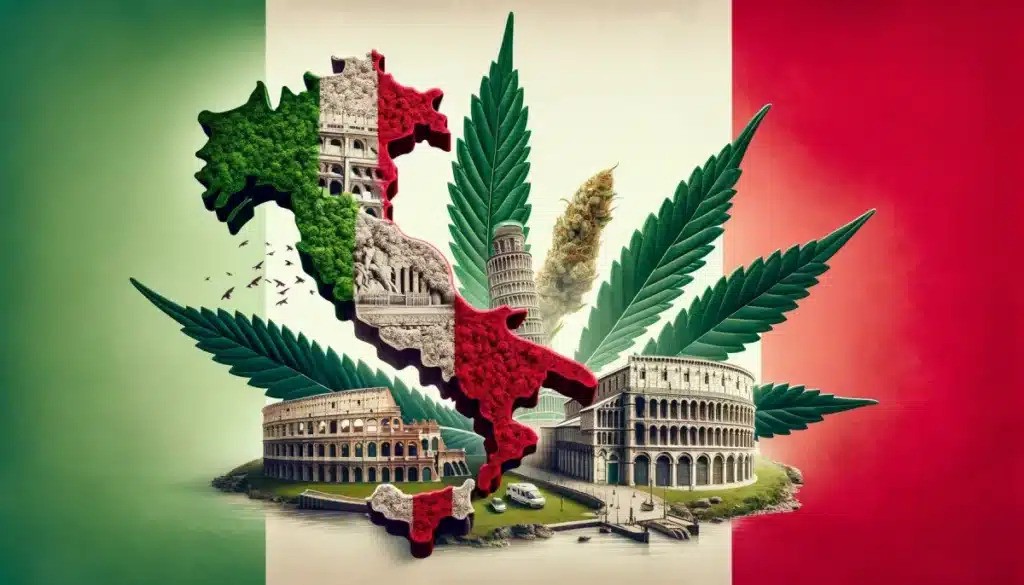
The regulatory environment surrounding cannabis in Italy is characterized by specific legal distinctions among medical, recreational, and industrial uses. This document offers an in-depth look at the existing legal framework for cannabis within Italy, detailing the rules governing its cultivation, possession, and usage across various contexts.
Medical Cannabis in Italy
Since 2007, the use of cannabis for medical purposes has been legal in Italy. The administration of medical cannabis is stringently regulated. Patients require a prescription from a licensed doctor to obtain medical cannabis, which is commonly prescribed for chronic pain, glaucoma, and to mitigate the side effects of chemotherapy. The Italian Ministry of Health controls the cultivation of medical cannabis, which is predominantly grown by a military-run pharmaceutical facility in Florence. Medical cannabis is distributed through pharmacies, ensuring its controlled and safe dispensation under medical guidance.
Recreational Cannabis in Italy
The legal status of recreational cannabis in Italy is intricate. While the sale and recreational possession of cannabis are illegal and subject to criminal penalties, Italy’s legal system recognizes a distinction for minor possession. Established by Law No. 242 in 2016, minor possession of cannabis was decriminalized, meaning that while not leading to jail time, it can still result in administrative actions like fines or the suspension of personal documents.
Moreover, the emergence of “cannabis light,” a product with low THC content (below 0.2%), has introduced a legal gray area. Although the sale of cannabis light is technically permissible under the current threshold for psychoactivity, the law is vague regarding its consumption, leading to ongoing debates and a push for clearer regulatory guidance.
Industrial Hemp in Italy
The cultivation of industrial hemp is legal and has deep historical roots in Italy, predating many of the current drug laws. The revitalization of the hemp industry in Italy was largely facilitated by the 2016 legislation allowing the cultivation of hemp with less than 0.2% THC. This has led to a burgeoning hemp industry with applications in textiles, bioconstruction, and food products. Hemp farmers are required to register and must ensure their crops do not exceed the legal THC limits to remain compliant with Italian regulations.
Current Legal Debates and Future Outlook
The legal framework for cannabis in Italy is continually evolving. In recent times, there has been a growing movement advocating for more progressive cannabis laws, specifically focusing on the decriminalization and potential legalization of recreational cannabis use. Public sentiment is increasingly in favor of legalization, mirroring broader trends in Europe and globally towards more relaxed cannabis policies.
In summary, while medical cannabis and industrial hemp are legally recognized and regulated within Italy, recreational cannabis remains largely prohibited. The ongoing legal ambiguities and societal debates indicate that the laws governing cannabis in Italy may continue to develop as both policymakers and the public contend with diverse perspectives on cannabis use and its societal impacts.
Historical Context: The Evolution of Cannabis Laws in Italy
The development of cannabis legislation in Italy has been influenced by a myriad of cultural, legal, and political elements over the years. This document offers a comprehensive historical review of the progression in Italian cannabis laws, from early strict prohibitions to more recent nuanced approaches recognizing medical and industrial uses.
Early Legislation and Prohibitions
Historically, Italy’s stance on cannabis was aligned with broader Western trends, particularly during the early 20th century when restrictive policies were first implemented. Under the Fascist regime, Italy introduced strict measures to eliminate all recreational drug use, seen as antithetical to the regime’s ideals of discipline and societal order. These initial laws laid the groundwork for a prolonged period of stringent cannabis regulation.
Post-War Influences and International Agreements
Post World War II, Italy’s cannabis policy continued to be shaped by global influences, especially via international drug control treaties primarily driven by the United States. The 1961 Single Convention on Narcotic Drugs, ratified by Italy, imposed stringent regulations on cannabis by classifying it alongside more hazardous narcotics such as heroin. Adherence to this convention reinforced Italy’s prohibitive stance well into the late 20th century.
Transition Towards Decriminalization
The closing decades of the 20th century and the onset of the 21st century marked significant shifts in Italy’s approach to cannabis. Reflecting broader European movements toward harm reduction, Italy reevaluated its punitive drug policies.
By the 1990s, legislative reforms started to distinguish between soft and hard drugs, reducing penalties for cannabis users and pivoting from punitive measures to treatment and rehabilitation.
Adoption of Medical and Industrial Cannabis Uses
A major legislative milestone was reached in 2007 when Italy legalized cannabis for medical purposes, officially recognizing its therapeutic benefits. This was accompanied by the establishment of controlled systems for its cultivation, distribution, and medical prescription. The reintroduction of industrial hemp cultivation under the 2016 Law No. 242 revitalized a historic agricultural sector, signaling a shift towards recognizing the plant’s economic and industrial potential.
Ongoing Debates and Future Prospects
The contemporary legal discourse in Italy continues to be dynamic, with increasing support for further reforms, including the potential legalization of recreational cannabis. Shifts in public opinion towards more liberal views on cannabis are fueled by arguments advocating economic benefits through taxation, reduced illegal trafficking, and enhanced personal freedoms.
Conclusion
The trajectory of cannabis legislation in Italy reflects a journey from stringent prohibition, shaped by early domestic policies and international treaties, towards gradual liberalization, particularly concerning medical and industrial applications. As Italian society and legal frameworks evolve, future legislation may increasingly reflect changing attitudes toward cannabis. This ongoing evolution highlights a global trend towards more sophisticated drug policies that balance public health, safety, and economic benefits.

Current Legal Status of Recreational Use in Italy
In the Italian Republic, the legal framework surrounding the use of cannabis remains firmly conservative, particularly with regard to its recreational use. Despite a global trend towards the liberalization of cannabis laws, Italy upholds strict regulations and penalties associated with its non-medical use. This document aims to elucidate the current legal landscape governing recreational cannabis in Italy, providing essential insights for residents, policymakers, and international observers.
Legal Prohibitions on Recreational Cannabis
Under Italian law, the cultivation, sale, and possession of cannabis for recreational purposes are strictly prohibited. These regulations are grounded in Presidential Decree No. 309/1990, which classifies cannabis as a controlled substance. The decree establishes comprehensive control measures that include stringent penalties for violations related to recreational cannabis.
Penalties for Possession and Use
The possession of cannabis for personal use, while still illegal, is treated with relatively lighter administrative sanctions rather than criminal charges. Individuals caught with small amounts of cannabis may face penalties such as fines or the suspension of personal licenses (e.g., driver’s license). However, these sanctions are applicable only when the quantity possessed is deemed minimal and intended solely for personal use. Possession of cannabis beyond these limits, or any activities indicating distribution, are met with harsher criminal repercussions, including potential imprisonment.
Distinction Between Recreational and Medical Use
It is crucial to distinguish between the recreational and medical uses of cannabis within the Italian legal context. Italy permits the use of cannabis for medical purposes under stringent regulations overseen by the Ministry of Health. This concession to medical cannabis includes the prescription and distribution through authorized channels and is strictly regulated to ensure it does not intersect with recreational usage.
Conclusion and Implications
The Italian stance on recreational cannabis remains rigid, with ongoing enforcement of prohibitive laws and penalties. This regulatory environment reflects a broader cultural and legal reticence towards the liberalization of drug laws typical of some other countries. Individuals within Italy must navigate these laws with full awareness to avoid legal repercussions. For international observers and potential visitors, it is important to recognize and respect these local legal frameworks to ensure compliance and avoid misunderstandings.
Summary
In summary, the Italian Republic enforces a strict prohibition against the recreational use of cannabis, differentiating sharply between recreational and medical contexts. This conservative approach highlights the importance of understanding the specific legal nuances and cultural attitudes of individual countries regarding controlled substances like cannabis.
Medical Marijuana Regulations
In the context of global health policy, the regulation of medical marijuana stands as a pivotal issue that demands detailed analysis. This discussion aims to clarify the complex regulatory frameworks that govern the use of cannabis for medicinal purposes, highlighting the legislative details, ethical dilemmas, and medical implications involved.
1. Legislative Structures
The governance of medical marijuana largely depends on national and local laws that define the legal limits for its cultivation, distribution, prescription, and use. Various nations have established strict regulatory systems to ensure the controlled and safe use of cannabis for health purposes. These systems usually include requirements for obtaining licenses by cultivators and distributors, stringent quality assurance protocols, and specific guidelines for medical prescriptions. The goal of such regulations is to minimize misuse while optimizing the therapeutic potential of cannabis.
2. Ethical Challenges
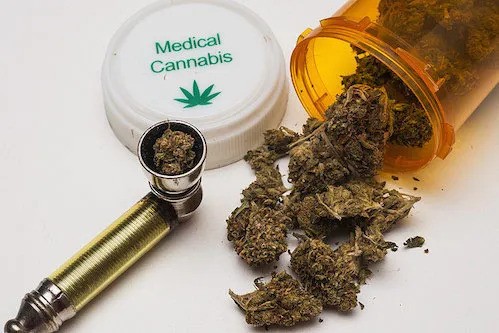
Utilizing cannabis for medical treatment introduces several ethical challenges that require careful consideration. At the forefront is the principle of beneficence, which advocates for the maximization of benefits and minimization of harms. Healthcare professionals must carefully weigh the scientific support for cannabis use in treating certain conditions against the possible side effects. Additionally, respecting patient autonomy involves ensuring patients are fully informed about the potential risks and benefits of using medical cannabis, thereby facilitating informed decision-making.
3. Medical Considerations
Clinically, the use of cannabis is approved for certain conditions where traditional treatments may have been ineffective. These typically include chronic pain, specific severe epileptic disorders, and cases requiring palliative care. Regulatory authorities often require continuous research and clinical trials to better understand the effectiveness and safety of medical cannabis. This approach ensures that medical practices are informed by the latest scientific data, which helps protect patient health and improve therapeutic outcomes.
4. Global Views
The international perspective on medical marijuana varies widely, influenced by cultural, social, and political contexts. Some countries adopt progressive policies that recognize its potential, while others maintain strict restrictions. This variation underscores the need for global dialogue to standardize regulations, enhance research cooperation, and exchange best practices, aiming for a well-balanced international approach to medical marijuana.
Conclusion
In summary, the regulation of medical marijuana is a dynamic and intricate field, shaped by legal, ethical, and medical factors. As attitudes worldwide evolve and scientific knowledge advances, regulatory frameworks must also adapt. These changes should focus on ensuring patient safety, maintaining ethical integrity, and incorporating scientific thoroughness, to fully realize the advantages of medical marijuana in a responsible and effective manner.
Penalties for Cannabis Possession and Trafficking
In the intricate landscape of drug policy within Italy, the regulation surrounding the cultivation and personal use of cannabis has emerged as a focal point of legislative evolution and societal debate. This discourse aims to provide a meticulous exploration of the Italian regulatory framework governing these practices, highlighting the legislative nuances, judicial interpretations, and the broader implications for Italian society.
1. Legislative Context
Italy’s approach to cannabis is underpinned by a distinction between medical and recreational use. Legislative Decree No. 242/2016 specifically allows for the cultivation of cannabis for medical and research purposes, under strict governmental oversight. Conversely, the Italian legal system has maintained a cautious stance towards recreational cannabis, which is regulated under the Consolidated Law on Drugs (Presidential Decree No. 309/1990). This law classifies unauthorized cultivation as a criminal offense, subject to penalties varying by the scale of cultivation and intent.
2. Decriminalization of Personal Use
A landmark decision in Italian jurisprudence was the decriminalization of minor drug offenses, including the personal use of cannabis. The Italian Supreme Court has ruled that small-scale cultivation for personal use does not constitute a criminal offense, provided it is evident that the cultivation is intended solely for the individual’s consumption. This judicial stance reflects a broader European trend towards the decriminalization of drugs for personal use, aiming to prioritize public health over punitive measures.
3. Regulatory Measures for Personal Cultivation
The Italian government has delineated specific conditions under which individuals can cultivate cannabis without facing legal repercussions. These include limitations on the number of plants and the requirement that cultivation does not involve any form of public nuisance or health hazard. However, the ambiguity in the definition of ‘small-scale’ cultivation often leads to varying interpretations by law enforcement and the judiciary, thus creating a legal grey area.
4. Social and Ethical Considerations
The debate over cannabis policy in Italy also encompasses significant social and ethical considerations. Advocates for more liberal policies argue that decriminalization reduces the burden on the criminal justice system and aligns with principles of personal freedom and harm reduction. Conversely, opponents express concerns regarding potential increases in drug abuse and the societal implications of more permissive drug laws.
5. Ongoing Developments and Future Directions
Recent legislative proposals have aimed to further clarify the legal status of cannabis, suggesting potential shifts towards more progressive policies. These developments are part of a broader dialogue within Italian society about the most effective and ethical ways to manage drug use, balancing individual rights with public health and safety.
Conclusion
In conclusion, the policies governing the cultivation and personal use of cannabis in Italy are marked by ongoing legal and societal evolution. As the Italian government and judiciary navigate these complex issues, the interplay of legal frameworks, social norms, and ethical debates continues to shape the landscape of cannabis regulation in Italy. This dynamic field remains subject to further legal refinements and societal discussions as Italy seeks to establish a balanced approach to cannabis within its borders.
Cultivation and Personal Use Policies
1. Legislative Overview
As per the prevailing legislation in Italy, cannabis possession for personal use is decriminalized, subject to certain restrictions delineated by the Italian legal system. The legal nuances are enshrined under the Consolidated Law on Drugs (Presidential Decree No. 309/1990), which distinguishes between the severity of offenses for trafficking and personal use, thus outlining a differential approach based on the quantity and intent.
2. Cultivation for Personal Use
The cultivation of cannabis for personal use has been a subject of legal interpretation and is contingent upon the “minimal quantity” guideline, primarily intended for personal consumption. A landmark ruling by the Italian Supreme Court in December 2019 declared that small-scale domestic cultivation of cannabis is permissible, provided it is conducted using methods that preclude any prospect of trafficking or substantial yield.
3. Regulatory Specifications
The cultivation must not involve sophisticated agricultural techniques nor should it result in yields that extend beyond modest personal consumption. This provision is intended to prevent the commercialization of home-grown cannabis under the guise of personal use. The specifics of what constitutes a “minimal quantity” remains subject to judicial discretion and may vary based on individual cases.
4. Implications and Enforcement
Law enforcement agencies are tasked with the interpretation and enforcement of these policies. It is imperative that officers discern between activities meant for personal use and those that potentially verge on illicit trafficking. Compliance with these regulations ensures that the focus remains on larger, more detrimental illegal drug operations without imposing undue penalties on individuals complying with the law for personal use.
5. Ongoing Debates and Future Prospects
The discourse surrounding the legalization and decriminalization of cannabis continues to evolve within Italy’s socio-political landscape. Recent legislative proposals and public debates suggest a potential shift towards more liberal policies, aiming to address issues related to drug abuse through public health and harm reduction strategies rather than through punitive measures.
Conclusion
In conclusion, Italy’s approach to the cultivation and personal use of cannabis is characterized by a nuanced balance between preventing drug abuse and upholding civil liberties. Continuing legal developments and societal discussions are certain to be crucial in shaping future policies. It is vital for all stakeholders to stay involved in this dialogue to create a regulatory environment that is both fair and efficient.
Impact of Legal Status on Law Enforcement
1. Overview of Cannabis Regulation
Italy classifies drugs under a legal framework that differentiates between ‘hard’ and ‘soft’ drugs, with specific provisions concerning cannabis outlined in the Consolidated Law on Drugs (Presidential Decree No. 309/1990). Under this decree, possession and cultivation for personal use are treated distinctly from drug trafficking offenses, which are prosecuted more severely.
2. Decriminalization of Personal Use
Cannabis for personal use has been decriminalized, leading to a shift in law enforcement focus from penalizing minor possession to tackling more serious drug-related crimes. This change is intended to streamline police resources towards combating large-scale drug trafficking and organized crime, rather than targeting individual users.
3. Impact on Law Enforcement Practices
The decriminalization has significant implications for law enforcement agencies. Firstly, it mandates a reallocation of resources, emphasizing intelligence-led policing to disrupt organized drug networks. Secondly, the ambiguity in laws regarding what constitutes ‘personal use’ often requires discretionary decision-making by police officers in the field, which can lead to inconsistencies in enforcement and legal outcomes.
4. Challenges in Enforcement
One of the critical challenges faced by law enforcement is the differentiation between personal cultivation and cultivation with intent to distribute. The legal threshold that defines personal use is not explicitly quantified, which complicates enforcement efforts. This ambiguity necessitates extensive training for law enforcement personnel to adequately interpret and implement the law, ensuring that personal use is not penalized under statutes meant for more severe offenses.
5. Data Collection and Analysis
To measure the effectiveness of current cannabis policies on law enforcement activities, systematic data collection and analysis are crucial. This data would provide insights into trends in drug trafficking, changes in crime rates associated with drug offenses, and the impact of law enforcement strategies post-decriminalization.
6. Future Considerations
Looking forward, it is imperative for policymakers and law enforcement agencies to continuously review and adapt their strategies based on evolving drug use patterns and legislative amendments. Engaging with community stakeholders, including public health officials and civic leaders, will be essential to ensure that law enforcement practices align with broader public health and safety goals.
Conclusion
The legal status of cannabis significantly influences law enforcement operations and priorities in Italy. While the decriminalization of personal use aims to optimize law enforcement resources and reduce the burden on the judicial system, it also presents challenges that require ongoing attention and adaptive strategies. Effective law enforcement in this context demands a balanced approach that supports public safety while also respecting individual rights and societal health.
Comparative Analysis with Other European Countries
Italy’s cannabis laws are primarily encapsulated in the Consolidated Law on Drugs (Presidential Decree No. 309/1990), which distinguishes between soft and hard drugs and decriminalizes personal use to a degree. In contrast, countries such as the Netherlands have adopted more liberal policies, particularly famous for regulating the sale of cannabis in coffee shops under strict conditions. On the other end of the spectrum, Sweden maintains a zero-tolerance policy, where possession of even small amounts of cannabis can result in stringent penalties.
2. Decriminalization and Medical Use
Several European countries have shifted towards a health-oriented approach in dealing with cannabis. For instance, Portugal decriminalized the use of all drugs in 2001, focusing on treatment and harm reduction over criminal penalties. In Germany, medical cannabis has been legal since 2017, and the possession of small quantities is typically not subject to prosecution, varying by federal state. This contrasts with Italy, where medical cannabis is available but under strict and regulated conditions, and the law does not quantify “small amounts” for personal use, leading to a discretionary enforcement.
3. Enforcement and Public Health Strategies
In terms of enforcement, countries like the Netherlands and Portugal emphasize harm reduction, public health, and social integration, diverting resources from prosecution of minor offenses to prevention and education. Italy, while having decriminalized the possession for personal use, still grapples with enforcement consistency and the allocation of resources towards more significant drug trafficking issues.
4. Impact on Public Health
The public health outcomes of these varied approaches are crucial to analyze. Portugal reports a decrease in drug-related deaths and HIV infection rates post-decriminalization. The Netherlands, while facing challenges regarding drug tourism and local nuisances, benefits from regulated environments reducing the health risks associated with uncontrolled drug markets. Italy’s more conservative approach has been effective in controlling widespread use but may benefit from integrating more robust harm reduction strategies seen in other European models.
5. Recommendations for Italy
Based on this comparative analysis, Italy might consider revising its cannabis policies to further integrate public health perspectives into its legislative framework. Adopting a quantified threshold for personal use, enhancing the accessibility of medical cannabis, and reallocating resources towards education and harm reduction could be beneficial. Learning from the experiences of Portugal and the Netherlands could aid in crafting policies that better balance public safety with public health.
Conclusion
The variance in cannabis legislation and its enforcement across Europe offers valuable lessons for Italy. By considering the successful elements of policies implemented by its European neighbors, Italy can enhance its approach to cannabis, promoting both public safety and health. This analysis recommends a continuous review and potential adjustment of Italy’s drug policies to align more closely with emerging European trends and evidence-based practices.
Future Prospects and Legislative Trends
The current global legislative environment is characterized by rapid transformations driven by technological advancements, socio-economic shifts, and increasing environmental concerns. Governments worldwide are reassessing existing laws and regulations to better align with the dynamic nature of global challenges, including climate change, digital privacy, and international trade.
2. Technological Innovation and Regulation
The rapid pace of technological innovation, particularly in the fields of artificial intelligence, biotechnology, and cybersecurity, is poised to trigger significant legislative responses. Anticipated trends include the formulation of comprehensive frameworks governing the ethical use of AI, enhanced data protection laws to secure personal information in the era of big data, and stringent standards for biotechnological research and its applications.
3. Environmental Legislation
Environmental sustainability has become a central legislative priority globally, with a strong emphasis on reducing carbon footprints, promoting renewable energy, and conserving biodiversity. Future legislative efforts are expected to focus on rigorous environmental standards, incentives for green energy adoption, and stricter regulations on waste management to combat pollution and climate change.
4. Social Policies and Equity
Social equity issues, including healthcare access, educational reforms, and income inequality, are driving legislative changes. There is an increasing trend toward enacting laws designed to diminish disparities in healthcare and education, enhance support for disadvantaged segments of society, and promote a more equitable allocation of resources.
5. International Collaboration and Trade
In an increasingly interconnected world, international law and trade agreements are crucial in shaping economic policies and diplomatic relations. Future legislative trends are likely to emphasize strengthening international alliances, updating trade agreements to reflect modern economic realities, and fostering global cooperation on issues like cybercrime and human rights.
6. Implications for Stakeholders
For stakeholders, staying abreast of these legislative trends is vital for strategic planning and risk management. Businesses must anticipate regulatory changes and adapt their operations accordingly, while policymakers need to ensure that new laws foster innovation, protect citizens, and promote sustainable development.
Conclusion
In conclusion, the landscape of legislative developments is set to transform substantially in response to emerging global trends. Stakeholders are encouraged to engage actively in dialogue and consultation processes to influence and shape these changes constructively. By preparing for and adapting to these trends, organizations and governments can ensure resilience and continued relevance in a rapidly evolving world.
