
Is It Safe to Use Flavonoids in Medical Cannabis?
Flavonoids are naturally occurring phytonutrients found in a wide variety of plants, including fruits, vegetables, and cannabis. These compounds are responsible for the pigmentation in plants and contribute to a range of biological activities that have potential therapeutic applications. In medical cannabis, flavonoids represent a subset of phytochemicals alongside cannabinoids (like THC and CBD) and terpenes, offering additional layers of complexity to the plant’s potential benefits.
The role of flavonoids in medical cannabis has been gaining attention as research explores their contribution to the therapeutic efficacy of cannabis-based treatments. While flavonoids are not psychoactive, they interact with the body in ways that may enhance or modify the effects of cannabinoids, providing a holistic or synergistic approach to medical applications. However, as with any compound intended for medicinal purposes, understanding the safety, potential risks, and clinical relevance of flavonoids is crucial for their effective use.
The Role of Flavonoids in Medical Cannabis
To understand the safety of flavonoids in medical cannabis, it is essential to first grasp their function and potential therapeutic value. Flavonoids represent a large and diverse class of compounds, with over 8,000 identified in nature and more than 20 found in cannabis plants. In cannabis, flavonoids make up approximately 10% of the plant’s dry weight. Some of the most prominent flavonoids in cannabis include apigenin, quercetin, luteolin, kaempferol, and the unique class of flavonoids known as cannflavins.
Flavonoids are known for their wide array of pharmacological properties, including antioxidant, anti-inflammatory, anti-cancer, neuroprotective, and antimicrobial effects. These properties make flavonoids particularly appealing in the context of medical cannabis, as they could complement and enhance the effects of cannabinoids and terpenes in treating various medical conditions. The “entourage effect” for example implies that the combined effects of flavonoids, terpenes, and cannabinoids may have more profound therapeutic benefits than any one of these compounds working alone.
However, despite their promising potential, the clinical application of flavonoids in medical cannabis is still in its infancy, and much remains unknown. Researchers are exploring their therapeutic relevance in conditions such as chronic pain, neurodegenerative diseases, autoimmune disorders, and cancers, but their exact role and mechanism of action require further elucidation. Moreover, assessing the safety profile of flavonoids in a medical context is a critical step in ensuring their appropriate and effective use.
Mechanisms of Action and Potential Medical Benefits of Flavonoids
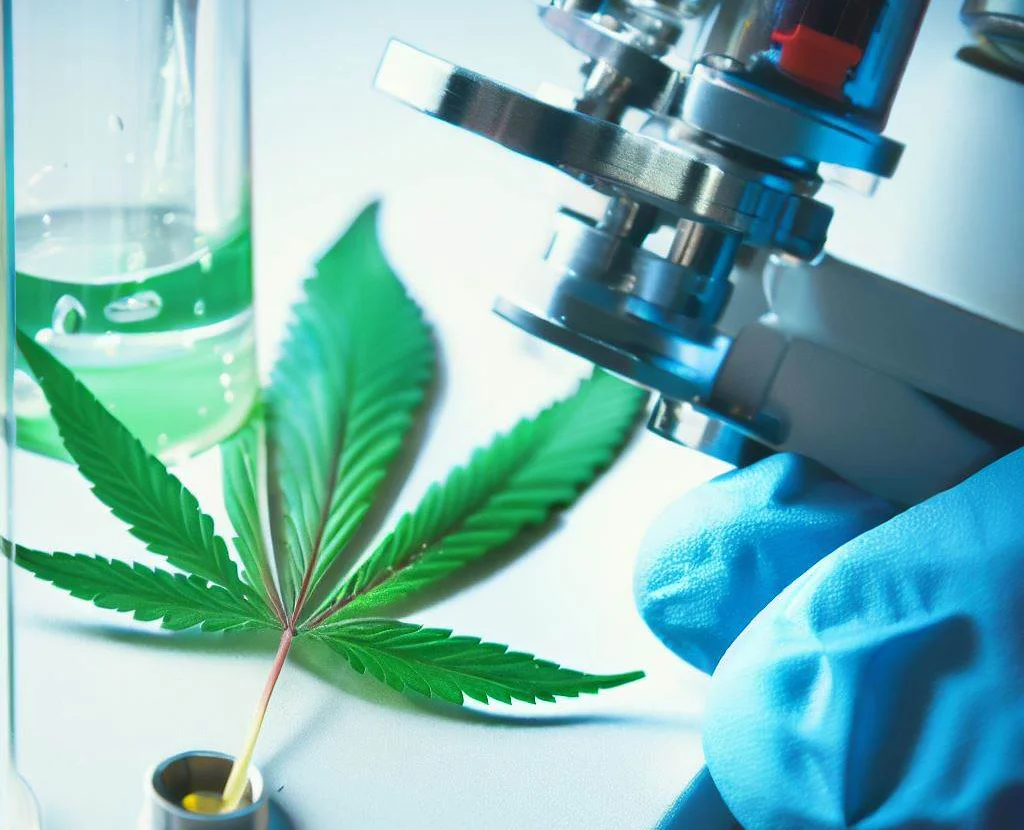
Flavonoids exert their effects through a range of mechanisms, often interacting with molecular pathways implicated in inflammation, oxidative stress, and cell signaling. Their broad biological activity may allow them to contribute to the therapeutic efficacy of medical cannabis in several ways:
- Anti-Inflammatory Properties
Many flavonoids in cannabis, such as apigenin and luteolin, possess potent anti-inflammatory properties. Cannflavins A and B, for example, have been shown to inhibit pro-inflammatory enzymes like COX-2, offering a non-opioid option for managing inflammation-related conditions such as arthritis, fibromyalgia, or inflammatory bowel disease (IBD). Their efficacy in reducing inflammation suggests potential utility in chronic pain management, particularly when used alongside cannabinoids like CBD. - Antioxidant Effects
Oxidative stress, caused by an imbalance between free radicals and antioxidants in the body, is a contributing factor in numerous diseases, including neurodegenerative disorders, cardiovascular disease, and cancer. Flavonoids like quercetin and kaempferol are potent antioxidants, neutralizing free radicals and protecting cells from oxidative damage. This property is particularly relevant in medical cannabis applications aimed at treating neurodegenerative conditions like Parkinson’s disease, Alzheimer’s disease, and multiple sclerosis. - Neuroprotective Benefits
The neuroprotective potential of flavonoids is another area of significant interest. By modulating pathways involved in neuronal survival, inflammation, and oxidative stress, flavonoids may help protect brain cells from damage and degeneration. Cannflavins, in particular, have shown promise in preclinical studies for their ability to shield neurons from injury. This could enhance the effectiveness of medical cannabis in treating epilepsy, traumatic brain injury, or other neurological conditions. - Anti-Cancer Potential
Some flavonoids exhibit anti-cancer properties by interfering with cancer cell proliferation, inducing apoptosis (programmed cell death), and inhibiting angiogenesis (the formation of new blood vessels that support tumor growth). For instance, apigenin and quercetin have demonstrated the ability to target multiple pathways involved in cancer progression. Although research is still in early stages, flavonoids may hold promise as adjunct therapies in cannabis-based treatments for various cancers. - Cardiovascular Health
Flavonoids such as kaempferol may contribute to cardiovascular health by improving blood flow, reducing inflammation, and mitigating oxidative stress. This could be particularly beneficial for patients using medical cannabis to manage cardiovascular-related conditions or risk factors such as hypertension and atherosclerosis. - Antimicrobial and Antifungal Activity
Flavonoids like quercetin and luteolin have demonstrated antimicrobial and antifungal properties, which could be advantageous in treating infections. While this area of research is less developed, the antimicrobial effects of flavonoids could potentially expand the scope of medical cannabis applications.
Potential Risks and Safety Concerns
Despite their promising therapeutic properties, flavonoids in medical cannabis are not without potential risks. As these compounds are bioactive, their effects on the body may vary depending on the dose, individual patient characteristics, and interactions with other medications. The following safety factors need to be considered:
- Toxicity and Overdose Risk
While flavonoids are generally considered safe at dietary levels, higher doses, such as those that might be used in medical formulations, could pose risks. For example, some flavonoids have been associated with hepatotoxicity (liver damage) or nephrotoxicity (kidney damage) in high concentrations. Quercetin, for instance, has demonstrated both antioxidant and pro-oxidant activity, depending on the dose and cellular environment, raising concerns about potential toxicity. - Drug Interactions
Flavonoids can interact with enzymes involved in drug metabolism, particularly those in the cytochrome P450 family. This interaction may inhibit or enhance the metabolism of other drugs, potentially leading to adverse effects or reduced efficacy. For patients using medical cannabis alongside prescription medications, such interactions must be carefully managed. For example, flavonoids that inhibit CYP3A4, an enzyme involved in metabolizing many pharmaceuticals, could increase the plasma concentration of drugs metabolized by this pathway, raising the risk of toxicity. - Allergic Reactions
Certain flavonoids may cause allergies in certain people. Hypersensitivity reactions, though rare, can include skin rashes, gastrointestinal discomfort, or respiratory issues. Identifying and avoiding specific flavonoids in medical cannabis formulations may be necessary for sensitive patients. - Endocrine Disruption
Certain flavonoids, such as apigenin and luteolin, have been identified as phytoestrogens, compounds that can mimic or interfere with estrogen in the body. While this property may offer benefits in hormone-related conditions, it also raises concerns about potential endocrine disruption, particularly in vulnerable populations like pregnant women or individuals with hormone-sensitive cancers. - Variability in Flavonoid Content
The concentration and composition of flavonoids in cannabis can vary significantly depending on the strain, cultivation conditions, and extraction methods. This variability poses challenges in standardizing medical formulations and ensuring consistent dosing. Inconsistent flavonoid profiles may affect both the safety and efficacy of cannabis-based treatments. - Limited Clinical Data
Much of the evidence supporting the safety and efficacy of flavonoids in medical cannabis comes from preclinical studies or research on flavonoids from non-cannabis sources. While these findings are promising, they do not always translate directly to clinical outcomes. The lack of large-scale human trials specifically investigating flavonoids in medical cannabis leaves critical gaps in understanding their long-term safety. - Impact on the Gut Microbiome
Emerging research suggests that flavonoids may influence the gut microbiome, which plays a crucial role in overall health. While these effects may be beneficial in some cases, they could also lead to dysbiosis (an imbalance in the gut microbiota) in certain individuals. The implications of flavonoid-induced changes to the microbiome remain an area of active investigation.
Current Research Gaps and Future Directions

The study of flavonoids in medical cannabis is still an evolving field, and significant research gaps remain. Addressing these gaps will be essential for optimizing the safety and therapeutic potential of flavonoids. Key areas for future research include:
- Dose-Response Relationships
Determining the optimal therapeutic doses of flavonoids in medical cannabis is critical for minimizing risks and maximizing benefits. More studies are needed to establish safe and effective dosage ranges, particularly in the context of high-potency formulations. - Clinical Trials
Large-scale, randomized controlled trials (RCTs) are necessary to validate the safety and efficacy of flavonoids in medical cannabis. These studies should focus on specific conditions, patient populations, and treatment regimens to provide more robust evidence for clinical use. - Mechanistic Studies
Further research is needed to elucidate the precise mechanisms through which flavonoids exert their effects. Understanding how flavonoids interact with cannabinoids, terpenes, and the endocannabinoid system will help clarify their role in the entourage effect and guide the development of targeted therapies. - Standardization and Quality Control
Developing standardized methods for measuring and quantifying flavonoid content in cannabis products is essential for ensuring consistency and reliability. Regulatory frameworks should also be established to monitor the safety and quality of medical cannabis formulations containing flavonoids. - Long-Term Safety Studies
Investigating the long-term effects of flavonoid use in medical cannabis is crucial for identifying potential risks, such as cumulative toxicity or chronic side effects. Longitudinal studies involving diverse patient populations will be particularly valuable in this regard.
Restrictions on Growing and Using Cannabis Components in the Medical Field
Cannabis has long been a controversial plant due to its psychoactive properties and recreational use, but it is increasingly gaining recognition for its medical potential. When used in medical contexts, cannabis-derived compounds, including cannabinoids like THC (tetrahydrocannabinol) and CBD (cannabidiol), as well as other components like terpenes and flavonoids, have shown promise in treating a range of conditions. However, strict regulations and restrictions are essential to ensure the safe and controlled use of cannabis components in the medical field. This is particularly critical when cannabis is prescribed as a last-resort treatment option or in managing THC levels to minimize psychoactive effects.
Regulatory Restrictions on Cannabis Cultivation for Medical Use
In most jurisdictions where medical cannabis is legal, strict regulations govern its cultivation to ensure product safety, quality, and consistency. These restrictions aim to prevent misuse, diversion to recreational markets, and contamination.
- Licensed Cultivation Facilities:
Only government-approved and licensed facilities are typically allowed to grow medical cannabis. These facilities must meet stringent standards for security, hygiene, and environmental control. Cultivators are required to document every stage of the growing process, including seed sourcing, plant growth, and harvest. - Genetic Strain Control:
Governments often regulate which cannabis strains can be grown for medical purposes. These strains are selected for their medicinal properties, such as low THC levels or high CBD content, depending on the intended use. For instance, patients seeking relief from seizures or anxiety are often prescribed cannabis products with minimal THC and higher CBD, as CBD does not produce psychoactive effects. - Testing and Quality Assurance:
Cannabis plants used for medical purposes must undergo rigorous testing for potency, purity, and contaminants, such as pesticides, heavy metals, or microbial agents. This ensures that the final product is safe for patients with compromised immune systems or other health vulnerabilities. - Traceability and Documentation:
Each batch of medical cannabis must be tracked through a seed-to-sale system. This ensures accountability and reduces the likelihood of diversion into illicit markets. It also helps health professionals access detailed information about the specific strain, cannabinoid profile, and quality of the product being prescribed to their patients.
Restricting Cannabis Use as a Last-Resort Option
Another critical area of regulation in the medical field is ensuring that cannabis-derived treatments are only prescribed when other treatment options have been exhausted. Many healthcare systems mandate strict guidelines for prescribing medical cannabis to minimize the risk of unnecessary or inappropriate use.
- Clear Criteria for Prescription:
Medical cannabis is often restricted to patients with specific conditions, such as chronic pain, epilepsy, multiple sclerosis, or chemotherapy-induced nausea. Even in these cases, cannabis is typically used as a last-resort treatment, prescribed only when conventional therapies have proven ineffective or have caused intolerable side effects. - Specialized Physician Oversight:
In most jurisdictions, only certified healthcare professionals with specialized training in medical cannabis are allowed to prescribe it. These experts evaluate the patient’s medical background, balance the dangers and potential advantages, and decide if cannabis is a suitable choice. - Patient Monitoring:
When cannabis is used as a last resort, close patient monitoring is essential. Physicians track the efficacy of the treatment, as well as any adverse effects. In cases where cannabis proves ineffective or causes negative side effects, its use may be discontinued in favor of alternative therapies. - Time-Limited Prescriptions:
Medical cannabis prescriptions are often time-limited and require frequent reassessments to ensure that patients are benefiting from the treatment. This prevents long-term dependency and ensures that cannabis remains a targeted solution rather than a routine medication.
Monitoring THC Levels to Prevent Psychoactive Effects

One of the most significant challenges in using cannabis in the medical field is managing the psychoactive effects of THC. THC is the primary compound responsible for the “high” associated with cannabis use, which can impair cognitive function, coordination, and judgment. For patients seeking symptom relief, especially for chronic conditions, it is crucial to monitor and control THC levels to avoid psychoactive effects that could interfere with daily activities or reduce the quality of life.
- Low-THC Strains and Products:
Medical cannabis regulations often emphasize the use of low-THC strains or THC-free formulations. Products with high CBD and minimal THC are preferred for patients who require therapeutic benefits without the psychoactive effects. - Dose Regulation:
Physicians must carefully regulate the dose of THC prescribed to patients. Microdosing, where patients receive very small amounts of THC, is an approach often employed to achieve therapeutic benefits while minimizing psychoactivity. - Caps on THC Content in Medications:
Some countries and states impose legal limits on the THC content in medical cannabis products. For instance, certain jurisdictions mandate that medical cannabis products cannot contain more than 0.2–0.5% THC, depending on the product type and intended use. This ensures that patients receive consistent, controlled doses. - Alternative Delivery Methods:
In cases where some THC is necessary for therapeutic efficacy (e.g., for severe pain or chemotherapy side effects), formulations such as oils or capsules may be used to provide controlled and precise dosing. These methods also minimize the risk of sudden psychoactive effects compared to inhalation. - Regular Lab Testing:
To enforce THC limits, regulatory agencies often require mandatory lab testing for all medical cannabis products. This testing verifies that THC levels are within approved limits and ensures that products meet safety and potency standards. - Patient Education:
Educating patients about the potential psychoactive effects of THC is another critical component of safe medical cannabis use. Patients are advised to avoid activities such as driving or operating heavy machinery while taking cannabis-based medications, especially if THC is present.
Conclusion
In the medical field, the use of cannabis and its components holds significant therapeutic promise, but strict regulations are necessary to ensure its safety and efficacy. Controlled cultivation practices, rigorous testing, and strain selection help produce medical-grade cannabis that is free of contaminants and tailored for specific medical conditions. Restricting cannabis as a last-resort treatment ensures it is prescribed only when other therapies are ineffective, safeguarding against unnecessary use while addressing patient needs. Close physician oversight and frequent monitoring further ensure appropriate application and minimize risks.
A key priority is managing THC levels to prevent psychoactive effects that could impair patients’ quality of life. By promoting low-THC or high-CBD formulations, enforcing dosage limits, and mandating lab testing, regulators and healthcare providers maintain patient safety. As cannabis-based medicine evolves, a balanced approach combining scientific evidence, careful oversight, and patient education will maximize benefits while minimizing risks, fostering safe medical use.
