Georgia’s medical cannabis laws are more limited than those in many other states, allowing qualifying patients access to low-THC marijuana products under strict guidelines. This page explains how Georgia’s medical weed program works, who qualifies for legal use, and what restrictions still apply to cannabis possession and products. For a complete overview of cannabis laws by location—including U.S. states, major cities, and countries worldwide—visit our Cannabis Laws by Location guide.
Table of Contents
Is medical marijuana legal in Georgia

Legal Status
- Georgia allows medical marijuana, but only in the form of low-THC oil.
- Recreational marijuana remains illegal.
Program Name
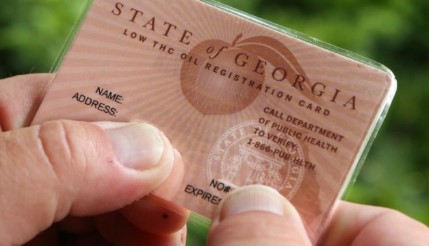
- Low THC Oil Registry Program
Product Restrictions
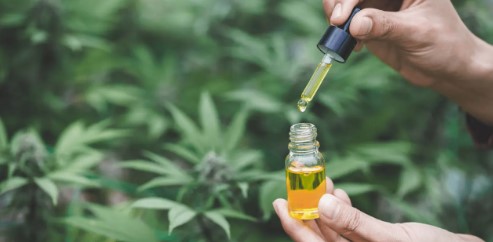
- Only cannabis oil with ≤5% THC and CBD content equal to or greater than THC is allowed.
- Smoking, vaping, or use of flower or edibles is prohibited.
Approved Medical Conditions
Eligible conditions include:
- Cancer (end-stage or severe pain/nausea)
- ALS (Lou Gehrig’s disease)
- Seizure disorders (e.g., epilepsy)
- Multiple sclerosis (MS)
- Parkinson’s disease
- Crohn’s disease
- Mitochondrial disease
- Sickle cell disease
- Autism (age <18)
- PTSD
- Alzheimer’s disease
- AIDS, Tourette’s syndrome, peripheral neuropathy, and others
Patient Access
- Must be a Georgia resident.
- Must obtain a Low THC Oil Registry Card from the Georgia Department of Public Health (DPH).
- Card allows possession of up to 20 fluid ounces of low-THC oil.
Dispensaries
- In-state production and sales began in 2023 under HB 324 (2019).
- Licensed dispensaries now operate in the state.
Key Limitations
- Home cultivation is illegal.
- No allowance for high-THC products.
- Use outside medical guidelines is criminal.
Conclusion
Georgia permits limited medical use of low-THC oil for specific conditions, under tight regulation. Recreational and full-spectrum cannabis remain prohibited.
