Table of Contents
Is medical marijuana legal in Alabama
As of 2025, medical marijuana is legal in Alabama, but with very specific limitations and regulations. This legalization is a significant milestone in a historically conservative state where cannabis has long been strictly prohibited. The Darren Wesley ‘Ato’ Hall Compassion Act, the state’s medical marijuana statute, was signed into law in May 2021 and has been gradually implemented since then.
Background and Legislative History
For years, Alabama had some of the most restrictive cannabis laws in the United States. However, changing public opinion, advocacy from patients and medical professionals, and the influence of evolving laws in neighboring states led to a shift in policy. The Compassion Act was proposed to allow certain patients with debilitating medical conditions access to medical cannabis under the supervision of a physician.
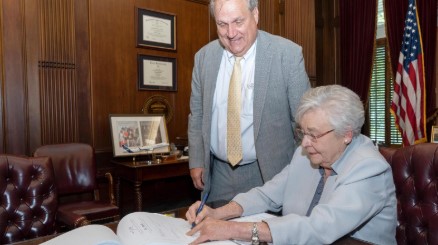
After multiple failed attempts in previous years, Senate Bill 46 (SB46) finally passed both the Alabama Senate and House of Representatives in early 2021. It was signed into law by Governor Kay Ivey on May 17, 2021. The bill is named in memory of Darren Wesley “Ato” Hall, who died of cancer and was an advocate for medical cannabis access.
Legal Framework and Key Provisions
1. Qualifying Medical Conditions
Under the Alabama medical cannabis law, patients must be diagnosed with one of several The Darren Wesley ‘Ato’ Hall Compassion Act, the state’s medical marijuana statute, These include:
- Cancer (any type)
- Crohn’s disease
- Epilepsy or seizures
- HIV/AIDS
- Persistent nausea (related to other conditions or treatments, like chemotherapy)
- Muscle spasms (including those caused by multiple sclerosis or spinal cord injuries)
- Panic disorder
- PTSD (post-traumatic stress disorder)
- Terminal illnesses (with life expectancy under 6 months)
- Tourette’s syndrome
- Parkinson’s disease
- Autism spectrum disorder
- Chronic pain, but only if conventional therapies (including opioids) have failed
Importantly, chronic pain alone is not sufficient unless other treatments have been exhausted and documented.
2. Approved Forms of Medical Cannabis
Unlike some other states, Alabama’s law does not allow for smokable cannabis or edible products that resemble food (e.g., brownies, gummies). Instead, the law permits:
- Tablets or capsules
- Tinctures (alcohol- or oil-based drops)
- Gelatinous cubes (but not candy-like gummies)
- Patches
- Lozenges
- Inhalable oils or nebulizers (but not vaporized flower)
- Topical creams and suppositories
Smokable flower and vaporized forms are strictly prohibited, reflecting the cautious stance of lawmakers.
3. Medical Cannabis Commission
The Alabama Medical Cannabis Commission (AMCC) was established to regulate and oversee all aspects of the state’s medical cannabis program. Its responsibilities include:
- Issuing licenses to growers, processors, transporters, and dispensaries
- Registering physicians and training them in cannabis-based care
- Monitoring compliance and safety standards
- Ensuring that products are lab-tested and properly labeled
The AMCC faced numerous delays due to bureaucratic, legal, and logistical issues. As of early 2024, after a rocky licensing rollout, medical cannabis businesses began receiving licenses, and the program has moved into its operational phase.
Registration Process
For Patients:
To access medical marijuana in Alabama, patients must:
- Be diagnosed with a qualifying condition.
- Visit a registered physician who has completed cannabis-related training.
- Obtain a physician certification, which documents the medical necessity.
- Apply for a medical cannabis card through the AMCC.
The card must be renewed annually and can be revoked if misused.
For Physicians:
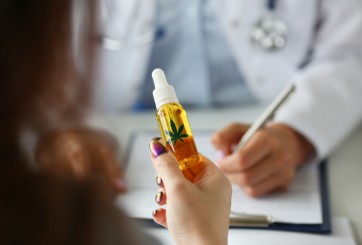
Doctors must register with the state, complete at least 4 hours of cannabis-specific CME (Continuing Medical Education), and demonstrate that other treatment options have failed before recommending cannabis.
Dispensary and Supply Chain Licensing
The law mandates a vertically integrated supply chain with strict license caps:
- 5 cultivator licenses
- 4 processor licenses
- 4 dispensary licenses (each with up to 3 locations)
- 1 integrated facility license (allowed to cultivate, process, and dispense)
- 1 state testing laboratory license
- Several secure transport licenses
Due to high demand and limited licenses, the application process became highly competitive. Several rounds of awards and subsequent legal challenges created delays, but as of 2025, the first dispensaries are preparing to open, and product cultivation is underway.
Possession Limits and Use Restrictions
Under Alabama’s law:
- Patients may possess no more than 70 daily doses (the equivalent of a 70-day supply), as prescribed.
- A daily dose is capped at 75 milligrams of THC, with a potential maximum of 50 mg/day for new patients, increasing based on the physician’s recommendation.
- Consumption must occur in private settings only. Public use, workplace use, and use in schools (without special permissions) are banned.
- Driving under the influence of cannabis remains illegal and is considered a DUI offense.
Protections and Limitations
Legal Protections:
- Registered patients are protected from arrest or prosecution for possessing or using medical cannabis within legal limits.
- Employers are not required to accommodate cannabis use and may still enforce drug-free workplace policies.
- Landlords can restrict cannabis use on their properties.
Limitations:
- The law does not protect against federal action, as marijuana remains a Schedule I substance under federal law.
- Medical marijuana cannot be prescribed only recommended due to federal regulations.
- Insurance programs, including Medicaid and Medicare, do not cover cannabis costs.
Social and Political Considerations
Alabama’s medical cannabis law reflects a conservative compromise: it offers access to patients with severe conditions while maintaining tight controls to prevent abuse. The legislation passed with bipartisan support but also faced opposition from those concerned about broader legalization or misuse.
Public opinion in Alabama has slowly evolved, with polls showing increasing support for both medical and recreational cannabis. However, recreational use remains illegal and carries penalties, including fines and potential jail time, especially for possession over minor amounts.
Implementation Timeline and Current Status (as of 2025)
- 2021: Law signed.
- 2022–2023: Rulemaking, physician training, and license application period.
- 2024: Delays in licensing due to scoring disputes, lawsuits, and appeals.
- Early 2025: Final licenses issued; medical cannabis program begins limited operations; dispensaries expected to open by mid-year.
Despite the slow rollout, Alabama’s medical marijuana program is now entering an active phase. Patients are being registered, medical professionals are certified, and businesses are beginning cultivation and manufacturing.
Future Outlook
The success and expansion of Alabama’s medical marijuana program depend on several factors:
- Patient participation: Initial enrollment numbers will affect market viability.
- Legislative updates: Lawmakers may amend the law to add more conditions or relax some restrictions.
- Judicial challenges: Ongoing litigation over licenses could create further delays.
- Public health data: Studies on the effectiveness and safety of cannabis therapy in Alabama patients will shape future policy.
Advocates continue to push for broader access, including for veterans and those with mental health conditions not currently covered. Critics, however, warn of potential overreach and misuse if regulations are not strictly enforced.
Conclusion
Medical marijuana is now legal in Alabama, but the program remains highly regulated and limited in scope. The state has taken a cautious, medical-only approach, banning recreational use and imposing tight restrictions on product types, qualifying conditions, and THC content. While implementation has been slow and legally contentious, 2025 marks a turning point as dispensaries prepare to open and patients begin receiving products.
Alabama’s experience may serve as a case study in balancing patient needs, public health concerns, and conservative political dynamics in the Deep South.
