Table of Contents
Is marijuanas legalized in Kansas
1. Recreational Marijuana
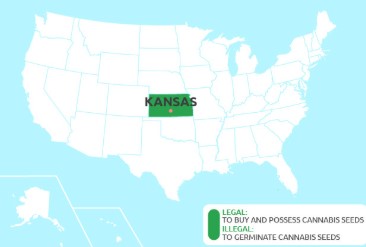
- Legal Status: Illegal
- Penalties:
- First-time possession: Classified as a misdemeanor; may result in fines up to several hundred dollars and potential jail time (typically up to 6 months).
- Repeat offenses: Can escalate to felony charges, including higher fines and longer prison terms.
- Cultivation: Growing cannabis plants for personal or recreational use is strictly prohibited.
- Retail and Distribution: The sale or distribution of marijuana is a criminal offense and is prosecuted severely.
2. Medical Marijuana
- Legal Status: Illegal
- Legislative History:
- Multiple bills have been introduced to legalize medical cannabis, especially between 2021 and 2025.
- These proposals often gain some support but have consistently failed to pass through both legislative chambers.
- Obstacles:
- Strong opposition from key lawmakers.
- Lack of consensus on regulation, qualifying medical conditions, and oversight.
- Current Access: Patients in Kansas have no legal pathway to access cannabis-derived treatments with THC, even for severe medical conditions.
3. CBD and Hemp-Derived Products

- Legal Status: Legal with restrictions
- Only CBD products containing 0% THC are permitted.
- Even trace amounts of THC render a product illegal.
- Use Cases: These products are commonly used for conditions like anxiety or chronic pain, but only if completely free of psychoactive ingredients.
4. Public and Political Climate
- Public Opinion:
- Recent surveys suggest a majority of Kansans support at least medical marijuana legalization.
- Support for full recreational legalization is growing, particularly among younger and urban populations.
- Legislative Trends:
- New bills continue to be introduced, indicating persistent efforts to reform cannabis laws.
- However, no bill has advanced to become law as of May 2025.
5. Summary
In Kansas, marijuana is still strictly prohibited for both medical and recreational purposes. The state enforces strict penalties for possession, sale, and cultivation. Only zero-THC CBD products are legally allowed. While public support for reform is increasing, legislative progress has been slow and met with consistent opposition. Until significant legal changes occur, Kansas continues to uphold one of the most prohibitive cannabis policies in the U.S.
