Table of Contents
Is marijuanas legalized in Canada
1. Legal Status
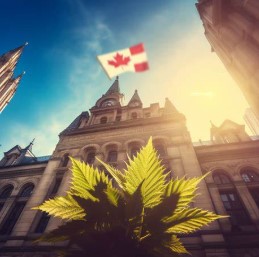
Marijuana is fully legalized in Canada for both medical and recreational purposes.
- Recreational Use: Legal since October 17, 2018, under the Cannabis Act (Bill C-45).
- Medical Use: Legal since 2001, regulated initially under the MMAR, then MMPR, and currently the ACMPR system.
2. Federal Regulations
The Cannabis Act sets national guidelines:
- Possession Limit: Adults (18+) can possess up to 30 grams of dried cannabis or its equivalent in public.
- Cultivation: Up to four plants per household (some provinces restrict this).
- Distribution and Sales: Regulated by provinces/territories.
- Edibles and Concentrates: Legalized in October 2019, with restrictions on THC content and packaging.
3. Provincial and Territorial Variations
Each province and territory manages:
- Legal Age: Typically 18 or 19 (21 in Quebec).
- Retail Sales:
- Government-run: e.g., Quebec (SQDC), Nova Scotia (NSLC).
- Private or mixed model: e.g., Alberta (private), Ontario (mixed).
- Public Use:
- Varies by region; some allow it in public spaces where tobacco is permitted, others ban it entirely.
- Home Growing:
- Allowed federally (4 plants), but banned in Quebec and Manitoba.
4. Medical Cannabis
Access is permitted via:
- Physician authorization.
- Purchase from licensed producers.
- Personal cultivation or a designated grower (with Health Canada approval).
5. Impacts and Challenges
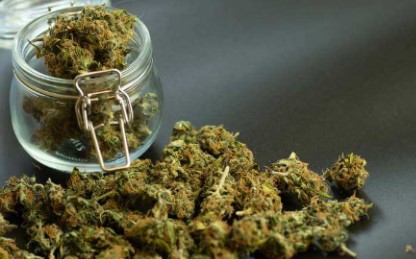
- Legal Market: Rapid industry growth and tax revenue generation.
- Black Market: Still active due to price and access differences.
- Public Health: Focus on education, youth prevention, and impaired driving enforcement.
Conclusion
Canada’s cannabis legalization framework is comprehensive and regulated. While successful in many areas, it continues to evolve to address enforcement, access equity, and health concerns.
Looking for a broader overview? Visit our complete guide to buying Marijuana seeds in Canada for provincial laws, growing considerations, and trusted seed options nationwide.
