Table of Contents
Is marijuana legal in Montana 2024
As of 2024, marijuana is legal for both medical and recreational use in Montana, but with distinct regulations, licensing frameworks, and usage restrictions.
1. Legal Background and Evolution
Medical Marijuana Legalization
Montana was one of the early adopters of medical cannabis. In 2004, voters passed Initiative 148, which legalized the use of marijuana for medical purposes. This set up the original framework for patients with debilitating medical conditions to obtain marijuana through state-licensed providers.
Over the years, legislative amendments have reshaped this system:
- 2011 SB 423 aimed to regulate and restrict provider numbers due to perceived abuse.
- 2016 Initiative I-182 loosened restrictions by removing the three-patient-per-provider cap and allowing for expanded conditions.
- 2021 HB 701 later integrated the medical and adult-use frameworks more closely under a unified regulatory approach.
Recreational Marijuana Legalization
Montana voters approved Initiative 190 (I-190) in November 2020, legalizing recreational marijuana for adults 21 and over. Commercial sales officially began on January 1, 2022, following regulatory development during 2021.
In 2021, the Montana Legislature passed House Bill 701 (HB 701) to implement and refine the recreational cannabis program. This law created a dual-track market and structured local authority, taxation, and licensing standards.
2. Current Legal Status in 2024
Adult Use (Recreational Marijuana)

- Legal age: 21 and older.
- Possession:
- Up to 28 grams, or 1 ounce, of edible marijuana.
- Or, alternatively: up to 8 grams of concentrate or 800 mg THC in edible form.
- Use Restrictions:
- No public use: Consuming marijuana in public is illegal.
- No driving under the influence.
- No use on federal land (national parks, forests, etc.).
Medical Marijuana
- Accessible to patients who are registered and meet certain requirements.
- Patients can possess up to 1 ounce, the same limit as for recreational use.
- Medical marijuana users may:
- Grow more plants than recreational users.
- Access higher potency products.
- Be exempt from certain taxes applied to recreational purchases.
3. Cultivation Laws
Recreational Cultivation (Adults 21+)
- Home grow allowed: Yes.
- Limit:
- 2 mature plants and 2 seedlings per person.
- 4 mature plants and 4 seedlings total per household, regardless of the number of adults.
Medical Cultivation
- Higher limits:
- 4 mature plants and 4 seedlings per registered patient.
- Can designate a caregiver to grow on their behalf.
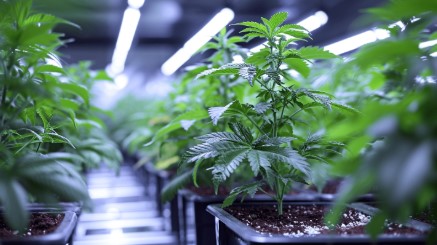
All grows must be:
- Secured and locked, away from public view.
- Indoor or fenced outdoor cultivation is required.
- Not allowed in rented homes without landlord consent.
4. Commercial Sales and Licensing
Dispensaries
- Licensed marijuana dispensaries operate across many Montana counties.
- Local control: Counties had the choice to opt-out of adult-use sales. Most counties that supported I-190 allowed them, but some banned retail sales.
- Local ballot initiatives can override county-level decisions.
License Types
The Montana Cannabis Control Division (CCD), under the Department of Revenue, oversees:
- Cultivation licenses (for growing cannabis).
- Dispensary licenses (for retail sales).
- Manufacturing licenses (for making concentrates, edibles, etc.).
- Transporter and testing licenses.
Vertical integration (i.e., one entity handling seed to sale) is allowed under certain conditions.
Moratorium
A moratorium on new marijuana business licenses (outside tribal nations and some exceptions) is in place through July 1, 2025. This primarily benefits existing medical license holders who transitioned into adult-use sales.
5. Taxation and Revenue
Adult Use Marijuana Taxes
- State tax: 20% on recreational marijuana sales.
- Local option tax: Up to 3% additional can be levied by counties.
Medical Marijuana Taxes
- State tax: 4% on medical cannabis sales.
Revenue Distribution
- Funds from marijuana taxes are allocated as follows:
- General Fund (bulk of revenue).
- Substance Abuse Treatment Programs.
- Veteran services and conservation efforts.
- Local governments get a share of the local option tax.
As of 2024, marijuana sales generate tens of millions in annual tax revenue for Montana.
6. Employment and Drug Testing
Montana allows employers to:

- Prohibit marijuana use at work.
- Maintain drug-free workplace policies.
- Discipline employees for being under the influence while on the job.
However, off-duty use of recreational marijuana cannot automatically result in termination, unless it affects performance or safety. Medical marijuana patients may have additional protections under disability laws, but not a guarantee of accommodation.
7. Criminal Penalties for Violations
Despite legalization, Montana imposes strict penalties for exceeding legal limits or engaging in unlicensed activity:
- Possession of 1–2 ounces (first offense): Civil fine up to $200.
- More than 2 ounces: Misdemeanor or felony, depending on amount.
- Illegal sales or trafficking: Felony charges with potential prison time.
- Unlicensed cultivation beyond home limits: Civil and criminal penalties.
Minors under 21 face:
- Fines.
- Drug education programs.
- Possible driver’s license suspension.
8. Federal Law Considerations
While marijuana is legal under Montana state law, it remains a Schedule I controlled substance federally. Consequences include:
- No legal protection on federal land (e.g., Glacier National Park).
- Difficulty accessing banking services for cannabis businesses.
- Ineligibility for federal benefits or firearm ownership for marijuana users in some cases.
9. Tribal Cannabis Programs
Montana recognizes tribal sovereignty. The state allows:
- Federally recognized tribes to operate marijuana businesses on tribal lands.
- Tribes to apply for licenses under parity rules.
This means tribes can engage in cultivation, manufacturing, and sales if they comply with both tribal and state standards.
10. Future Outlook and Legislative Trends
As of mid-2024:
- Montana’s cannabis market continues to expand steadily, with more counties implementing or considering adult-use frameworks.
- The state legislature is reviewing regulatory tweaks, including:
- Packaging and labeling standards.
- Consumer safety regulations.
- Potential adjustments to the moratorium or licensing tiers.
Legal and public policy debates include:
- Whether to ease licensing restrictions.
- How to standardize THC testing and product consistency.
- Concerns over youth access and public health outcomes.
Conclusion
Montana in 2024 offers one of the more regulated but accessible cannabis markets in the U.S. The framework strikes a balance between individual rights, public safety, and economic opportunity. While recreational and medical marijuana are both legal, users and businesses must comply with strict possession limits, local laws, and licensing requirements.
Those seeking to use or participate in Montana’s cannabis market whether for personal or commercial reasons should stay informed on evolving rules and maintain compliance to avoid penalties. The state’s continued fine-tuning of regulations signals a maturing cannabis industry with significant implications for health policy, business, and law enforcement.
