Ireland continues to take a cautious approach to cannabis policy, with recreational weed remaining illegal and strict penalties still enforced under national law. While limited medical marijuana access is available through a tightly controlled government program, most forms of cannabis possession, cultivation, and sale are prohibited, even as public debate around reform grows. This page explains Ireland’s current marijuana legality, including recreational restrictions, medical cannabis access, CBD rules, possession penalties, and where reform efforts stand today. For readers who want to see how Ireland’s laws compare with other regions worldwide, see our comprehensive breakdown of cannabis regulations by location across U.S. states, major cities, and countries worldwide in the Cannabis Laws by Location guide.
Table of Contents
Is marijuana legal in Ireland

1. Recreational Use
- Illegal: Cannabis is classified as a controlled substance under the Misuse of Drugs Act 1977.
- Possession Penalties:
- First offense: May result in a warning or fine.
- Second offense: Typically leads to a criminal conviction and higher fines.
- Third and subsequent offenses: Can carry prison sentences.
- Cultivation and Sale: Strictly prohibited; significant legal consequences for intent to supply.
2. Medical Use
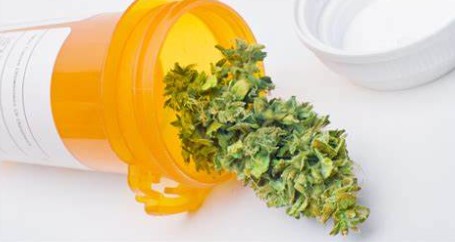
- Permitted under strict conditions:
- Governed by the Medical Cannabis Access Programme (MCAP), initiated in 2019.
- Available only for specific conditions: treatment-resistant epilepsy, multiple sclerosis-related spasticity, and chemotherapy-induced nausea.
- Need a prescription from a qualified physician.
- The Health Products Regulatory Authority (HPRA) must approve products.
3. CBD Products

- Legal if THC content is below 0.2%.
- Must comply with EU and Irish food and health safety laws.
- Cannot make medical claims unless authorized.
4. Reform Efforts
- Ongoing public debate and growing political interest in reform.
- Several advocacy groups and politicians support decriminalization or legalization, but no major legislative changes have been passed as of 2025.
