California operates one of the most established cannabis markets in the world, with legal access to weed for both medical patients and adult recreational users under a complex regulatory system. This page outlines whether marijuana is legal in California in 2025, explaining how state laws govern possession, purchasing, public use, and licensed cannabis businesses. To compare California’s rules with other regions, explore our comprehensive breakdown of cannabis laws by location, covering U.S. states, major cities, and countries worldwide in the Cannabis Laws by Location guide.
Table of Contents
Is marijuana legal in California 2024
1. Legal Status Overview
Medical Use
Medical marijuana is legal in California. Patients with a physician’s recommendation can use, possess, and cultivate cannabis for therapeutic purposes. California was the first state in the U.S. to legalize medical cannabis in 1996, and the program continues to be a cornerstone of the state’s cannabis policy.
Recreational Use
Adults 21 years of age and older are permitted to use marijuana recreationally. The Adult Use of Marijuana Act (AUMA), passed in 2016, allows adults to purchase, use, and grow marijuana for personal use. Legal sales through licensed dispensaries began in 2018.
2. Possession and Use Limits
For Adults (21+)
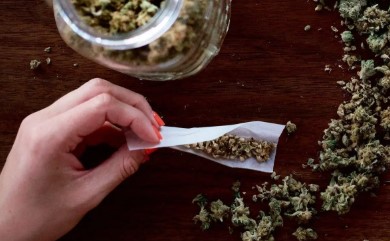
- Possession: Up to 28.5 grams (1 ounce) of cannabis flower or 8 grams of cannabis concentrate.
- Cultivation: Up to 6 marijuana plants per household, cultivated indoors or in a secure enclosed space.
- Use: Permitted on private property. Prohibited in public spaces, vehicles, and anywhere smoking tobacco is banned.
For Medical Patients
- Possession: Up to 8 ounces of dried cannabis or equivalent concentrates.
- Cultivation: May grow more than 6 plants if medically justified by a physician.
- Identification: Patients may voluntarily obtain a Medical Marijuana Identification Card (MMIC), offering tax exemptions and legal protections.
3. Regulatory Framework
Governing Body
The Department of Cannabis Control (DCC) oversees both medical and recreational cannabis systems. It issues licenses, enforces regulations, and manages compliance programs.

Licensing Categories
Cannabis businesses must obtain state licenses in one or more of the following categories:
- Cultivation
- Manufacturing
- Testing
- Distribution
- Retail (storefront and delivery)
- Microbusiness (integrated operations)
Testing and Labeling
Every cannabis product needs to be tested in a lab for:
- Pesticides
- Heavy metals
- Microbial contamination
- Potency (THC/CBD levels)
Packaging must be:
- Child-resistant
- Tamper-evident
- Clearly labeled with warnings and dosage information
4. Local Control and Access
Local Jurisdiction Rights
While cannabis is legal statewide, cities and counties have the authority to regulate or ban:
- Retail sales
- Cultivation
- Delivery services
- Consumption lounges
As of 2025:
- Over 50% of jurisdictions still ban some or all cannabis business activity.
- This has created “cannabis deserts” where legal access is limited or nonexistent.
Delivery Services
State law allows cannabis delivery across city lines. However, enforcement and restrictions vary locally.
5. Taxes and Economics
Cannabis Taxes
Recreational cannabis purchases are subject to:
- 15% state excise tax
- State sales tax (approx. 7.25%)
- Local taxes (varies by jurisdiction)
Medical patients with an MMIC are exempt from sales tax but must still pay excise taxes.
Tax Revenue Use
Cannabis tax revenue is distributed to:
- Youth education and prevention programs
- Environmental restoration
- Law enforcement and public safety initiatives
Market Challenges
The legal market faces several difficulties:
- High taxes and operational costs
- Regulatory complexity
- Slow licensing in many regions
- Competition from the unregulated black market
6. Employment and Workplace Rights
Employee Protections
In 2025, California enacted new laws to protect workers who use cannabis outside of work:
- Employers cannot discriminate based solely on a positive test for cannabis metabolites.
- These rules apply to hiring, termination, and other employment decisions.
- Workers in safety-sensitive roles (e.g., heavy machinery operators) may still be subject to stricter rules.
Workplace Impairment
Employers can still prohibit cannabis use during work hours and may take action if an employee is impaired on the job.
7. Social Consumption and Public Use
Where You Can Use Cannabis
- Private homes
- Licensed consumption lounges (where permitted)
- Private events (with local approval)
Where Use is Prohibited
- Public sidewalks and parks
- In vehicles (even when parked)
- Schools, childcare facilities, or youth centers within a 1,000-foot radius
- Anywhere tobacco smoking is banned
Cannabis Lounges
In 2025, California expanded rules to allow cannabis consumption lounges to serve non-cannabis food and drinks and host live entertainment. These changes are effective beginning in 2025 and subject to local approval.
8. Hemp-Derived THC and Product Regulation
Ban on Synthetic Cannabinoids
California regulators are in the process of banning synthetic or hemp-derived THC products, such as:
- Delta-8 THC
- Delta-10 THC
- THC-O
The move is intended to:
- Protect public health
- Prevent underage access to intoxicating products
- Support the regulated cannabis industry
Only licensed cannabis businesses will be allowed to sell THC-containing products under strict oversight.
9. Federal vs. State Law
Federal Classification
Cannabis remains a Schedule I controlled substance under federal law. This means:
- It is federally illegal for all purposes.
- Businesses cannot access traditional banking services.
- Interstate transport is prohibited.
- Cannabis is banned on federal lands, including national parks.
State Autonomy
Despite federal prohibition, California continues to enforce its own cannabis laws. Federal authorities have largely adopted a hands-off approach, focusing on large-scale trafficking or operations violating both state and federal law.
10. Legal Risks and Penalties
Illegal Activities Include:
- Selling cannabis without a license
- Driving under the influence
- Possessing more than allowed amounts
- Selling to minors
- Transporting cannabis across state lines
Penalties vary based on the severity of the offense and prior criminal history but may include:
- Fines
- Misdemeanor or felony charges
- License revocation for businesses
11. Market Trends and Future Outlook
Legal Market Struggles
Despite legalization, California’s legal cannabis industry continues to face obstacles:
- Illegal sales still dominate, due to cost and access disparities.
- Licensed operators are closing, citing excessive regulation and lack of profitability.
Proposed Reforms
Policymakers are exploring:
- Freezing or reducing the excise tax
- Streamlining licensing processes
- Expanding delivery and lounge access
- Creating incentives for local jurisdictions to allow cannabis businesses
These reforms aim to help the legal market compete more effectively against unregulated suppliers.
Conclusion
Marijuana is fully legal in California in 2025 for both medical and recreational use. The state maintains a comprehensive regulatory framework focused on public health, consumer safety, and economic development. However, persistent challenges such as high taxation, limited legal access, and competition from the illicit market continue to hinder the success of the legal industry.
While progress has been made through workplace protections and social consumption expansions, the state remains in a transitional phase. Future policy adjustments will likely aim to improve legal market accessibility, sustainability, and equity.
