For decades, cannabis was grouped among the most restricted substances under U.S. federal law, classified as a Schedule I drug alongside compounds deemed to have no accepted medical value. That status has recently changed, reshaping how marijuana is viewed by regulators, researchers, and the cannabis industry at large. This page explains whether marijuana is still considered a Schedule I drug, what its current federal classification means, how the reclassification process unfolded, and the practical implications for medical use, research, taxation, and enforcement. To understand how federal scheduling fits into the broader landscape of cannabis laws worldwide, see our comprehensive breakdown of cannabis regulations by location across U.S. states, major cities, and countries worldwide in the Cannabis Laws by Location guide.
Table of Contents
Is marijuana illegal in Florida
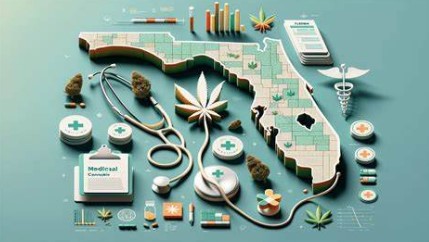
1. Medical Marijuana: Legal with Restrictions
Legal Framework
- Legalized: 2016 via Amendment 2
- Governing Authority: Florida Department of Health – Office of Medical Marijuana Use (OMMU)
Eligibility
- Patients must be diagnosed with a qualifying medical condition, including:
- Cancer
- Epilepsy
- Glaucoma
- HIV/AIDS
- PTSD
- Crohn’s disease
- Parkinson’s disease
- Chronic nonmalignant pain
- Must receive a recommendation from a state-certified physician
Access and Use
- The Medical Marijuana Use Registry requires patients to register.
- Purchases can only be made through licensed Medical Marijuana Treatment Centers (MMTCs)
- Smoking marijuana is permitted but only in private spaces
- Public consumption and sharing are strictly prohibited
2. Recreational Marijuana: Illegal
Possession Laws
- Possession of up to 20 grams: Misdemeanor
- Penalty: $1,000 fine and a maximum of one year in prison
- Possession of more than 20 grams or intent to distribute: Felony
- Penalties escalate based on quantity and circumstances
Local Decriminalization Efforts
- Some counties/cities (e.g., Miami-Dade, Tampa) have adopted civil citation systems for small amounts
- Instead of being charged with a crime, offenders may get penalties.
3. Federal Law Considerations
- According to federal law, marijuana is still classified as a Schedule I restricted substance.
- Possession on federal property or interstate transport remains federally illegal
Conclusion
- Medical marijuana is legal with a state-issued license and within tight regulations
- Recreational use remains illegal, though minor possession is sometimes treated leniently at the local level
- Federal prohibitions still apply across the state
