Table of Contents
Is marijuana good for you
Whether marijuana is good for you is a complex and multifaceted question. The answer depends on several variables: the type and amount of cannabis consumed, individual physiology and mental health, the mode of administration, medical context, and long-term use patterns.
1. What Is Marijuana?
The dried flowers, leaves, stems, and seeds of the Cannabis sativa or Cannabis indica plants are referred to as marijuana. It contains over 100 cannabinoids, with the two most well-known and studied being:
- THC (tetrahydrocannabinol) – the primary psychoactive compound responsible for the “high.”
- CBD (cannabidiol) – a non-psychoactive compound with therapeutic properties.
Cannabis can be consumed via smoking, vaporization, edibles, tinctures, oils, or topical applications, and the health effects can differ based on these delivery methods.
2. Potential Health Benefits of Marijuana
Pain Relief
One of the most validated uses of marijuana is for chronic pain. Cannabinoids interact with the endocannabinoid system (ECS), particularly CB1 and CB2 receptors in the central and peripheral nervous systems. This interaction modulates pain signaling, especially for:
- Neuropathic pain
- Cancer-related pain
- Fibromyalgia
- Rheumatoid arthritis
Anti-inflammatory Properties
CBD and other cannabinoids have anti-inflammatory effects. This is helpful in conditions such as:
- Multiple sclerosis (MS)
- Crohn’s disease
- Ulcerative colitis
- Lupus
In MS, for example, cannabis-derived products like Sativex (a THC:CBD oral spray) are approved in several countries to reduce spasticity.
Nausea and Appetite Stimulation
THC is effective for treating chemotherapy-induced nausea and vomiting. FDA-approved synthetic THC products such as dronabinol and nabilone are used in clinical settings. Cannabis also stimulates appetite in patients with HIV/AIDS and cancer-related cachexia.
Epilepsy and Seizure Control
CBD has been proven effective in reducing seizure frequency in drug-resistant epilepsy, particularly:
- Dravet syndrome
- Lennox-Gastaut syndrome
Epidiolex, a pure CBD pharmaceutical, is FDA-approved for treating these conditions.
Mental Health Conditions (Limited Evidence)
Some studies suggest cannabis can alleviate:
- Anxiety (low doses of CBD)
- PTSD (nightmare suppression and reduced arousal)
- Depression (short-term mood enhancement)
However, the evidence remains inconsistent and highly dependent on the strain and individual susceptibility.
3. Recreational Effects
Many individuals use marijuana recreationally for its euphoric, relaxing, and sensory-enhancing effects. Users commonly report:
- Enhanced mood and creativity
- Heightened perception
- Deepened music appreciation
- Social bonding
Low to moderate doses of THC are generally well-tolerated and may promote relaxation and introspection. For some, it also reduces social anxiety temporarily.
4. Potential Risks and Adverse Effects
Despite its benefits, marijuana is not risk-free. Its negative effects vary by frequency, age at first use, dose, and genetic predispositions.
Mental Health Risks
Marijuana use especially high-THC strains has been linked to:
- Psychosis and schizophrenia: Particularly in individuals with a family history of psychotic disorders. Daily use of high-potency cannabis increases this risk.
- Anxiety and panic attacks: High doses of THC can cause or worsen anxiety, paranoia, and panic.
- Depression: Some studies suggest long-term use may contribute to depressive symptoms, although causality is unclear.
- Cannabis Use Disorder (CUD): About 9–30% of users may develop dependence, marked by withdrawal symptoms like irritability, insomnia, and craving.
Cognitive Effects
During adolescence, frequent marijuana usage might result in:
- Decreased attention
- Impaired memory and learning
- Reduced IQ (especially when use begins early and continues frequently)
In adults, acute use temporarily affects short-term memory and attention, but long-term effects are more controversial.
Respiratory Health
Smoking cannabis releases harmful compounds similar to tobacco smoke, including tar and carcinogens. Chronic smoking can cause:
- Chronic bronchitis
- Coughing
- Phlegm production
- Wheezing
However, cannabis smoke has not been conclusively linked to lung cancer.
Cardiovascular Risks
THC can increase heart rate and temporarily raise blood pressure. For individuals with pre-existing cardiovascular conditions, this could elevate the risk of:
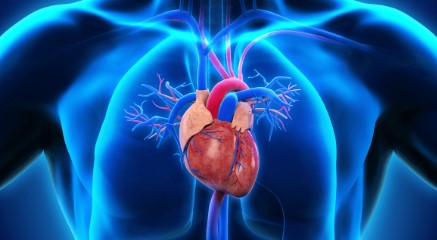
- Heart attack
- Arrhythmia
- Stroke
CBD appears to have more cardiovascular-friendly effects, such as vasodilation and anti-inflammatory activity.
5. Marijuana and the Brain: Neurobiological Considerations
Cannabinoids modulate neurotransmitter release via interaction with the ECS, particularly in areas such as the hippocampus (memory), prefrontal cortex (decision-making), and basal ganglia (motor function). Chronic stimulation of CB1 receptors by THC may disrupt normal neurotransmission and brain development in adolescents.
CBD, by contrast, acts on multiple targets including serotonin and vanilloid receptors and is considered neuroprotective and non-addictive.
6. Drug Interactions and Contraindications
Cannabis can interact with:
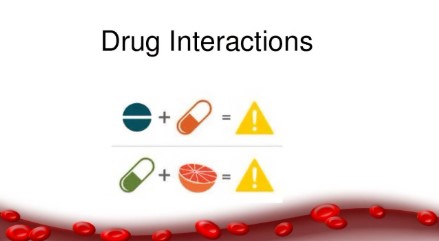
- Antidepressants (e.g., SSRIs, tricyclics)
- Anticonvulsants
- Blood thinners (increased risk of bleeding)
- Benzodiazepines (additive sedative effect)
- Alcohol (increased CNS depression)
Cannabis should be avoided in:
- Pregnant and breastfeeding women (linked to developmental issues)
- Individuals with schizophrenia or bipolar disorder
- Patients on medications with a narrow therapeutic index (e.g., warfarin)
7. Harm Reduction and Safer Use Guidelines
To mitigate risks, users can adopt harm-reduction strategies:
- Start low, go slow – Especially for THC-rich products
- Prefer vaporization or edibles over smoking
- Avoid use during adolescence and early adulthood
- Use in safe, familiar settings to reduce anxiety or bad trips
- Avoid daily use to minimize dependency risks
Microdosing (taking very low doses) of cannabis or THC is gaining popularity for those seeking mild therapeutic benefits without intoxication.
8. Legal and Social Dimensions
Marijuana is legal for medical use in over 35 countries and fully legal (recreational and medical) in a growing number of jurisdictions, including Canada, Uruguay, and multiple U.S. states.
Legalization is associated with:
- Increased access for patients
- Reduced opioid prescriptions in some areas
- Tax revenue generation
- Public health education opportunities
However, it may also lead to increased emergency room visits, cannabis-related car accidents, and normalization of adolescent use.
9. Conclusion: Is Marijuana Good for You?
The answer depends on who you are, why you’re using it, and how you’re using it.
- Yes, marijuana is good for many people when used under medical supervision for conditions like chronic pain, epilepsy, MS, or cancer-related symptoms.
- Possibly, it may offer short-term mental health relief for PTSD or anxiety, though clinical guidance is essential.
- No, it can be harmful for adolescents, pregnant women, those with a history of psychosis, or individuals prone to addiction.
Like any drug, marijuana is a tool—it can heal, help, or harm depending on context. As research evolves and regulations mature, clearer guidelines for optimal, evidence-based use will continue to emerge. Responsible consumption, open communication with healthcare providers, and an awareness of the risks are crucial to making marijuana a net positive for health and well-being.
